Ann Schmiesing - Böcker
Visar alla böcker från författaren Ann Schmiesing. Handla med fri frakt och snabb leverans.
3 produkter
3 produkter
316 kr
Skickas
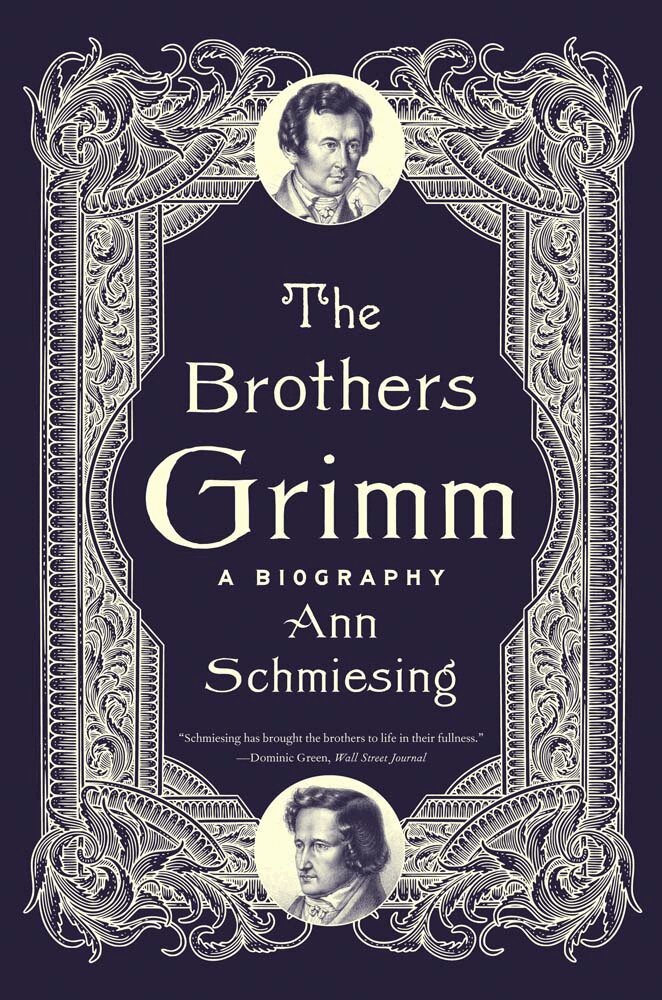
The first English-language biography in over fifty years to tell the full, vibrant story of Jacob and Wilhelm Grimm, known to history as the Brothers GrimmA New Yorker “Best Book of 2024” • Winner of the Wayland D. Hand Prize, sponsored by the American Folklore Society • Winner of the Katharine Briggs Award of the Folklore Society“Ann Schmiesing . . . has brought the brothers to life in their fullness.”—Dominic Green, Wall Street JournalMore than two hundred years ago, the German brothers Jacob Grimm (1785–1863) and Wilhelm Grimm (1786–1859) published a collection of fairy tales that remains famous the world over. It has been translated into some 170 languages—more than any other German book—and the Brothers Grimm are among the top dozen most translated authors in the world. In addition to collecting tales, the Grimms were mythographers, linguists, librarians, civil servants, and above all the closest of brothers, but until now, the full story of their lifelong endeavor to preserve and articulate a German cultural identity has not been well known.Drawing on deep archival research and decades of scholarship, Ann Schmiesing tells the affecting story of how the Grimms’ ambitious projects gave the brothers a sense of self-preservation through the atrocities of the Napoleonic Wars and a series of personal losses. They produced a vast corpus of work on mythology and medieval literature, embarked on a monumental German dictionary project, and broke scholarly ground with Jacob’s linguistic discovery known as Grimm’s Law. Setting their story against a rich historical backdrop, Schmiesing offers a fresh consideration of the profound and yet complicated legacy of the Brothers Grimm.
161 kr
Skickas inom 7-10 vardagar
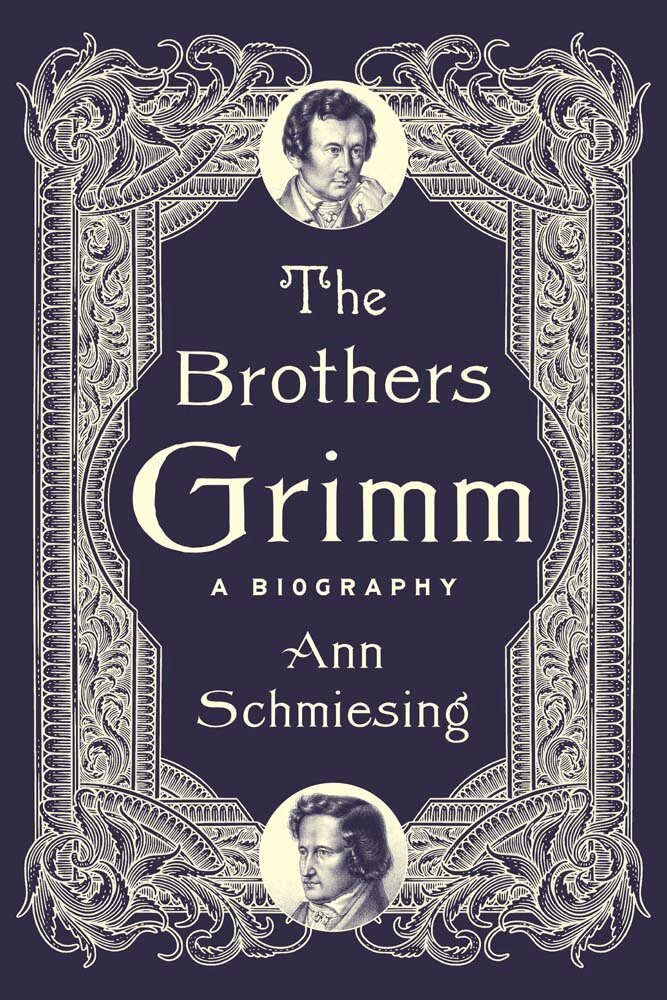
The first English-language biography in over fifty years to tell the full, vibrant story of Jacob and Wilhelm Grimm, known to history as the Brothers GrimmA New Yorker “Best Book of 2024” • Winner of the Wayland D. Hand Prize, sponsored by the American Folklore Society • Winner of the Katharine Briggs Award of the Folklore Society“Ann Schmiesing . . . has brought the brothers to life in their fullness.”—Dominic Green, Wall Street JournalMore than two hundred years ago, the German brothers Jacob Grimm (1785–1863) and Wilhelm Grimm (1786–1859) published a collection of fairy tales that remains famous the world over. It has been translated into some 170 languages—more than any other German book—and the Brothers Grimm are among the top dozen most translated authors in the world. In addition to collecting tales, the Grimms were mythographers, linguists, librarians, civil servants, and above all the closest of brothers, but until now, the full story of their lifelong endeavor to preserve and articulate a German cultural identity has not been well known.Drawing on deep archival research and decades of scholarship, Ann Schmiesing tells the affecting story of how the Grimms’ ambitious projects gave the brothers a sense of self-preservation through the atrocities of the Napoleonic Wars and a series of personal losses. They produced a vast corpus of work on mythology and medieval literature, embarked on a monumental German dictionary project, and broke scholarly ground with Jacob’s linguistic discovery known as Grimm’s Law. Setting their story against a rich historical backdrop, Schmiesing offers a fresh consideration of the profound and yet complicated legacy of the Brothers Grimm.
377 kr
Skickas inom 10-15 vardagar
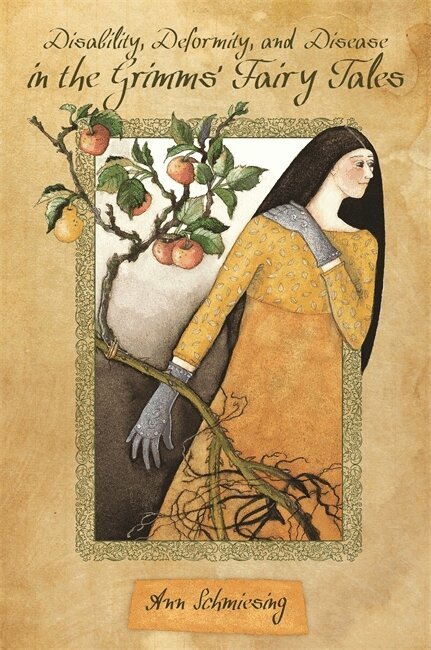
Although dozens of disabled characters appear in the Grimms’ Children’s and Household Tales, the issue of disability in their collection has remained largely unexplored by scholars. In Disability, Deformity, and Disease in the Grimms’ Fairy Tales, author Ann Schmiesing analyzes various representations of disability in the tales and also shows how the Grimms’ editing (or ""prostheticizing"") of their tales over seven editions significantly influenced portrayals of disability and related manifestations of physical difference, both in many individual tales and in the collection overall.Schmiesing begins by exploring instabilities in the Grimms’ conception of the fairy tale as a healthy and robust genre that has nevertheless been damaged and needs to be restored to its organic state. In chapter 2, she extends this argument by examining tales such as ""The Three Army Surgeons"" and ""Brother Lustig"" that problematize, against the backdrop of war, characters’ efforts to restore wholeness to the impaired or diseased body. She goes on in chapter 3 to study the gendering of disability in the Grimms’ tales with particular emphasis on the Grimms’ editing of ""The Maiden Without Hands"" and ""The Frog King or Iron Henry."" In chapter 4, Schmiesing considers contradictions in portrayals of characters such as Hans My Hedgehog and the Donkey as both cripple and ""supercripple"" - a figure who miraculously ""overcomes"" his disability and triumphs despite social stigma. Schmiesing examines in chapter 5 tales in which no magical erasure of disability occurs, but in which protagonists are depicted figuratively ""overcoming"" disability by means of other personal abilities or traits.The Grimms described the fairy tale using metaphors of able-bodiedness and wholeness and espoused a Romantic view of their editorial process as organic restoration. Disability, Deformity, and Disease in the Grimms’ Fairy Tales shows, however, the extent to which the Grimms’ personal experience of disability and illness impacted the tales and reveals the many disability-related amendments that exist within them. Readers interested in fairy-tales studies and disability studies will appreciate this careful reading of the Grimms’ tales.