Ann Twinam - Böcker
Visar alla böcker från författaren Ann Twinam. Handla med fri frakt och snabb leverans.
4 produkter
4 produkter
214 kr
Skickas inom 10-15 vardagar
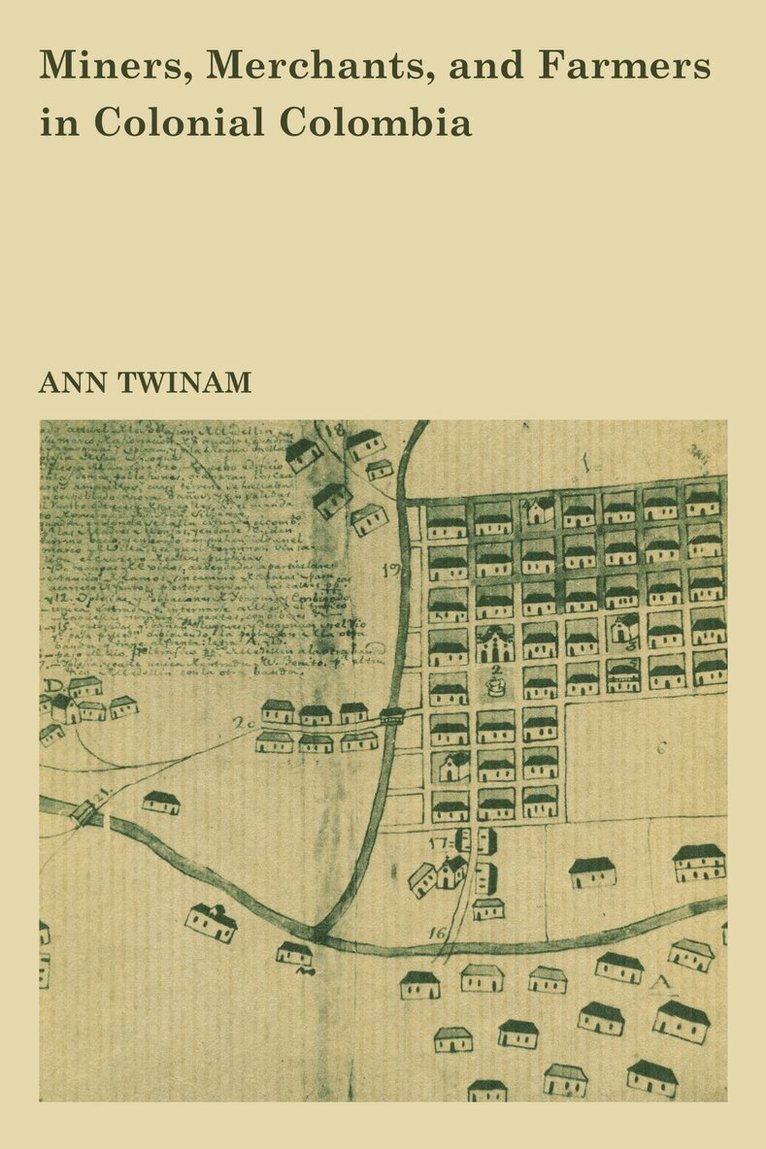
The inhabitants of the department of AntioquÍa in north-central Colombia have played a unique role in that country’s economic history. During the colonial period AntioqueÑo placer miners supplied a substantial portion of New Granada’s gold exports. Their nineteenth-century descendants pioneered investments in lode mining, colonization, international commerce, banking, stock raising, tobacco, and coffee. In the twentieth century, AntioqueÑos initiated the industrialization of the regional capital, MedellÍn. Many theories have been set forth to account for the special energy and initiative of AntioqueÑos. They range from ethnic and psychological interpretations (AntioqueÑos are descended from Jews or Basques; they are driven to succeed because of status deprivation) to historical explanations that emphasize their geographic isolation, mining heritage, or the coffee-export economy. In Miners, Merchants, and Farmers in Colonial Colombia, Ann Twinam critiques these theories and sets forth her own revisionist interpretation of AntioqueÑo enterprise. Rather than emphasize the alien or deviant in AntioqueÑo psychology or culture, Twinam re-creates the region’s late colonial economic and social structure and attributes the origins of AntioqueÑo enterprise to a particular mix of human and natural resources that directed the region’s development toward capital accumulation and reinvestment. Although the existing limitations of their colonial environment may have forced AntioqueÑos along enterprising pathways initially, the continuation of AntioqueÑo investments to the present day suggests that their adaptation to a specific economic reality became a way of life transcending the historical conditions that created it.
Public Lives, Private Secrets
Gender, Honor, Sexuality, and Illegitimacy in Colonial Spanish America
Häftad, Engelska, 1999
374 kr
Skickas inom 7-10 vardagar
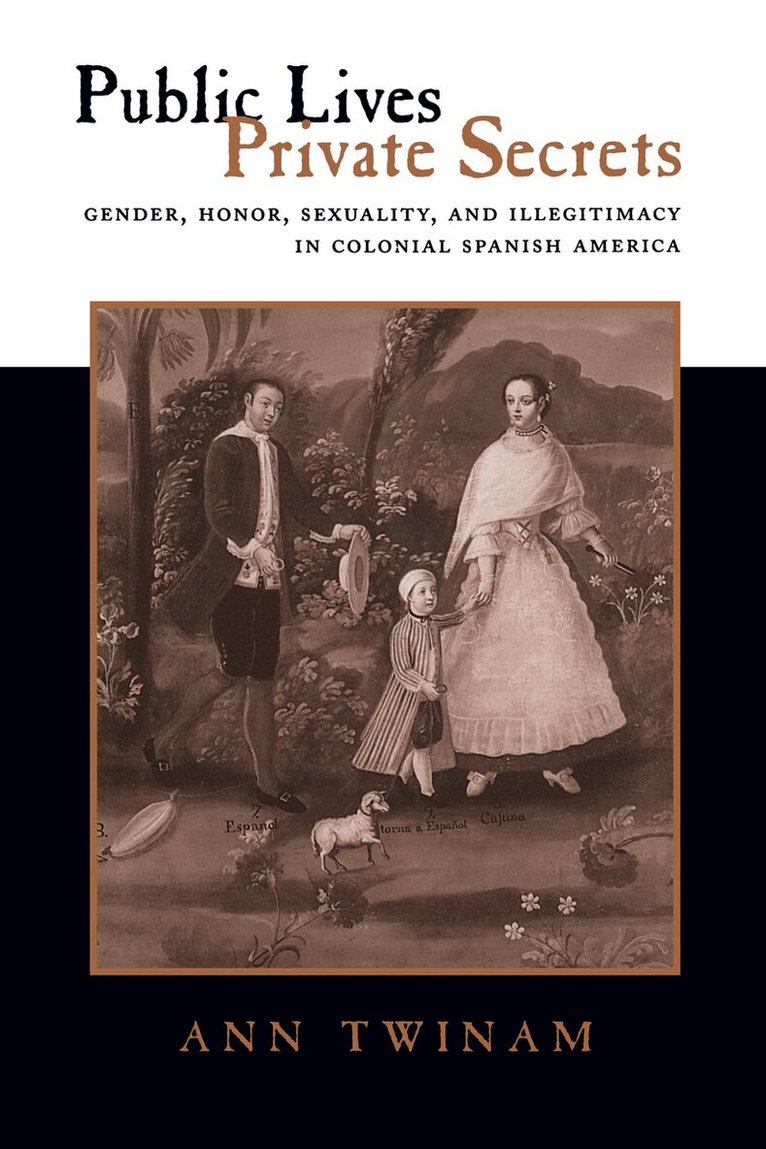
Throughout the eighteenth and early nineteenth centuries, illegitimate offspring of elite families in colonial Spanish America appealed to the Council and Cámara of the Indies in Spain to purchase gracias al sacar legitimations. Their applications provided intimate testimony concerning their own lives, accounts of their parents' sexual relationships, and details regarding the impact of illegitimacy within their families and communities. Bourbon officials in Spain debated which petitions merited approval, and in the process forged policies concerning gender, sexuality, illegitimacy, and the family.Scattered throughout the Archive of the Indies, the petitions were difficult to locate until the author determined the pattern of how they were archived and was able to access this extraordinarily rich new source for Spanish American social history. For this book, she has not only analyzed the gracias al sacar documents of some 240 illegitimates, but also traced the histories of those involved in eighteen major archives in Spain, the Caribbean, Mexico, and South America.The collective biographies of the gracias al sacar parents, and of their illegitimate offspring—as infants, children, and adults—reveal a Hispanic mentality that consciously differentiated between the public and private spheres. Colonial elites distinguished between a private circle of family, kin, and intimate friends and a public world where status (honor) was negotiated with outside peers. This bifurcation was distinct yet permeable; an individual might "pass" to negotiate a public status different from a private reality. Thus, an unwed mother might enjoy the public reputation that she was a virgin, the bastard son of a priest might be treated as legitimate, and a mulatto could be transformed into someone white.The author explores how the probability for passing varied throughout the Spanish Empire, and how it narrowed as the eighteenth century drew to a close. She also demonstrates that the inability to conceptualize passing beyond the scope of the individual exacerbated social tensions prior to independence.
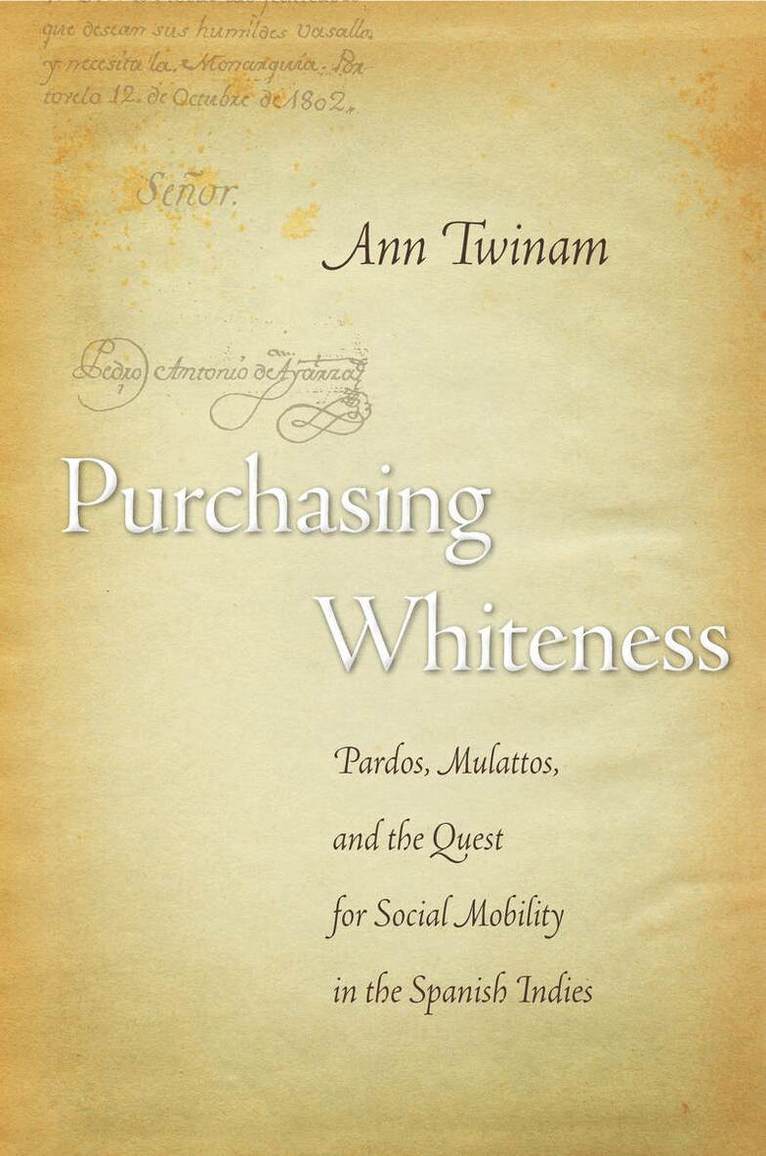
Purchasing Whiteness
Pardos, Mulattos, and the Quest for Social Mobility in the Spanish Indies
Inbunden, Engelska, 2015
1 659 kr
Skickas inom 10-15 vardagar
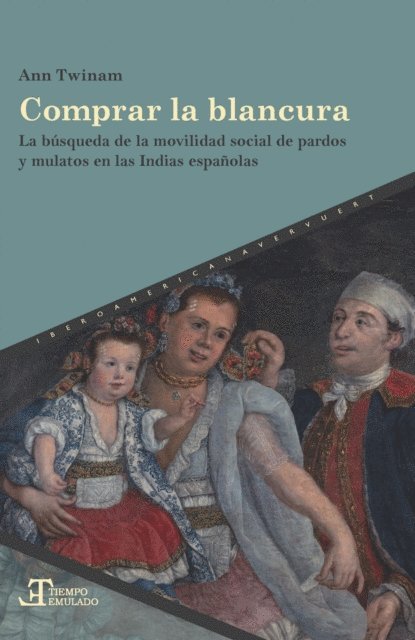
The colonization of Spanish America resulted in the mixing of Natives, Europeans, and Africans and the subsequent creation of a casta system that discriminated against them. Members of mixed races could, however, free themselves from such burdensome restrictions through the purchase of a gracias al sacar—a royal exemption that provided the privileges of Whiteness. For more than a century, the whitening gracias al sacar has fascinated historians. Even while the documents remained elusive, scholars continually mentioned the potential to acquire Whiteness as a provocative marker of the historic differences between Anglo and Latin American treatments of race. Purchasing Whiteness explores the fascinating details of 40 cases of whitening petitions, tracking thousands of pages of ensuing conversations as petitioners, royal officials, and local elites disputed not only whether the state should grant full whiteness to deserving individuals, but whether selective prejudices against the castas should cease.Purchasing Whiteness contextualizes the history of the gracias al sacar within the broader framework of three centuries of mixed race efforts to end discrimination. It identifies those historic variables that structured the potential for mobility as Africans moved from slavery to freedom, mixed with Natives and Whites, and transformed later generations into vassals worthy of royal favor. By examining this history of pardo and mulatto mobility, the author provides striking insight into those uniquely characteristic and deeply embedded pathways through which the Hispanic world negotiated processes of inclusion and exclusion.
Purchasing Whiteness
Pardos, Mulattos, and the Quest for Social Mobility in the Spanish Indies
Häftad, Engelska, 2015
406 kr
Skickas inom 10-15 vardagar
The colonization of Spanish America resulted in the mixing of Natives, Europeans, and Africans and the subsequent creation of a casta system that discriminated against them. Members of mixed races could, however, free themselves from such burdensome restrictions through the purchase of a gracias al sacar—a royal exemption that provided the privileges of Whiteness. For more than a century, the whitening gracias al sacar has fascinated historians. Even while the documents remained elusive, scholars continually mentioned the potential to acquire Whiteness as a provocative marker of the historic differences between Anglo and Latin American treatments of race. Purchasing Whiteness explores the fascinating details of 40 cases of whitening petitions, tracking thousands of pages of ensuing conversations as petitioners, royal officials, and local elites disputed not only whether the state should grant full whiteness to deserving individuals, but whether selective prejudices against the castas should cease.Purchasing Whiteness contextualizes the history of the gracias al sacar within the broader framework of three centuries of mixed race efforts to end discrimination. It identifies those historic variables that structured the potential for mobility as Africans moved from slavery to freedom, mixed with Natives and Whites, and transformed later generations into vassals worthy of royal favor. By examining this history of pardo and mulatto mobility, the author provides striking insight into those uniquely characteristic and deeply embedded pathways through which the Hispanic world negotiated processes of inclusion and exclusion.