Anna A. Berman – författare
Visar alla böcker från författaren Anna A. Berman. Handla med fri frakt och snabb leverans.
9 produkter
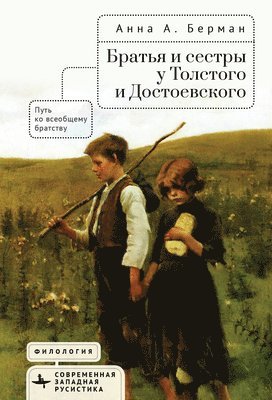
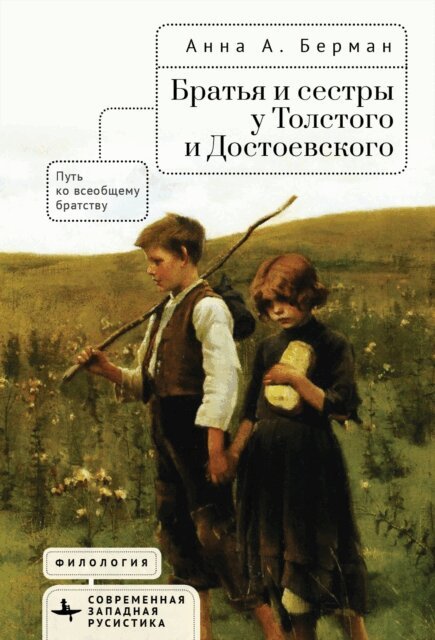
Siblings in Tolstoy and Dostoevsky
The Path to Universal Brotherhood
Inbunden, 2024
5,0 utav 5 stjärnor. Totalt antal röster: (1)
534 kr
Lägg i varukorg
ENGSiblings in Tolstoy and Dostoevsky is the first book about siblings in Russian literature. Combining close readings with diverse theoretical perspectives on kinship, attachment, and brotherhood, the book offers a new understanding of love, family, and the way these intimate topics constitute the …
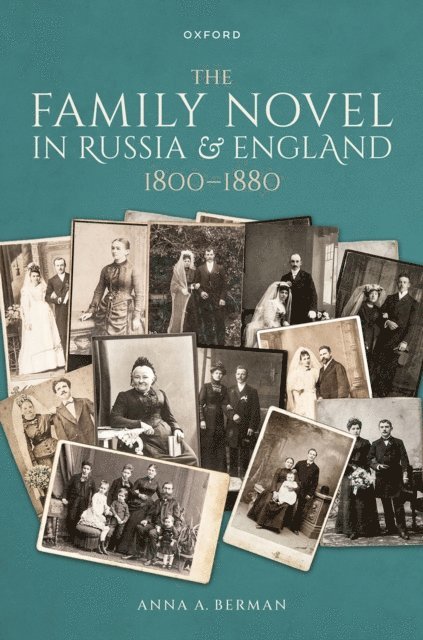
Family Novel in Russia and England, 1800-1880
E-bok, 2022
1413 kr
Lägg i varukorg
This book offers a new understanding of the relationship between family structures and narrative structure in the nineteenth-century novel. Comparing Russia and England, it argues that the two nations had fundamentally different conceptions of the family and that these, in turn, shaped the way they …
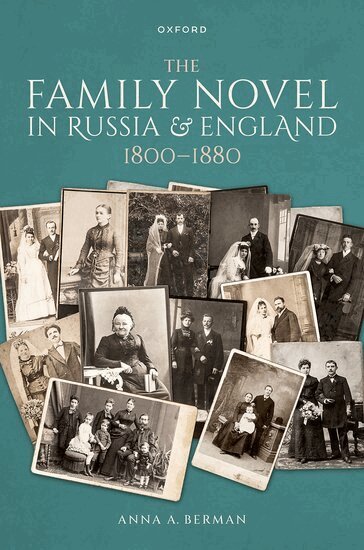
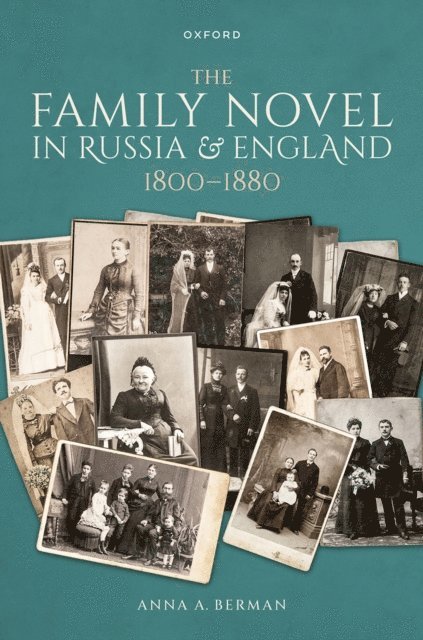
The Family Novel in Russia and England, 1800-1880
Inbunden, 2022
1532 kr
Lägg i varukorg
This book offers a new understanding of the relationship between family structures and narrative structure in the nineteenth-century novel. Comparing Russia and England, it argues that the two nations had fundamentally different conceptions of the family and that these, in turn, shaped the way they …
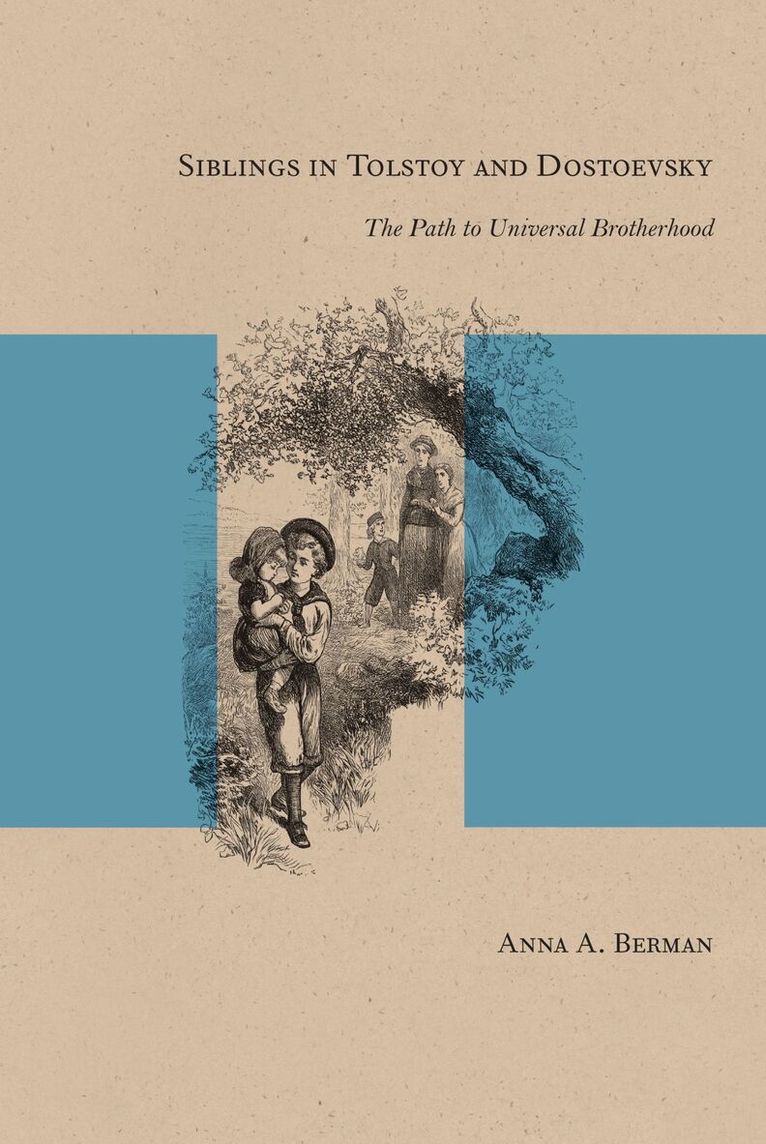
Siblings in Tolstoy and Dostoevsky
The Path to Universal Brotherhood
Inbunden, 2015
1568 kr
Lägg i varukorg
Anna A. Berman’s book brings to light the significance of sibling relationships in the writings of Tolstoy and Dostoevsky. Relationships in their works have typically been studied through the lens of erotic love in the former, and intergenerational conflict in the latter.In close readings of their …
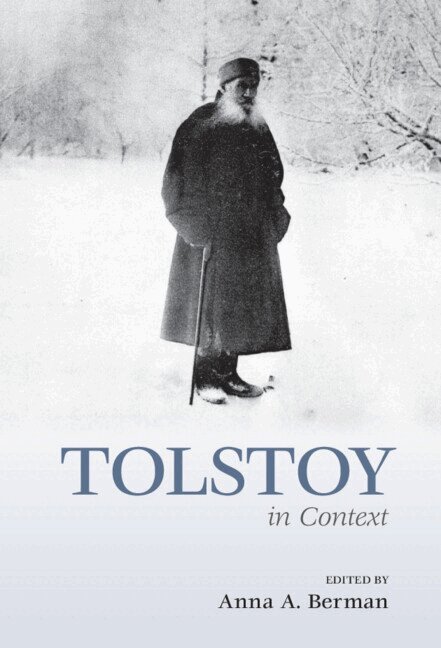
Tolstoy in Context
Inbunden, 2022
1647 kr
Lägg i varukorg
Likened to a second Tsar in Russia and attaining prophet-like status around the globe, Tolstoy made an impact on literature and the arts, religion, philosophy, and politics. His novels and stories both responded to and helped to reshape the European and Russian literary traditions. His non-fiction …
Family Novel in Russia and England, 1800-1880
E-bok, 2022
1413 kr
Lägg i varukorg
This book offers a new understanding of the relationship between family structures and narrative structure in the nineteenth-century novel. Comparing Russia and England, it argues that the two nations had fundamentally different conceptions of the family and that these, in turn, shaped the way they …
Tolstoy in Context
E-bok, 2022
1595 kr
Lägg i varukorg
Likened to a second Tsar in Russia and attaining prophet-like status around the globe, Tolstoy made an impact on literature and the arts, religion, philosophy, and politics. His novels and stories both responded to and helped to reshape the European and Russian literary traditions. His non-fiction …
Tolstoy in Context
E-bok, 2022
1631 kr
Lägg i varukorg
Likened to a second Tsar in Russia and attaining prophet-like status around the globe, Tolstoy made an impact on literature and the arts, religion, philosophy, and politics. His novels and stories both responded to and helped to reshape the European and Russian literary traditions. His non-fiction …
Siblings in Tolstoy and Dostoevsky
The Path to Universal Brotherhood
E-bok, 2024
759 kr
Lägg i varukorg
ENGSiblings in Tolstoy and Dostoevsky is the first book about siblings in Russian literature. Combining close readings with diverse theoretical perspectives on kinship, attachment, and brotherhood, the book offers a new understanding of love, family, and the way these intimate topics constitute the …