Anna Clayfield - Böcker
Visar alla böcker från författaren Anna Clayfield. Handla med fri frakt och snabb leverans.
5 produkter
5 produkter
590 kr
Skickas inom 10-15 vardagar
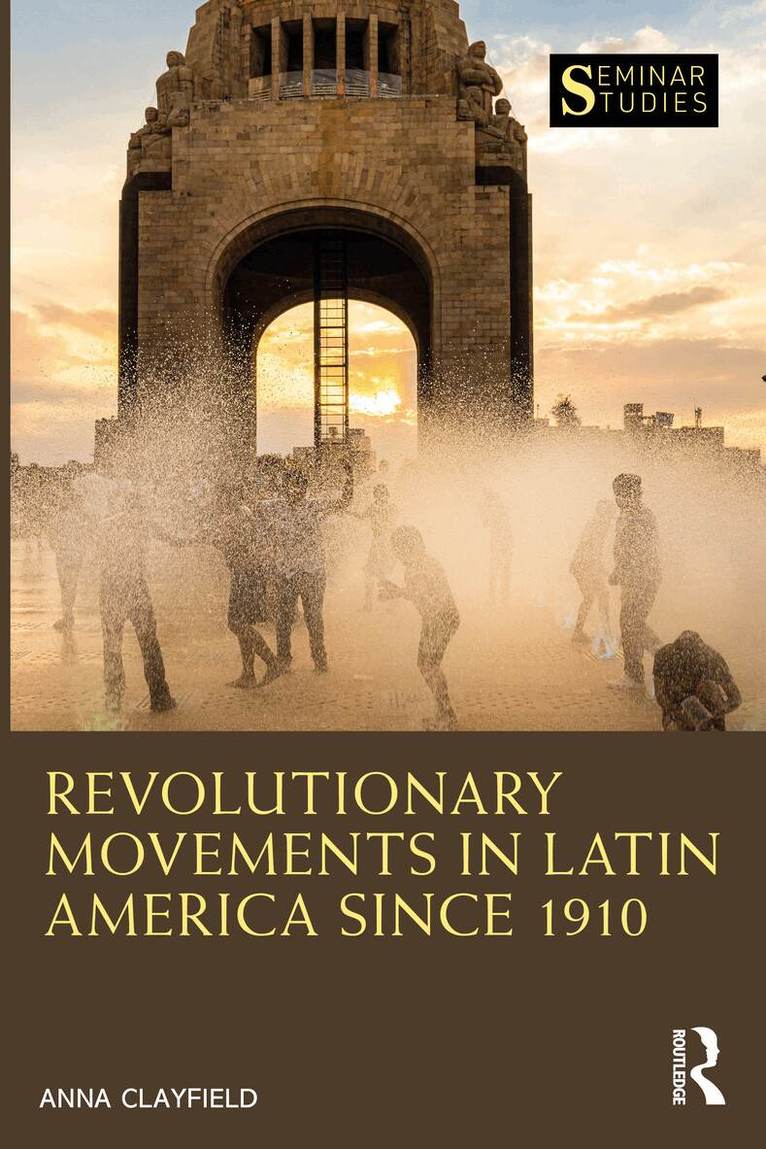
Revolutionary Movements in Latin America since 1910 offers a clear introduction to some of the key revolutionary moments that have occurred across Latin America since the beginning of the twentieth century.Drawing on debates and developments in contemporary historiography, this book examines important turning points and actors that have shaped the history of the region. These include pivotal events, such as the Mexican and Guatemalan Revolutions, alongside lesser-known examples of revolutionary upheaval, such as Cuba’s Revolution of 1933 and smaller-scale but hugely ambitious guerrilla movements. In so doing, it will explore what the idea of ‘revolution’ has come to mean in the Latin American context, while highlighting overlapping patterns of ideas and actions across different contexts.The book’s accessible format, complete with accompanying primary documents, glossary and introductory overview of prominent revolutionaries, is ideal for undergraduate students and non-specialist readers interested in revolutionary change in Latin American history.
2 159 kr
Skickas inom 10-15 vardagar
Revolutionary Movements in Latin America since 1910 offers a clear introduction to some of the key revolutionary moments that have occurred across Latin America since the beginning of the twentieth century.Drawing on debates and developments in contemporary historiography, this book examines important turning points and actors that have shaped the history of the region. These include pivotal events, such as the Mexican and Guatemalan Revolutions, alongside lesser-known examples of revolutionary upheaval, such as Cuba’s Revolution of 1933 and smaller-scale but hugely ambitious guerrilla movements. In so doing, it will explore what the idea of ‘revolution’ has come to mean in the Latin American context, while highlighting overlapping patterns of ideas and actions across different contexts.The book’s accessible format, complete with accompanying primary documents, glossary and introductory overview of prominent revolutionaries, is ideal for undergraduate students and non-specialist readers interested in revolutionary change in Latin American history.
530 kr
Skickas inom 10-15 vardagar
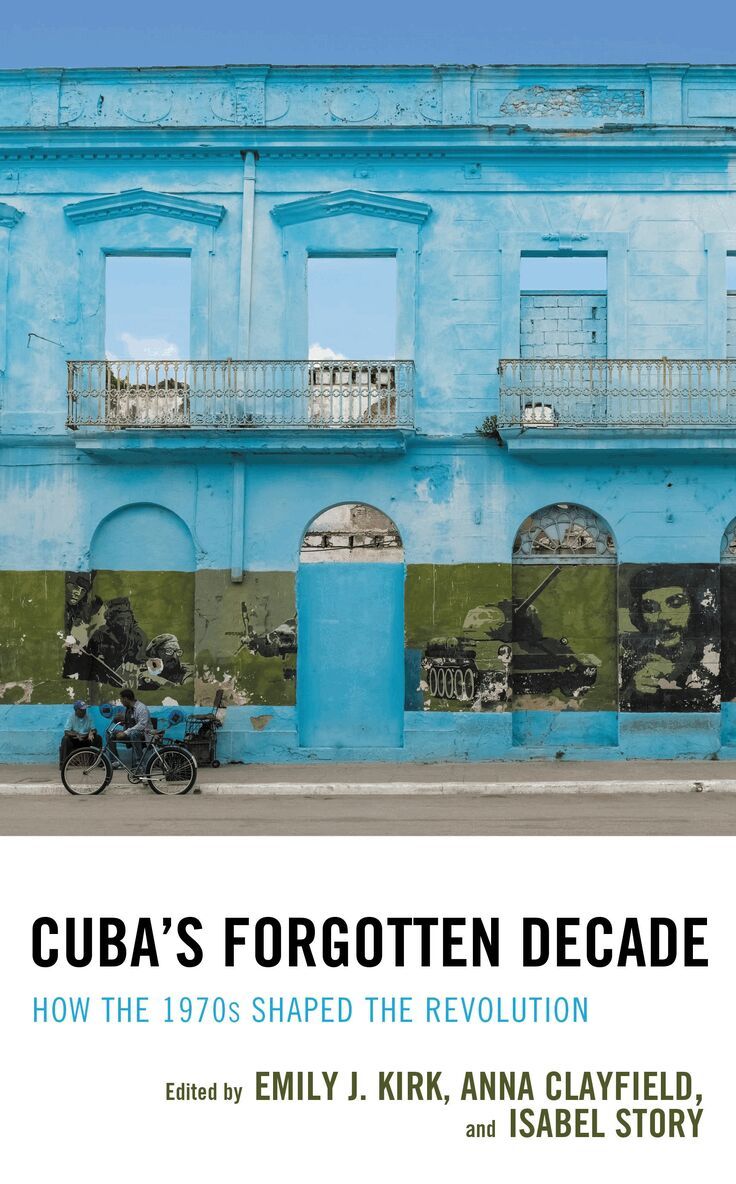
The 1970s have largely been overlooked in scholarly studies of the Cuban Revolution, or, at the very least, dismissed simply as a period of “Sovietization” characterized by widespread bureaucratization, institutionalization, and adherence to Soviet orthodoxy. Consequently, scant research exists that examines the major changes that took place across the decade and their role in determining the course of the Revolution. This book provides, for the first time, a comprehensive assessment of the 1970s which challenges prevailing interpretations. Drawing from multidisciplinary perspectives and exploring a range of areas—including politics, international relations, culture, education, and healthcare—its contributing authors demonstrate that the decade was a time of intense transformation which proved pivotal to the development of the Revolution. Indeed, many of the ideas, approaches, policies, and legislation developed and tested during the 1970s maintain a very visible legacy in contemporary Cuba. In highlighting the complexity of the 1970s, this volume ultimately aims to contribute to a greater understanding of the Cuban Revolution and how it chooses to face the challenges of the twenty-first century.
936 kr
Skickas inom 10-15 vardagar
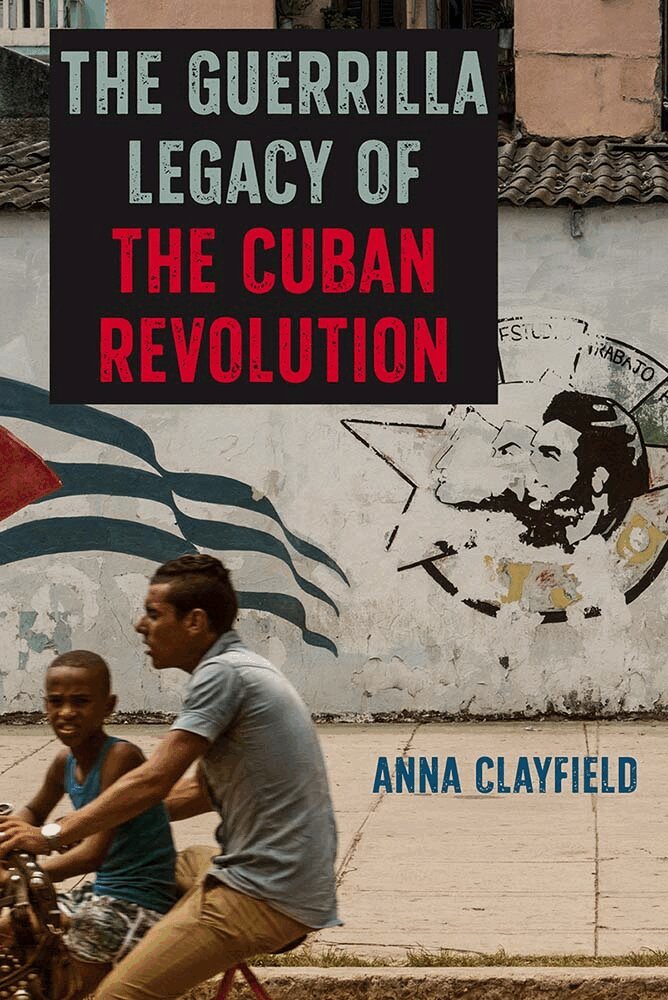
In this extensively researched book, Anna Clayfield challenges contemporary Western views on the militarization of Cuba. She argues that, while the pervasiveness of armed forces in revolutionary Cuba is hard to refute, it is the guerrilla legacy, ethos, and image?guerrillerismo?that has helped the Cuban revolutionary project survive. The veneration of the guerilla fighter has been crucial to the political culture’s underdog mentality. Analyzing official discourse, including newspapers, history textbooks, army training manuals, the writings of Che Guevara, and the speeches of Fidel Castro, Clayfield examines how the Cuban government has promoted guerrilla motifs. She traces this rhetorical strategy from the beginnings of the Rebel Army in the 1950s and the implementation of Soviet-style management in the 1960s and 1970s, through the shifting ideologies of the 1980s and the instability of the 1990s Special Period, until the present day. By weaving the guerilla ethos into the fabric of Cuban identity, the government has garnered legitimacy for the political authority of former guerrilleros, even decades after the end of armed conflicts. The Guerilla Legacy of the Cuban Revolution chronicles how guerrilla rhetoric has allowed the Revolution to adapt and transform over time while appearing to remain true to its founding principles. It also raises the question of just how long this discourse can sustain the Revolution when its leaders are no longer veterans of the sierra, those guerrillas who participated in that armed struggle that brought them to power so many years ago.
1 209 kr
Skickas inom 10-15 vardagar
As a result of climate change, ocean temperatures are warming and sea levels are rising. Natural disasters have been increasing in frequency and ferocity. Yet, over six decades, Cuba has developed a world-leading model for disaster preparedness and risk reduction. Disaster Preparedness and Climate Change in Cuba: Management and Adaptation discusses the island’s ongoing resilience against the impacts of climate change. Its commitment to disaster preparedness and management are lauded by international bodies, such as the United Nations and World Health Organization, and by governments from across the globe. Comprised of research from leading scholars, policy makers, and activists, this comprehensive, multidisciplinary analysis of Cuba’s model explores why Cuba’s approach to emergency disaster response is such a success and the aspects that make it so distinct, while also informing readers about the much-needed improvement of international approaches and policies. Scholars of communication, environmental studies, and Latin American studies will find this book particularly interesting.