Anna Frajlich – författare
Visar alla böcker från författaren Anna Frajlich. Handla med fri frakt och snabb leverans.
4 produkter
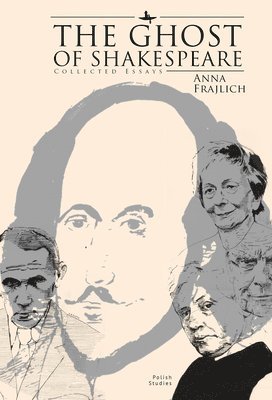
Ghost of Shakespeare
Collected Essays
Av Anna Frajlich, Ronald Meyer
Inbunden, 2020
1274 kr
Lägg i varukorg
This volume collects the critical prose of award-winning writer Anna Frajlich. The Ghost of Shakespeare takes its name from Frajlich’s essay on Nobel Prize laureate Wisława Szymborska, but informs her approach as a comparativist more generally as she considers the work of major Polish writers of …
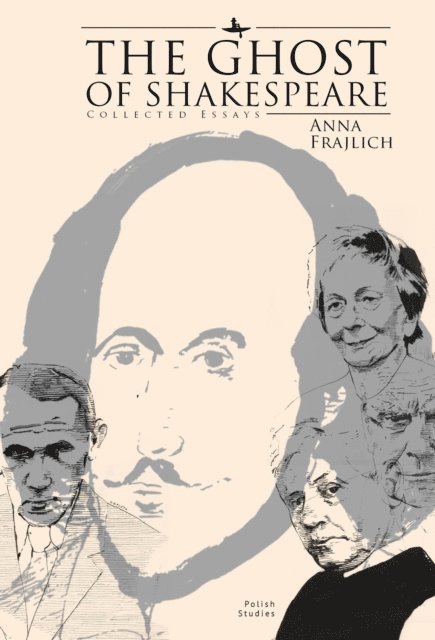
Ghost of Shakespeare
Collected Essays
Av Anna Frajlich, Ronald Meyer
E-bok, 2020
3186 kr
Lägg i varukorg
This volume collects the critical prose of award-winning writer Anna Frajlich. The Ghost of Shakespeare takes its name from Frajlich’s essay on Nobel Prize laureate Wisława Szymborska, but informs her approach as a comparativist more generally as she considers the work of major Polish writers of …
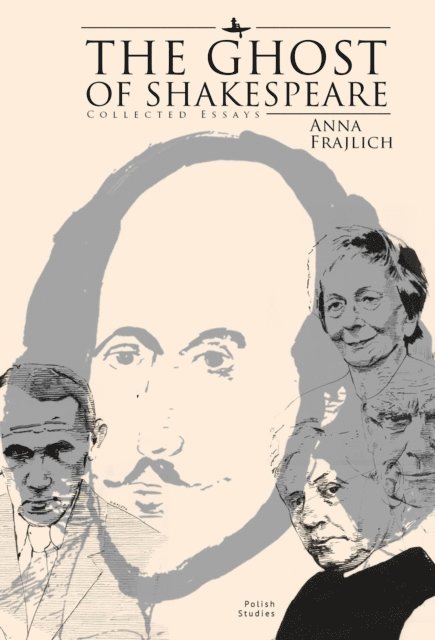
Ghost of Shakespeare
Collected Essays
Av Anna Frajlich, Ronald Meyer
E-bok, 2020
2967 kr
Lägg i varukorg
This volume collects the critical prose of award-winning writer Anna Frajlich. The Ghost of Shakespeare takes its name from Frajlich’s essay on Nobel Prize laureate Wisława Szymborska, but informs her approach as a comparativist more generally as she considers the work of major Polish writers of …
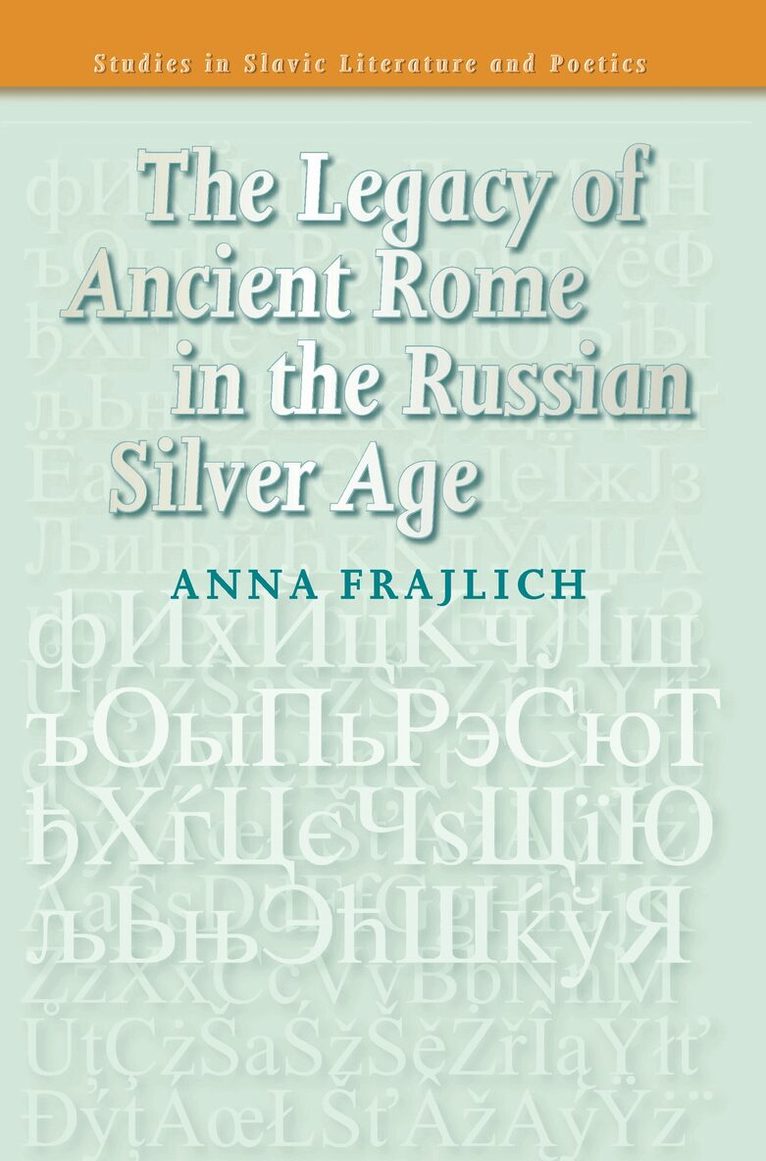
Legacy of Ancient Rome in the Russian Silver Age
Häftad, 2007
1315 kr
Lägg i varukorg
For poets throughout the world Rome was the world. This is particularly true for Russian poets, owing to the anagrammatical relation of the words Rome and mir (Rome and world). The legacy of ancient Rome has always constituted an important component of the Russian cultural consciousness. The …