Anna M. Cienciala – författare
Visar alla böcker från författaren Anna M. Cienciala. Handla med fri frakt och snabb leverans.
4 produkter
Katyn
A Crime Without Punishment
Av Wojciech Materski, Anna M. Cienciala m. fl.
Häftad, 2012
884 kr
Lägg i varukorg
The first collection of Russian documents in English on the Soviet massacre of Polish prisoners of war in 1940 and the fifty-year cover-up that followedThe 14,500 Polish army officers, police, gendarmes, and civilians taken prisoner by the Red Army when it invaded eastern Poland in September 1939 …
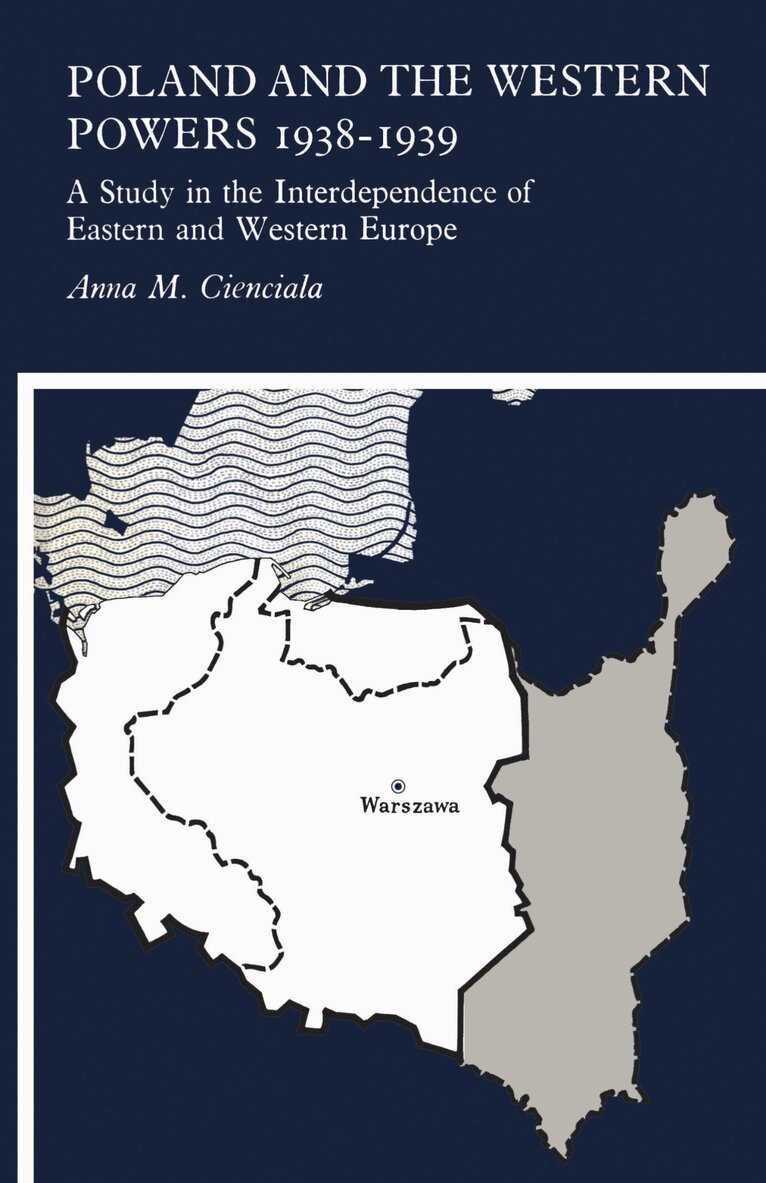
Poland and the Western Powers 1938-1938
A Study in the Interdependence of Eastern and Western Europe
Häftad, 1968
455 kr
Lägg i varukorg
This study has two objectives. The first is to explain the nature and historical roots of the problems facing Polish foreign policy in 1938–39 and the manner in which they were approached by the men who shaped and directed Polish diplomacy. The second is to illustrate the political interdependence …
Poland and the Western Powers 1938-1938
A Study in the Interdependence of Eastern and Western Europe
E-bok, 1968
521 kr
Lägg i varukorg
This study has two objectives. The first is to explain the nature and historical roots of the problems facing Polish foreign policy in 1938–39 and the manner in which they were approached by the men who shaped and directed Polish diplomacy. The second is to illustrate the political interdependence …
Poland and the Western Powers 1938-1938
A Study in the Interdependence of Eastern and Western Europe
E-bok, 1968
588 kr
Lägg i varukorg
This study has two objectives. The first is to explain the nature and historical roots of the problems facing Polish foreign policy in 1938–39 and the manner in which they were approached by the men who shaped and directed Polish diplomacy. The second is to illustrate the political interdependence …