Anna M. Grzymala-Busse - Böcker
Visar alla böcker från författaren Anna M. Grzymala-Busse. Handla med fri frakt och snabb leverans.
6 produkter
6 produkter
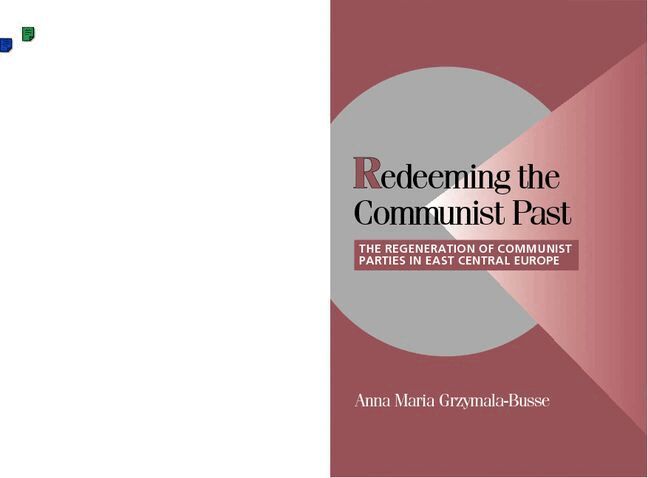
Redeeming the Communist Past
The Regeneration of Communist Parties in East Central Europe
Häftad, Engelska, 2002
409 kr
Skickas inom 7-10 vardagar
This major study examines one of the most surprising developments in East Central European politics after the democratic transitions of 1989: the completely unexpected regeneration of the former communist parties. After the collapse of the communist regimes in 1989, these ruling communist parties seemed consigned to oblivion. However, confounding scholarly and popular expectations, all of these parties survived. Some have even returned to power. This in-depth, comparative study systematically analyzes the trajectories of four cases: the Czech Republic, Slovakia, Poland, and Hungary (with additional examination of other communist party successors). Relying on extensive, and unprecedented, primary research, this analysis employs a consistent analytical framework that combines the peculiarities of the post-socialist cases with broad theoretical concerns of institutional analysis, democratic transitions and consolidation, and party politics.
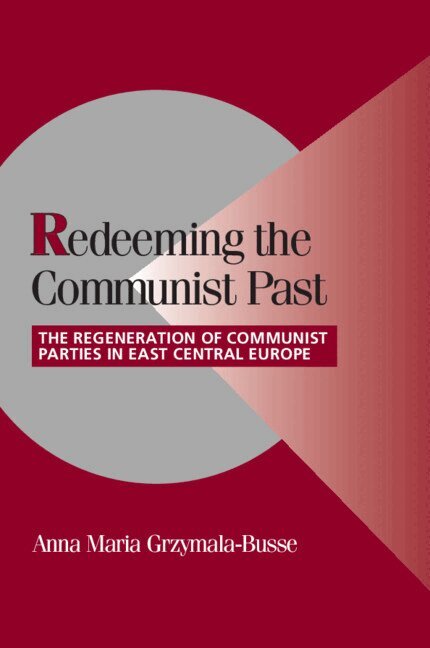
Redeeming the Communist Past
The Regeneration of Communist Parties in East Central Europe
Inbunden, Engelska, 2002
1 200 kr
Skickas inom 7-10 vardagar
This major study examines one of the most surprising developments in East Central European politics after the democratic transitions of 1989: the completely unexpected regeneration of the former communist parties. After the collapse of the communist regimes in 1989, these ruling communist parties seemed consigned to oblivion. However, confounding scholarly and popular expectations, all of these parties survived. Some have even returned to power. This in-depth, comparative study systematically analyzes the trajectories of four cases: the Czech Republic, Slovakia, Poland, and Hungary (with additional examination of other communist party successors). Relying on extensive, and unprecedented, primary research, this analysis employs a consistent analytical framework that combines the peculiarities of the post-socialist cases with broad theoretical concerns of institutional analysis, democratic transitions and consolidation, and party politics.
951 kr
Skickas inom 7-10 vardagar
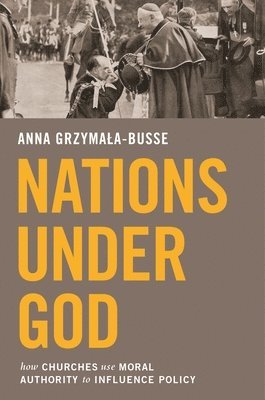
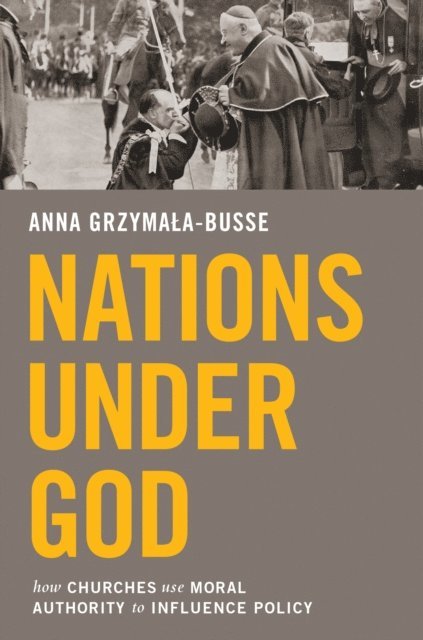
In some religious countries, churches have drafted constitutions, restricted abortion, and controlled education. In others, church influence on public policy is far weaker. Why? Nations under God argues that where religious and national identities have historically fused, churches gain enormous moral authority--and covert institutional access. These powerful churches then shape policy in backrooms and secret meetings instead of through open democratic channels such as political parties or the ballot box. Through an in-depth historical analysis of six Christian democracies that share similar religious profiles yet differ in their policy outcomes--Ireland and Italy, Poland and Croatia, and the United States and Canada--Anna Grzyma?a-Busse examines how churches influenced education, abortion, divorce, stem cell research, and same-sex marriage. She argues that churches gain the greatest political advantage when they appear to be above politics. Because institutional access is covert, they retain their moral authority and their reputation as defenders of the national interest and the common good.Nations under God shows how powerful church officials in Ireland, Canada, and Poland have directly written legislation, vetoed policies, and vetted high-ranking officials. It demonstrates that religiosity itself is not enough for churches to influence politics--churches in Italy and Croatia, for example, are not as influential as we might think--and that churches allied to political parties, such as in the United States, have less influence than their notoriety suggests.
298 kr
Skickas inom 7-10 vardagar
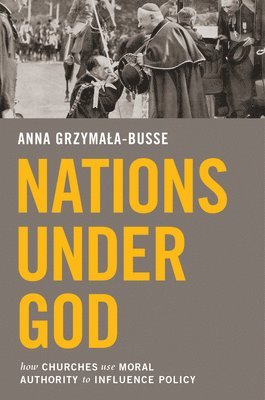
In some religious countries, churches have drafted constitutions, restricted abortion, and controlled education. In others, church influence on public policy is far weaker. Why? Nations under God argues that where religious and national identities have historically fused, churches gain enormous moral authority--and covert institutional access. These powerful churches then shape policy in backrooms and secret meetings instead of through open democratic channels such as political parties or the ballot box. Through an in-depth historical analysis of six Christian democracies that share similar religious profiles yet differ in their policy outcomes--Ireland and Italy, Poland and Croatia, and the United States and Canada--Anna Grzyma?a-Busse examines how churches influenced education, abortion, divorce, stem cell research, and same-sex marriage. She argues that churches gain the greatest political advantage when they appear to be above politics. Because institutional access is covert, they retain their moral authority and their reputation as defenders of the national interest and the common good.Nations under God shows how powerful church officials in Ireland, Canada, and Poland have directly written legislation, vetoed policies, and vetted high-ranking officials. It demonstrates that religiosity itself is not enough for churches to influence politics--churches in Italy and Croatia, for example, are not as influential as we might think--and that churches allied to political parties, such as in the United States, have less influence than their notoriety suggests.
793 kr
Skickas inom 7-10 vardagar
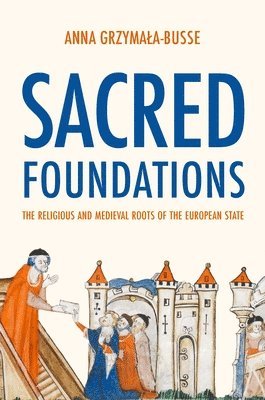
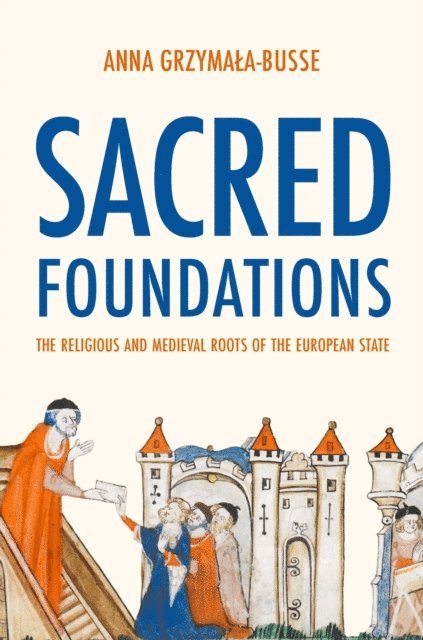
How the medieval church drove state formation in EuropeSacred Foundations argues that the medieval church was a fundamental force in European state formation. Existing accounts focus on early modern warfare or contracts between the rulers and the ruled. In contrast, this major study shows that the Catholic Church both competed with medieval monarchs and provided critical templates for governing institutions, the rule of law, and parliaments.The Catholic Church was the most powerful, wealthiest, and best-organized political actor in the Middle Ages. Starting in the eleventh century, the papacy fought for the autonomy of the church, challenging European rulers and then claiming authority over people, territory, and monarchs alike. Anna Grzymała-Busse demonstrates how the church shaped distinct aspects of the European state. Conflicts with the papacy fragmented territorial authority in Europe for centuries to come, propagating urban autonomy and ideas of sovereignty. Thanks to its organizational advantages and human capital, the church also developed the institutional precedents adopted by rulers across Europe—from chanceries and taxation to courts and councils. Church innovations made possible both the rule of law and parliamentary representation.Bringing to light a wealth of historical evidence about papal conflict, excommunications, and ecclesiastical institutions, Sacred Foundations reveals how the challenge and example of powerful religious authorities gave rise to secular state institutions and galvanized state capacity.
351 kr
Skickas inom 7-10 vardagar
How the medieval church drove state formation in EuropeSacred Foundations argues that the medieval church was a fundamental force in European state formation. Existing accounts focus on early modern warfare or contracts between the rulers and the ruled. In contrast, this major study shows that the Catholic Church both competed with medieval monarchs and provided critical templates for governing institutions, the rule of law, and parliaments.The Catholic Church was the most powerful, wealthiest, and best-organized political actor in the Middle Ages. Starting in the eleventh century, the papacy fought for the autonomy of the church, challenging European rulers and then claiming authority over people, territory, and monarchs alike. Anna Grzymała-Busse demonstrates how the church shaped distinct aspects of the European state. Conflicts with the papacy fragmented territorial authority in Europe for centuries to come, propagating urban autonomy and ideas of sovereignty. Thanks to its organizational advantages and human capital, the church also developed the institutional precedents adopted by rulers across Europe—from chanceries and taxation to courts and councils. Church innovations made possible both the rule of law and parliamentary representation.Bringing to light a wealth of historical evidence about papal conflict, excommunications, and ecclesiastical institutions, Sacred Foundations reveals how the challenge and example of powerful religious authorities gave rise to secular state institutions and galvanized state capacity.