Anne Bridges - Böcker
Visar alla böcker från författaren Anne Bridges. Handla med fri frakt och snabb leverans.
3 produkter
3 produkter
278 kr
Skickas inom 10-15 vardagar
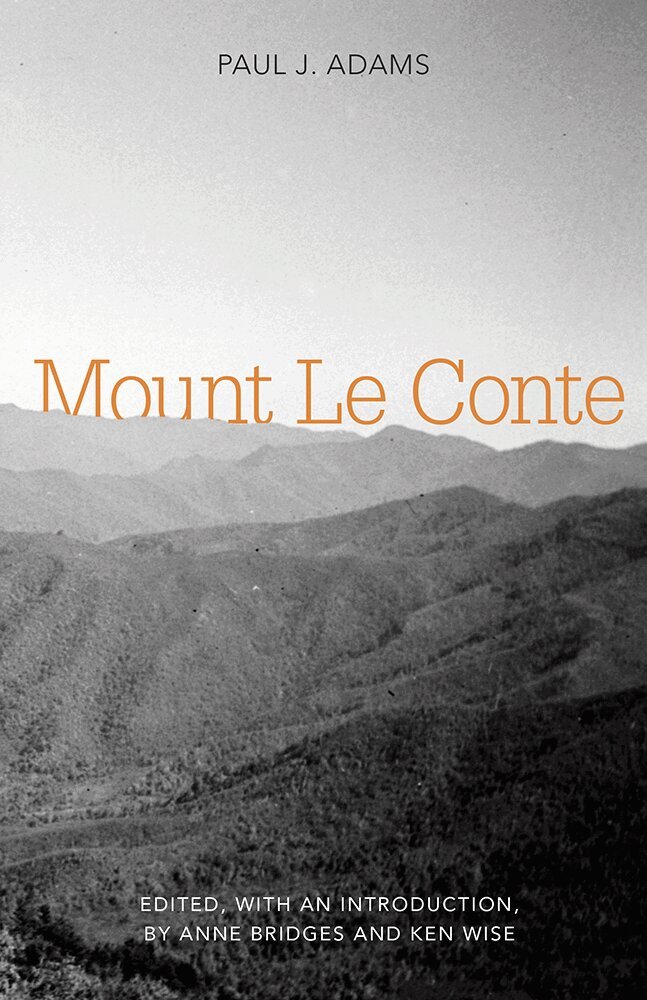
In print for the first time in fifty years, Mount Le Conte is a reissue of the important 1966 self-published memoir by Paul J. Adams (1901–1985), a well-known Tennessee naturalist and the first custodian of the Smoky Mountain’s majestic summit in the years before the area was declared a national park. Appointed custodian of Mount Le Conte in 1925 by the Great Smoky Mountains Conservation Association—the organization leading the national park efforts that would come to fruition in 1934—Adams went to work immediately and spent a year making the camp suitable for overnight visitors. Mount Le Conte, a massive mile-high formation extending five miles from the main divide of the Great Smoky Mountains, with its rugged landscapes, rushing streams, and fecund forests, was considered a prime showplace in efforts to establish the Smokies as a national park. In addition to an extensive introduction, the editors have augmented the original text of Mount Le Conte with several photographs and sketches gleaned from Adams’s personal papers, resulting in a fuller, more complete reconstruction of Adams’s role in establishing the camp that would later come to be known as Le Conte Lodge.An important source on the fascinating history of Mount Le Conte in the pre-Park era, this book is a companion to the recently published Smoky Jack: The Adventures of a Dog and his Master on Mount Le Conte (University of Tennessee Press, 2016).
278 kr
Skickas inom 10-15 vardagar
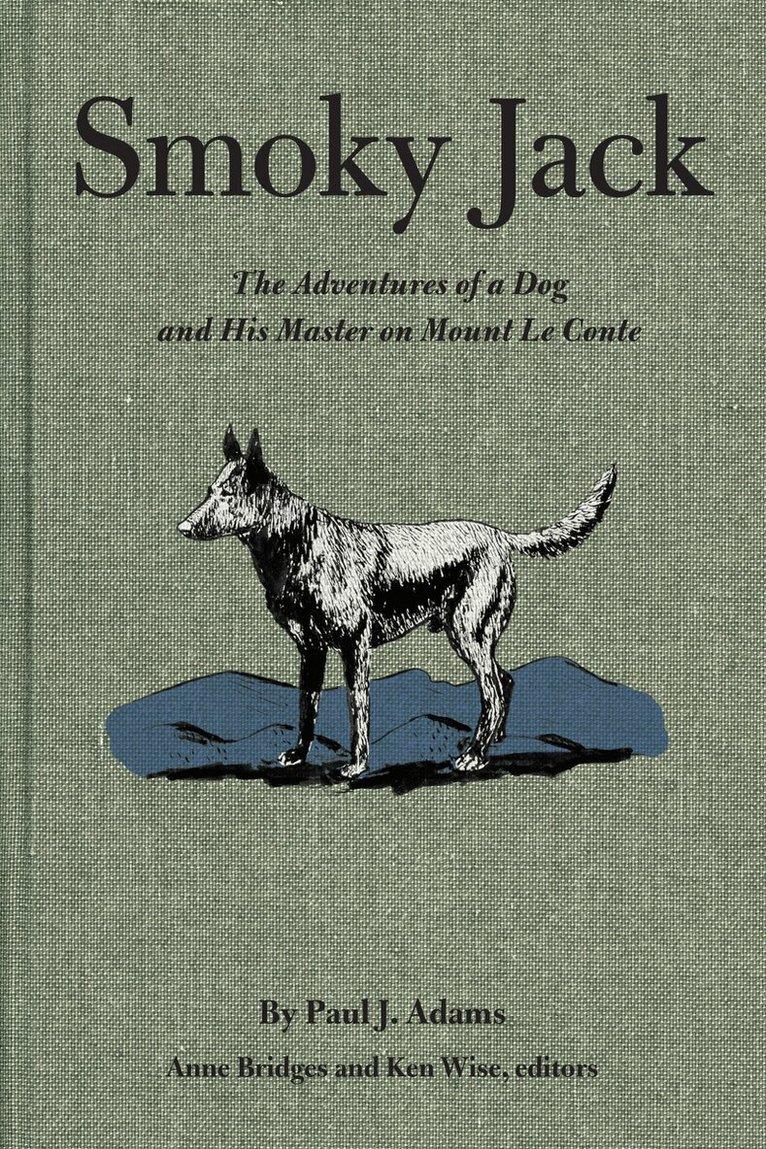
In 1925, Paul Adams was appointed custodian of Mount Le Conte, the third-highest peak of the Great Smoky Mountains National Park. His job was to welcome tourists, give guided tours, and establish a camp that would become known as LeConte Lodge, which still stands in what has become America’s most popular national park. Adams had everything he needed for the job: a passion for the outdoors, a love of hiking, a desire to preserve the native habitat while welcoming visitors, and the companionship of a remarkable dog.During his time on the mountains, Adams trained Smoky Jack to be a pack-dog–not just carrying supplies but actually making the four-hour trip to a store in Gatlinburg and back alone. Over the next nine months, Adams and his dog would become inseperable. Smoky Jack became his assistant, bodyguard, and best friend. Throughout Smoky Jack, readers will also gain a unique glimpse into the early days of the Great Smoky Mountains region during the decade before it was name a national park in 1934.Adams describes the trials and triumphs he and the indomitable German sherpherd faced as they exemplified the ancient relationship between man and dog on Mount Le Conte, building trails, guiding visitors, and making a life in nature. Paul Adams’s faithful Smoky Jack stays by his side until the end.
341 kr
Skickas inom 11-20 vardagar
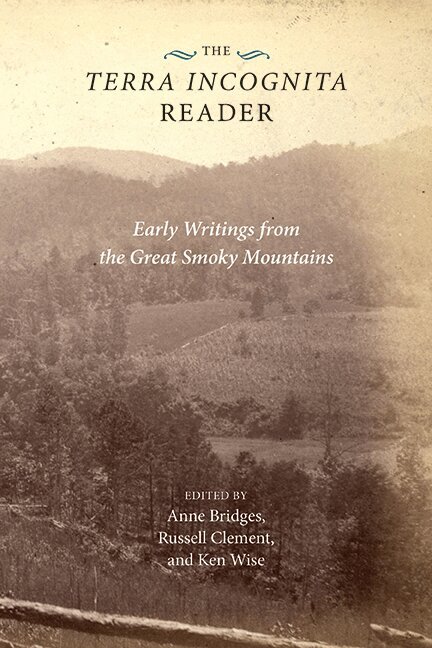
This reader is an essential companion to Terra Incognita: An Annotated Biography of the Great Smoky Mountains, 1544-1934 and represents a significant contribution to scholarship on the Smokies and the region at large. Anne Bridges, Ken Wise, and Russell Clement have selected some of the best pieces from a rich repository of literature written about the Smokies prior to the establishment of the Great Smoky Mountains National Park in 1934.Based on years of research, the diaries, memoirs, literature, and journalism collected here shed light on various historical and cultural aspects of the Great Smokies, from Smoky Mountain folkways and religion, to the Civil War era and the Cherokee Indians. All together, the writings pay tribute to the diverse inhabitants of the Great Smoky Mountains.Each section gathers writings under a single topic heading and progresses chronologically. The readings can thus be taken to document the slow progression of change up until the eve of the large-scale disruptions that would be wrought by the establishment of the Great Smoky Mountains National Park in 1934. This reader represents a significant contribution to scholarship on the Smokies and the region at large.