Anne Pirrie - Böcker
Visar alla böcker från författaren Anne Pirrie. Handla med fri frakt och snabb leverans.
3 produkter
3 produkter
560 kr
Skickas inom 10-15 vardagar
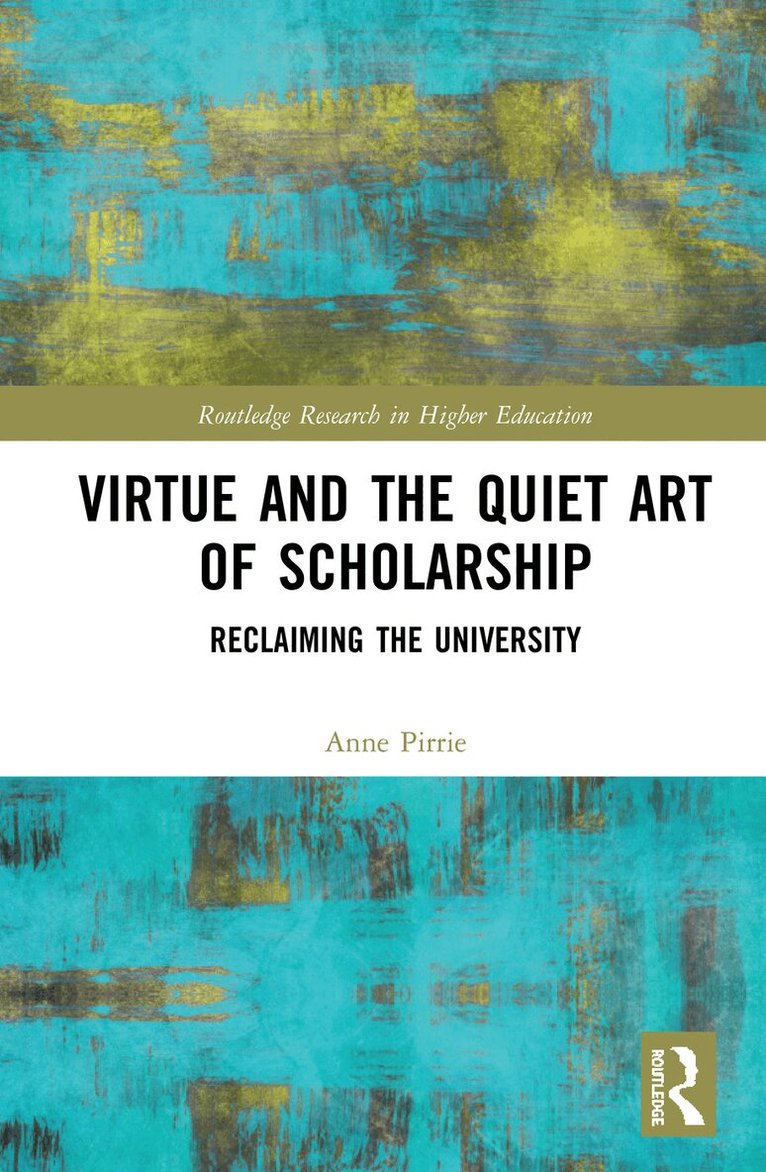
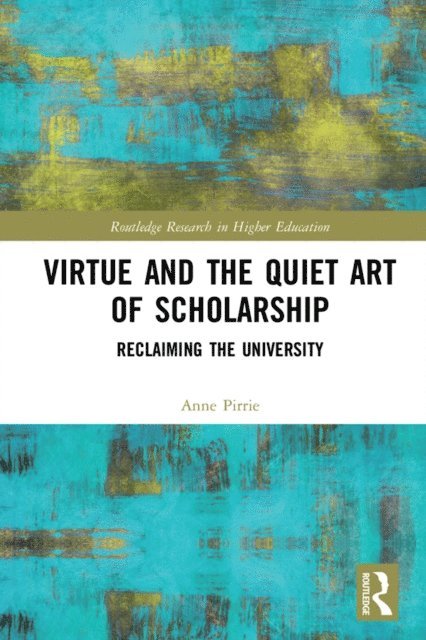
Virtue and the Quiet Art of Scholarship offers a fresh perspective on what it is to be a ‘good knower’ in a social and educational environment dominated by the market order. It explores how narrowly conceived epistemic virtues might be broadened out by seeing those who work and study in the university in their full humanity. In an era characterized by deep and enduring social and cultural divisions, it offers a timely, accessible and critical perspective on the perils of retreating behind disciplinary boundaries, reminding readers of the need to remain open to the other in a time of increased social and political polarization.Drawing on the work of Leonard Cohen, Ali Smith, Italo Calvino and Raymond Carver, the book seeks to move across disciplines and distort the line between the humanities and the social sciences as a way of bringing them closer together. It explores virtue in the context of scholarship and research, particularly how the ‘virtues of unknowing’ challenge traditional notions of the ‘good knower’. The book offers the framework within which to bridge the gap between ‘us’ and ‘them’ in relation to developments in the university sector, addressing the urgent need for a form of language that promotes unity over division.Virtue and the Quiet Art of Scholarship will be vital reading for academics, researchers and postgraduate students in the fields of philosophy of education, sociology of education, research methods in education and education policy.
2 030 kr
Skickas inom 10-15 vardagar
Virtue and the Quiet Art of Scholarship offers a fresh perspective on what it is to be a ‘good knower’ in a social and educational environment dominated by the market order. It explores how narrowly conceived epistemic virtues might be broadened out by seeing those who work and study in the university in their full humanity. In an era characterized by deep and enduring social and cultural divisions, it offers a timely, accessible and critical perspective on the perils of retreating behind disciplinary boundaries, reminding readers of the need to remain open to the other in a time of increased social and political polarization.Drawing on the work of Leonard Cohen, Ali Smith, Italo Calvino and Raymond Carver, the book seeks to move across disciplines and distort the line between the humanities and the social sciences as a way of bringing them closer together. It explores virtue in the context of scholarship and research, particularly how the ‘virtues of unknowing’ challenge traditional notions of the ‘good knower’. The book offers the framework within which to bridge the gap between ‘us’ and ‘them’ in relation to developments in the university sector, addressing the urgent need for a form of language that promotes unity over division.Virtue and the Quiet Art of Scholarship will be vital reading for academics, researchers and postgraduate students in the fields of philosophy of education, sociology of education, research methods in education and education policy.
1 446 kr
Kommande
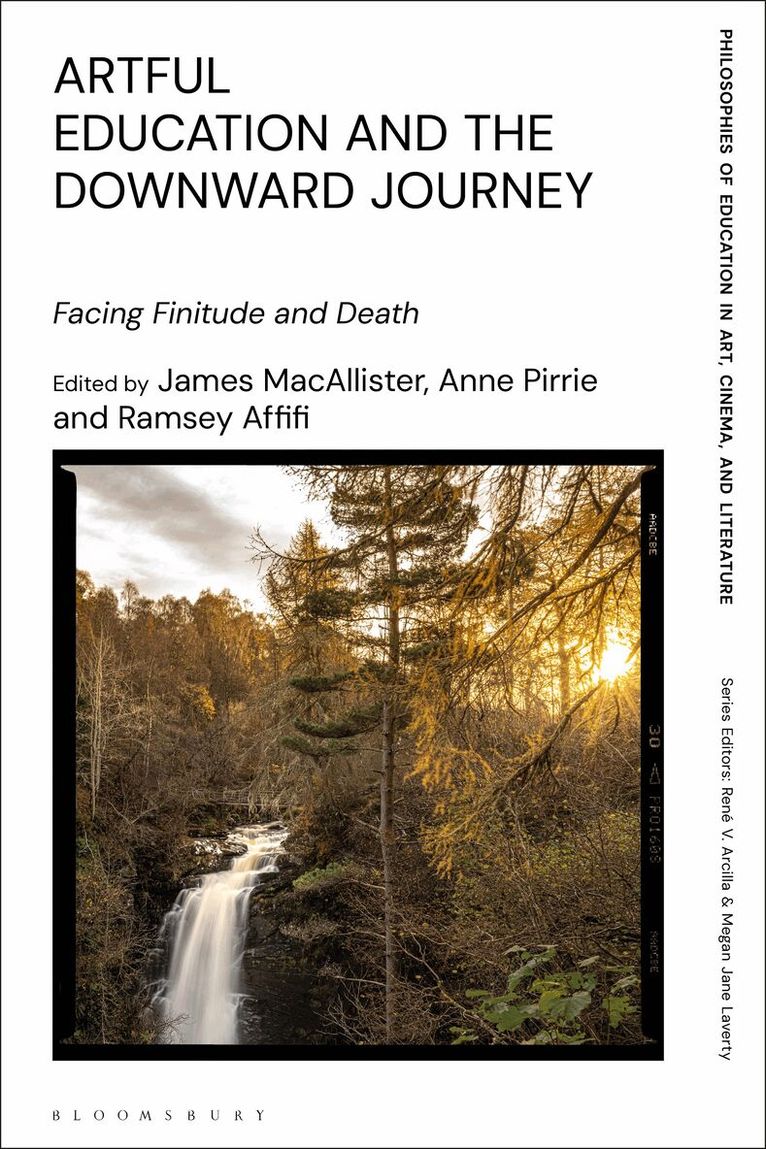
This book considers whether and how various philosophies, practices and artworks might help people face, and give new faces to, finitude. Formal education typically emphasizes the journey upward, with ascending and healthy aspects of life like growth and flourishing being common educational aims. However, life also involves downward journeys of illness, decay and death. Written by contributors based in the UK and beyond, it explores the educational potential in a range of spiritual and social practices as well as from cinema and literature that engage with downward journeys. The chapters cover written works by E.M. Forster, Hume, Nietzsche, and Robert Louis Stevenson; films such as Des Hommes et des Dieux and Arrival, Living and My Life Without Me; and social practices and rituals including football. The authors argue that some artworks frame or narrate descent in ways that can educate audiences and reveal the folly in beating wings only upward. Downward journeys show falling or failing and fear of the suffocating dark unknown; but they may also provide glimmers of light, hope and amusement. Education full of art and artistry can prepare us to rise and fall, and rise and fall again, not simply to solve or heal, but to be present to what finitude teaches.