Anthony Adamthwaite - Böcker
Visar alla böcker från författaren Anthony Adamthwaite. Handla med fri frakt och snabb leverans.
5 produkter
5 produkter
497 kr
Skickas inom 10-15 vardagar
First published in 1977, France and the Coming of the Second World War investigates the policies that led to the collapse of French power. The book argues that this collapse was the result of social, political, and economic troubles that buffeted French leaders. It uses a wealth of documents to explore common debates, such as Britain’s culpability for France’s inability to prevent Germany’s reoccupation of the Rhineland. It also puts forward the threat of Italy and the Mediterranean as France’s main preoccupation, rather than Germany and central Europe. France and the Coming of the Second World War uses an extensive range of archival material and includes the private papers of Daladier, Bonnet, and a number of other prominent figures. It will appeal to those with an interest in the history of the Second World War, political history, and social history.

2 176 kr
Skickas inom 10-15 vardagar
First published in 1977, France and the Coming of the Second World War investigates the policies that led to the collapse of French power. The book argues that this collapse was the result of social, political, and economic troubles that buffeted French leaders. It uses a wealth of documents to explore common debates, such as Britain’s culpability for France’s inability to prevent Germany’s reoccupation of the Rhineland. It also puts forward the threat of Italy and the Mediterranean as France’s main preoccupation, rather than Germany and central Europe. France and the Coming of the Second World War uses an extensive range of archival material and includes the private papers of Daladier, Bonnet, and a number of other prominent figures. It will appeal to those with an interest in the history of the Second World War, political history, and social history.
494 kr
Skickas inom 5-8 vardagar
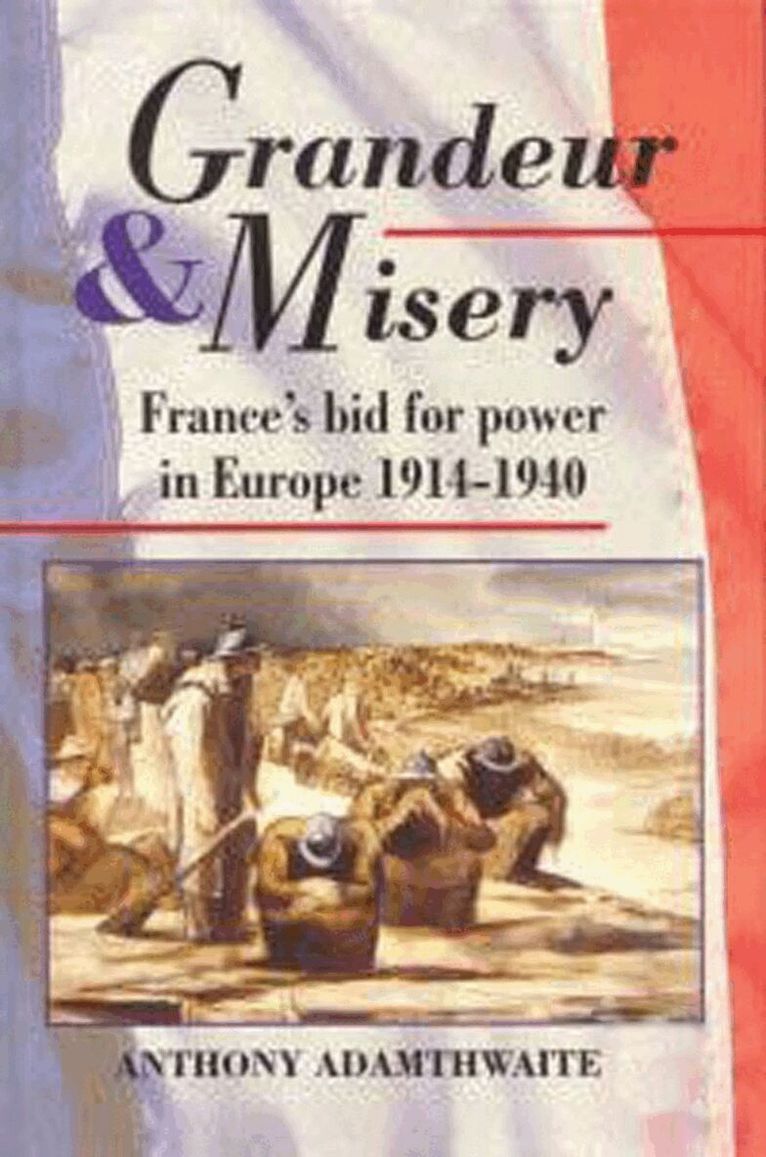
A central question in European history is how did a great power pre-eminent in 1918 lie defeated by the same enemy less than twenty years later. Until recently the explanation has been sought in fundamental weaknesses that could only leave the French of 1940 hamstrung and demoralized. Recent studies have challenged that view and now, for the first time, the revisionist approach is displayed in a single volume, both summarizing the research of others and drawing on the author's own work in the archives. The book is about as far from 'dry as dust' diplomatic history as it's possible to get. Its very readable and the author manages to show with the telling anecdote that even a serious subject has its comic side: that, for instance, the French High Command kept forces stationed in the Alps for seven years because no one in the foreign service had thought to pass on news about a secret treaty between Italy and France in 1902; or that after a particularly stressful meeting Andrew Bonar Law, the British prime minister, mouth to Poincare, the French president, through the closed carriage window of his train 'and you go to hell', all the while smiling and exuding affability.Such episodes are not the substance of the book, but they oil its progress.
447 kr
Skickas inom 10-15 vardagar
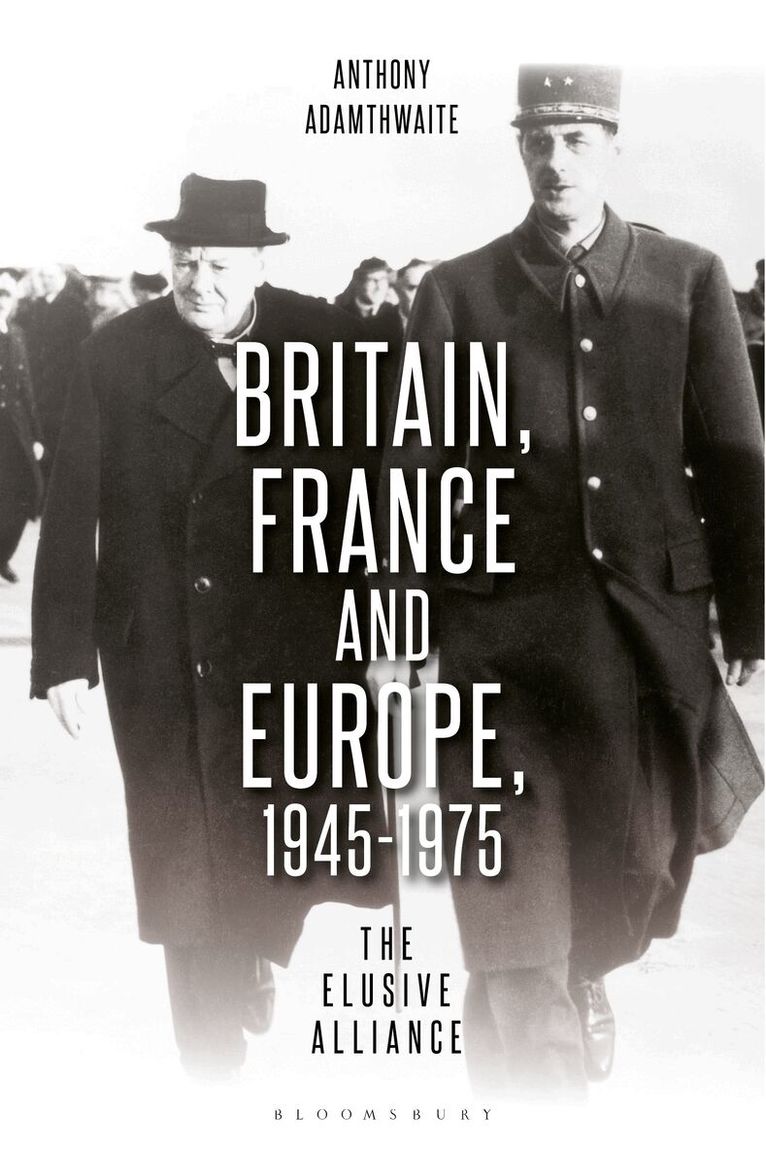
Britain, France and Europe, 1945-1975 takes a fresh look at the international trajectories of Europe’s premier democracies. The side-lining of Britain and France in the Cold War era, argues Adamthwaite, was preventable. A Franco-British Europe came within a whisker of realization. Condemning President Charles de Gaulle as an intransigent gatekeeper created a convenient alibi for self-inflicted missteps. UK bids for European Community membership ignored the elephant in the room - the need for partnership in a superpower age. A marriage powering the Community could have repositioned Western Europe as partner, not client of the United States.Although perceived as a failing power, France outperformed Britain - seizing the initiative in European construction, and winning primacy in western Europe. As well as exploring sharply contrasting national experiences in the aftermath of war, the author analyses the reasons for French success. The analysis evaluates key influences: the mental maps of decision makers; leadership styles; the post-1945 international system; policy making machinery; the ‘democratic deficit’ in British and French politics; and public opinion.Drawing on American, British and French official records, together with private papers and interviews, this enlightening study highlights the importance of contingency and individual actors, and will be of great interest to scholars of modern European history.
1 520 kr
Skickas inom 10-15 vardagar
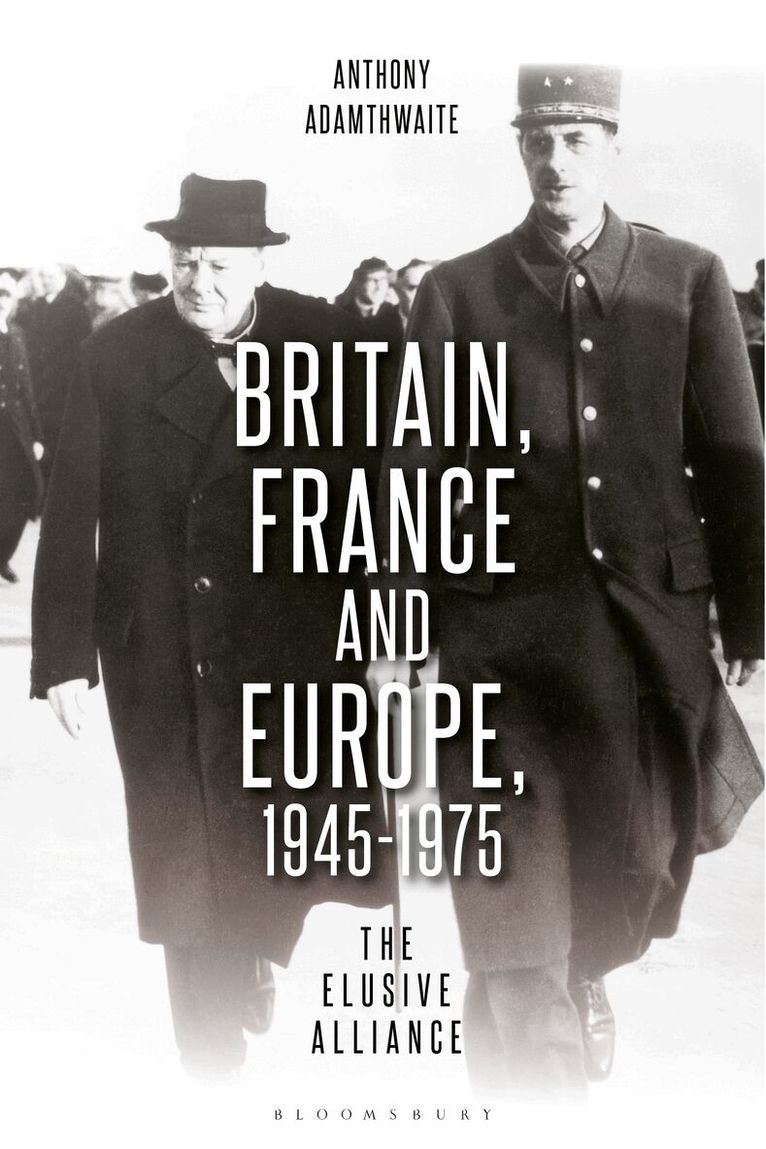
Britain, France and Europe, 1945-1975 takes a fresh look at the international trajectories of Europe’s premier democracies. The side-lining of Britain and France in the Cold War era, argues Adamthwaite, was preventable. A Franco-British Europe came within a whisker of realization. Condemning President Charles de Gaulle as an intransigent gatekeeper created a convenient alibi for self-inflicted missteps. UK bids for European Community membership ignored the elephant in the room - the need for partnership in a superpower age. A marriage powering the Community could have repositioned Western Europe as partner, not client of the United States.Although perceived as a failing power, France outperformed Britain - seizing the initiative in European construction, and winning primacy in western Europe. As well as exploring sharply contrasting national experiences in the aftermath of war, the author analyses the reasons for French success. The analysis evaluates key influences: the mental maps of decision makers; leadership styles; the post-1945 international system; policy making machinery; the ‘democratic deficit’ in British and French politics; and public opinion.Drawing on American, British and French official records, together with private papers and interviews, this enlightening study highlights the importance of contingency and individual actors, and will be of great interest to scholars of modern European history.