Anthony Chemero - Böcker
Visar alla böcker från författaren Anthony Chemero. Handla med fri frakt och snabb leverans.
7 produkter
7 produkter
924 kr
Skickas inom 7-10 vardagar
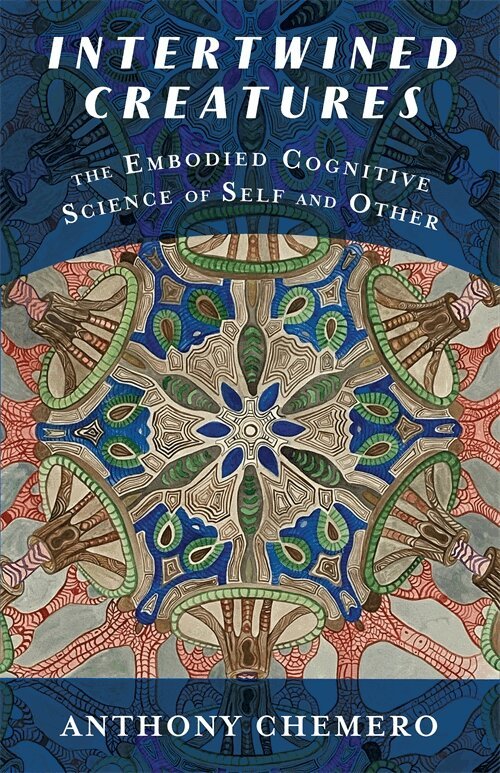
In one common view, the mind is immaterial, internal, and invisible. From this perspective, the mind is inherently individual and isolated: It is unknowable from the outside, separated from the world and from other minds. Anthony Chemero—both a philosopher and a cognitive scientist—offers a powerful challenge to this theory of mind. Bringing together philosophical insight and empirical data, he develops a new understanding of the mind that centers embodiment and social interaction.According to Chemero, the mind is intertwined with the world: It depends on the body, the surrounding environment, and the people with whom an individual interacts. He shows that cutting-edge research in cognitive science provides striking experimental evidence for this concept of the intertwined self. Chemero explores the philosophical, moral, and political implications of the claim that the self is necessarily interwoven with the world and with others, drawing connections to phenomenology, critical theory, and feminist political theory. Deeply interdisciplinary and engagingly written, Intertwined Creatures makes an urgent case for seeing the self as social—especially in the age of AI—with radical consequences for ethics and politics.
236 kr
Skickas inom 7-10 vardagar
In one common view, the mind is immaterial, internal, and invisible. From this perspective, the mind is inherently individual and isolated: It is unknowable from the outside, separated from the world and from other minds. Anthony Chemero—both a philosopher and a cognitive scientist—offers a powerful challenge to this theory of mind. Bringing together philosophical insight and empirical data, he develops a new understanding of the mind that centers embodiment and social interaction.According to Chemero, the mind is intertwined with the world: It depends on the body, the surrounding environment, and the people with whom an individual interacts. He shows that cutting-edge research in cognitive science provides striking experimental evidence for this concept of the intertwined self. Chemero explores the philosophical, moral, and political implications of the claim that the self is necessarily interwoven with the world and with others, drawing connections to phenomenology, critical theory, and feminist political theory. Deeply interdisciplinary and engagingly written, Intertwined Creatures makes an urgent case for seeing the self as social—especially in the age of AI—with radical consequences for ethics and politics.
551 kr
Skickas inom 3-6 vardagar
748 kr
Kommande
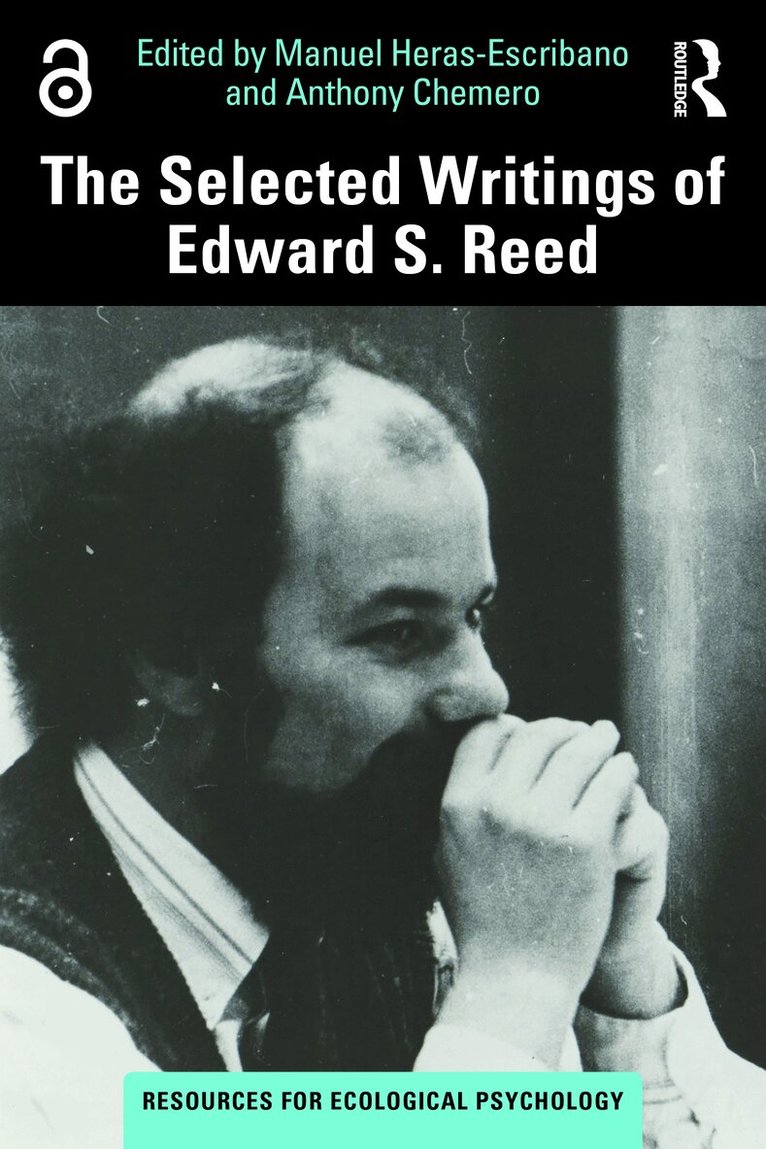
The Selected Writings of Edward S. Reed brings to light the groundbreaking contributions of one of the most original thinkers in ecological psychology and philosophy of mind.This volume offers readers a rare opportunity to engage with the depth and breadth of Reed’s theoretical insights. Edward S. Reed (1954–1997) was a thinker whose work forged a path for the integration of ecological psychology with philosophy, evolutionary theory, and political thought. Reed’s unique synthesis of James Gibson’s ecological approach with Darwinian and pragmatist perspectives yielded a philosophy of perception and action that was both radical and empirically grounded. Despite his untimely death, Reed left behind a body of work that continues to challenge conventional views in psychology and the cognitive sciences. This book includes Reed’s key published writings, complemented by previously unpublished manuscripts that reveal his intellectual development and expanding concerns. The editors have also compiled a series of remembrances written by prominent ecological psychologists and his family, who reflect on Reed’s impact, both personal and professional, and inside and outside ecological psychology.As the fields of the philosophy of mind and the cognitive sciences increasingly turns toward embodied and situated approaches, Reed’s ideas emerge as strikingly prescient. His integration of ecological psychology with philosophical rigor and socio-political awareness makes his work more relevant today than ever. This collection not only honors Reed’s memory but also reintroduces his voice into contemporary conversations where it is sorely needed.
2 258 kr
Kommande
The Selected Writings of Edward S. Reed brings to light the groundbreaking contributions of one of the most original thinkers in ecological psychology and philosophy of mind.This volume offers readers a rare opportunity to engage with the depth and breadth of Reed’s theoretical insights. Edward S. Reed (1954–1997) was a thinker whose work forged a path for the integration of ecological psychology with philosophy, evolutionary theory, and political thought. Reed’s unique synthesis of James Gibson’s ecological approach with Darwinian and pragmatist perspectives yielded a philosophy of perception and action that was both radical and empirically grounded. Despite his untimely death, Reed left behind a body of work that continues to challenge conventional views in psychology and the cognitive sciences. This book includes Reed’s key published writings, complemented by previously unpublished manuscripts that reveal his intellectual development and expanding concerns. The editors have also compiled a series of remembrances written by prominent ecological psychologists and his family, who reflect on Reed’s impact, both personal and professional, and inside and outside ecological psychology.As the fields of the philosophy of mind and the cognitive sciences increasingly turns toward embodied and situated approaches, Reed’s ideas emerge as strikingly prescient. His integration of ecological psychology with philosophical rigor and socio-political awareness makes his work more relevant today than ever. This collection not only honors Reed’s memory but also reintroduces his voice into contemporary conversations where it is sorely needed.
737 kr
Skickas inom 7-10 vardagar
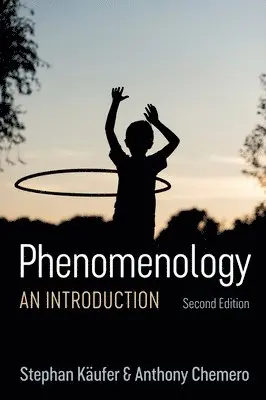
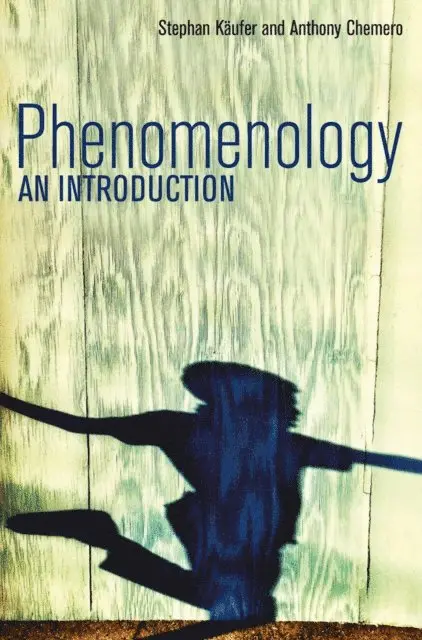
A classic in its field, this comprehensive book introduces the core history of phenomenology and assesses its relevance to contemporary psychology, philosophy of mind, and cognitive science. It provides a jargon-free explanation of central themes in the works of Husserl, Heidegger, Sartre, and Merleau-Ponty. From artificial intelligence to embodiment and enactivism, Käufer and Chemero go on to trace how phenomenology has produced a valuable framework for analyzing cognition and perception, whose impact on contemporary psychological and scientific research, and philosophical debates, continues to grow.New to this second edition are a treatment of nineteenth-century precursors of experimental psychology; a detailed exploration of Husserl's analysis of the body; and a discussion of the work of Aron Gurwitsch and other philosophers and psychologists who explored the intersection of phenomenology and Gestalt psychology. The new material also includes an expanded consideration of enactivism, and an up-to-date examination of current work in phenomenologically informed cognitive science.This is an ideal introduction to phenomenology and cognitive science for the uninitiated, and will shed new light on the topic for experienced readers, showing clearly the contemporary relevance and influence of phenomenological ideas.
244 kr
Skickas inom 7-10 vardagar
A classic in its field, this comprehensive book introduces the core history of phenomenology and assesses its relevance to contemporary psychology, philosophy of mind, and cognitive science. It provides a jargon-free explanation of central themes in the works of Husserl, Heidegger, Sartre, and Merleau-Ponty. From artificial intelligence to embodiment and enactivism, Käufer and Chemero go on to trace how phenomenology has produced a valuable framework for analyzing cognition and perception, whose impact on contemporary psychological and scientific research, and philosophical debates, continues to grow.New to this second edition are a treatment of nineteenth-century precursors of experimental psychology; a detailed exploration of Husserl's analysis of the body; and a discussion of the work of Aron Gurwitsch and other philosophers and psychologists who explored the intersection of phenomenology and Gestalt psychology. The new material also includes an expanded consideration of enactivism, and an up-to-date examination of current work in phenomenologically informed cognitive science.This is an ideal introduction to phenomenology and cognitive science for the uninitiated, and will shed new light on the topic for experienced readers, showing clearly the contemporary relevance and influence of phenomenological ideas.