Anthony D. Wright - Böcker
Visar alla böcker från författaren Anthony D. Wright. Handla med fri frakt och snabb leverans.
3 produkter
3 produkter
2 103 kr
Skickas inom 10-15 vardagar
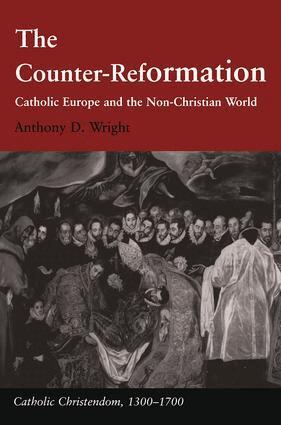
Modern scholarship has effectively demonstrated that, far from being a knee-jerk reaction to the challenges of Protestantism, the Catholic Reformation of the sixteenth and seventeenth centuries was fuelled primarily by a desire within the Church to reform its medieval legacy and to re-enthuse its institutions with a sense of religious zeal. In many ways, both the Protestant and Catholic Reformations were inspired by the same humanist ideals and though ultimately expressed in different ways, the origins of both movements can be traced back to the patristic revival of the fifteenth and sixteenth centuries. Nevertheless, it is undeniable that many contemporaries, and subsequent historians, came to view the Catholic Reformation as an attempt to challenge the Protestants and to cut the ground from beneath their feet. In this new revised edition of Dr Wright's groundbreaking study of the Counter-Reformation, the wide panoply of the Catholic Reformation is spread out and analysed within the political, religious, philosophical, scientific and cultural context of late medieval and early modern Europe. In so doing, this book provides a fascinating guide to the many doctrinal and interrelated social issues involved in the wholesale restructuring of religion that took place both within Western Europe and overseas.
561 kr
Skickas inom 10-15 vardagar
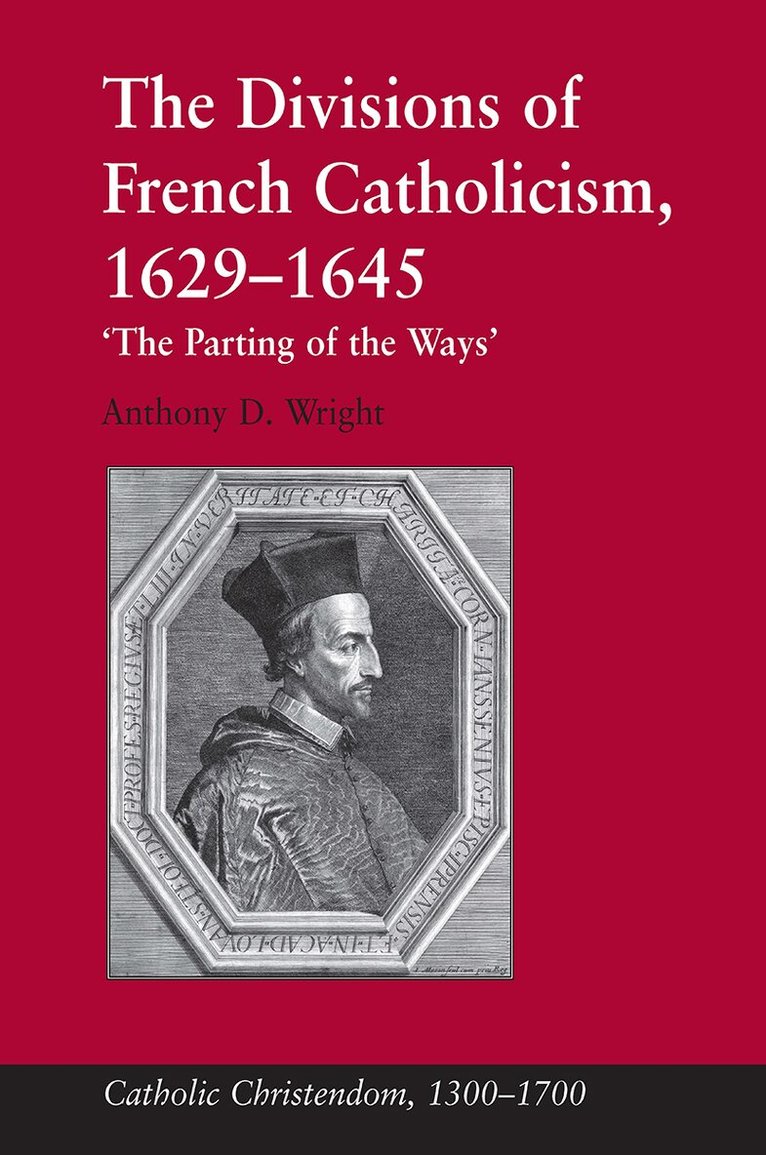
For much of the sixteenth-century, France was wracked with religious strife, as the Wars of Religion pitted Catholic against Protestant. Whilst the conversion of Henri IV to Catholicism ended much of the conflict, the ensuing peace highlighted the fractious nature of French Catholicism and the many competing threads that ran through it. This book investigates the gradual division of the French Catholic reform movement, often associated with those known as the 'devots' during the first half of the seventeenth century. Such division, it is argued, was emerging before the publication in France (1641) of the posthumous 'Augustinus' of Jansenius, not simply as a sequel to that. Those who were already distinguishing themselves from other 'devots' before that date were thus not yet identifiable as 'Jansenists'. Rather, the initial defining sentiment was increasing French hostility towards Jesuit involvement in Catholic Reform, both at home and abroad. Drawing on sources from the Jesuit archives in Rome and on Port-Royal material in Paris, the book begins with an investigation into the development of Catholic Reform in France, showing the problems that emerged before 1629 and the degree to which these were or were not resolved. The second half of the book contrasts the fragmentation of the movement in the years beyond 1629, and the context of Richelieu's new directions in French foreign policy. Covering a crucial period in the lead up to the establishment of an absolute monarchy in France, this book provides a rich new explanation of the development of French political and ecclesiastical history. It will be of interest not only to those studying the early modern period, but to anyone wishing to understand the roots of French secular society.
2 171 kr
Skickas inom 10-15 vardagar
For much of the sixteenth-century, France was wracked with religious strife, as the Wars of Religion pitted Catholic against Protestant. Whilst the conversion of Henri IV to Catholicism ended much of the conflict, the ensuing peace highlighted the fractious nature of French Catholicism and the many competing threads that ran through it. This book investigates the gradual division of the French Catholic reform movement, often associated with those known as the 'devots' during the first half of the seventeenth century. Such division, it is argued, was emerging before the publication in France (1641) of the posthumous 'Augustinus' of Jansenius, not simply as a sequel to that. Those who were already distinguishing themselves from other 'devots' before that date were thus not yet identifiable as 'Jansenists'. Rather, the initial defining sentiment was increasing French hostility towards Jesuit involvement in Catholic Reform, both at home and abroad. Drawing on sources from the Jesuit archives in Rome and on Port-Royal material in Paris, the book begins with an investigation into the development of Catholic Reform in France, showing the problems that emerged before 1629 and the degree to which these were or were not resolved. The second half of the book contrasts the fragmentation of the movement in the years beyond 1629, and the context of Richelieu's new directions in French foreign policy. Covering a crucial period in the lead up to the establishment of an absolute monarchy in France, this book provides a rich new explanation of the development of French political and ecclesiastical history. It will be of interest not only to those studying the early modern period, but to anyone wishing to understand the roots of French secular society.