Anthony Dawson - Böcker
Visar alla böcker från författaren Anthony Dawson. Handla med fri frakt och snabb leverans.
23 produkter
23 produkter
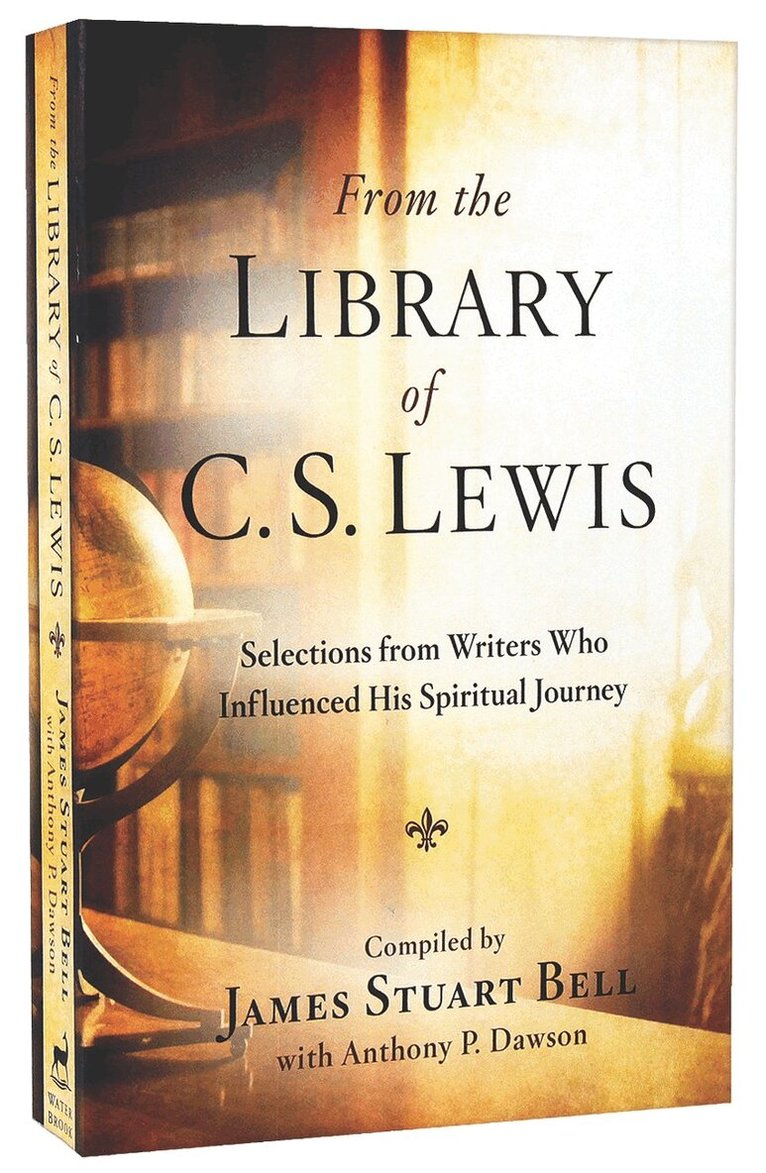
From the Library of C S Lewis: Selections from Writers who Influenced His Spiritual Journey
Selections from Writers who Influenced His Spiritual Journey
Häftad, Engelska, 2012
243 kr
Skickas inom 5-8 vardagar
168 kr
Skickas
Links acting traditions with cultural milieu.. No other book on Hamlet on the stage covers as much theoretical ground.. Covers a number of foreign productions and pays much attention to the role of scenography .
178 kr
Skickas
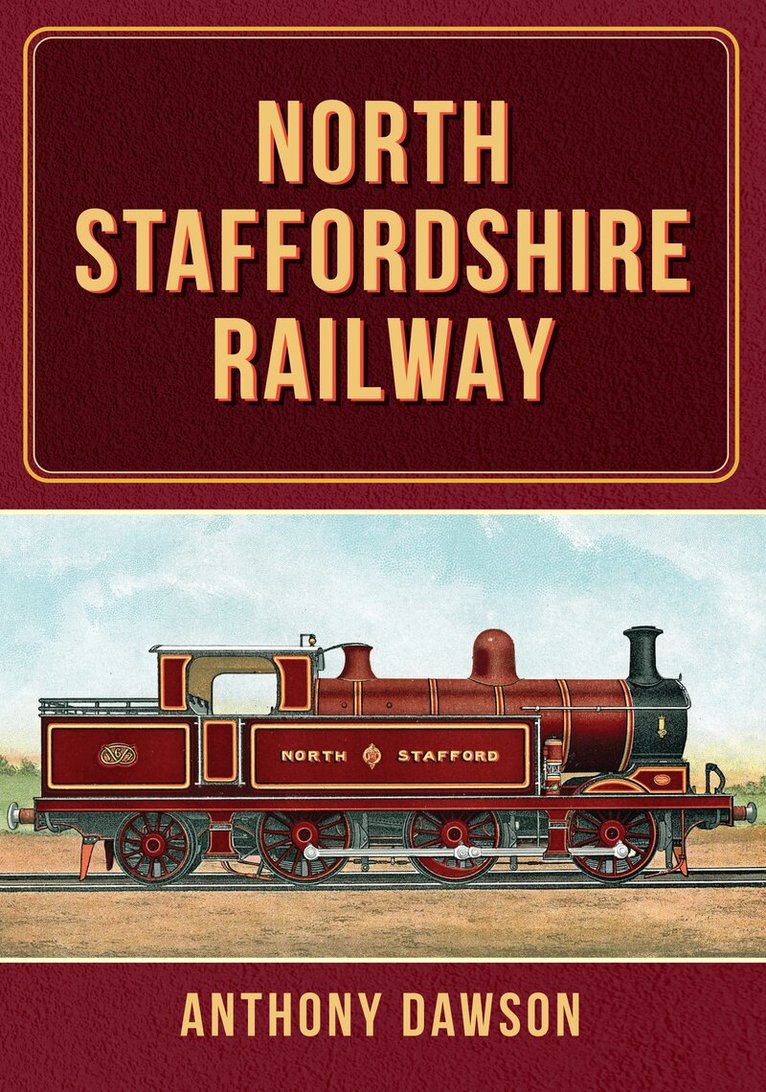
The ‘Knotty’ was one of the most beloved of Britain’s pre-grouping companies. Centred on Stoke-on-Trent, at one time it carried two-thirds of the country’s pottery, as well as partaking in the lucrative coal and iron trades. It began to build its own carriages and locomotives at an early date and operated an extensive canal system, as well as narrow gauge lines including the Leek & Manifold. Never a wealthy company, it withstood aggressive take-over attempts from its bigger rivals to maintain its independent existence until 1923.This book, illustrated with a wealth of rare images, marks the 100th anniversary of the end of the railway’s independence.
178 kr
Skickas
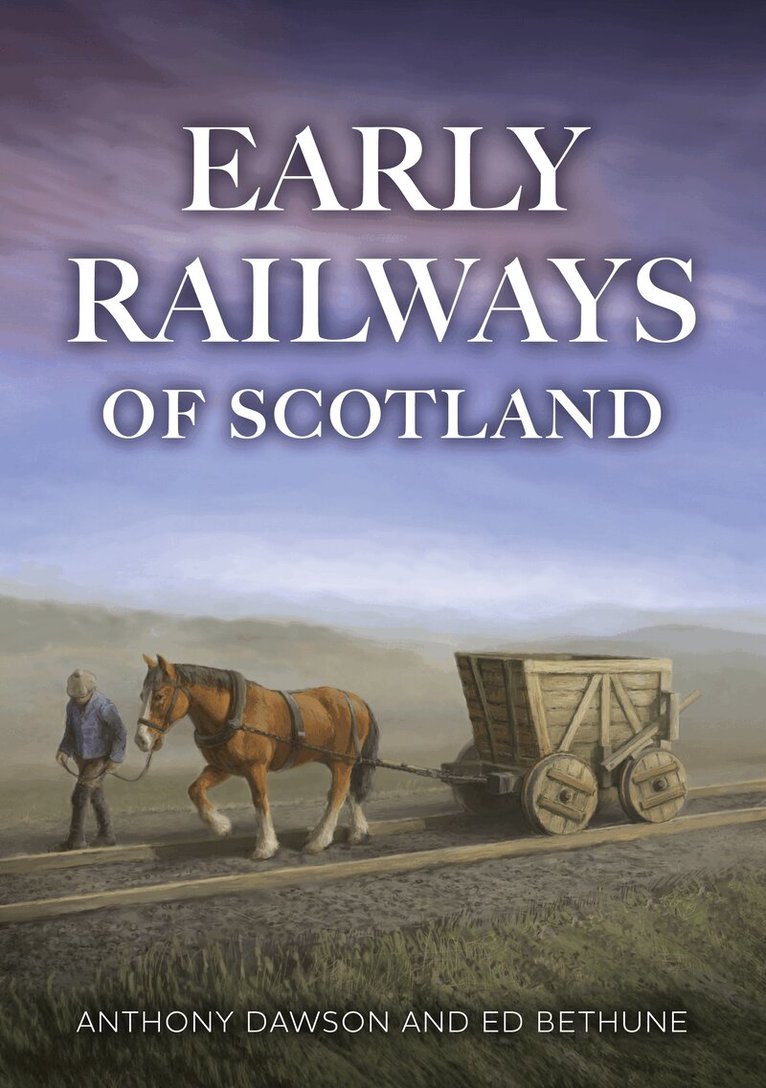
Scottish railway history began in 1722 when William Dickson commenced work on the Tranent–Cockenzie Waggonway. Built entirely in wood and designed to carry coal from pits at Tranent to salt pans at Cockenzie, it was the first railway to be built in Scotland. Developing first in the most industrialised parts of the country, in the Lothians and later around Glasgow, wooden and iron railways flourished in no small part thanks to the work of Robert Stevenson. Ed Bethune and Anthony Dawson of the 1722 Waggonway Project present a century-long tour of the earliest of Scottish railways, beginning in 1722 and ending with the Garnkirk & Glasgow Railway of 1831, the first ‘modern’ railway in Scotland. The 1722 Waggonway Heritage Group was established in 2017 to preserve, promote and enhance the history of the Tranent–Cockenzie Waggonway through research, archaeology and community heritage initiatives. Thanks to the work of the group, much is now known about how early wooden railways were constructed and how early nineteenth-century fish-bellied rails laid on stone blocks worked, as well as the 1833 Robert Stevenson-designed harbour at Cockenzie.Brand-new information from the archival and archaeological work into Scotland’s earliest railways is showcased alongside fascinating and rare images, all serving to set the scene for the beginnings of the Scottish railway network as conceived by trailblazers William Dickson, William Adam and Robert Stevenson.
274 kr
Skickas
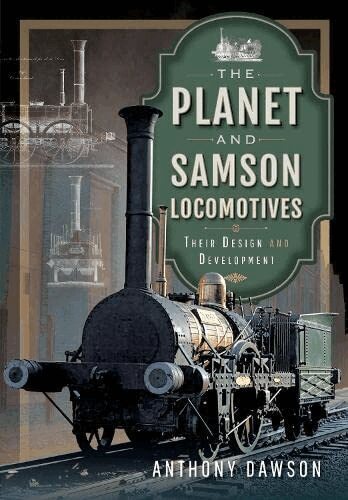
Robert Stephenson's Planet class locomotive was the first true design of mainline express passenger locomotive. Delivered less than a year after Rocket it was one of the most successful early locomotive designs. Planet set the mold for British locomotive design for more than the next century featuring a multi tubular boiler; inside cylinders; crank axle; and the first use of proper frames.The Planet class, and its 0-4-0 Samson derivative, found use across Britain with examples being supplied to railways in London and Glasgow. The Planet class proved popular in Europe too with examples being first exported and then built in France. Two were exported to Austria, and the first locomotive to steam in Russia was based on the design. Planet and Samson also crossed the Atlantic with more examples being built in the United States than in Europe.A working replica of the revolutionary design was built in Manchester in 1992: the first mainline express passenger steam locomotive to be built in Britain since the 1960s.This book outlines the technical design of the Planet and Samson locomotive, and charts the careers of the class members at home and abroad.
341 kr
Skickas inom 7-10 vardagar
The precise relation between the spectator and the work of art was a matter of great interest to late Renaissance and baroque artists, playwrights as well as painters. In Shakespeare's plays the relation between audience and stage life is crucial. The plays constantly remind the audience of the complex fictiveness of their experience yet they also project a reality specifically through illusion. Indirections is a study of twelve plays in which Shakespeare sets up situations and relationships between the characters analogous to the relationship established between audience and play.This book examines the varied uses of illusion, deceit, disguise, and manipulation in the plays, both comedies and tragedies, and traces Shakespeare's use of illusion through his career — from the buoyant optimism of the great comedies and the ambiguity of the middle years to the new richness and power in the romances.Dawson suggests that the way characters respond to illusory situations sets up a model for the way audiences are meant to respond to the play themselves. Such action at least initially establishes a basis for the movement of characters from self-delusion to self-knowledge. This process of self-realization enables the characters to distinguish truth from appearance, love from infatuation; and significantly, it is a direct result of involvement with illusion and role-playing. It is as if the characters must arrive, within the movement of the plot, at an understanding of, and response to, the nature of drama itself parallel to the audience's experience of the play as a whole. This subtle interplay between audience and characters, where each in a sense represents the other, depends for its life on the physical and psychic distances created by the theatre.
178 kr
Skickas
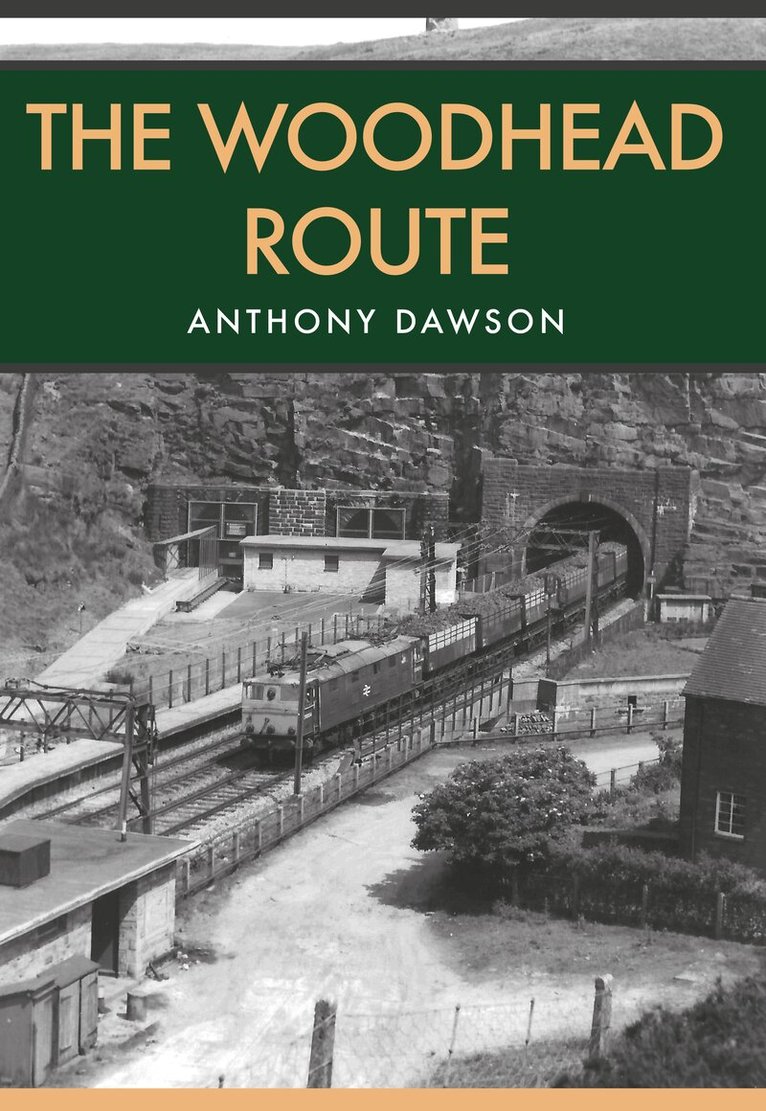
The Woodhead Route from Manchester to Sheffield has achieved almost mythical status, not only thanks to the Woodhead Tunnels, but also because of the unique EM1 and EM2 electric locomotives. Inspired by the first ‘Railway Mania’ of the 1830s, the Woodhead Route was the first railway built to link Manchester with Sheffield. After many false starts, and even a change of chief engineer, it was finally opened in 1845. Anthony Dawson explores here the history behind one of the most iconic and beloved railway lines in the world, drawing on a range of topics including the various attempts to get the line built; how it was built; the running of the line and accidents; the three tunnels; memories of the Woodhead Route and life after closure.With more than a hundred illustrations throughout, this illuminating volume offers a fascinating overview of the line that will appeal to enthusiasts young and old.
163 kr
Tillfälligt slut
The quarter-century after the Rainhill Trials was an exciting period of growth and experimentation on the railways. The railway locomotive evolved from a lumbering curiosity to being indispensable – changing every aspect of daily life, from food (and how it was cooked), to heating and clothing – with more than 7,000 miles of track being laid in Britain between 1830 and 1855, and found on just about every continent around the globe.Much has been written about the success of the Rocket at the Rainhill Trials, but what was it like to drive Rocket and her contemporaries? Drawing on a wealth of early railway records, rules and regulations, together with the practical experience of working on replica early locomotives, Anthony Dawson sets out to explore what it was like to work, and travel, on Britain’s earliest railways during the first quarter-century after the Rainhill Trials.
168 kr
Skickas inom 11-20 vardagar
‘The most striking result produced by the completion of this Railway, is the sudden and marvellous change which has been effected in our ideas of time and space. What was quick is now slow; what was distant is now near.’So wrote Henry Booth of the Liverpool & Manchester Railway. The early railways changed all aspects of life: what people ate (and how they cooked), what they wore and how they communicated. But what was it like to travel on the railways in the 1830s and 1840s? This book hopes to explore the experiences of these pioneer railway travellers, from the first railway stations and railway carriages to the hazards of the journey itself.
178 kr
Skickas inom 11-20 vardagar
The city of Leeds in West Yorkshire was once one of the busiest railway centres in Britain and had the largest concentration of railway engine builders in the country. The surrounding area has many railway ‘firsts’ – the first railway viaduct was built at Flockton in 1757; the first public railway opened near Wakefield (Lake Lock Railroad, 1796); and Leeds was home to the first commercially successful steam locomotives at the Middleton Railway in 1812. This book by railway historian Anthony Dawson will explore how the railways came to Leeds, from the earliest plateways and waggonways of the eighteenth century to Yorkshire’s first main line, linking Leeds with the port at Selby, engineered by George Stephenson.
168 kr
Skickas inom 11-20 vardagar
In the age of steam it seemed that every little boy had an ambition to be an engine driver – even the notoriously anti-railway Charles Dickens thought there was something alluring about the role. Becoming an engine driver is still an ambition of many, thanks to the steam preservation movement.In this book, Anthony Dawson explores what it was like to be an engine driver in the age of steam. Drawing from his own footplate experiences, and working alongside crews on heritage railways, from waking up at the crack of dawn, to cleaning, firing and driving and eventually disposal at the end of the day, this lavishly illustrated volume is a fascinating insight into what it is like to be an engine driver.
172 kr
Skickas inom 11-20 vardagar
During seven days in October 1829 world history was made and travel would never be the same again. Organised by the directors of the Liverpool & Manchester Railway to find the best form of motive power for their line, the Rainhill Trials shaped the destiny of the railways and proved, once and for all, the supremacy of steam power. The Rainhill Trials attracted entrants from as far afield as America (Ross Winans’s hand-cranked ‘manumotive’) as well as the weird and wonderful, like the horse-powered Cycloped.It was a contest not without controversy: claims of corruption were levelled at George Stephenson and Henry Booth (two-thirds of ‘Team Rocket’) because they were senior officials of the sponsoring railway company; Braithwaite and Ericsson (‘Team Novelty’) only found out about the trials seven weeks before they were due to take place; and supporters of the bluff Timothy Hackworth blamed (incorrectly) the failure of his engine, the Sans Pareil, on faulty castings made by the Stephensons.Drawing on contemporary data, and analysis of replica locomotives at the re-enacted Rainhill Trials, this book shows how the locomotive evolved between 1828 and 1830, and why Rocket was so successful.
168 kr
Skickas inom 11-20 vardagar
The Pennine ridge – ‘England’s backbone’ – has provided a dramatic backdrop to the steam locomotive for nearly 180 years. Armies of navvies, commanded by engineers such as George Stephenson, Charles Vignoles and Joseph Locke, battled against nature to drive the first lines from Lancashire to Yorkshire: Summit, Standedge and the Woodhead Tunnels are lasting monuments to their grit and determination.All this came to an end in 1968 when the last regular steam-hauled passenger service, ‘The Fifteen Guinea Special’, pulled into Manchester Victoria at seven o’clock on 11 August. But this was not the end of steam across the Pennines, as bands of enthusiasts rallied to save steam. The lifting of British Rail’s steam ban in 1971 has meant that, once again, the Pennines reverberate to the sound of steam working hard across rugged northern terrain.This book follows preserved lines and steam specials and revisits iconic locations in the history of steam across the Pennines.
163 kr
Skickas
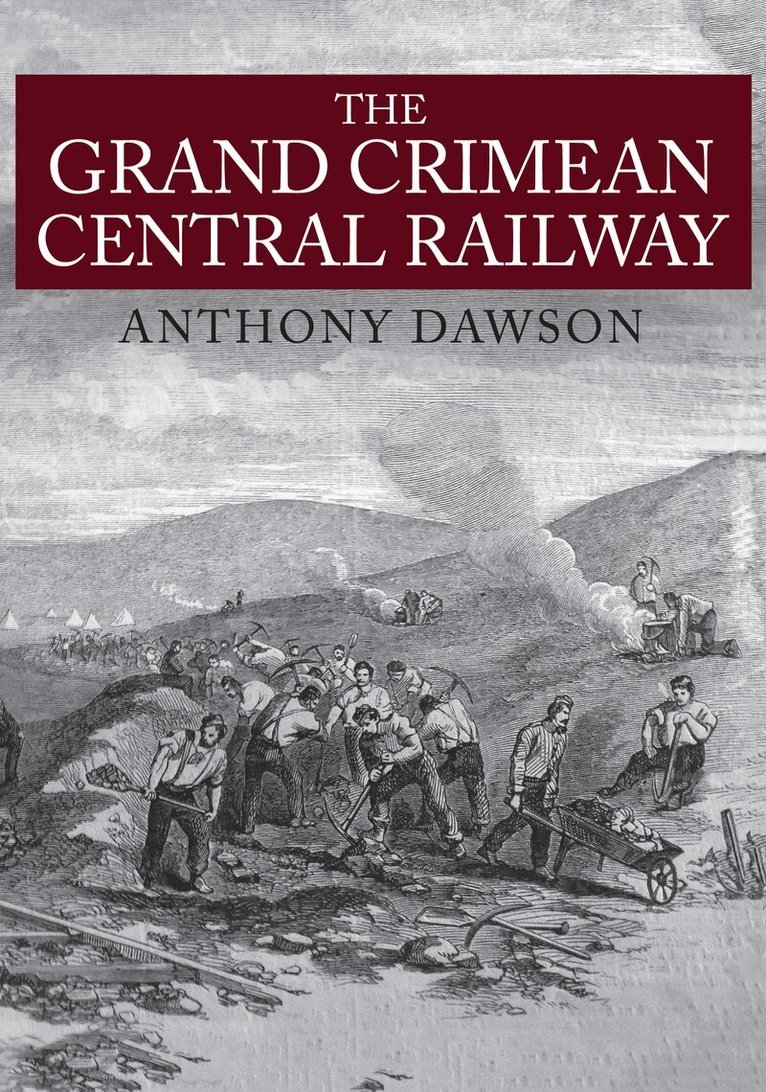
The Crimean War, fought by the alliance of Great Britain, France, and the tiny Italian Kingdom of Piedmont-Sardinia alongside Turkey against Tsarist Russia, was the first ‘modern’ war, not only for its vast scale (France mobilised a million men) but also the technologies involved, from iron-clad battleships to rifled artillery, the electric telegraph and steam.Best known for the blunder of the Charge of the Light Brigade, the fearful conditions in the trenches at the front, and the quiet heroism of Florence Nightingale, the Crimean War saw the railway go to war for the first time. The Grand Crimean Central Railway was the brainchild of two Victorian railway magnates, Samuel Morton Peto and Thomas Brassey; in order to alleviate the suffering at the front, they volunteered to build at cost a steam railway linking the Allied camps at Sevastopol to their supply base at Balaclava. In the face of much official opposition, the railway was built and operational in a matter of months, supplying hundreds of tons of food, clothing and materiel to the starving and freezing men in their trenches. Largely worked by civilian auxiliaries, the Grand Crimean Central Railway saw the railway transformed into a war-winning weapon, saving countless thousands of lives as it did so.
173 kr
Skickas
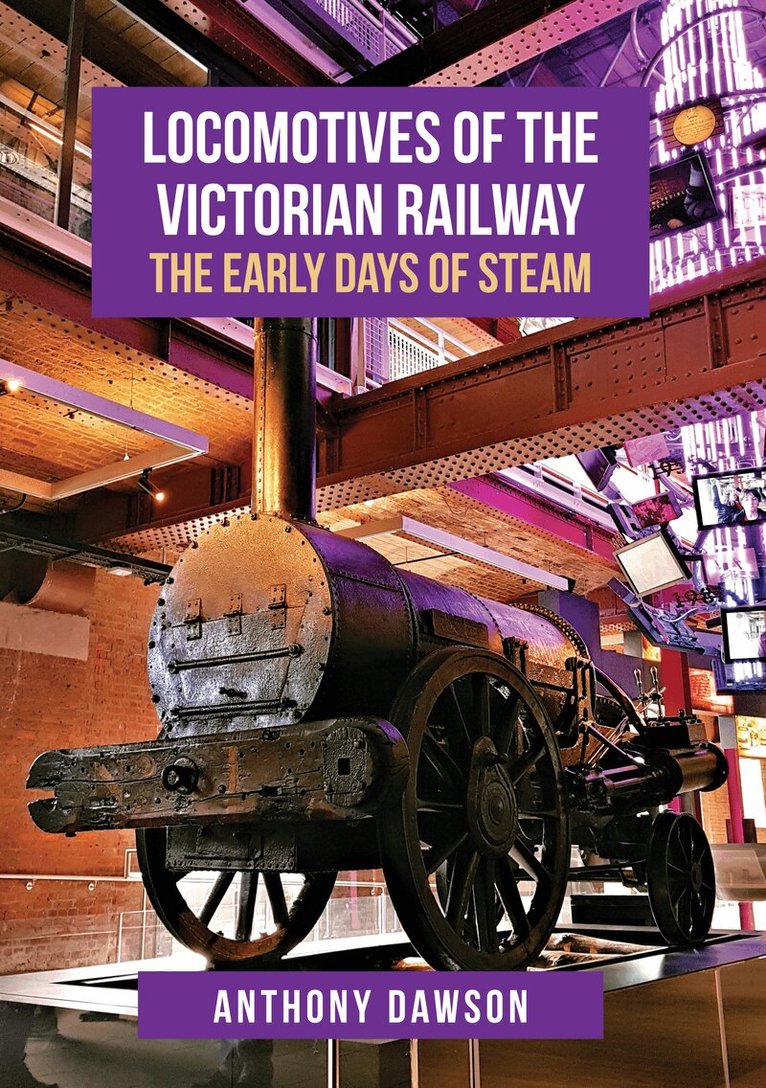
In the quarter of a century between 1830 and 1855, the railway locomotive developed from the small sisters of Rocketto the broad gauge monsters of Daniel Gooch, with a boiler pressure nearly three times that of Rocketand weighing in at nearly 40 tons (eight times the weight of Rocket). There was a marked increase in loads, speeds and reliability as the railways spread across the country from their cradle in the North West, with several thousands of miles of track being laid.In this book, Anthony Dawson charts the rise and development of the steam locomotive in this crucial period in the development of the railways. Drawing on first-hand accounts, and using case studies based on specific classes of locomotive and their working replicas, he charts the development of the locomotive from Rocket, through the Planet and Patentee classes of Robert Stephenson, Edward Bury's 'coppernobs' and finally Firefly and Iron Duke on Brunel's broad gauge. This is a fascinating and well-illustrated insight into a period of engineering ingenuity and genius.
163 kr
Tillfälligt slut
The steam locomotive, ‘the most potent symbol of nineteenth-century civilisation’, is perhaps the image that best sums up the Victorian and Edwardian eras. The year of Victoria's coronation saw the completion of the first links in the iron chain that made up the West Coast Main Line, and the opening of the first section of the Great Western Railway. By the time of her death sixty-three years later, the railways had not only spread to every corner of Britain, but across the globe. The travelling public were first both entranced and terrified of the new means of transportation, with many dire predictions about boiler explosions and suffocation in Brunel’s Box Tunnel. This fascination with railways, coupled with the growth of photography, meant that the railways became subjects for the photographer’s art, and, thanks to cheap printing later in the century, an excellent means of publicity through sets of collectable postcards issued by the likes of the London & North Western or Great Central. These images not only showed technological improvements on their lines, but prospective destinations for the traveller.Here, Anthony Dawson presents Victorian and Edwardian photographs and postcards showing the railway at home and abroad, in all its splendour, with locomotives, carriages, stations and destinations giving a flavour of what it was like to travel during this golden age of the railway.
178 kr
Skickas
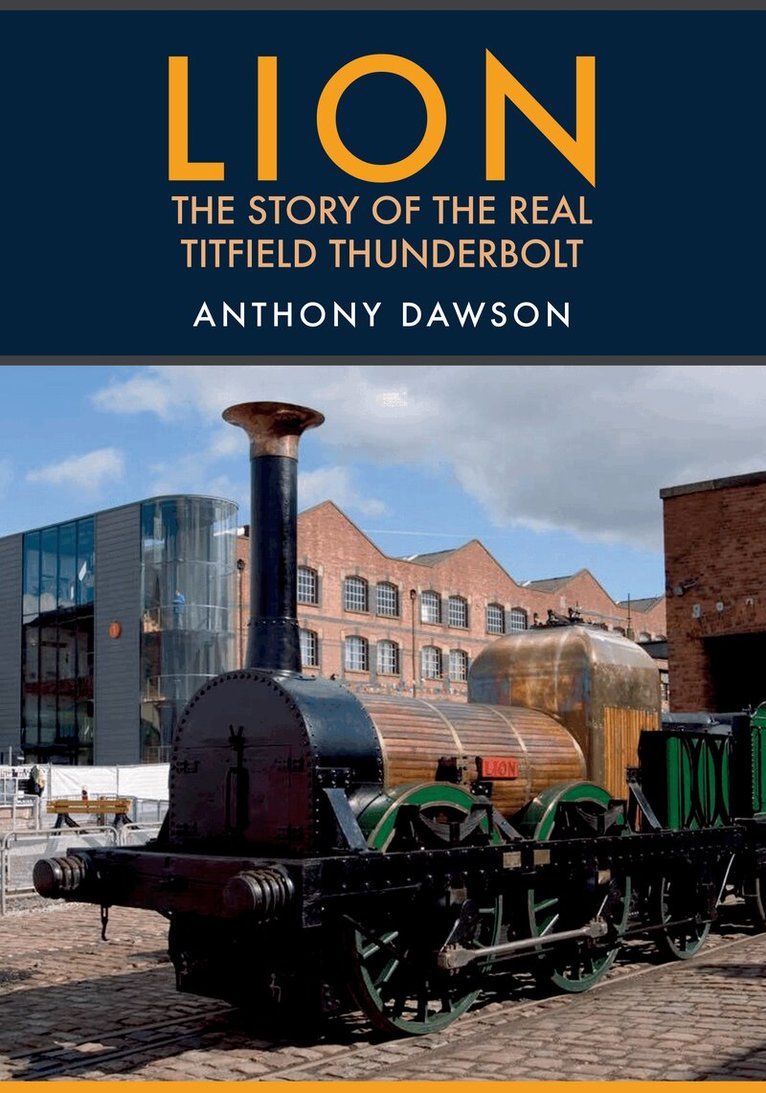
Best known as the Titfield Thunderbolt, Lion is one of the most beloved locomotives in railway preservation – transformed from humble luggage engine to film star, this is a Cinderella story. Built in Leeds in 1838 by Todd, Kitson & Laird, Lion is the only surviving locomotive built for the pioneering Liverpool & Manchester Railway. After a mainline working life of nineteen years, Lion was sold into industrial use in 1859.Drawing on extensive archival research and a detailed study of the original locomotive, this book explores the design and construction of Lion, as well as its career on the Liverpool & Manchester Railway and eventual preservation and restoration, including her several film roles. Finally, the question is asked ‘How much of Lion is original?’
168 kr
Skickas
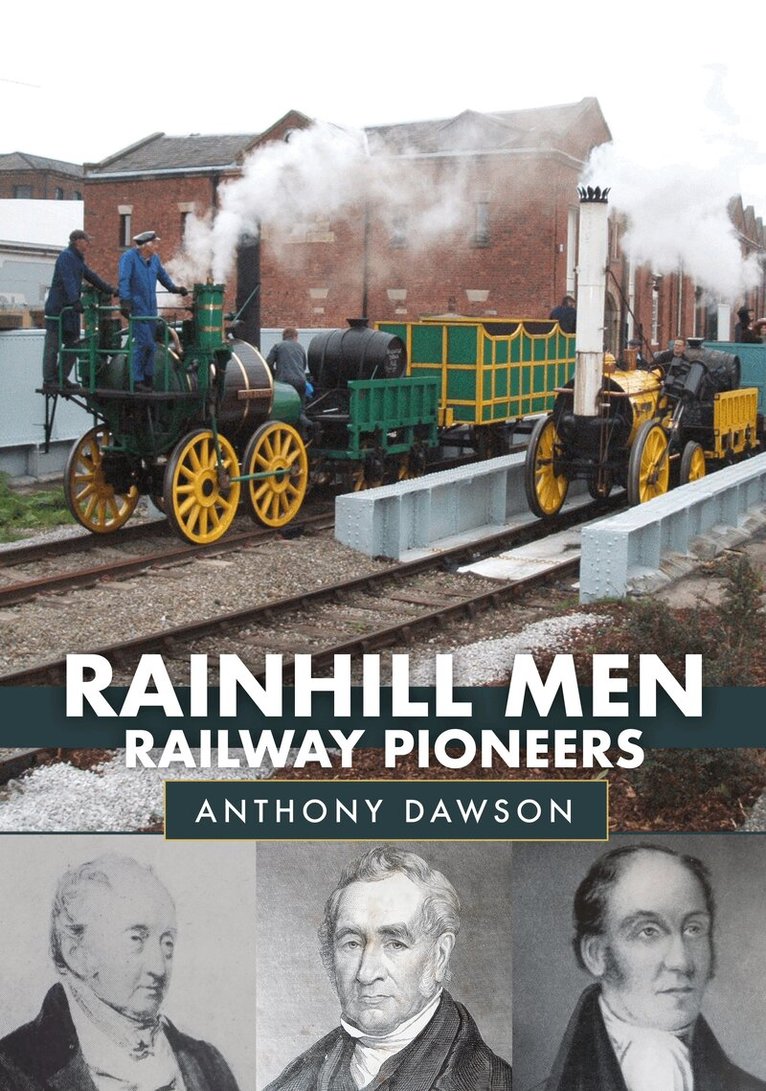
George and Robert Stephenson are well known names in the canon of railway history. Henry Booth (who designed Rocket’s boiler) was the world’s first railway manager and was instrumental in the adoption of Greenwich Mean Time. Timothy Hackworth, the Methodist engine-wright from Shildon, established his own engineering firm, which built one of the first locomotives to run in Russia. Although his locomotive Novelty was a failure, John Ericsson found fame as the designer of the USS Monitor. This book seeks to explore the social history of the Rainhill Trials, who these engineers were and the times they lived and worked in.
274 kr
Skickas
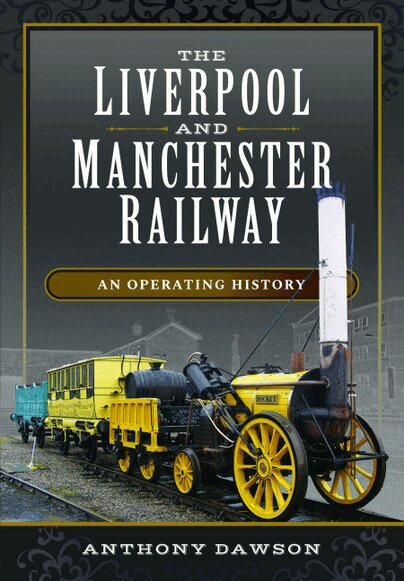
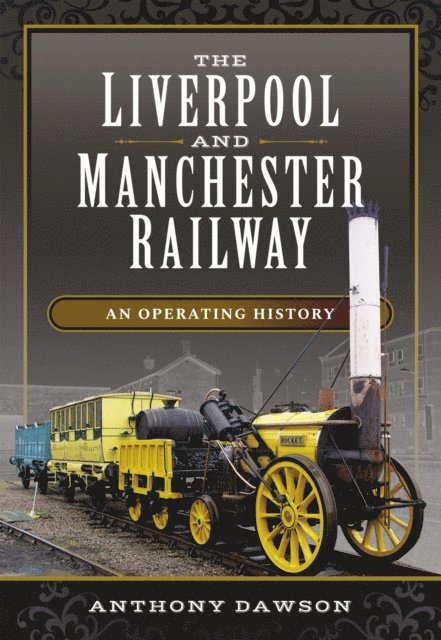
Much has been written about the Liverpool & Manchester Railway, especially how it came into being and the Rainhill Trials, but very little has been said about what happened after the grand opening on 15 September 1830.Drawing on years of research, and practical experience of working with the replica of Stephenson's Planet, this book shows how the Liverpool & Manchester Railway worked in its day-to-day operations, including passenger and goods working, timetabling, signalling and when things went wrong.Chapters will describe what it was like to work and travel on the railway, and will study the evolution of passenger accommodation, working and safety practices. Finally the book looks at how the Liverpool & Manchester fits into the wider picture, how its operational practices, rules and regulations, became the basis of national practices in 1841.
318 kr
Skickas
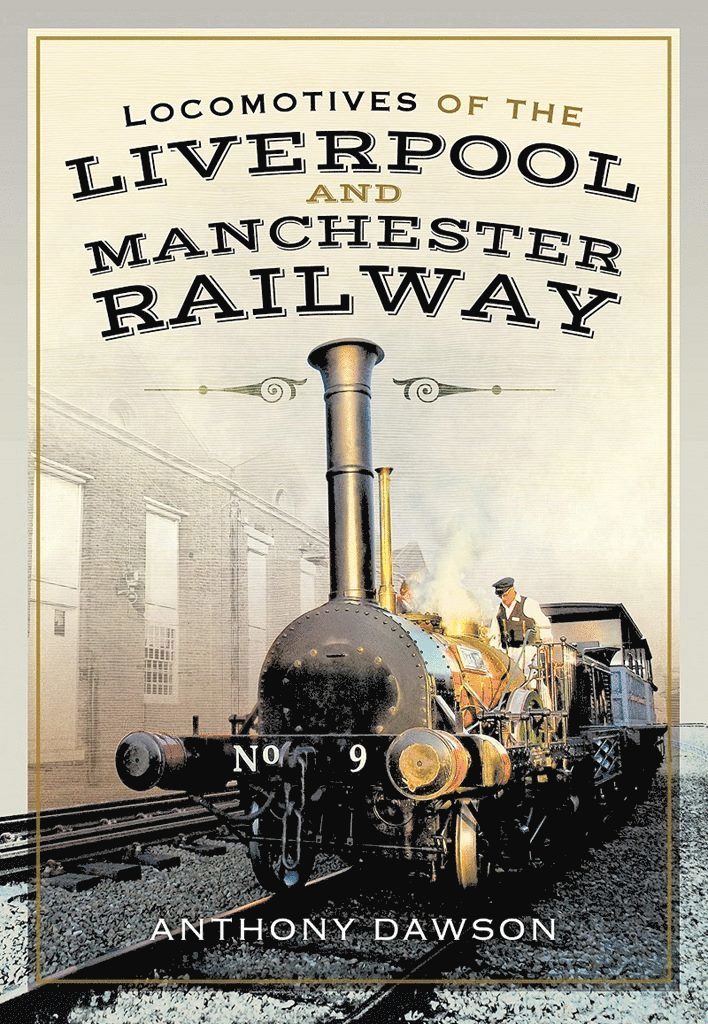
The Liverpool & Manchester Railway was Britain's first mainline, inter-city railway; opened in 1830 it was at the cutting edge of railway technology. Engineered by George Stephenson and his team - John Dixon, William Allcard, Joseph Locke - the project faced many obstacles both before and after opening, including local opposition and the choice of motive power, resulting in the Rainhill Trials of 1829.Much of the success of the line can be attributed to the excellence of its engineering but also its fleet of pioneering locomotives built by Robert Stephenson & Co. of Newcastle. This is the story of those locomotives, and the men who worked on them, at a time when the locomotive was still in its infancy.Using extensive archival research, coupled with lessons learned from operating early replica locomotives such as Rocket and Planet, Anthony Dawson explores how the locomotive rapidly developed in response to the demands of the first inter-city railway, and some of the technological dead ends along the way.
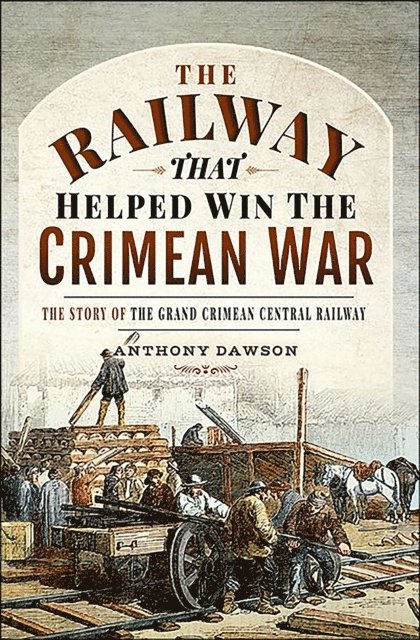
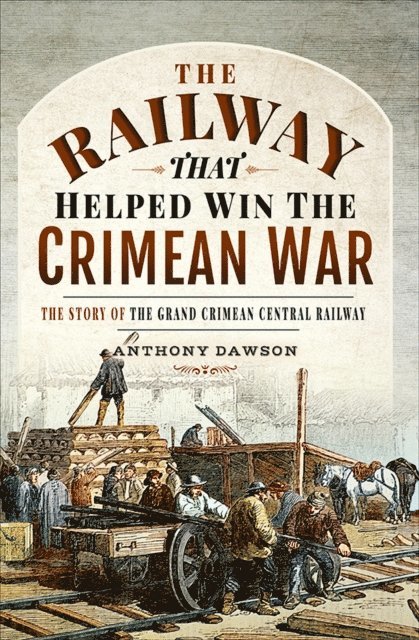
Railway that Helped win the Crimean War
The Story of the Grand Crimean Central Railway
Inbunden, Engelska, 2022
266 kr
Skickas
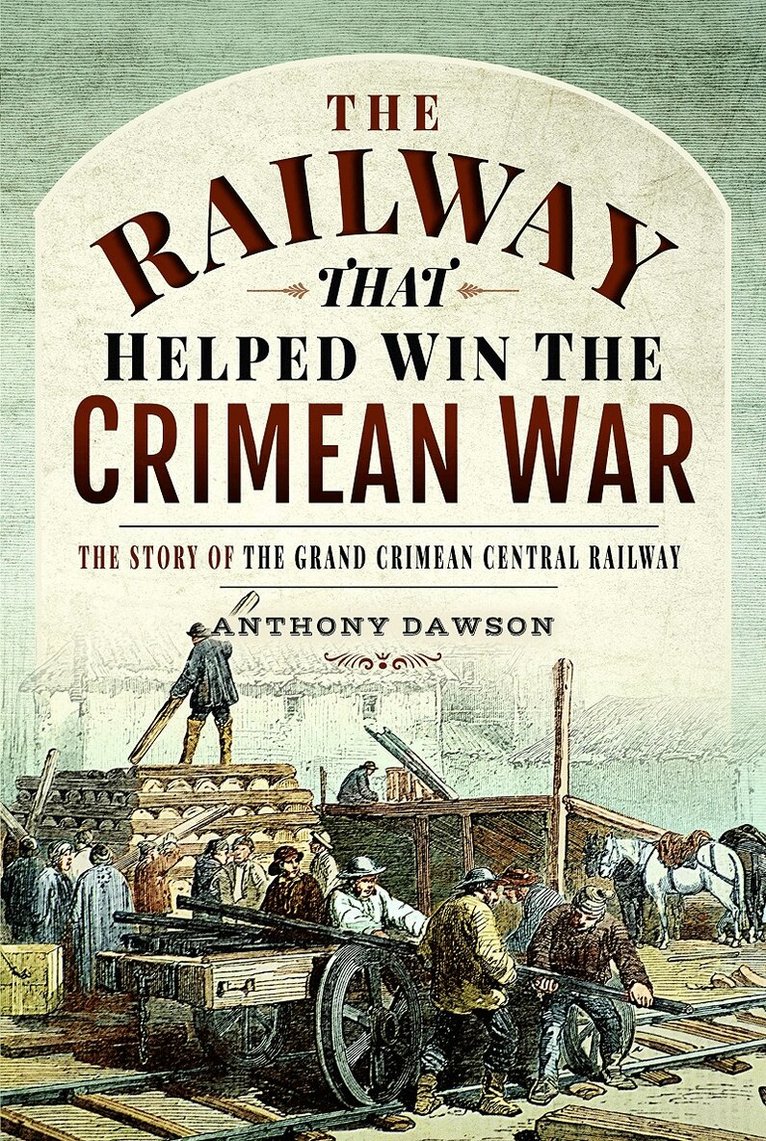
Week after week, the guns of the British expeditionary force battered away at the defences of Sevastopol, eight miles away from Balaklava, the port through which all besiegers' supplies arrived. As autumn turned to winter, rain and frost turned the track from Balaklava into a muddy quagmire and soon it became virtually impassable.Horses were dying daily in their endeavours to pull carts up the hills to the siege lines, and with few supplies reaching the front, the troops suffered terribly from malnutrition and frostbite. Unless a solution could be found, the entire operation was doomed to humiliating, disastrous failure.When news of the terrible plight of the troops reached the UK, a leading railway contractor and his partners undertook to build a railway at cost from Balaklava to the front line - and promised that they could construct it in just three weeks after they arrived in the Crimea. Though it took almost seven weeks to complete the railway, in that time a double track which rose 500 feet from the port and travelled for seven miles to the siege lines had been laid.With food, clothing and ammunition at last able to reach the front, the British along with their French allies were able to capture Sevastopol and bring the Crimean War to an end.In this comprehensive and detailed account of the construction and use of what became known as the Grand Crimean Central Railway the author describes the astonishing achievement in building the first railway ever employed in warfare, and the first to be used for casualty evacuation, thousands of miles from the UK.
1 467 kr
Skickas inom 10-15 vardagar
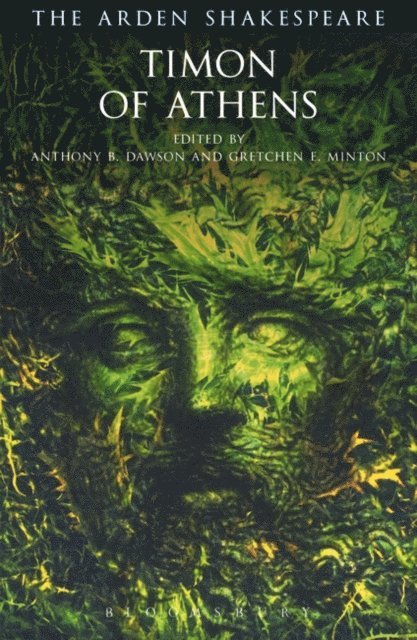
Timon of Athens has struck many readers as rough and unpolished, perhaps even unfinished, though to others it has appeared as Shakespeare's most profound tragic allegory. Described by Coleridge as 'the stillborn twin of King Lear', the play has nevertheless proved brilliantly effective in performance over the past thirty or forty years.This edition accepts and contributes to the growing scholarly consensus that the play is not Shakespeare's solo work, but is the result of his collaboration with Thomas Middleton, who wrote about a third of it. The editors offer an account of the process of collaboration and discuss the different ways that each author contributes to the play's relentless look at the corruption and greed of society. They provide, as well, detailed annotation of the text and explore the wide range of critical and theatrical interpretations that the play has engendered. Tracing both its satirical and tragic strains, their introduction presents a perspective on the play's meanings that combines careful elucidation of historical context with analysis of its relevance to modern-day society.An extensive and well-illustrated account of the play's production history generates a rich sense of how the play can speak to different historical moments in specific and rewarding ways.
167 kr
Skickas
Timon of Athens has struck many readers as rough and unpolished, perhaps even unfinished, though to others it has appeared as Shakespeare's most profound tragic allegory. Described by Coleridge as 'the stillborn twin of King Lear', the play has nevertheless proved brilliantly effective in performance over the past thirty or forty years.This edition accepts and contributes to the growing scholarly consensus that the play is not Shakespeare's solo work, but is the result of his collaboration with Thomas Middleton, who wrote about a third of it. The editors offer an account of the process of collaboration and discuss the different ways that each author contributes to the play's relentless look at the corruption and greed of society. They provide, as well, detailed annotation of the text and explore the wide range of critical and theatrical interpretations that the play has engendered. Tracing both its satirical and tragic strains, their introduction presents a perspective on the play's meanings that combines careful elucidation of historical context with analysis of its relevance to modern-day society.An extensive and well-illustrated account of the play's production history generates a rich sense of how the play can speak to different historical moments in specific and rewarding ways.