Anthony Poulton-Smith - Böcker
Visar alla böcker från författaren Anthony Poulton-Smith. Handla med fri frakt och snabb leverans.
23 produkter
23 produkter
180 kr
Skickas
Some maintain that ley lines are the result of some 'earth force', others that they are the earliest routes marked out across the land. In his new book Anthony Poulton-Smith examines the origins and meanings of these ancient trackways, tracing them on foot and taking in markers that have been in existence for millennia to travel in a straight line from Shropshire and Gloucestershire in the west to Cambridgeshire and Lincolnshire in the east. Whether they are tracked by dowsing or by a simple line on a map, Ley Lines across the Midlands is a fascinating read for walkers, historians, visitors and locals alike, and provides a very different view of the ancient history of the Midlands.
180 kr
Skickas
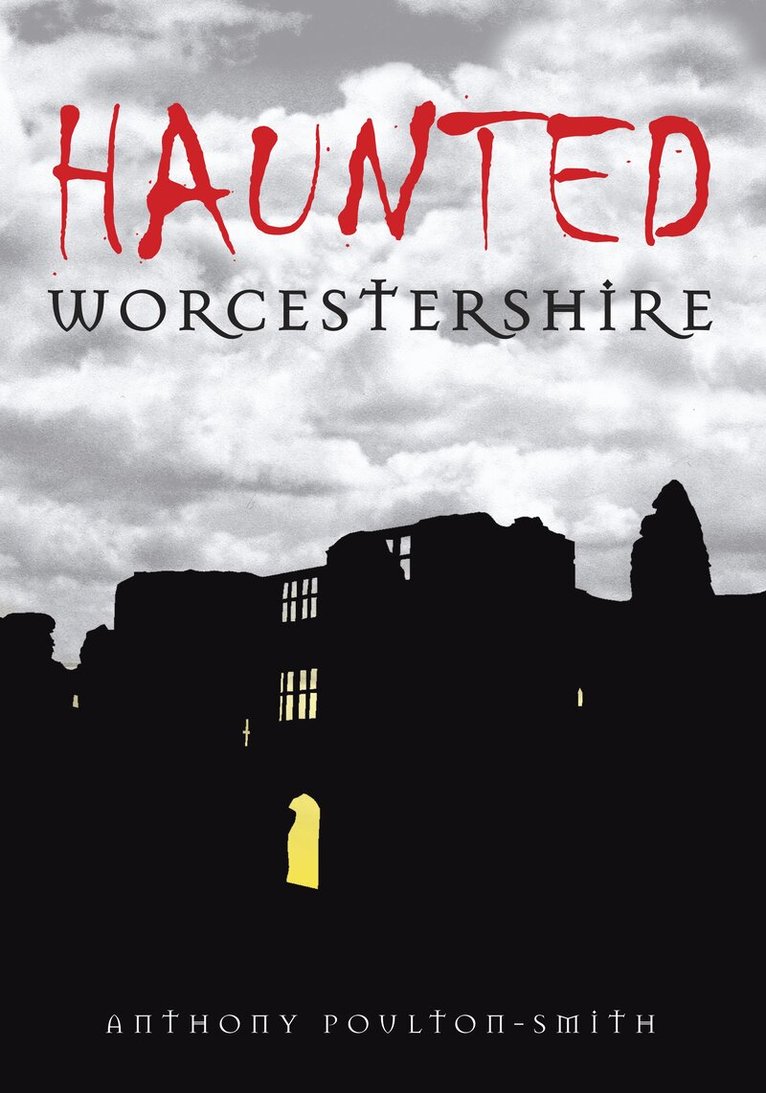
Anthony Poulton-Smith takes the reader on a fascinating A-Z tour of the haunted hotspots of Worcestershire. Contained within the pages of this book are strange tales of spectral sightings, active poltergeists and restless spirits appearing in streets, inns, churches, estates, public buildings and private homes across the area. They include tales from Worcester, Bewdley, Droitwich, Bromsgrove, Tenbury Wells and Stourport-on-Severn. This new collection of stories, a product of both historical accounts and numerous interviews conducted with local witnesses, is sure to appeal to all those intrigued by Worcestershire's haunted heritage.
168 kr
Tillfälligt slut
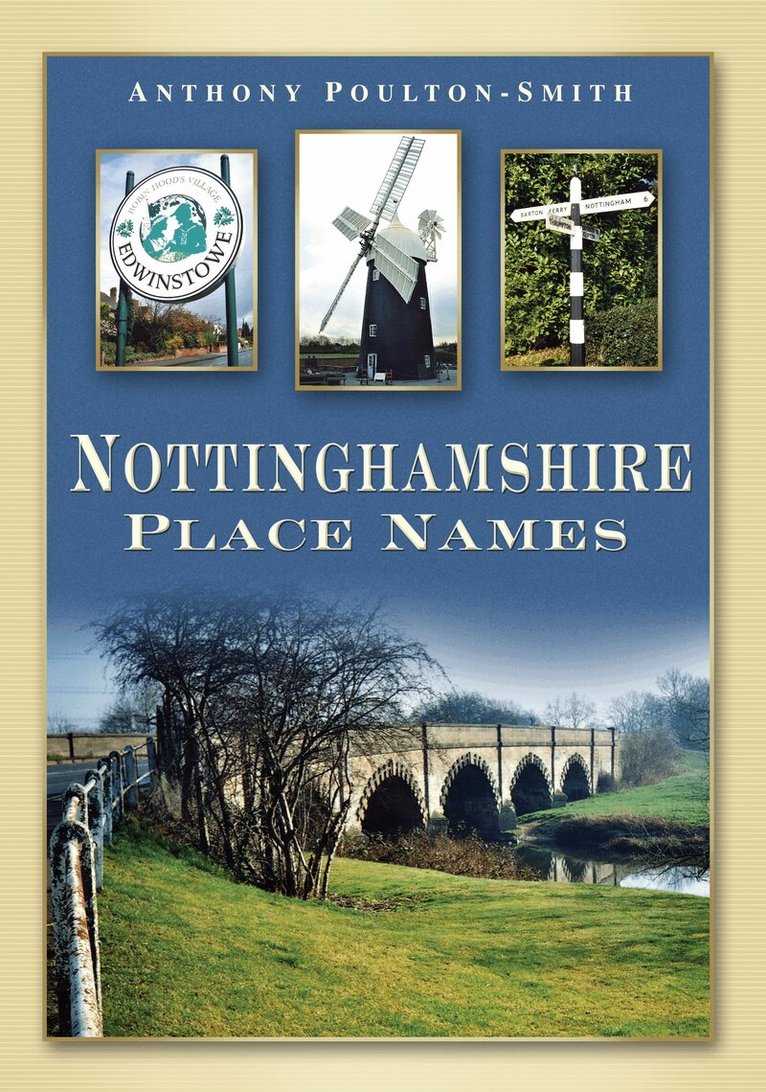
This dictionary of Nottinghamshire place-names examines their origins and meanings. It includes not only towns, villages and hamlets, but also rivers, streams, Hills, fields and woods, as well as streets, buildings and public houses. A comprehensive description of the origin and evolution of each name is given, which brings to life the history of the place in a new and remarkably revealing way. Few are aware of the background of the names that are part of our everyday language, and Anthony Poulton-Smith brings this aspect of Nottinghamshire's rich history to life.
76 kr
Tillfälligt slut
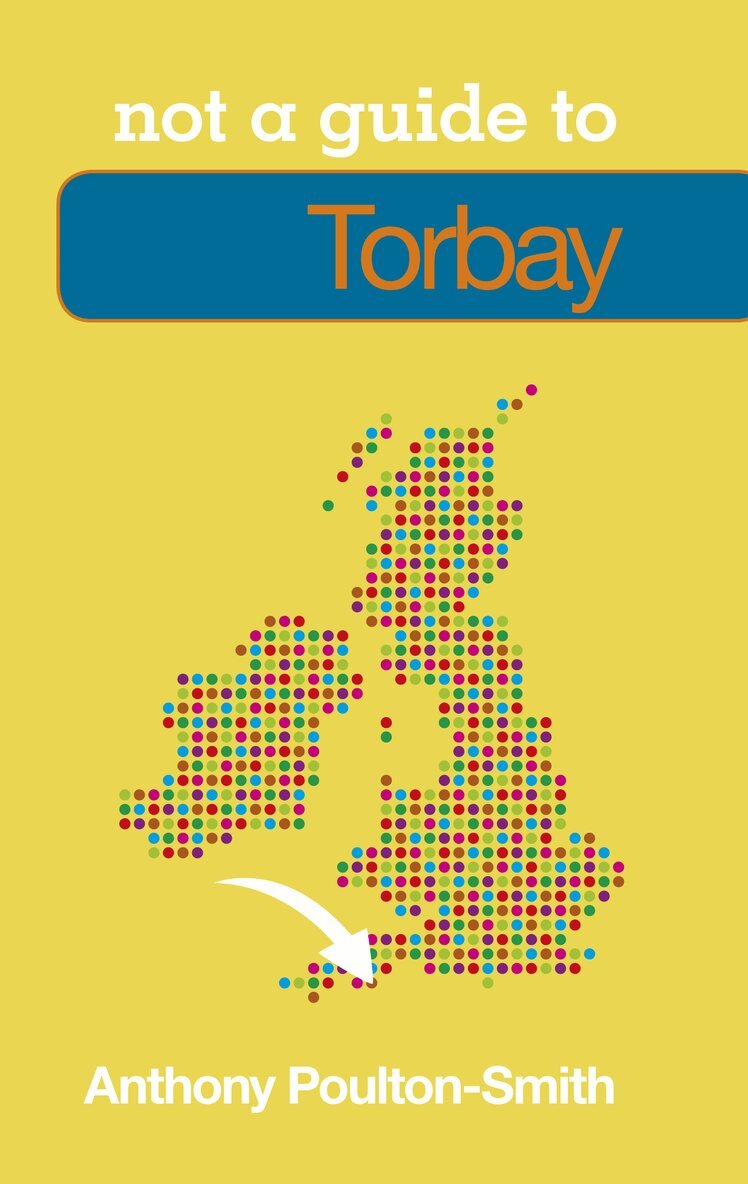
Did you know? Torbay, ‘The English Riviera’ boasts 22 miles of coastline, with 20 beaches and coves. The famous Torbay palm is in fact a cabbage tree (cordyline australis) from New Zealand. The Torbay Picture House was Europe’s oldest cinema. Seat 2, Row 2 was Agatha Christie’s favourite. She was born in Torquay. Brixham’s fishing fleet regularly lands more value than any other UK port outside Scotland. From the momentous to the outlandish, this book is packed full of fun facts and trivia about everything to do with this gem of Britain’s coastline. Much more than a tourist guide, residents too will discover things they never knew about the town. Facts, history, humour; it’s all here in this engaging little book.
180 kr
Skickas
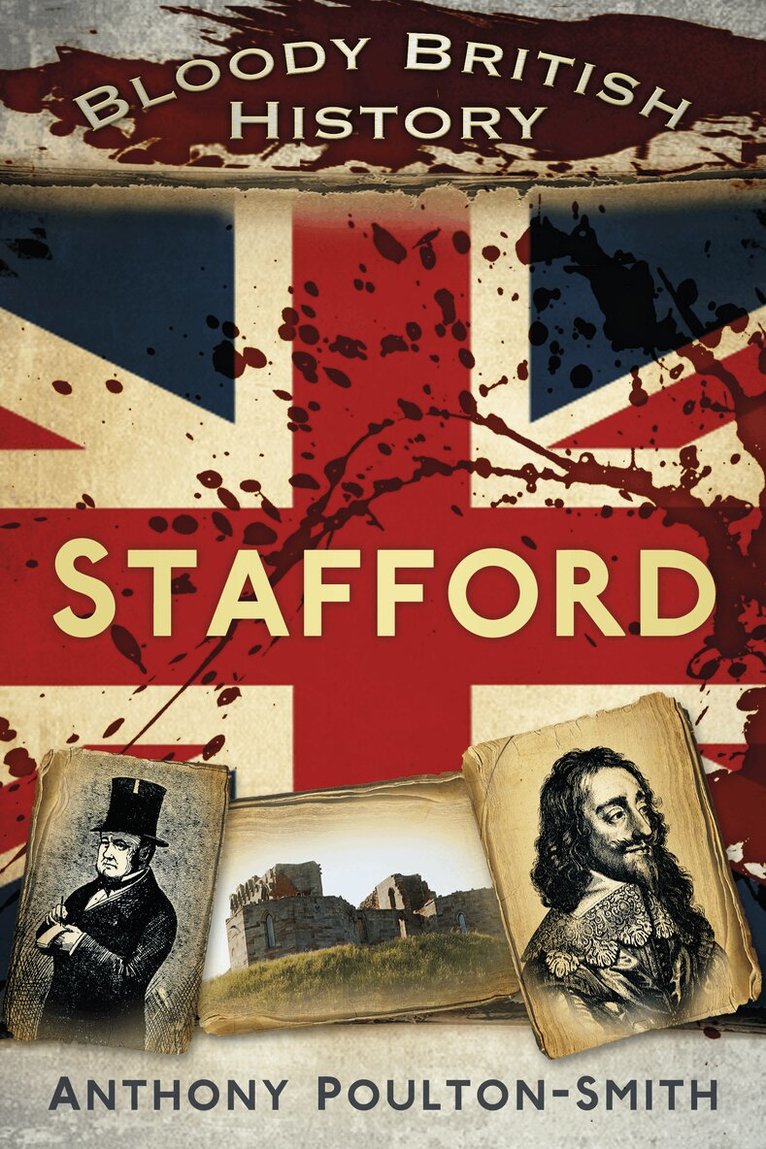
From its earliest beginnings through to the last days of the Second World War, Staffordshire’s county town has seen more than its fair share of gore. Its history is filled with blood, disease, pestilence, poison, dismemberment, decapitation, suicides and hauntings. Featuring life – and death – at Stafford Gaol, the sanguineous siege of the castle and many other tragic true tales from history, you’ll never see it in the same way again!
178 kr
Tillfälligt slut
Beneath the surface of the Potteries lies a little-known world that encompasses the history of the six towns that historically make up this area – Stoke, Burslem, Hanley, Fenton, Tunstall and Longton and the conurbation in North Staffordshire that has grown from these towns. The towns are closely linked geographically and also through their association with the ceramic industry, when the area became the biggest producer of pottery in the country during the eighteenth and nineteenth centuries. Caves and underground tunnels can be found throughout the area and man-made excavations lie beneath the towns that were forged in the Industrial Revolution.In this book local historian Anthony Poulton-Smith takes readers on a tour of the Potteries towns and immediate surrounding area underground, exploring natural and man-made caves, canal and railway tunnels, hidden routes and cellars with a story to tell, passageways from houses, churches, hotels and pubs, and secret military installations. The stories include the bizarre and tragic, and this fascinating portrait of the Potteries underground will interest all those who know the area.
178 kr
Skickas inom 11-20 vardagar
Beneath the surface of the country’s second largest city lies a little-known world that encompasses the history of Birmingham. In the eighteenth and nineteenth centuries, Birmingham profited from its position in the heart of the Midlands as the centre of science, technology, industrial development and culture for the area, growing rapidly to become the most important manufacturing city in the country. Although much of the city has changed over the last two centuries, not least through the aerial bombing raids during the Second World War and post-war redevelopment, the industrial heritage of Birmingham remains an important part of the city.Going Underground: Birmingham takes the reader on a tour of subterranean Birmingham. The stories include the bizarre and sometimes nefarious world beneath the surface of the city. We visit the tunnels built for an underground railway only ever used as air-raid shelters, catacombs, closed railway tunnels, a former feeder canal used to bring goods from warehouses, a culvert containing Birmingham’s only river, the old passage to New Street station (said to have been cut through the site of a former Jewish cemetery and once used to store bodies awaiting transportation), a tunnel between a former police station and the law courts walked by many from the city’s criminal past, hidden passages created during Birmingham’s growth period in the Georgian and Victorian ages, and much more. This fascinating portrait of underground Birmingham will interest all those who know the city.
178 kr
Skickas
Beneath the surface of the Black Country lies a little-known world that encompasses the history of the towns that historically make up this area in the boroughs of Dudley, Wolverhampton, Walsall and Sandwell. The area was associated with coal mining and metalworking for centuries, but during the Industrial Revolution it became known for the heavy manufacturing industries concentrated there and the pollution associated with them. The last coal mine closed in 1968 and much of the heavy industry has gone, but the Black Country still has a strong sense of identity today and the way of life in the past can be glimpsed in the Black Country Museum.In this book local historian Anthony Poulton-Smith takes readers on a tour of the Black Country underground, exploring natural and man-made caves, potholes, canal and railway tunnels, mines, hidden routes and cellars with a story to tell, passageways from houses, churches, hotels and pubs, former nuclear bunkers and old air-raid shelters. The stories include the bizarre and sad and this fascinating portrait of the Black Country will interest all those who know the area.
178 kr
Kommande
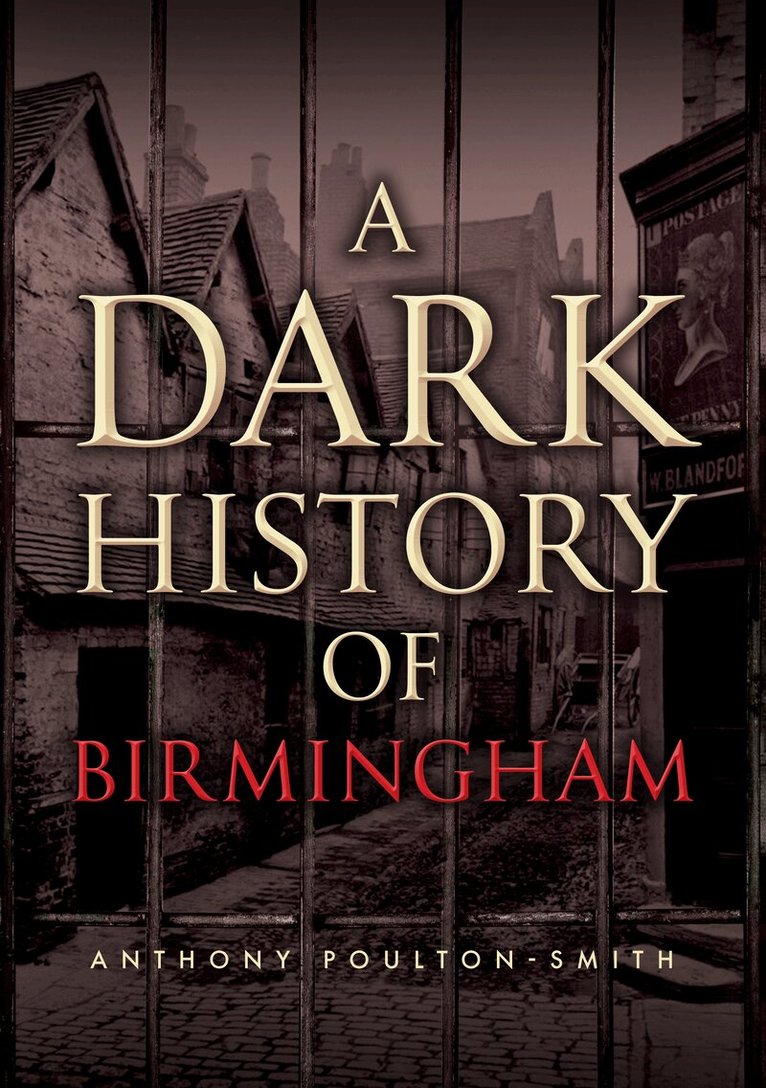
Birmingham is England’s second-largest city and it was the Industrial Revolution which kick-started its growth. The city grew rapidly in the eighteenth and nineteenth centuries as the area became home to a host of factories and workshops. Working conditions were hard and the population crowded in back-to-back houses with little sanitation. Disease ran alongside deprivation, and despite the city’s efforts at sanitation the canals became foul dumping grounds. Crime was harshly punished and prison conditions were fearful.In A Dark History of Birmingham author Anthony Poulton-Smith delves into the often lesser known but darker stories from Birmingham’s past. This fascinating insight into Birmingham will be of interest to all those who want to know more about the city’s remarkable history.
178 kr
Skickas inom 11-20 vardagar
Join author Anthony Poulton-Smith on a ghostly tour of his native Staffordshire. Meet Josiah Wedgwood, Lord Robert Marmion, the Earl of Shrewsbury, the Rugeley Poisoner, the Kidsgrove Boggart, Lady Tempest Vane, the Crafty Cockney, a mermaid, pilots, clergy, airmen, doctors, a monkey man, the Gunpowder Plotters and ladies black, white and grey. Staffordshire's theme parks at Alton Towers and Drayton Manor, historical sites such as Shugborough and the Ancient High House, and castles at Stafford, Tutbury and Tamworth all host visitors of the spectral kind. Other spirits are to be found resident in an assortment of pubs, hotels, churches and abbeys. Why the pitiful sobs and feeling of despair near Hanbury? What would cause a white rabbit to weep? Does a murderer still visit every gatepost and stile containing wood from his gibbet? And why does 'Benjie' unroll the paper in the ladies' toilets? Paranormal Staffordshire contains almost a hundred narratives; they will delight the ghost hunters and the spiritualists, make the sceptical think again, and send chills up and down every spine.
178 kr
Skickas inom 11-20 vardagar
The Romans and Celts were familiar with Lichfield but the Saxons put it on the map. St Chad built a church in Lichfield after bringing his bishopric of Mercia here in the seventh century, and the first cathedral was constructed soon afterwards. Lichfield became a county in 1553, with the office of Sheriff of Lichfield, a position which continues today. During the English Civil War the Royalist stronghold was besieged twice, the second time resulting in the collapse of the cathedral's central spire. Later centuries saw Lichfield become a city famous for its intellectuals. Among the most famous were Erasmus Darwin, David Garrick, Anna Seward and, possibly most famous of them all, Dr Samuel Johnson. Within these pages not only is there a comparison to be made between old and new views, but also glimpses into some of the lives of people who have contributed to this delightful city.
176 kr
Skickas inom 11-20 vardagar
Historically a part of Warwickshire, Solihull is today one of the most prosperous parts of the West Midlands conurbation. From its beginnings as a medieval market town, Silhillians throughout the ages have seen almost continuous growth, this also seen in the town's motto Urbs in Rure 'Town in Country'. During the twentieth century the population grew from 7,500 in 1901 to reach six figures in the 1960s. Since then the town centre, which had stood largely unchanged for over a century, has been brought into the twenty-first century and attracts visitors from near and far. Cast an eye over the town over the last century and see how among the changes certain landmarks remain. Compare this to the many outlying villages where Silhillians from the Victorian era would doubtless recognise their homes over a century later.
178 kr
Skickas inom 11-20 vardagar
Staffordshire's county town was home to Iron Age settlers before the Romans and then the Saxons contributed to its history. The pottery production for which the county has long been famous had its foundations in Stafford - pottery owners were drawn here by the rich mineral deposits and forestry. With its castle, Ancient High House, town walls and important jail, the town has a rich history of not only places but people as well. By the eighteenth century, the potteries in Stafford were overshadowed by the more important shoe manufacturing industry, then later by electrical companies, glue producers, steam power, woodyards, military equipment and munitions. Within these pages, not only is there a comparison to be made between old and new views, but there are also glimpses into the lives of some of the people who have contributed to this historic town.
114 kr
Skickas
146 kr
Skickas
141 kr
Skickas inom 11-20 vardagar
146 kr
Skickas inom 11-20 vardagar
146 kr
Tillfälligt slut
Ever wondered why our towns and villages get their names from? Were they a deliberate creation by our ancestors or did they evolve naturally over time? Is there a feline cemetery on Cat's Brain Hill? Which streets remember the revival of Morris Dancing? Was there really a crossing place for cattle at Oxford? And when did Gibraltar, California and New Zealand come to Oxfordshire? Oxfordshire Place Names examines the origins of the names with which we are otherwise so familiar. Towns, villages, districts, hills, streams, woods, farms, fields, streets and even pubs are examined and explained. Some of the definitions give a glimpse of life in the earlier days of the settlement, and for the author there is nothing more satisfying than finding a name which gives such a snapshot. The definitions are supported by anecdotal evidence, bringing to life the individuals and events which have influenced the places and the way these names have developed. This is not just a dictionary but a history and will prove invaluable not only for those who live and work in the county but also visitors and tourists, historians and former inhabitants, indeed anyone with an interest in Oxfordshire.
146 kr
Tillfälligt slut
Ever wondered where our towns and villages get their names from? Were they a deliberate creation by our ancestors or did they evolve naturally over time? South Staffordshire Street Names examines the origins of the names with which we are otherwise so familiar. Towns, villages, districts, hills, streams, woods, farms, fields, streets and even pubs are examined and explained. Some of the definitions give a glimpse of life in the earlier days of the settlement, and for the author there is nothing more satisfying than finding a name which gives such a snapshot. The definitions are supported by anecdotal evidence, bringing to life the individuals and events which have influenced the places and the way these names have developed. This is not just a dictionary but a history and will prove invaluable not only for those who live and work in the county but also visitors and tourists, historians and former inhabitants, indeed anyone with an interest in Staffordshire.
146 kr
Tillfälligt slut
Ever wondered why our towns and villages are so named? Were they a deliberate creation by our ancestors or did they evolve naturally over time? Which river was named from the blackberries which grow there? Why would a rock be called the Pig's Nose? What links beer and cathedrals? Why is Mincing Lake not a lake but a river? And just who were Peter and Mary Tavy? In these pages we examine the origins of the names with which we are otherwise so familiar. Towns, villages, districts, hills, streams, woods, farms, fields, streets and even pubs are examined and explained. The definitions are supported by anecdotal evidence, bringing to life the individuals and events which have influenced the places and the way these names have developed. This is not just a dictionary, but a history too, and will prove invaluable not only for those who live and work in the county but also to visitors and tourists, historians and former inhabitants, indeed anyone with an interest in South Devon.
210 kr
Skickas inom 11-20 vardagar
Ever wondered where our towns and villages get their names from? Were they a deliberate creation by our ancestors or did they evolve naturally over time? Dorset Place Names examines the origins of the names with which we are otherwise so familiar. Towns, villages, districts, streets and even pubs are examined and explained. Some of the definitions give a glimpse of life in the earlier days of the settlement, and for the author there is nothing more satisfying than finding a name which gives such a snapshot. The definitions are supported by anecdotal evidence, bringing to life the individuals and events which have influenced the places and the way these names have developed. This is not just a dictionary but a history and will prove invaluable not only for those who live and work in the county but also visitors and tourists, historians and former inhabitants, indeed anyone with an interest in Dorset.
143 kr
Skickas inom 5-8 vardagar
204 kr
Skickas inom 5-8 vardagar