Anthony S. Parent Jr. - Böcker
Visar alla böcker från författaren Anthony S. Parent Jr.. Handla med fri frakt och snabb leverans.
3 produkter
3 produkter
460 kr
Skickas inom 10-15 vardagar
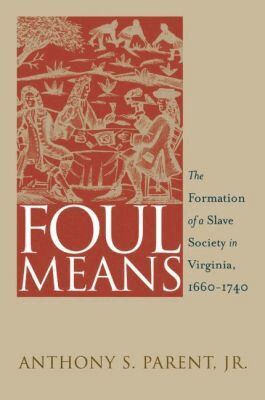
Challenging the generally accepted belief that the introduction of racial slavery to America was an unplanned consequence of a scarce labor market, Anthony Parent, Jr., contends that during a brief period spanning the late seventeenth and early eighteenth centuries a small but powerful planter class, acting to further its emerging economic interests, intentionally brought racial slavery to Virginia. Parent bases his argument on three historical developments: the expropriation of Powhatan lands, the switch from indentured to slave labor, and the burgeoning tobacco trade. He argues that these were the result of calculated moves on the part of an emerging great planter class seeking to consolidate power through large landholdings and the labor to make them productive. To preserve their economic and social gains, this planter class inscribed racial slavery into law. The ensuing racial and class tensions led elite planters to mythologize their position as gentlemen of pastoral virtue immune to competition and corruption. To further this benevolent image, they implemented a plan to Christianize slaves and thereby render them submissive. According to Parent, by the 1720s the Virginia gentry projected a distinctive cultural ethos that buffered them from their uncertain hold on authority, threatened both by rising imperial control and by black resistance, which exploded in the Chesapeake Rebellion of 1730. |Offering a provocative black interpretation of the development of slavery, Parent argues that during a brief period spanning the late 17th and early 18th centuries, a small but powerful planter class brought racial slavery to Virginia, and, in turn, to America. Parent finds more evidence of pervasive black rebellions during this period than previous historians have suggested, especially the Chesapeake Rebellion of 1730, the largest continental slave rebellion during the colonial era.
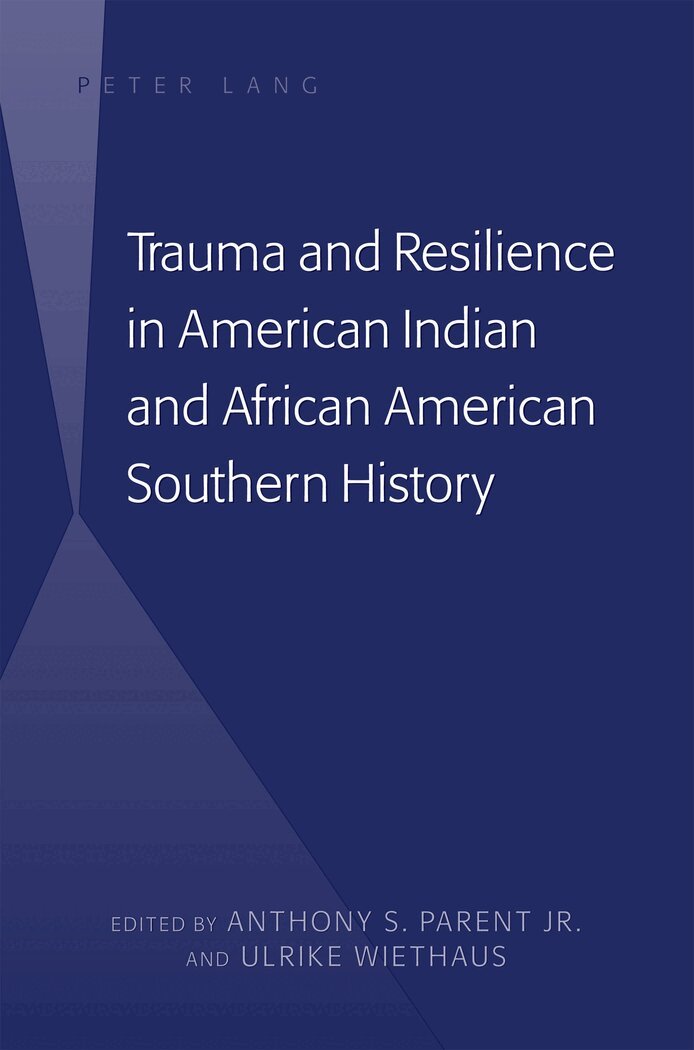
Trauma and Resilience in American Indian and African American Southern History
Inbunden, Engelska, 2013
778 kr
Tillfälligt slut
Trauma and Resilience in American Indian and African American Southern History explores the dual process of a refusal to remember, that is, the force of active forgetting, and the multiple ways in which Native Americans and African Americans have kept alive memories of conquest and enslavement. Complex narratives of loss endured during the antebellum period still resonate in the current debate over sovereignty and reparations.Remembrances of events tinged with historical trauma are critical not only to the collective memories of American Indian and African American communities but, as public health research forcefully demonstrates, to their health and well-being on every level. Interdisciplinary dialogue and inquiry are essential to fully articulate how historical and contemporary circumstances have affected the collective memories of groups. Until recently, Southern whites have (nostalgically or dismissively) remembered American Indian and African American historical presence in the region. Their recollections silence the outrages committed and thus prevent the healing of inflicted trauma. Efforts of remembrance are at odds with intergenerational gaps of knowledge about family history and harmful stereotyping.
494 kr
Skickas inom 7-10 vardagar
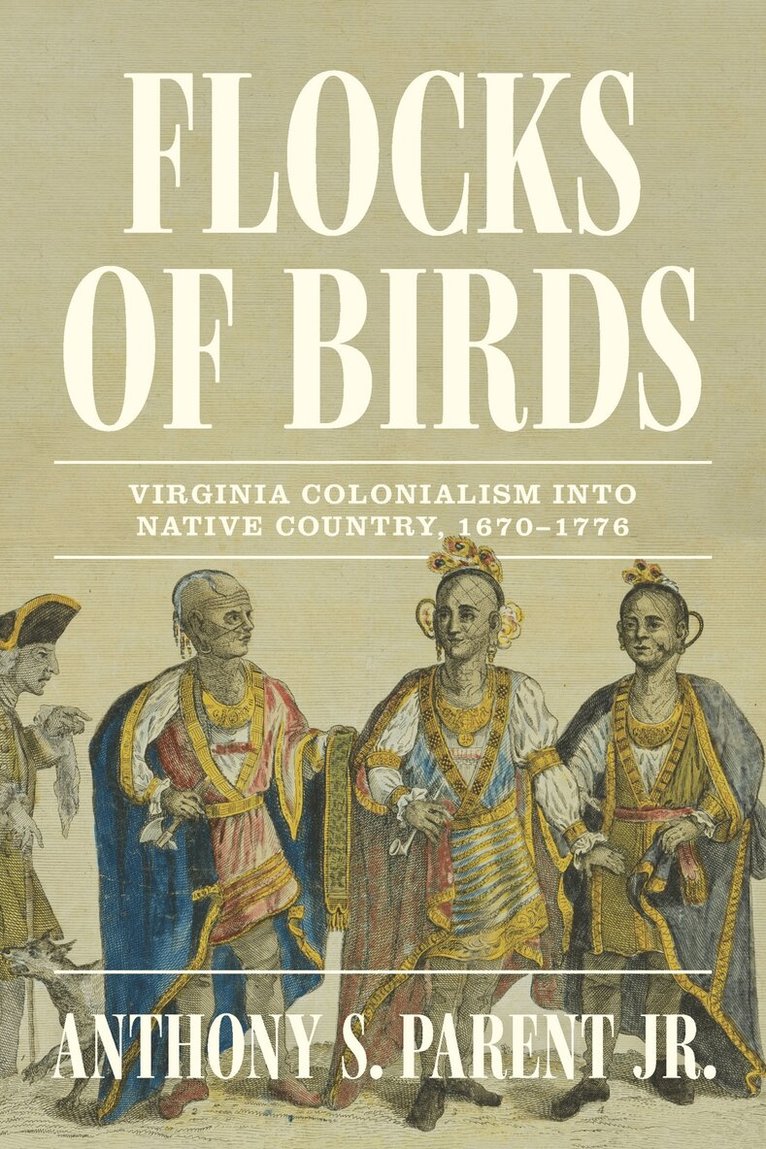
Centers Indigenous people and voices in the history of the vast expansion of Virginia colonialism into Appalachia Flocks of Birds is an inclusive and interconnected history of the Virginia colony, one that demonstrates the centrality of Native history to America's colonial history. By delving deep into the primary record, Anthony S. Parent explores the evolving Indigenous response to Virginia colonialism in Native country across three generations, from 1670 to 1776. As Virginia colonists expanded their settlements west from the Tidewater, they entered a region that was far from uninhabited wilderness. In 1685 more than 100,000 Indigenous people from dozens of nations lived in the Southern Appalachians. These were different groups than the Tsenacomoco (the Powhatan Paramount chiefdom) that colonists had encountered when they established their first permanent settlements along the coast. They included Susquehannock in the north; Shawnee and Seneca-Cayuga (Mingo) in the northwest; Saponi in the west; Tuscarora and Yamasee in the south; and the Ani'-Yun-wiya (Cherokee) in the southwest, among many others. Parent explores the complex interactions amongst and between Indigenous people, European colonists, and enslaved Africans.