Anthony Seaton – författare
Visar alla böcker från författaren Anthony Seaton. Handla med fri frakt och snabb leverans.
2 produkter
2 produkter
759 kr
Skickas inom 7-10 vardagar
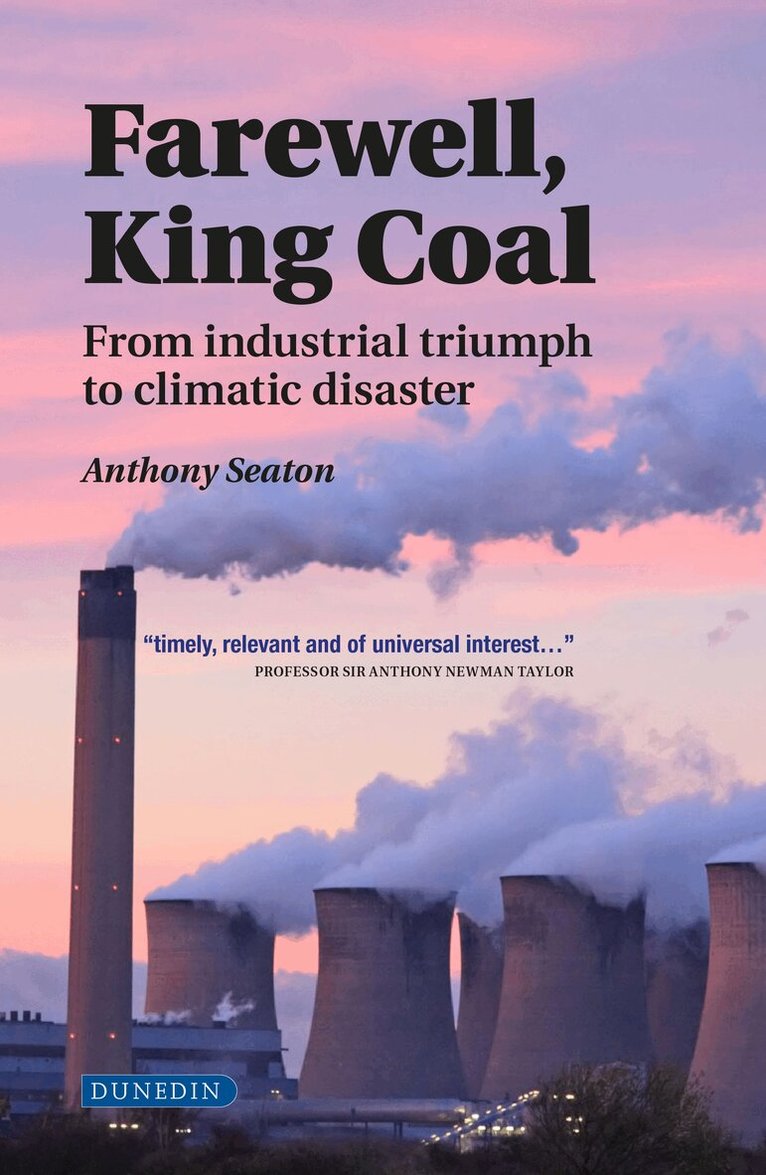
When the last deep coal mine in Britain closed in 2016 it marked the end of the most transformative era in the history of mankind. In writing this account of the rise and decline of the coal industry and its effects on the health of the miners, of those who worked with coal products and of almost all of us who have breathed in the pollution from its combustion, Professor Seaton points to the often hidden adverse consequences of transformative technologies. He also traces the early history of the discoveries that led to the concept of man-made climate change and discusses the converging threats to civilisation from unregulated technological advance. ‘I look back on the decline and death of the coal industry with mixed feelings and say, echoing the words of Shakespeare’s Richard II, “Farewell King Coal”. But I watch with interest the decline of oil as a fuel, soon perhaps to be followed by gas, a switch away from fossil fuels driven by understanding of climate change. This is my personal obituary of coal in the context of an individual’s medical career and a population’s increasing understanding of mankind’s place in the ecology of the Earth. It is the story of the most disruptive technology ever introduced by mankind and the consequential increasing prosperity of the western world, but also of the deaths and diseases caused by coal, its mining, utilisation and combustion, and of the scientific disputes that surrounded the medical discoveries. As such, it is an important part of the story of mankind’s unending struggle to survive on this restless planet in harmony with the animals, microbes, and plants that share it with us.’ From the Introduction by the author.
225 kr
Skickas inom 11-20 vardagar
In 2019, the Institute of Occupational Medicine (IOM) celebrates 50 years of endeavour to understand and prevent occupational and environmental ill health.The Institute of Occupational Medicine (IOM) is an organisation with a great history and unlimited potential for the future. This history of IOM provides a set of personal perspectives about the people, science and the major events that have shaped the organisation over the last 50 years. This is a story of adaptation and imaginative evolution in the face of changing times for research and services in occupational health. It tells of a change in emphasis from coal dust to nanoparticles, from predominantly preventive medical research to mainly provision of consultative, training and measurement services, from doing it all alone to international and national collaborations, and from a UK emphasis to an international presence, especially across Europe and in Singapore.In writing this book, the authors, all of whom have served in senior positions in IOM, have drawn heavily on their recollections as well as those of some current and former colleagues.This book has been written in celebration of IOM’s 50th anniversary; it is intended to preserve and highlight the exceptional work of those that have passed through the Institute’s doors.