Antonia Wimbush - Böcker
Visar alla böcker från författaren Antonia Wimbush. Handla med fri frakt och snabb leverans.
5 produkter
5 produkter
1 277 kr
Skickas
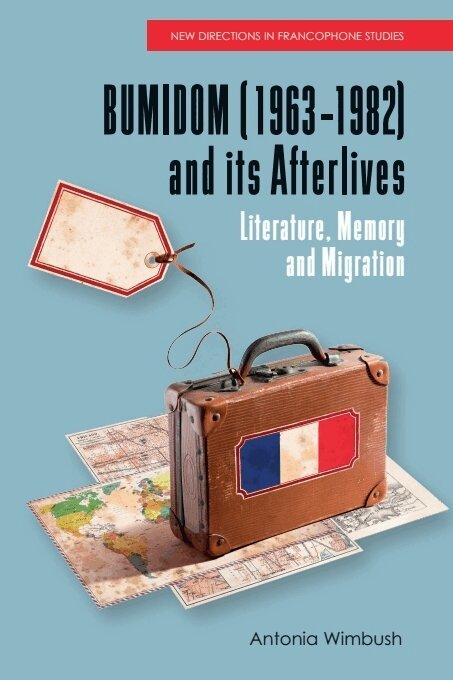
This book investigates cultural representations of the BUMIDOM (Bureau pour le developpement des migrations dans les departements d'outre-mer), a state-organised migration scheme which brought workers from Guadeloupe, Martinique, Reunion and French Guiana to mainland France between 1963 and 1982. It argues that the French government has not sufficiently commemorated the BUMIDOM through national frameworks such as museums and education systems. This would mean admitting that participants, who were French citizens, were treated as racialised migrants and second-class-citizens. Through a series of original case studies spanning life writing, novels, films, bande dessinee, children's fiction and music, the study demonstrates that it is cultural practitioners who, in the absence of adequate state representation, are undertaking this important memory work themselves. In a period in which Black identity is increasingly entering public debate in France, the book raises urgent questions about what it means to be a French citizen and a racial minority.
275 kr
Kommande
This book investigates cultural representations of the BUMIDOM (Bureau pour le développement des migrations dans les départements d’outre-mer), a state-organised migration scheme which brought workers from Guadeloupe, Martinique, Réunion and French Guiana to mainland France between 1963 and 1982. It argues that the French government has not sufficiently commemorated the BUMIDOM through national frameworks such as museums and education systems. This would mean admitting that participants, who were French citizens, were treated as racialised migrants and second-class-citizens. Through a series of original case studies spanning life writing, novels, films, bande dessinée, children’s fiction and music, the study demonstrates that it is cultural practitioners who, in the absence of adequate state representation, are undertaking this important memory work themselves. In a period in which Black identity is increasingly entering public debate in France, the book raises urgent questions about what it means to be a French citizen and a racial minority.
Del 140 - Modern French Identities
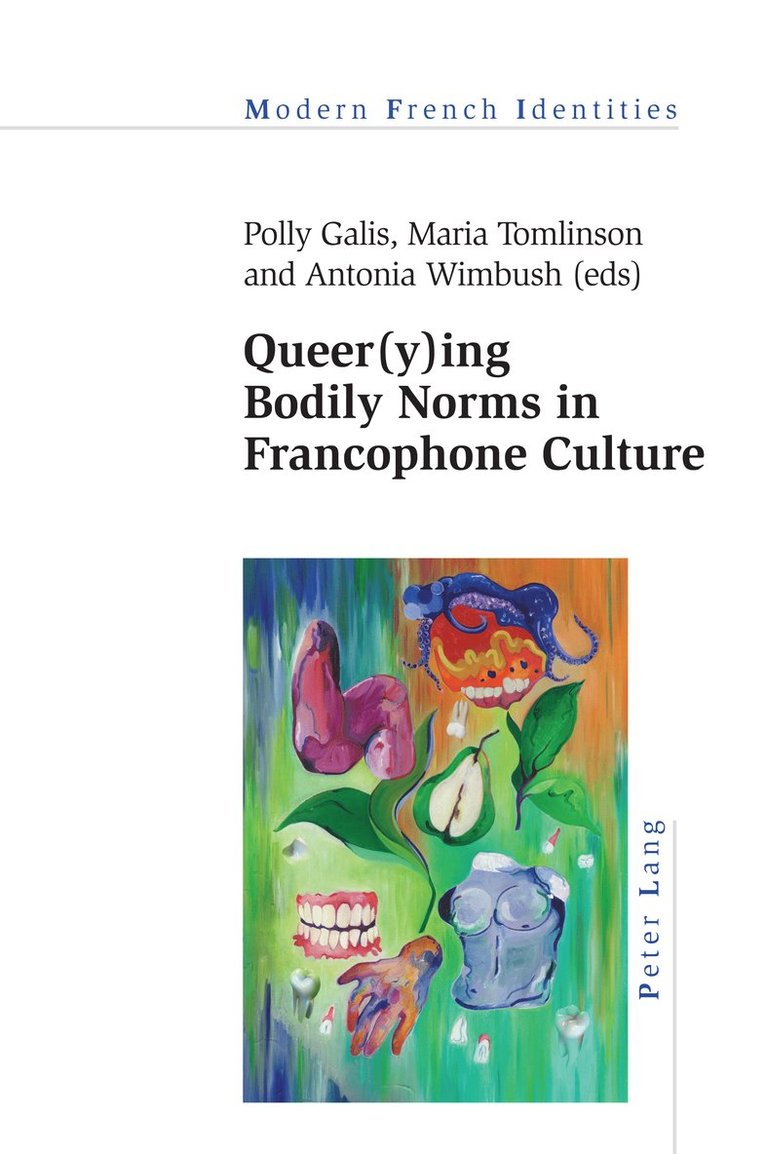
Queer(y)ing Bodily Norms in Francophone Culture
Häftad, Engelska, 2021
797 kr
Skickas inom 5-8 vardagar
Queer(y)ing Bodily Norms in Francophone Culture questions how a wide selection of restrictive norms come to bear on the body, through a close analysis of a range of texts, media and genres originating from across the francophone world and spanning the twentieth and twenty-first centuries. Each essay troubles hegemonic, monolithic perceptions and portrayals of racial, class, gender, sexual and/or national identity, rethinking bodily norms as portrayed in literature, film, theatre and digital media specifically from a queer and querying perspective. The volume thus takes «queer(y)ing» as its guiding methodology, an approach to culture and society which examines, questions and challenges normativity in all of its guises. The term «queer(y)ing» retains the celebratory tone of the term «queer» but avoids appropriating the identity of the LGBTQ+ community, a group which remains marginalized to this day. The publication reveals that evaluating the bodily norms depicted in francophone culture through a queer and querying lens allows us to fragment often oppressive and restrictive norms, and ultimately transform them.
Del 80 - Contemporary French and Francophone Cultures
Autofiction
A Female Francophone Aesthetic of Exile
Inbunden, Engelska, 2021
1 956 kr
Skickas inom 7-10 vardagar
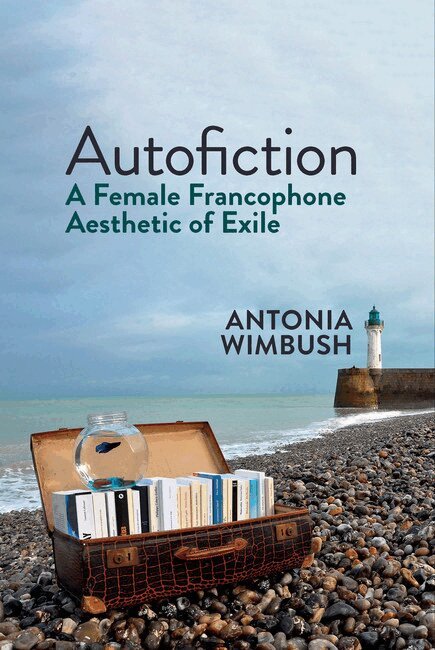
Autofiction: A Female Francophone Aesthetic of Exile explores the multiple aspects of exile, displacement, mobility, and identity as expressed in contemporary autofictional work written in French by women writers from across the francophone world. Drawing on postcolonial theory, gender theory, and autobiographical theory, the book analyses narratives of exile by six authors who are shaped by their multiple locales of attachment: Kim Lefèvre (Vietnam/France), Gisèle Pineau (Guadeloupe/mainland France), Nina Bouraoui (Algeria/France), Michèle Rakotoson (Madagascar/France), Véronique Tadjo (Côte d’Ivoire/France), and Abla Farhoud (Lebanon/Quebec). In this way, the book argues that the French colonial past continues to mould female articulations of mobility and identity in the postcolonial present.Responding to gaps in the critical discourse of exile, namely gender, this book brings genre in both its forms — gender and literary genre — to bear on narratives of exile, arguing that the reconceptualization of categories of mobility occurs specifically in women’s autofictional writing. The six authors complicate discussions of exile as they are highly mobile, hybrid subjects. This rootless existence, however, often renders them alienated and ‘out of place’. While ensuring not to trivialize the very real difficulties faced by those whose exile is not a matter of choice, the book argues that the six authors experience their hybridity as both a literal and a metaphorical exile, a source of both creativity and trauma.
Del 80 - Contemporary French and Francophone Cultures
Autofiction
A Female Francophone Aesthetic of Exile
Häftad, Engelska, 2024
504 kr
Skickas inom 7-10 vardagar
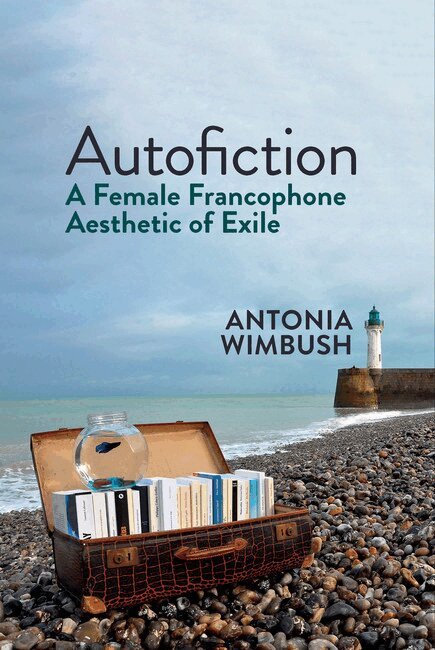
Autofiction: A Female Francophone Aesthetic of Exile explores the multiple aspects of exile, displacement, mobility, and identity as expressed in contemporary autofictional work written in French by women writers from across the francophone world. Drawing on postcolonial theory, gender theory, and autobiographical theory, the book analyses narratives of exile by six authors who are shaped by their multiple locales of attachment: Kim Lefèvre (Vietnam/France), Gisèle Pineau (Guadeloupe/mainland France), Nina Bouraoui (Algeria/France), Michèle Rakotoson (Madagascar/France), Véronique Tadjo (Côte d’Ivoire/France), and Abla Farhoud (Lebanon/Quebec). In this way, the book argues that the French colonial past continues to mould female articulations of mobility and identity in the postcolonial present.Responding to gaps in the critical discourse of exile, namely gender, this book brings genre in both its forms — gender and literary genre — to bear on narratives of exile, arguing that the reconceptualization of categories of mobility occurs specifically in women’s autofictional writing. The six authors complicate discussions of exile as they are highly mobile, hybrid subjects. This rootless existence, however, often renders them alienated and ‘out of place’. While ensuring not to trivialize the very real difficulties faced by those whose exile is not a matter of choice, the book argues that the six authors experience their hybridity as both a literal and a metaphorical exile, a source of both creativity and trauma.