Antonio Feros – författare
Visar alla böcker från författaren Antonio Feros. Handla med fri frakt och snabb leverans.
8 produkter
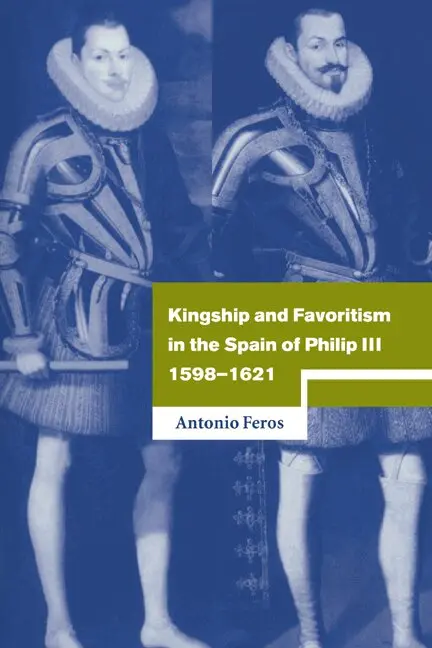
Kingship and Favoritism in the Spain of Philip III, 1598-1621
Av Antonio Feros, John Elliott m. fl.
Häftad, 2006
586 kr
Lägg i varukorg
The enthronement of Philip III of Spain (Philip II's son and heir) in 1598 also meant the rise to power of the duke of Lerma, the first of a series of European favourites/prime ministers who influenced greatly politics, government, court culture and the arts during the seventeenth century. This …
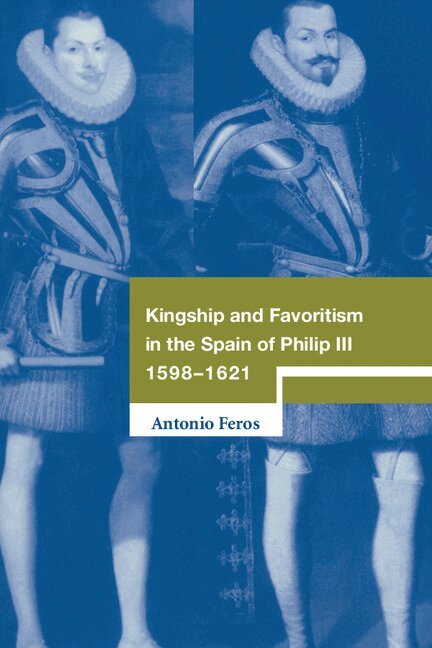
Kingship and Favoritism in the Spain of Philip III, 1598-1621
Inbunden, 2000
1920 kr
Lägg i varukorg
The enthronement of Philip III of Spain (Philip II's son and heir) in 1598 also meant the rise to power of the duke of Lerma, the first of a series of European favourites/prime ministers who influenced greatly politics, government, court culture and the arts during the seventeenth century. This …
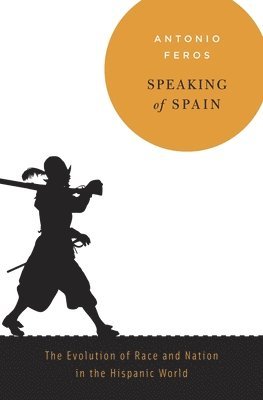
Speaking of Spain
The Evolution of Race and Nation in the Hispanic World
Inbunden, 2017
500 kr
Lägg i varukorg
Momentous changes swept Spain in the fifteenth century. A royal marriage united Castile and Aragon, its two largest kingdoms. The last Muslim emirate on the Iberian Peninsula fell to Spanish Catholic armies. And conquests in the Americas were turning Spain into a great empire. Yet few in this …
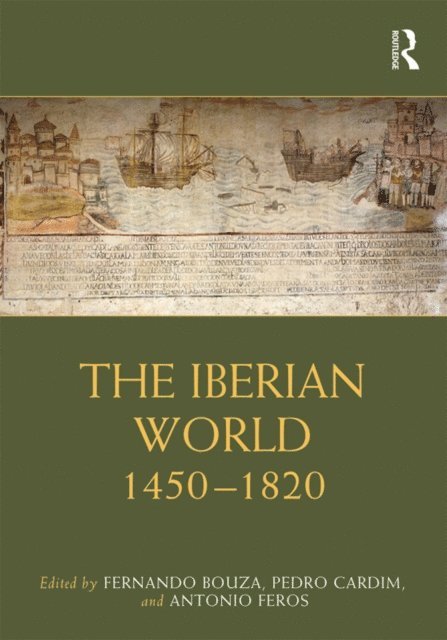
Iberian World
1450–1820
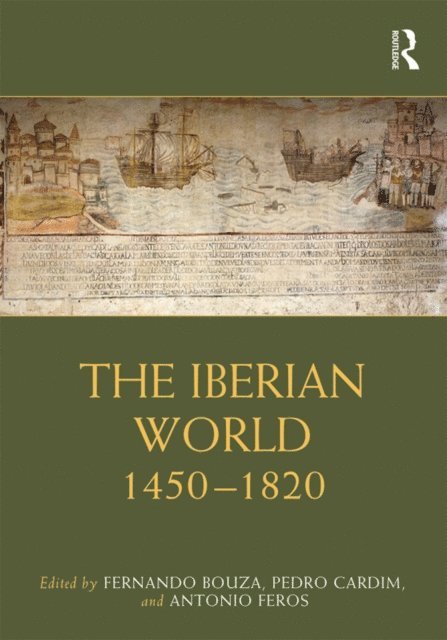
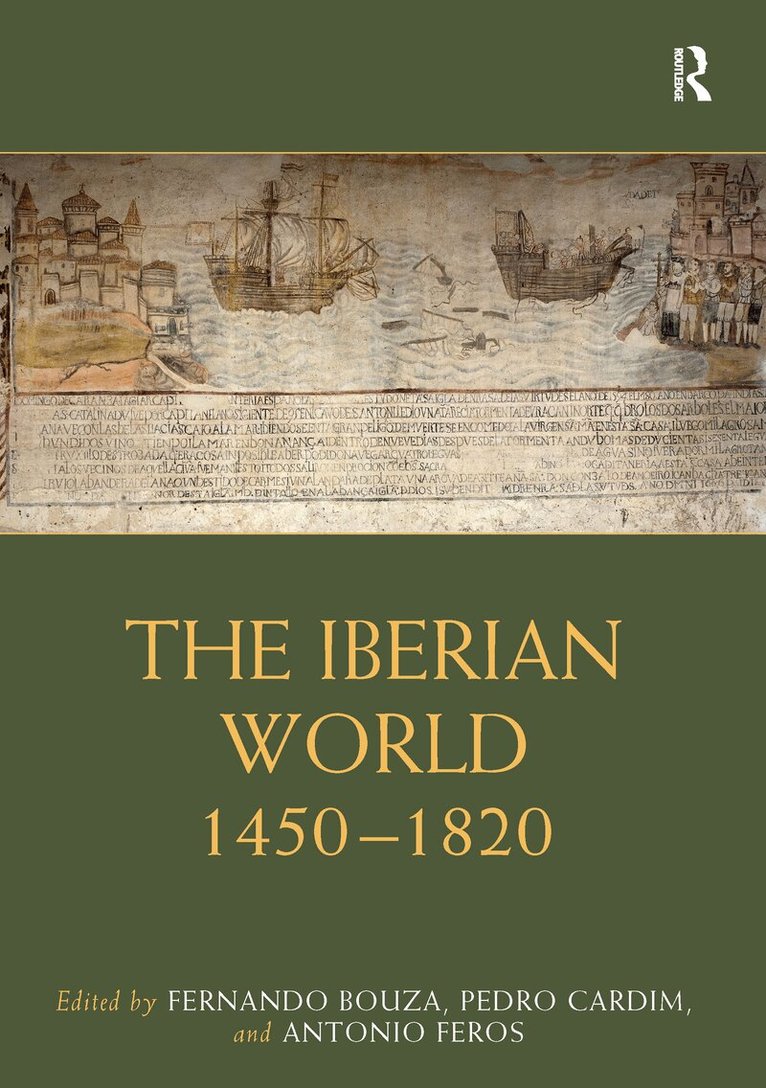
Av Antonio Feros, Pedro Cardim m. fl.
E-bok, 2019
907 kr
Lägg i varukorg
The Iberian World: 1450–1820 brings together, for the first time in English, the latest research in Iberian studies, providing in-depth analysis of fifteenth- to early nineteenth-century Portugal and Spain, their European possessions, and the African, Asian, and American peoples that were under …
Iberian World
1450–1820
Av Antonio Feros, Pedro Cardim m. fl.
E-bok, 2019
907 kr
Lägg i varukorg
The Iberian World: 1450–1820 brings together, for the first time in English, the latest research in Iberian studies, providing in-depth analysis of fifteenth- to early nineteenth-century Portugal and Spain, their European possessions, and the African, Asian, and American peoples that were under …
Iberian World
1450–1820
Av Fernando Bouza, Pedro Cardim m. fl.
Häftad, 2021
787 kr
Lägg i varukorg
The Iberian World: 1450–1820 brings together, for the first time in English, the latest research in Iberian studies, providing in-depth analysis of fifteenth- to early nineteenth-century Portugal and Spain, their European possessions, and the African, Asian, and American peoples that were under …
Iberian World
1450–1820
Av Fernando Bouza, Pedro Cardim m. fl.
Inbunden, 2019
3906 kr
Lägg i varukorg
The Iberian World: 1450–1820 brings together, for the first time in English, the latest research in Iberian studies, providing in-depth analysis of fifteenth- to early nineteenth-century Portugal and Spain, their European possessions, and the African, Asian, and American peoples that were under …
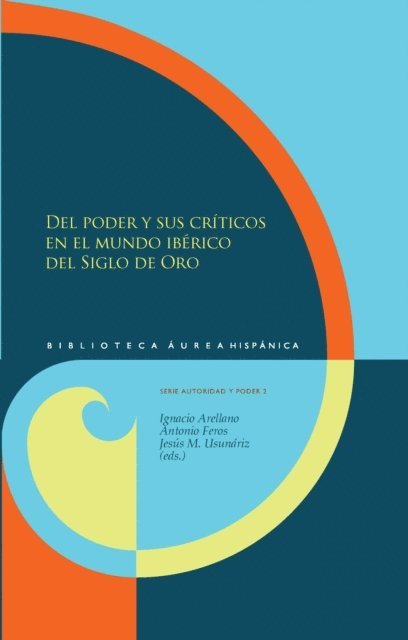
Del poder y sus críticos en el mundo ibérico del Siglo de Oro
Av Antonio Feros, Ignacio Arellano
E-bok, 2015
408 kr
Lägg i varukorg
Del poder y sus críticos en el mundo ibérico del Siglo de Oro analiza cuestiones como la imagen del rey, del privado y del gobernante ideal, los problemas morales derivados de la candente cuestión de la "razón de Estado", la forma de abordar la crisis política, social, económica o ética en un mundo …