Antony Kalashnikov – författare
Visar alla böcker från författaren Antony Kalashnikov. Handla med fri frakt och snabb leverans.
6 produkter
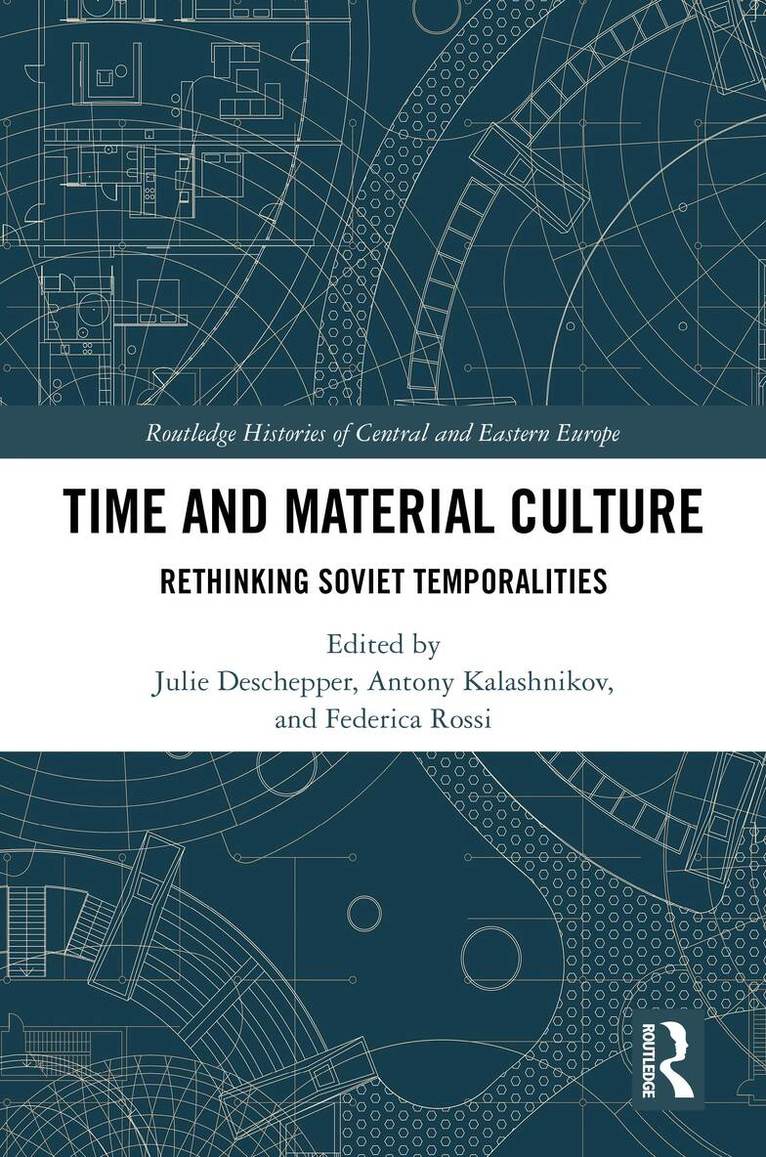
Time and Material Culture
Rethinking Soviet Temporalities
Av Julie Deschepper, Antony Kalashnikov m. fl.
Inbunden, 2024
2504 kr
Lägg i varukorg
This edited volume offers an original exploration into the ways in which Soviet culture and experience of time were unique, examining the temporalities expressed in the world of socialist things: from the objects of everyday life to urban architecture.Grounding the analysis of Soviet temporalities …
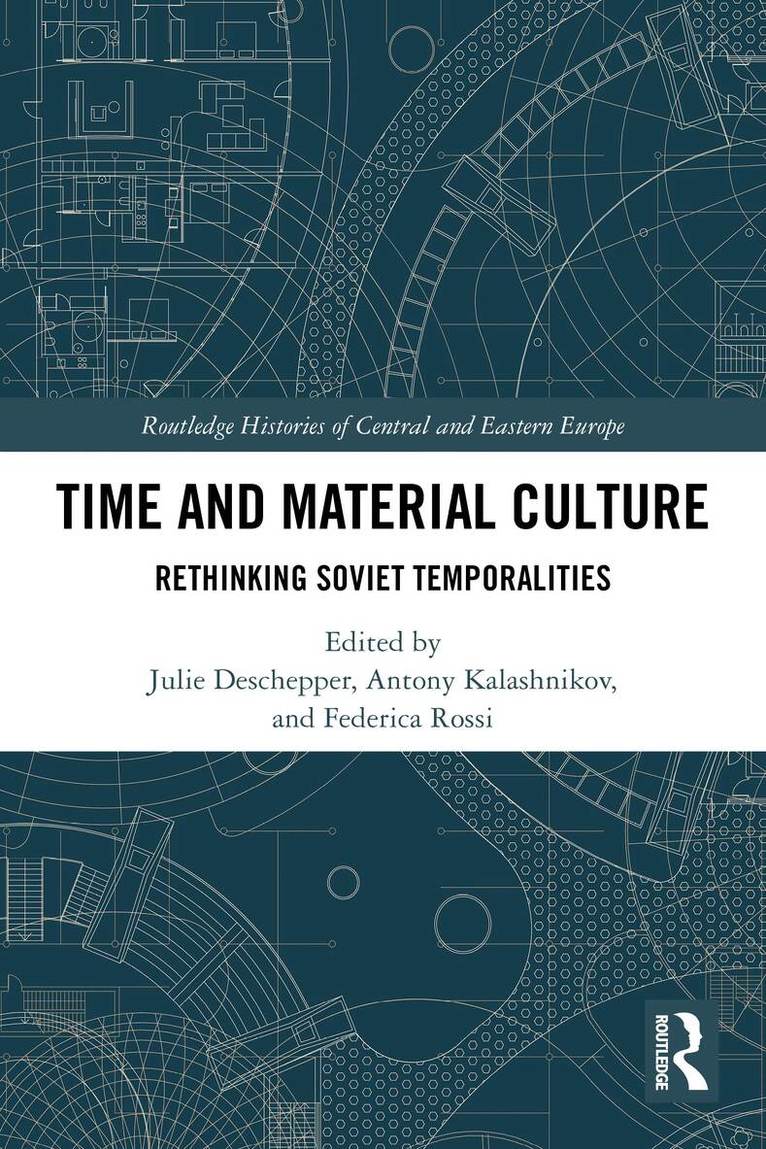
Time and Material Culture
Rethinking Soviet Temporalities
Av Julie Deschepper, Antony Kalashnikov m. fl.
Häftad, 2026
725 kr
Lägg i varukorg
This edited volume offers an original exploration into the ways in which Soviet culture and experience of time were unique, examining the temporalities expressed in the world of socialist things: from the objects of everyday life to urban architecture.Grounding the analysis of Soviet temporalities …
Time and Material Culture
Rethinking Soviet Temporalities
Av Federica Rossi, Antony Kalashnikov m. fl.
E-bok, 2024
838 kr
Lägg i varukorg
This edited volume offers an original exploration into the ways in which Soviet culture and experience of time were unique, examining the temporalities expressed in the world of socialist things: from the objects of everyday life to urban architecture. Grounding the analysis of Soviet temporalities …
Time and Material Culture
Rethinking Soviet Temporalities
Av Federica Rossi, Antony Kalashnikov m. fl.
E-bok, 2024
838 kr
Lägg i varukorg
This edited volume offers an original exploration into the ways in which Soviet culture and experience of time were unique, examining the temporalities expressed in the world of socialist things: from the objects of everyday life to urban architecture. Grounding the analysis of Soviet temporalities …
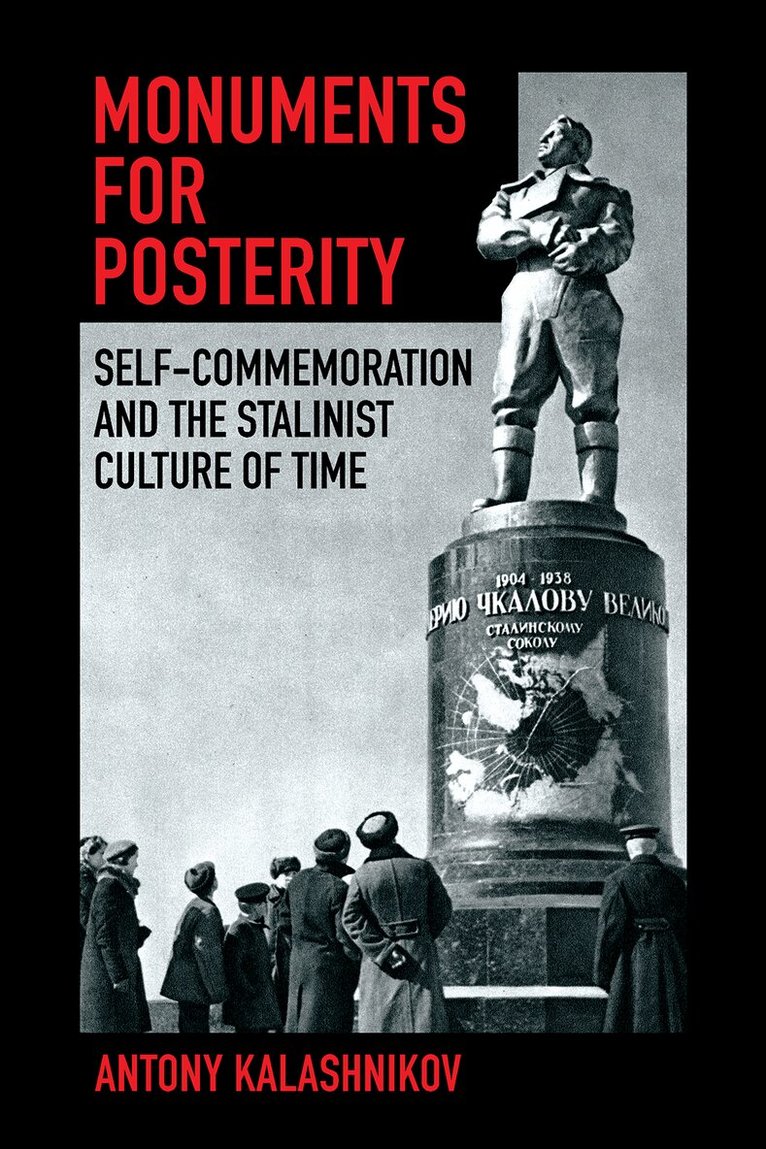
Monuments for Posterity
Self-Commemoration and the Stalinist Culture of Time
Inbunden, 2023
1690 kr
Lägg i varukorg
Monuments for Posterity challenges the common assumption that Stalinist monuments were constructed with an immediate, propagandistic function, arguing instead that they were designed to memorialize the present for an imagined posterity. In this respect, even while pursuing its monument-building …
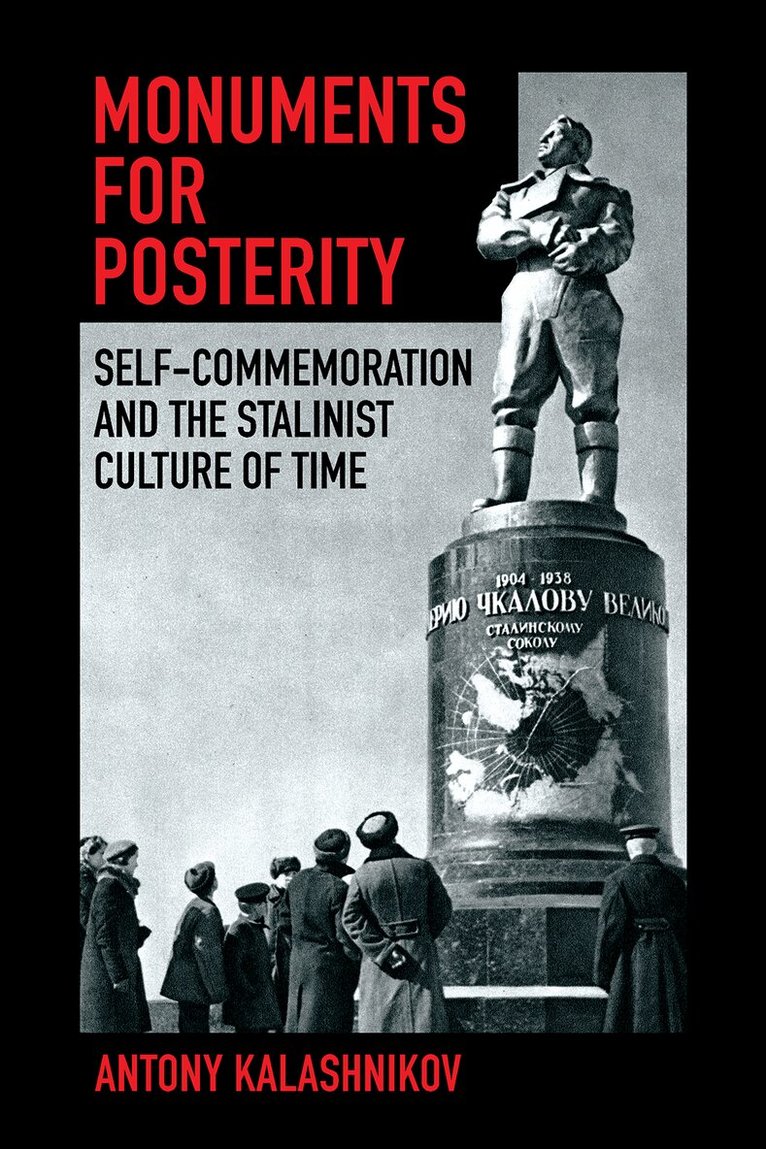
Monuments for Posterity
Self-Commemoration and the Stalinist Culture of Time
Häftad, 2024
370 kr
Lägg i varukorg
Monuments for Posterity challenges the common assumption that Stalinist monuments were constructed with an immediate, propagandistic function, arguing instead that they were designed to memorialize the present for an imagined posterity. In this respect, even while pursuing its monument-building …