Anup Dhar – författare
Visar alla böcker från författaren Anup Dhar. Handla med fri frakt och snabb leverans.
12 produkter
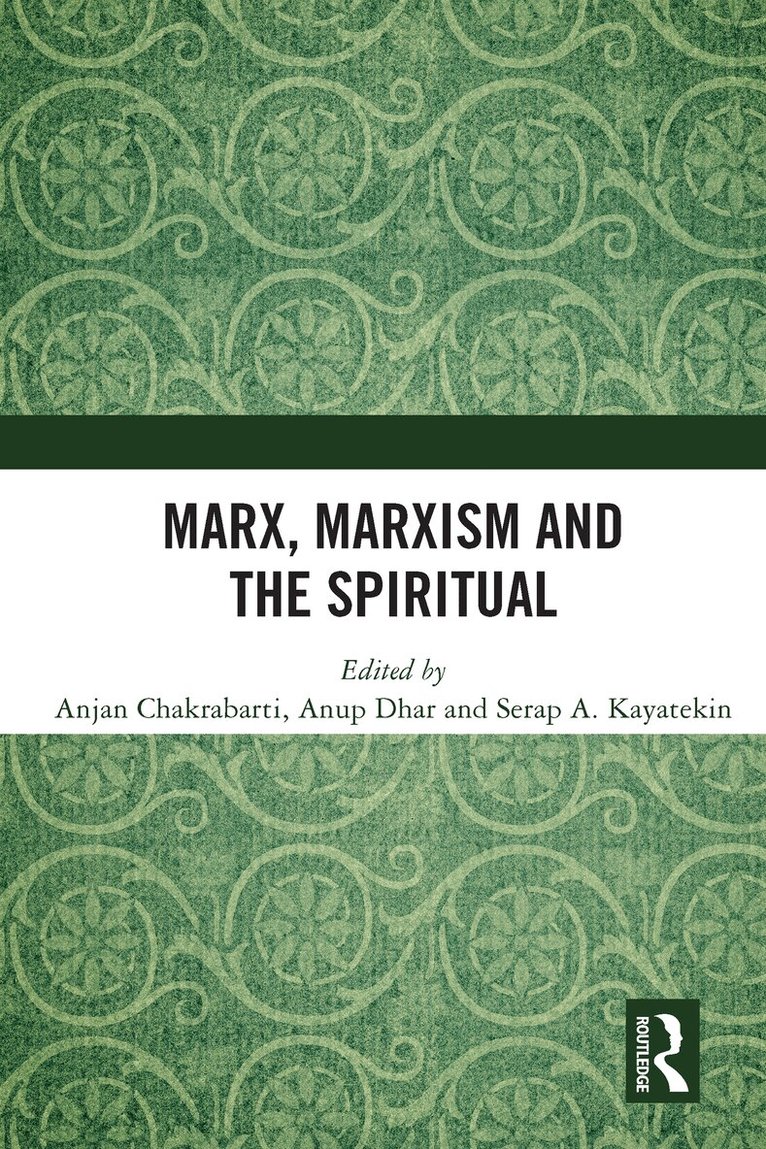
Marx, Marxism and the Spiritual
Av Anjan Chakrabarti, Anup Dhar m. fl.
Häftad, 2024
691 kr
Lägg i varukorg
While Marxian theory has produced a sound and rigorous critique of capitalism, has it faltered in its own practice of social transformation? Has it faltered because of the Marxian insistence on the hyper-secularization of political cultures? The history of religions – with the exception of some …
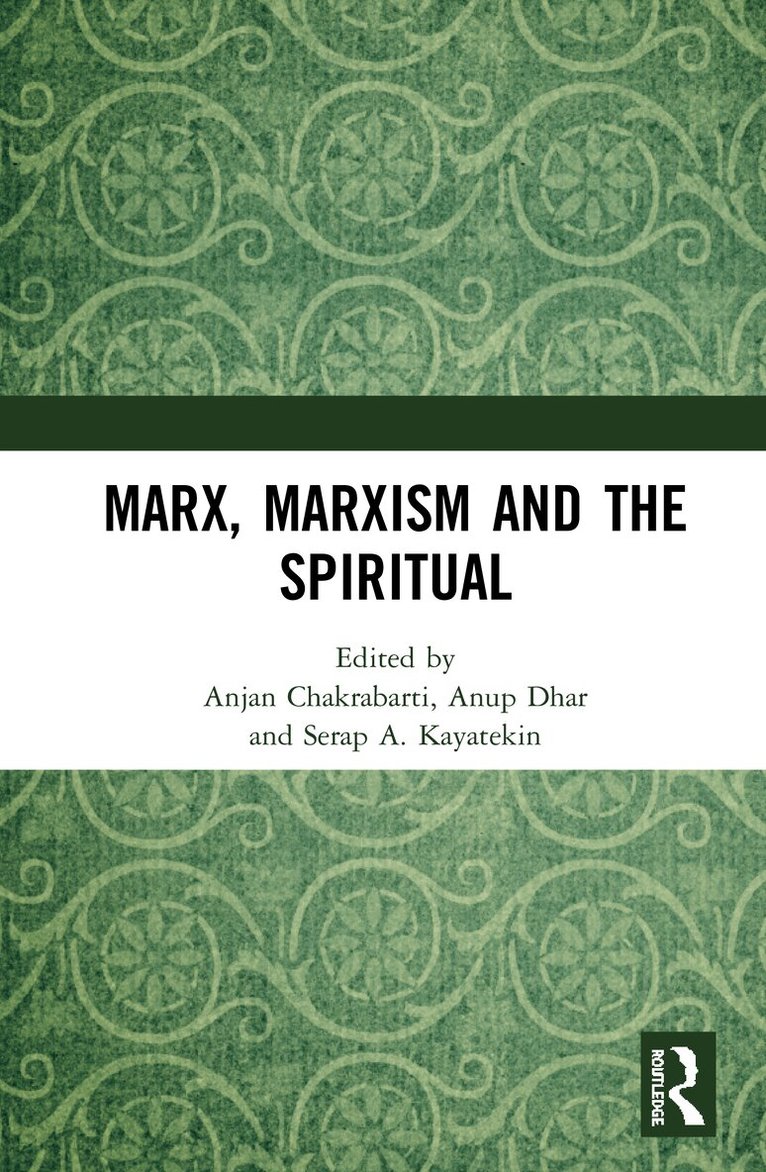
Marx, Marxism and the Spiritual
Av Anjan Chakrabarti, Anup Dhar m. fl.
Inbunden, 2020
2510 kr
Lägg i varukorg
While Marxian theory has produced a sound and rigorous critique of capitalism, has it faltered in its own practice of social transformation? Has it faltered because of the Marxian insistence on the hyper-secularization of political cultures? The history of religions – with the exception of some …
Marx, Marxism and the Spiritual
Av Serap A. Kayatekin, Anup Dhar m. fl.
E-bok, 2020
814 kr
Lägg i varukorg
While Marxian theory has produced a sound and rigorous critique of capitalism, has it faltered in its own practice of social transformation? Has it faltered because of the Marxian insistence on the hyper-secularization of political cultures? The history of religions – with the exception of some …
Marx, Marxism and the Spiritual
Av Serap A. Kayatekin, Anup Dhar m. fl.
E-bok, 2020
814 kr
Lägg i varukorg
While Marxian theory has produced a sound and rigorous critique of capitalism, has it faltered in its own practice of social transformation? Has it faltered because of the Marxian insistence on the hyper-secularization of political cultures? The history of religions – with the exception of some …
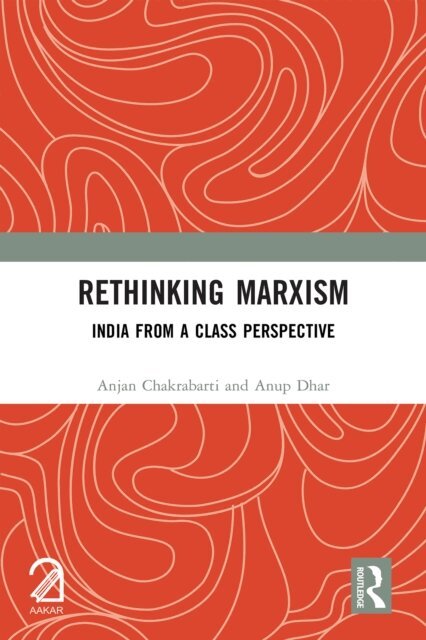
Rethinking Marxism
India from a Class Perspective
Av Anup Dhar, Anjan Chakrabarti
E-bok, 2026
831 kr
Lägg i varukorg
This comprehensive collection examines Marxist theory through contemporary Indian economic and social contexts. The work provides critical analysis of class formation, working class conditions, and labor relations in postcolonial India. Twenty-one chapters explore capitalism, primitive …
Rethinking Marxism
India from a Class Perspective
Av Anup Dhar, Anjan Chakrabarti
E-bok, 2026
831 kr
Lägg i varukorg
This comprehensive collection examines Marxist theory through contemporary Indian economic and social contexts. The work provides critical analysis of class formation, working class conditions, and labor relations in postcolonial India. Twenty-one chapters explore capitalism, primitive …
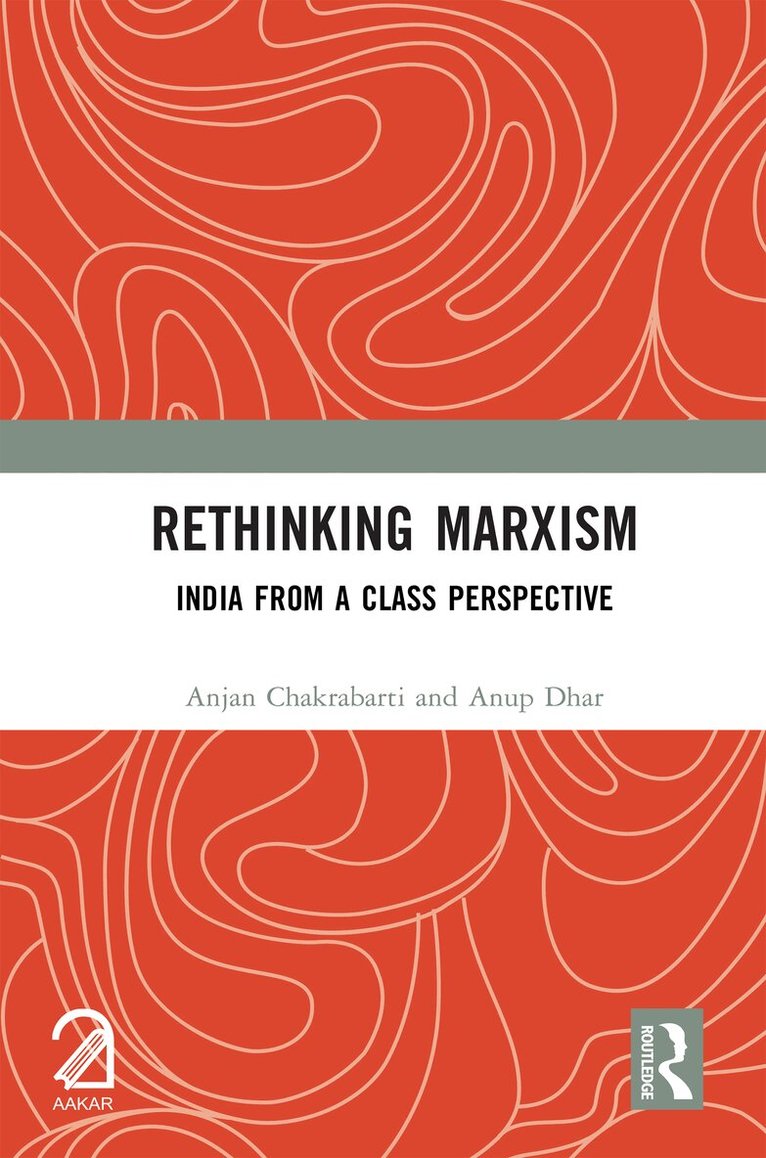
Rethinking Marxism
India from a Class Perspective
Av Anjan Chakrabarti, Anup Dhar
Inbunden, 2026
2510 kr
Lägg i varukorg
This comprehensive collection examines Marxist theory through contemporary Indian economic and social contexts. The work provides critical analysis of class formation, working class conditions, and labor relations in postcolonial India. Twenty-one chapters explore capitalism, primitive …
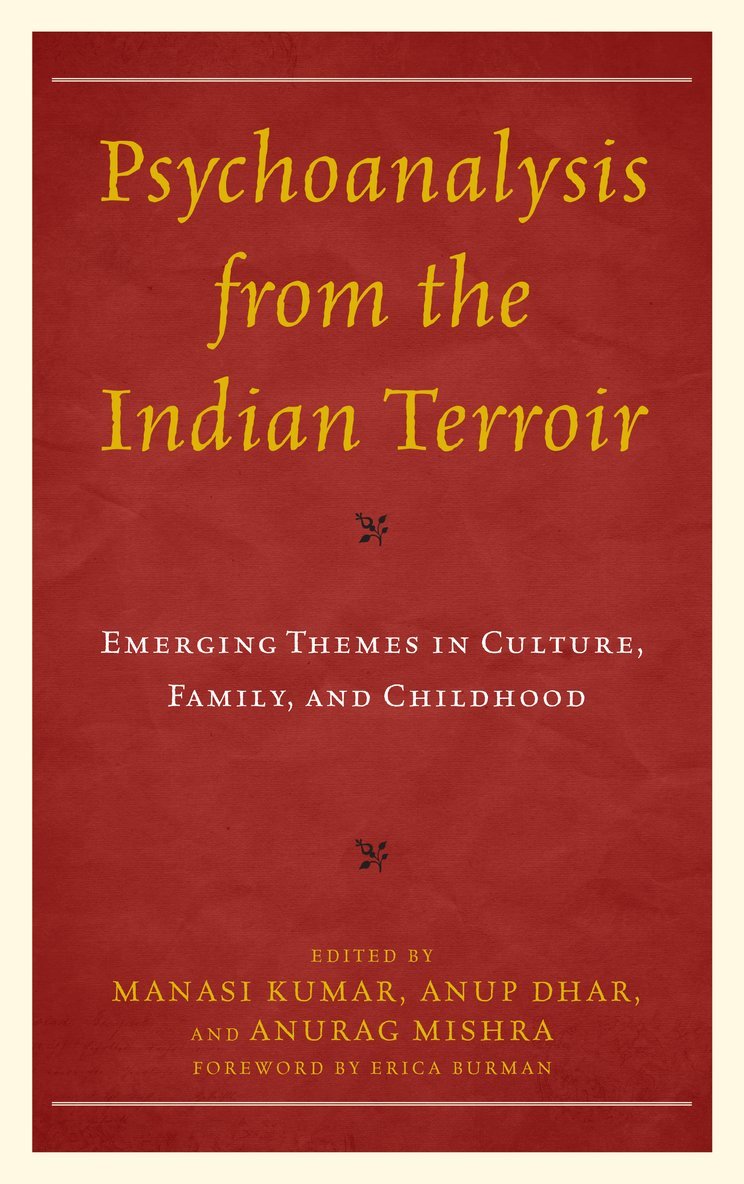
Psychoanalysis from the Indian Terroir
Emerging Themes in Culture, Family, and Childhood
Av Manasi Kumar, Anup Dhar m. fl.
Inbunden, 2018
1243 kr
Lägg i varukorg
In Psychoanalysis from the Indian Terroir, Manasi Kumar, Anup Dhar, and Anurag Mishra discuss the synergies and diachronic thought that is emblematic of the current psychoanalytic narrative in India and examine what psychoanalysis in India could become. The contributors to this edited collection …
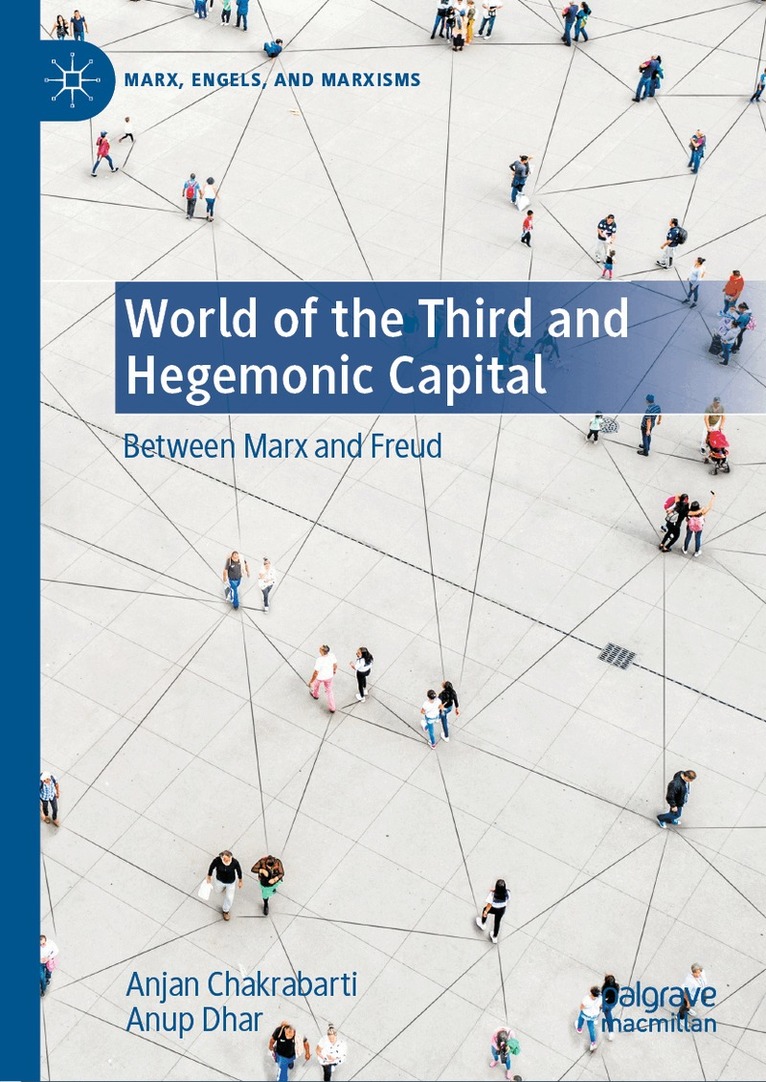
World of the Third and Hegemonic Capital
Between Marx and Freud
Av Anjan Chakrabarti, Anup Dhar
Inbunden, 2023
1641 kr
Lägg i varukorg
This book brings together Marxian philosophy and Lacanian psychoanalysis to argue that the hegemonic form of global capital is founded on the foreclosure of class and world of the third. The authors counterpose the world of the third to the mainstream notion of the third world, seen as a lacking …
World of the Third and Hegemonic Capital
Between Marx and Freud
Av Anup Dhar, Anjan Chakrabarti
E-bok, 2023
1992 kr
Lägg i varukorg
This book brings together Marxian philosophy and Lacanian psychoanalysis to argue that the hegemonic form of global capital is founded on the foreclosure of class and world of the third. The authors counterpose the world of the third to the mainstream notion of the third world, seen as a lacking …
World of the Third and Hegemonic Capital : Between Marx and Freud
Av Anjan Chakrabarti, Anup Dhar
2023
652 kr
Lägg i varukorg
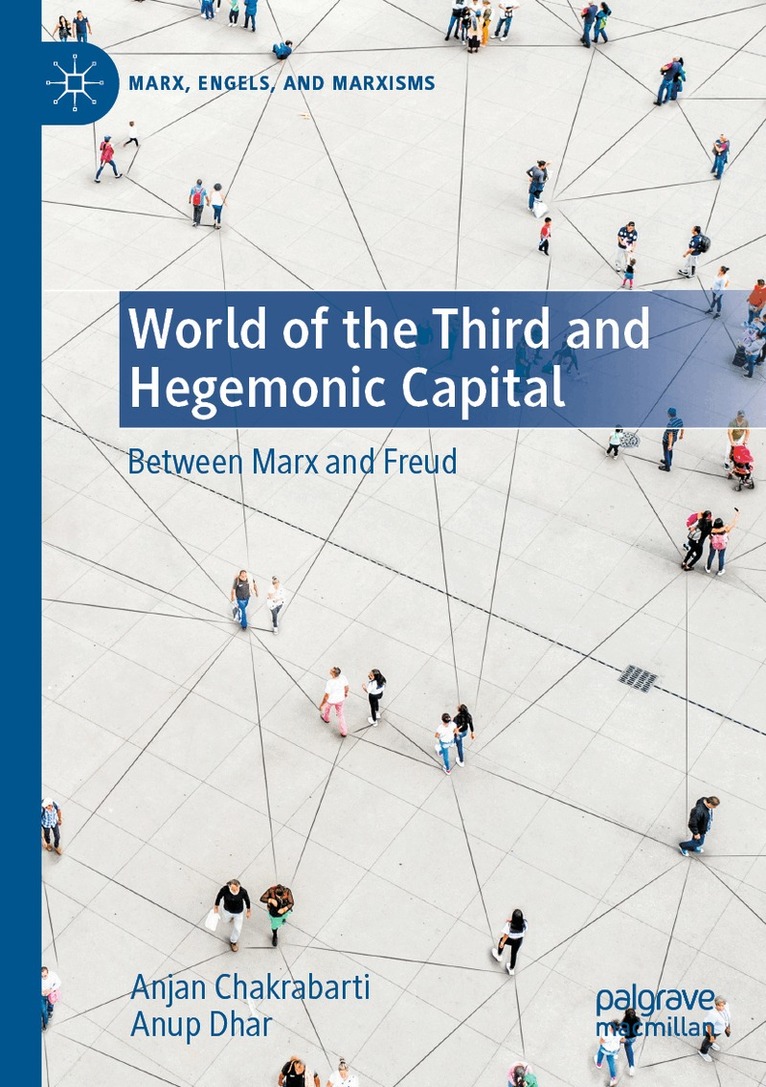
World of the Third and Hegemonic Capital
Between Marx and Freud
Av Anjan Chakrabarti, Anup Dhar
Häftad, 2024
1641 kr
Lägg i varukorg
This book brings together Marxian philosophy and Lacanian psychoanalysis to argue that the hegemonic form of global capital is founded on the foreclosure of class and world of the third. The authors counterpose the world of the third to the mainstream notion of the third world, seen as a lacking …