Apostolos Doxiadis – författare
Visar alla böcker från författaren Apostolos Doxiadis. Handla med fri frakt och snabb leverans.
8 produkter
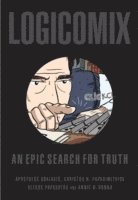
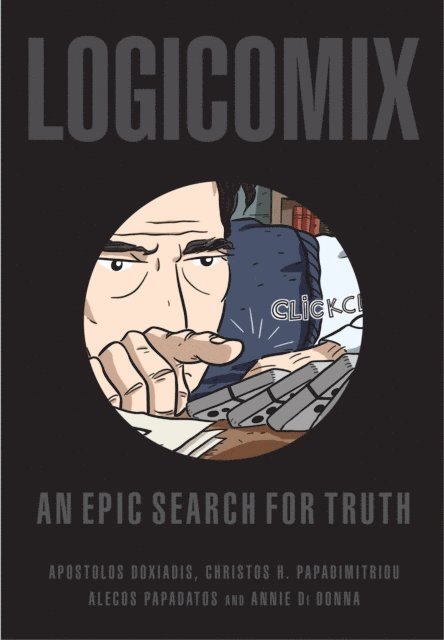
Logicomix
An Epic Search for Truth
Av Apostolos Doxiadis, Christos H. Papadimitriou
Häftad, 2009
5,0 utav 5 stjärnor. Totalt antal röster: (4)
215 kr
Lägg i varukorg
This brilliantly illustrated tale of reason, insanity, love and truth recounts the story of Bertrand Russell's life. Raised by his paternal grandparents, young Russell was never told the whereabouts of his parents. Driven by a desire for knowledge of his own history, he attempted to force the world …
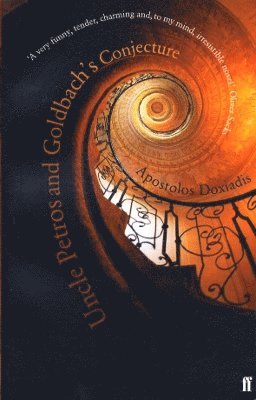
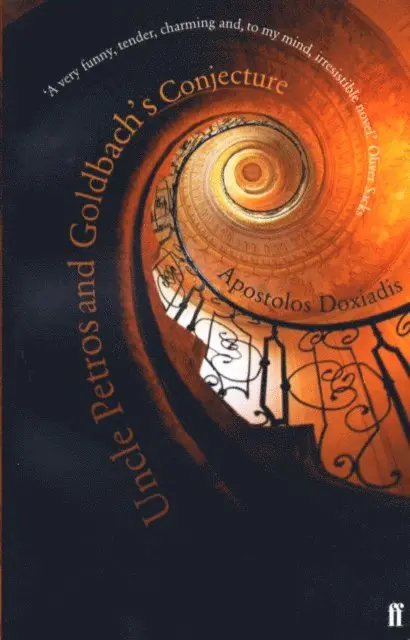
Uncle Petros and Goldbach's Conjecture
Häftad, 2001
4,0 utav 5 stjärnor. Totalt antal röster: (1)
130 kr
Lägg i varukorg
Uncle Petros is a family joke. An ageing recluse, he lives alone in a suburb of Athens, playing chess and tending to his garden. If you didn't know better, you'd surely think he was one of life's failures. But his young nephew suspects otherwise. For Uncle Petros, he discovers, was once a …
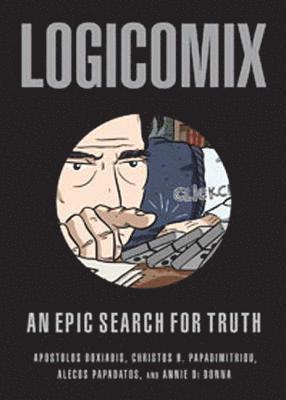
Logicomix
An epic search for truth
Av Apostolos Doxiadis, Christos Papadimitriou
Häftad, 2009
331 kr
Lägg i varukorg
This exceptional graphic novel recounts the spiritual odyssey of philosopher Bertrand Russell. In his agonized search for absolute truth, Russell crosses paths with legendary thinkers like Gottlob Frege, David Hilbert, and Kurt Gödel, and finds a passionate student in the great Ludwig Wittgenstein. …
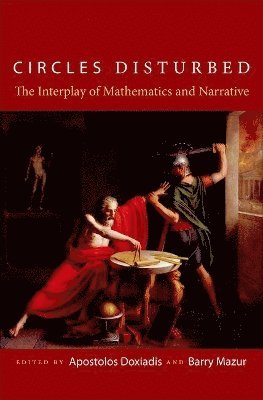
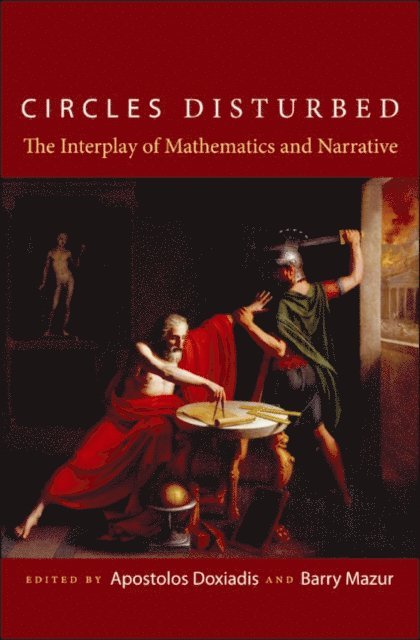
Circles Disturbed
The Interplay of Mathematics and Narrative
Av Apostolos Doxiadis, Barry Mazur
Inbunden, 2012
661 kr
Lägg i varukorg
Circles Disturbed brings together important thinkers in mathematics, history, and philosophy to explore the relationship between mathematics and narrative. The book's title recalls the last words of the great Greek mathematician Archimedes before he was slain by a Roman soldier--"Don't disturb my …
Uncle Petros and Goldbach's Conjecture
E-bok, 2012
129 kr
Lägg i varukorg
Uncle Petros is a family joke. An ageing recluse, he lives alone in a suburb of Athens, playing chess and tending to his garden. If you didn't know better, you'd surely think he was one of life's failures. But his young nephew suspects otherwise. For Uncle Petros, he discovers, was once a …
Circles Disturbed
The Interplay of Mathematics and Narrative
Av Barry Mazur, Apostolos Doxiadis
E-bok, 2012
927 kr
Lägg i varukorg
Why narrative is essential to mathematics Circles Disturbed brings together important thinkers in mathematics, history, and philosophy to explore the relationship between mathematics and narrative. The book''s title recalls the last words of the great Greek mathematician Archimedes before he was …
Logicomix
An Epic Search for Truth
Av Apostolos Doxiadis, Christos Papadimitriou
E-bok, 2015
204 kr
Lägg i varukorg
This exceptional graphic novel recounts the spiritual odyssey of philosopher Bertrand Russell. In his agonized search for absolute truth, Russell crosses paths with legendary thinkers like Gottlob Frege, David Hilbert, and Kurt Gödel, and finds a passionate student in the great Ludwig Wittgenstein. …
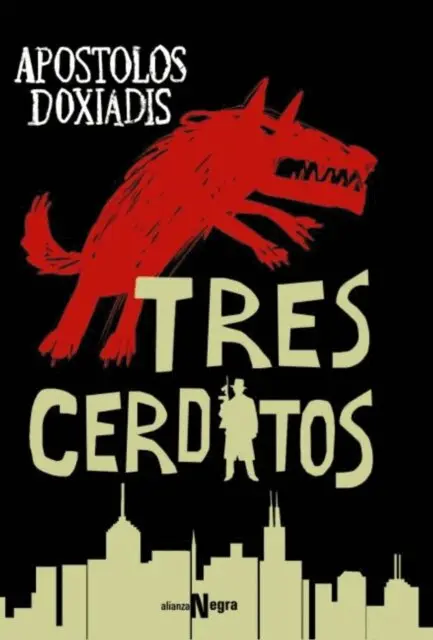
Tres cerditos
E-bok, 2017
49 kr
Lägg i varukorg
¿Qué haríamos si supiéramos cuándo vamos a morir? Benvenuto Franco, un zapatero y emigrante italiano que ha americanizado su nombre por el de Ben Frank, amargado por las deudas y la pérdida de su esposa, mata en una pelea de bar al único hijo de Tonio Lupo, un temido capo de la mafia neoyorquina. …