
Arieh L. Shenkman – författare
Visar alla böcker från författaren Arieh L. Shenkman. Handla med fri frakt och snabb leverans.
4 produkter
4 produkter
2 134 kr
Skickas inom 10-15 vardagar
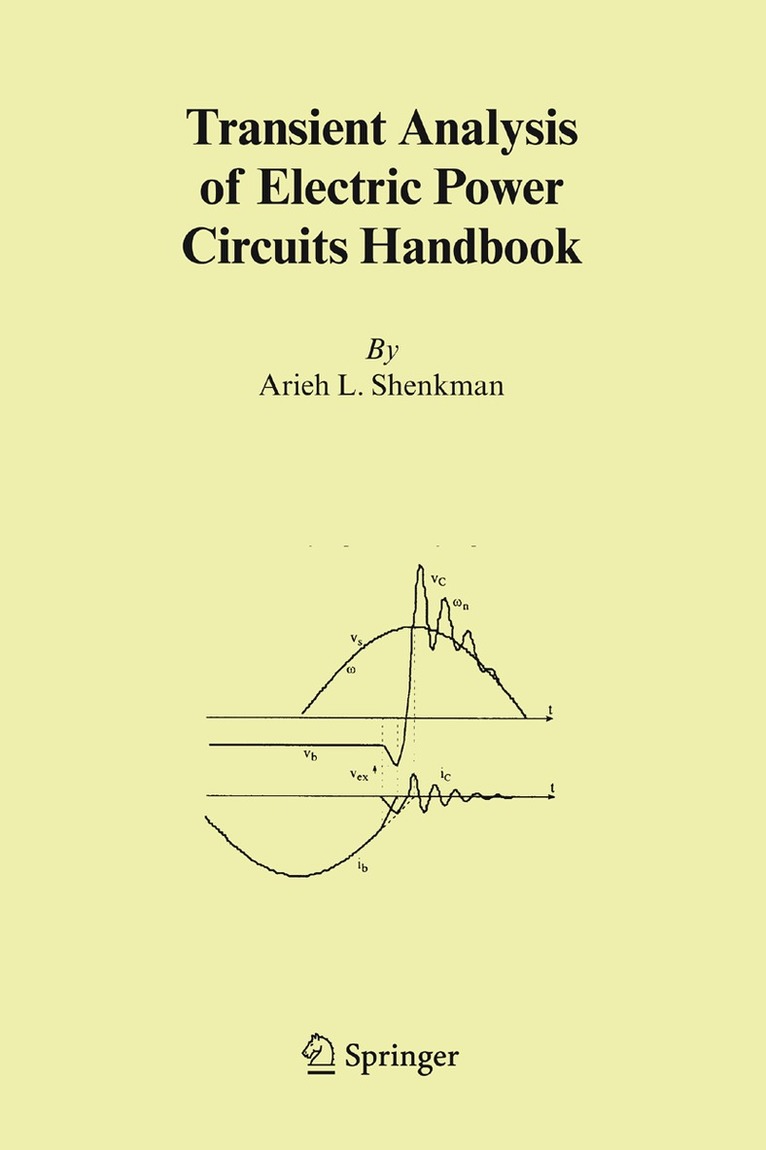
Every now and then, a good book comes along and quite rightfully makes itself a distinguished place amongthe existing books of the electric power engineering literature. This book by Professor Arieh Shenkman is one of them. Today, there are many excellent textbooks dealing with topics in power systems. Some of them are considered to be classics. However, many of them do not particularly address, nor concentrate on, topics dealing with transient analysis of electrical power systems. Many of the fundamental facts concerning the transient behavior of electric circuits were well explored by Steinmetz and other early pioneers of electrical power engineering. Among others, Electrical Transients in Power Systems by Allan Greenwood is worth mentioning. Even though basic knowledge of tr- sients may not have advanced in recent years at the same rate as before, there has been a tremendous proliferation in the techniques used to study transients. Theapplicationofcomputerstothestudyoftransientphenomenahasincreased both the knowledge as well as the accuracy of calculations. Furthermore, the importance of transients in power systems is receiving more and more attention in recent years as a result of various blackouts, brownouts, and recent collapses of some large power systems in the United States, and other parts of the world. As electric power consumption grows exponentially due to increasing population, modernization, and industrialization of the so-called third world, this topic will be even more important in the future than it is at the present time.
2 134 kr
Skickas inom 10-15 vardagar
The coverage is comprehensive with the first chapters reviewing the basics in a generalised manner before the author concentrates upon more advanced material. The text gives an in-depth analysis of such areas as magnetically coupled circuits, three phase systems, the non-sinusoidal behaviour of electric circuits and transmission lines. This handbook should be useful for professional engineers in industrial power companies working in the area of power generation and distribution. It is also relevant to postgraduate students and researchers in heavy electrical engineering.
2 120 kr
Skickas inom 10-15 vardagar
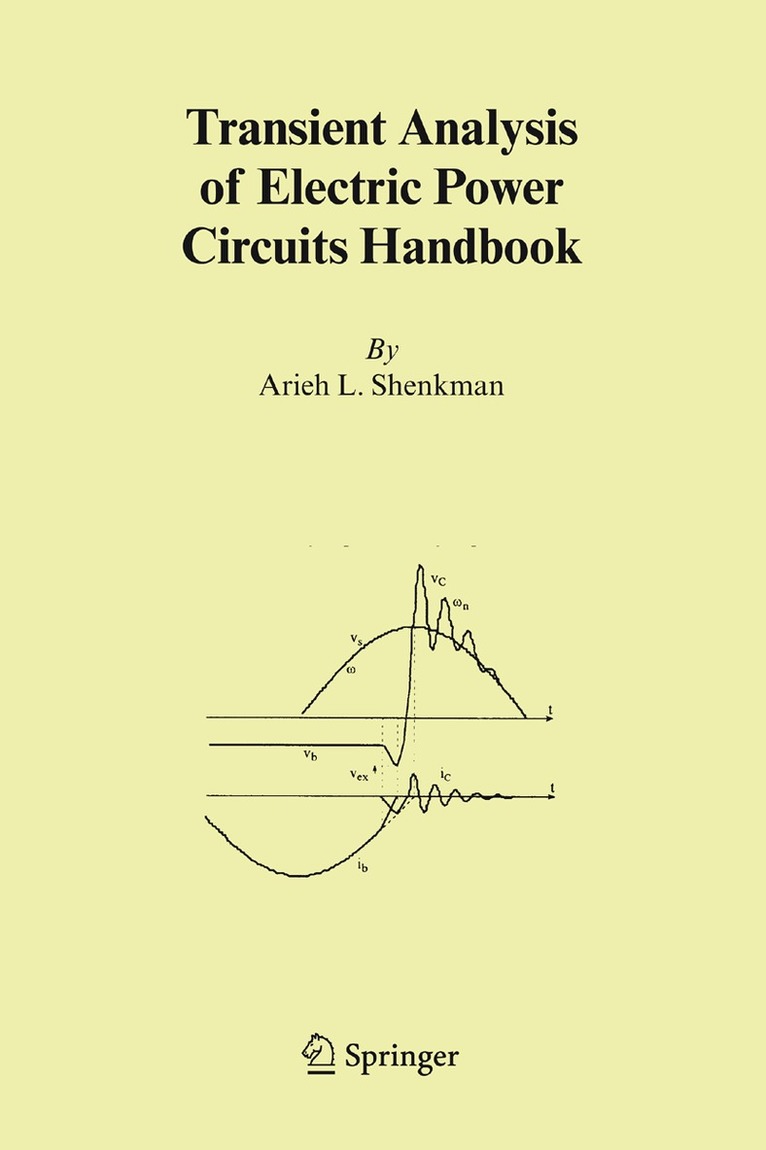
This transient analysis of electric circuits handbook is a unique text, which covers most of the useful methods of transient analysis of electrical circuits. The book is written from a power engineering viewpoint as compared to the numerous texts dedicated to electronic and communication engineering. One of the most important features of the book is that it covers the topic methodically "from simple to complicated" and therefore it will be helpful to all those specializing in electrical engineering for a better understanding of the very specific technical books. The book is designed to fill the gap between introductory textbooks and those mostly professional books on a very high level. The transient analysis of three-phase circuits is, however, given in an advanced manner. The analysis of short-circuit faults in such circuits, both symmetrical and non-symmetrical, is given in-depth with practical background providing fundamental knowledge in this area. Power system stability is also covered in the book as one of the important transient phenomenon in power systems.Transient Analysis of Electric Power Circuits Handbook will be an invaluable tool for professional engineers specializing in power systems, as well as for postgraduate students, researchers working in this field; and finally for lecturers and professors teaching the power system curriculum in the development of an appropriate course based on this important topic.
2 120 kr
Skickas inom 10-15 vardagar
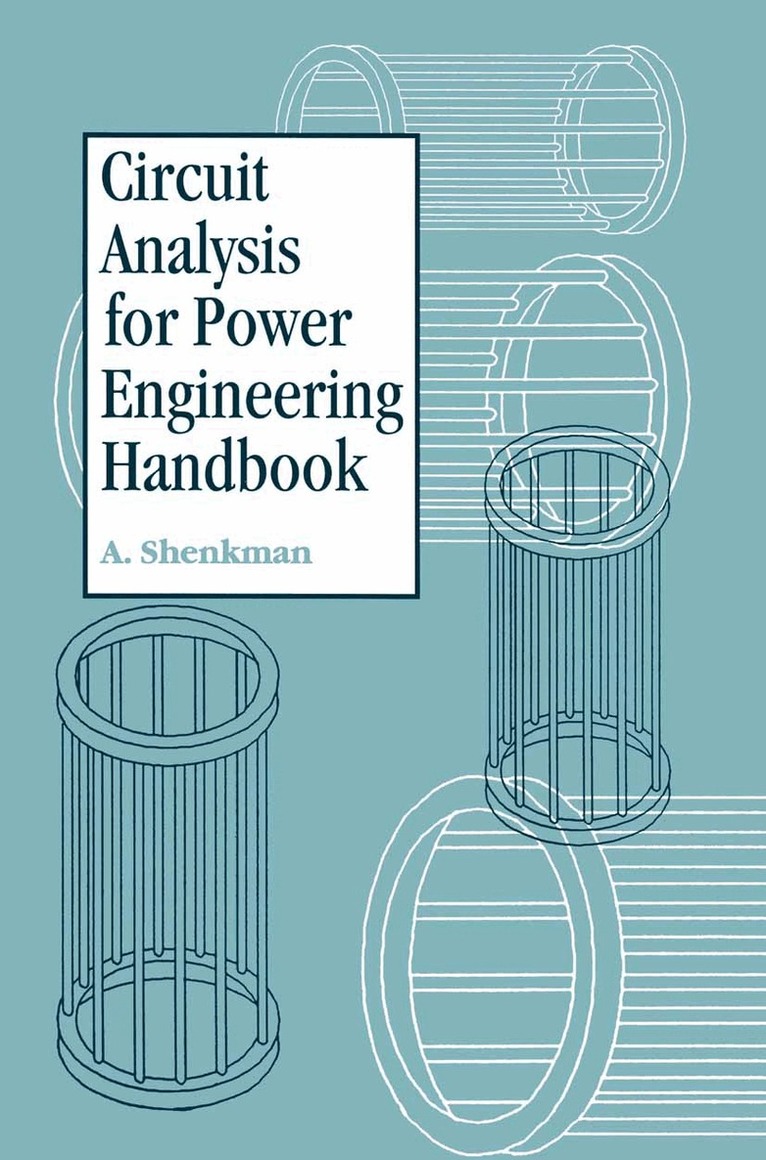
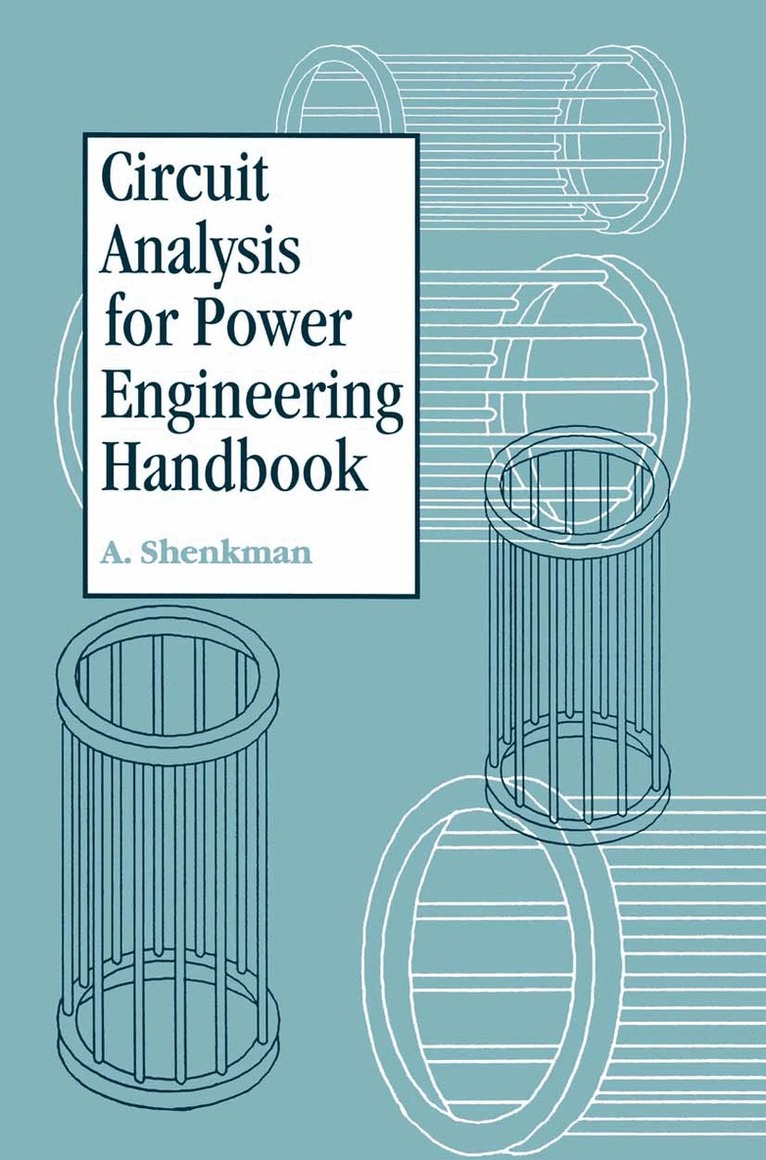
The study of circuits is the foundation on which most other courses in the electrical engineering curriculum are based. For this reason the first course in circuit analysis must be appropriate to the succeeding specializations, which may be classified into two groups. One is a specialization in electro nics, microelectronics, communications, computers etc. , or so-called low current, low-voltage engineering. The other is in power electronics, power systems, energy conversion devices etc. , or so-called high-current, high voltage engineering. It is evident that although there are many common teaching topics in the basic course of circuit analysis, there are also certain differences. Unfortunately most of the textbooks in this field are written from the 'electronic engineer's viewpoint', i. e. with the emphasis on low current systems. This brought the author to the conclusion that there is a definite disad vantage in not having a more appropriate book for the specializations in high-current, high-voltage engineering. Thus the idea for this book came into being. The major feature distinguishing this book from others on circuit analysis is in delivering the material with a very strong connection to the specializations in the field of power systems, i. e. in high-current and high voltage engineering. The author believes that this emphasis gives the reader more opportunity for a better understanding and practice of the material which is relevant for power system network analysis, and to prepare students for their further specializations.