Arn Keeling - Böcker
Visar alla böcker från författaren Arn Keeling. Handla med fri frakt och snabb leverans.
4 produkter
4 produkter
374 kr
Skickas inom 7-10 vardagar
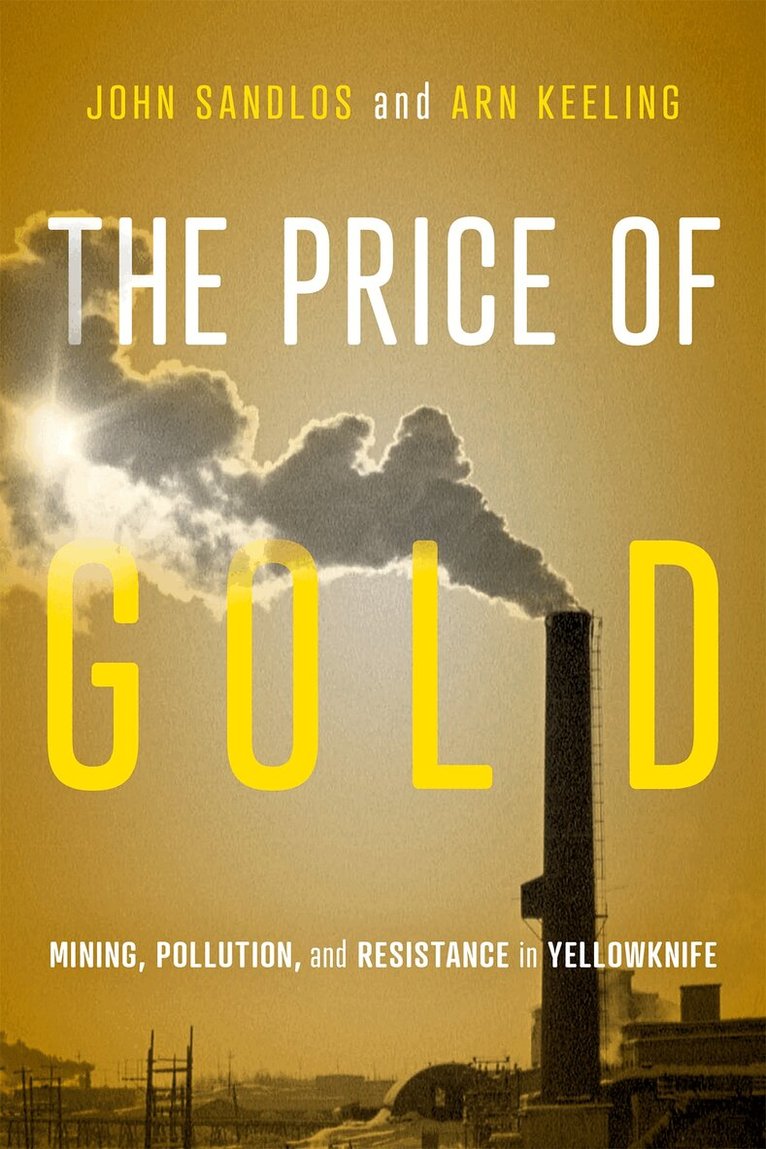
Fifty years of gold mining at Yellowknife in the Northwest Territories spurred northern settlement and produced millions of dollars in profits. But mineral processing also had catastrophic environmental effects and left a troubled legacy.When two mining companies in Yellowknife began processing gold ore in the 1940s, they did so with little or no pollution controls. Giant Mine spewed thousands of kilograms of arsenic trioxide from its roaster stack into the environment, causing illness and death among people and animals, especially in the adjacent Yellowknives Dene community. Even after the companies installed controls, arsenic trioxide continued to enter the atmosphere and waterways. Eventually Giant Mine, the biggest polluter, would deposit the arsenic dust beneath the mine, leaving 237,000 tonnes of highly toxic material buried underground. For decades, the mining companies and the federal government hid the worst effects of the pollution, doubted their own studies, and resisted calls for action. Yet the Yellowknives Dene fought back with the support of labour unions and environmental groups, questioning the safety of the air and water in their community and the massive toxic deposit underground.The Price of Gold traces the troubling history of one of Canada's most contaminated sites but also the inspiring story of Indigenous, labour, and environmental activists who resisted the ongoing poisoning of their communities.
2 181 kr
Skickas inom 10-15 vardagar
This book maps the encounters between Indigenous Peoples and local communities with mining companies in various postcolonial contexts.Combining comparative and multidisciplinary analysis, the contributors to this volume shine a light on how the mining industry might adapt its practices to the political and legal contexts where they operate. Understanding these processes and how communities respond to these encounters is critical to documenting where and how encounters with mining may benefit or negatively impact Indigenous Peoples. The experiences and reflections shared by Indigenous and non-Indigenous contributors will enhance our understanding of evolving practices and of the different strategies and discourses developed by Indigenous Peoples to deal with mining projects. By mobilizing in-depth fieldwork in five regions—Australia, Canada, Sweden, New Caledonia, and Brazil—this body of work highlights voices often marginalized in mining development studies, including those of Indigenous Peoples and women.This book will be of great interest to students and scholars of mining and the extractive industries, sustainable development, natural resource management, and Indigenous Peoples.The Open Access version of this book, available at http://www.taylorfrancis.com, has been made available under a Creative Commons Attribution-Non Commercial-No Derivatives (CC-BY-NC-ND) 4.0 license.
632 kr
Skickas inom 10-15 vardagar
This book maps the encounters between Indigenous Peoples and local communities with mining companies in various postcolonial contexts.Combining comparative and multidisciplinary analysis, the contributors to this volume shine a light on how the mining industry might adapt its practices to the political and legal contexts where they operate. Understanding these processes and how communities respond to these encounters is critical to documenting where and how encounters with mining may benefit or negatively impact Indigenous Peoples. The experiences and reflections shared by Indigenous and non-Indigenous contributors will enhance our understanding of evolving practices and of the different strategies and discourses developed by Indigenous Peoples to deal with mining projects. By mobilizing in-depth fieldwork in five regions—Australia, Canada, Sweden, New Caledonia, and Brazil—this body of work highlights voices often marginalized in mining development studies, including those of Indigenous Peoples and women.This book will be of great interest to students and scholars of mining and the extractive industries, sustainable development, natural resource management, and Indigenous Peoples.The Open Access version of this book, available at http://www.taylorfrancis.com, has been made available under a Creative Commons Attribution-Non Commercial-No Derivatives (CC-BY-NC-ND) 4.0 license.
434 kr
Skickas inom 10-15 vardagar
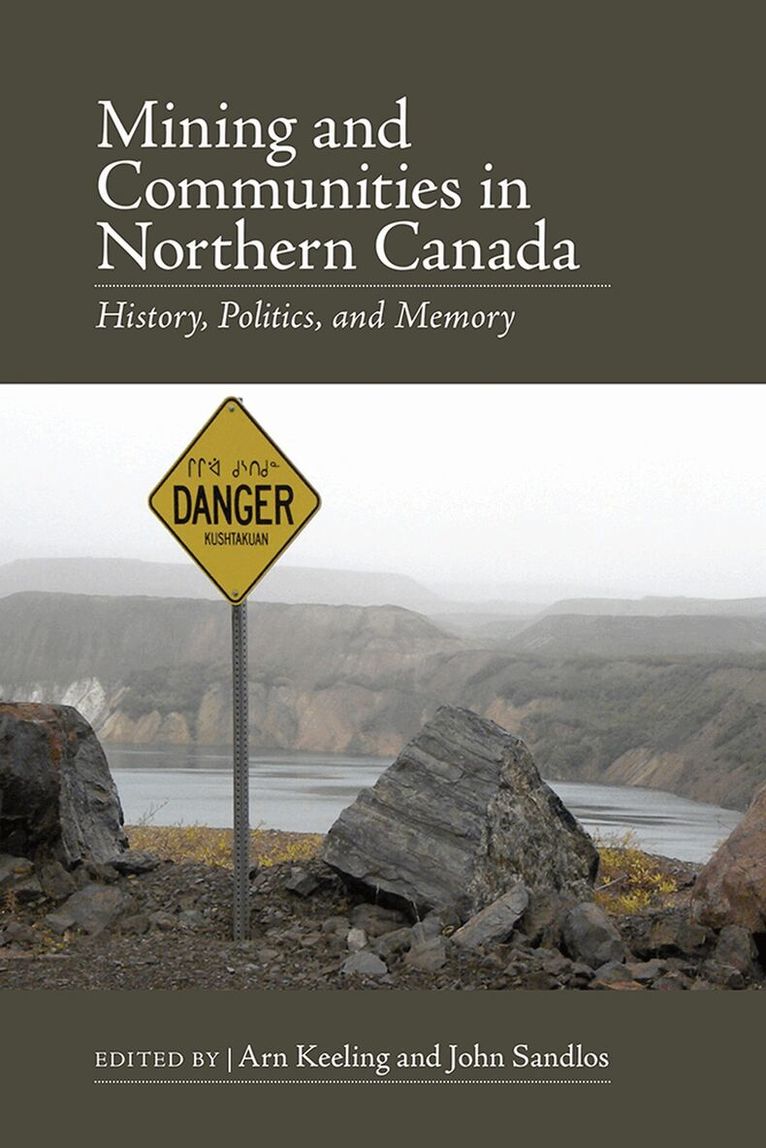
For indigenous communities throughout the globe, mining has been a historical forerunner of colonialism, introducing new, and often disruptive, settlement patterns and economic arrangements. Although indigenous communities may benefit from and adapt to the wage labour and training opportunities provided by new mining operations, they are also often left to navigate the complicated process of remediating the long-term ecological changes associated with industrial mining. In this regard, the mining often inscribes colonialism as a broad set of physical and ecological changes to indigenous lands.Mining and Communities in Northern Canada examines historical and contemporary social, economic, and environmental impacts of mining on Aboriginal communities in northern Canada. Combining oral history research with intensive archival study, this work juxtaposes the perspectives of government and industry with the perspectives of local communities. The oral history and ethnographic material provide an extremely significant record of local Aboriginal perspectives on histories of mining and development in their regions.