Arrell M. Gibson - Böcker
Visar alla böcker från författaren Arrell M. Gibson. Handla med fri frakt och snabb leverans.
7 produkter
7 produkter
241 kr
Skickas inom 10-15 vardagar
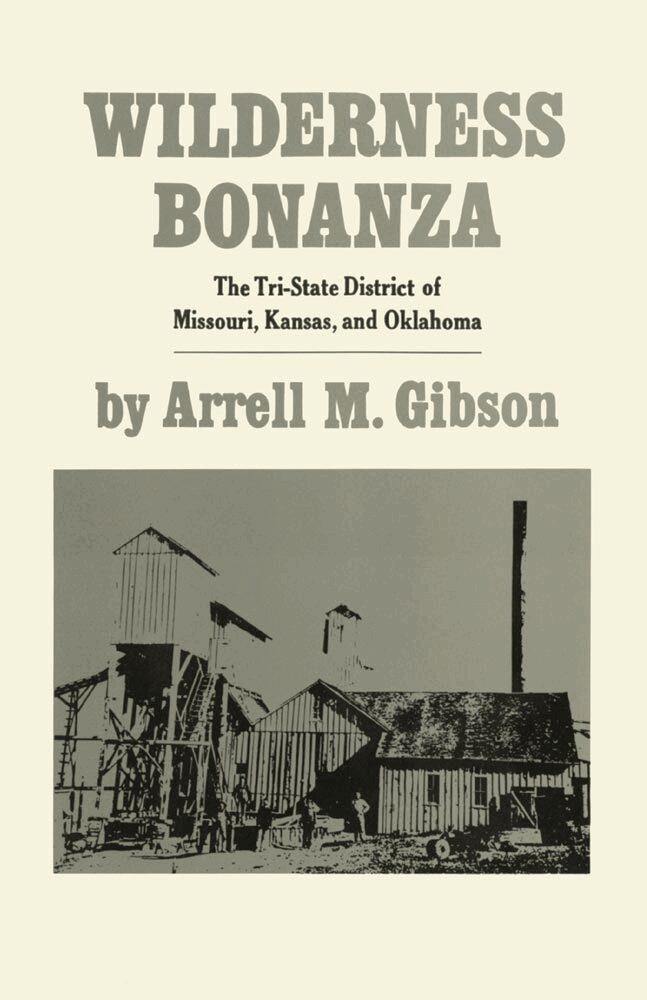
Within the first half of the twentieth century the so-called Tri-State mining district of southwestern Missouri, southeastern Kansas, and northeastern Oklahoma experienced boom and bust. Comprising 1,200 square miles, this area was once the world's leading producer of zinc and lead ores. With Joplin, Missouri, as its financial, distribution, supply, and wholesale center, the district included bonanza fields at Galena and Baxter Springs, Kansas, and Commerce and Picher, Oklahoma.But the deposits were shallow, scattered, and short-lived, and by the 1950s few companies and fewer individuals remained to work what was left. Ghost towns dotted the landscape where once there had been frenzied activity, and the larger towns and cities turned to other business and industry. Yet the unique heritage of the district remains - including the values and traditions of the pioneer miners.Wilderness Bonanza: The Tri-State District of Missouri, Kansas, and Oklahoma draws on a wide variety of source materials, including personal interviews with former miners, to give the first full account of the Tri-State District's mining history. It describes the geology of the region and the changing methods of prospecting, mining, milling, and smelting, along with evolving labor relations and social and financial conditions. The many illustrations, including some never before reproduced, show the mines, the men, and the equipment they used.
241 kr
Skickas inom 10-15 vardagar
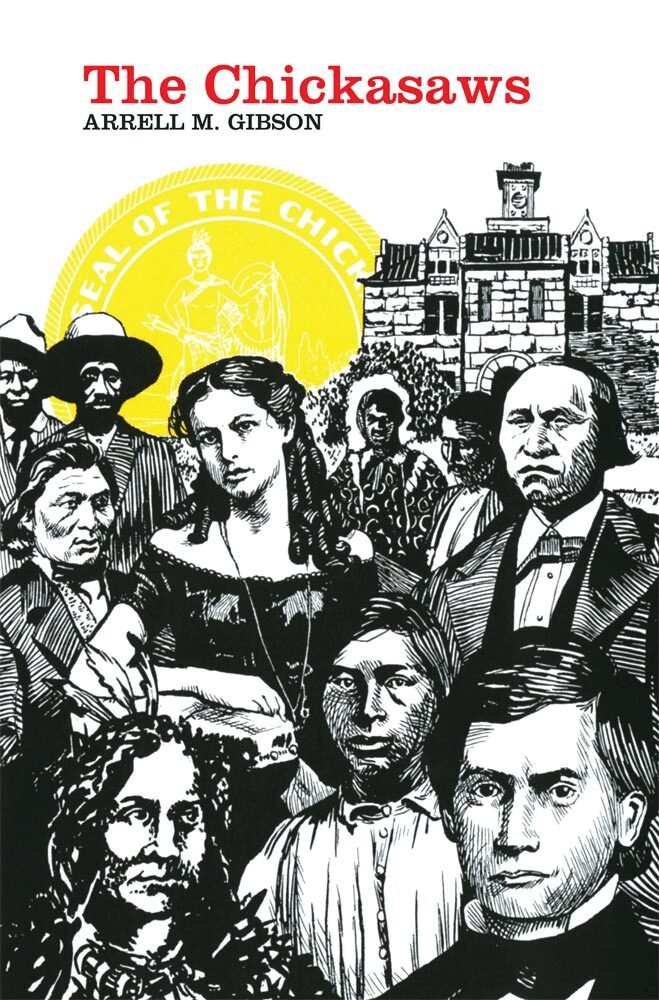
For 350 years the Chickasaws-one of the Five Civilized Tribes-made a sustained effort to preserve their tribal institutions and independence in the face of increasing encroachments by white men. This is the first book-length account of their valiant-but doomed-struggle.Against an ethnohistorical background, the author relates the story of the Chickasaws from their first recorded contacts with Europeans in the lower Mississippi Valley in 1540 to final dissolution of the Chickasaw Nation in 1906. Included are the years of alliance with the British, the dealings with the Americans, and the inevitable removal to Indian Territory (Oklahoma) in 1837 under pressure from settlers in Mississippi and Alabama. Among the significant events in Chickasaw history were the tribe's surprisingly strong alliance with the South during the Civil War and the federal actions thereafter which eventually resulted in the absorption of the Chickasaw Nation into the emerging state of Oklahoma.
248 kr
Skickas inom 10-15 vardagar
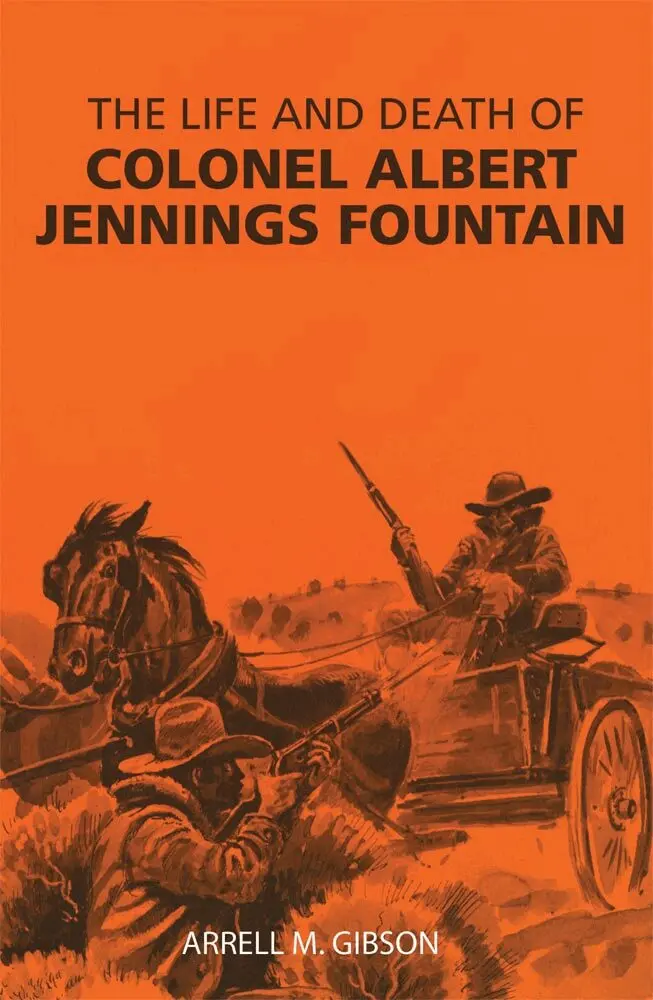
On the last Thursday in January 1896, Colonel Albert Jennings Fountain, accompanied by his eight-year-old son, Henry, left Lincoln, New Mexico, in a buckboard to drive to his home in Las Cruces. He never arrived. Later a pool of blood and a blood-soaked handkerchief pointed to murder. Although indictments were returned, no one was convicted of that murder, one of New Mexico's most talked-about mysteries. During the territory's development, Fountain, the man of law and order, had confronted relentless outlaws, who finally got their man on a lonely stretch of road with the White Sands as a backdrop.As a special U.S. district attorney, Fountain prosecuted the San Marcial ring on land-fraud charges. He repeatedly opposed young Albert Bacon Fall at law, in politics, and in the territorial legislature. On the eve of his death, Fountain was a key figure in the Lincoln County grand jury investigation into cattle rustling.Gibson's account will be no less significant to those with an interest in the Albert B. Fall of the Teapot Dome scandal than to those who wish to know what became of Colonel Fountain.
241 kr
Skickas inom 10-15 vardagar
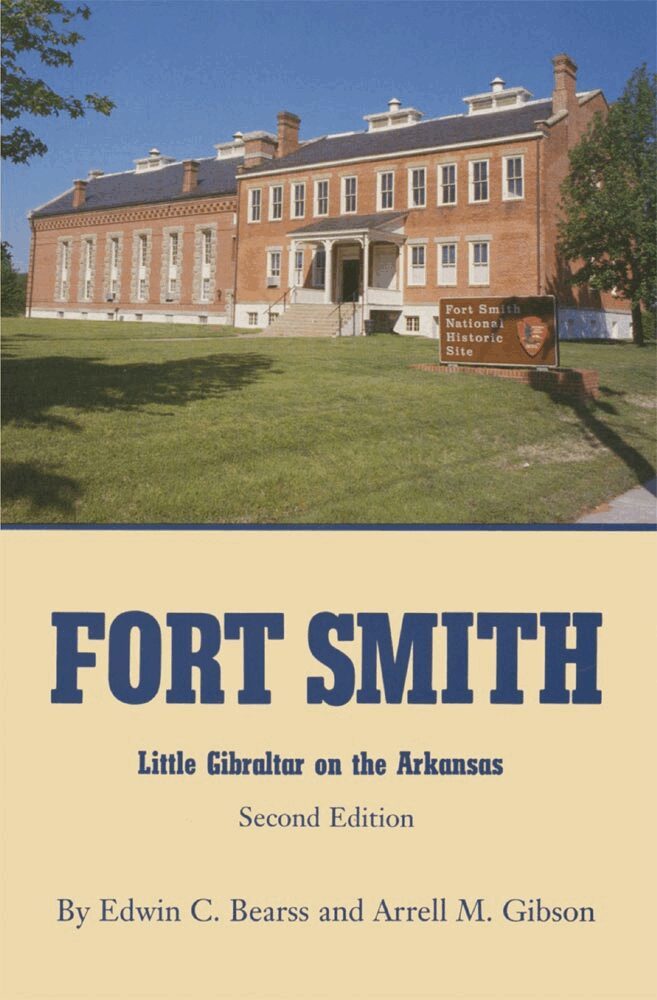
No history of the West is complete without the story of Fort Smith, the fort that ""refused to die."" Established in 1817, Fort Smith was repeatedly abandoned and reoccupied during the following fifty years, eventually becoming the mother post of the Southwest.The original fort was installed on the Arkansas River by Major William Bradford and a company of the Rifles Regiment. Bradford's mission was to stop a bloody war between the Osages and the Cherokees, a conflict discouraging the emigration of eastern Indians to the lands west of the Mississippi and thereby interfering with the government's removal policy.During the Civil War, Confederate armies at Wilson's Creek, Pea Ridge, and Prairie Grove were supplied from Fort Smith, and the Rebel force that crushed Opothleyoholo's band marched from Fort Smith. The fort was taken by Federal troops in September 1863 and served as a Union base for the remainder of the Civil War.In 1871 the army again abandoned the fort, but the Federal Court for the Western District of Arkansas soon moved in. Under Judge Isaac Parker, the renowned ""Hanging Judge of Fort Smith,"" the court became a force for law and order in much of Indian Territory.
282 kr
Skickas inom 10-15 vardagar
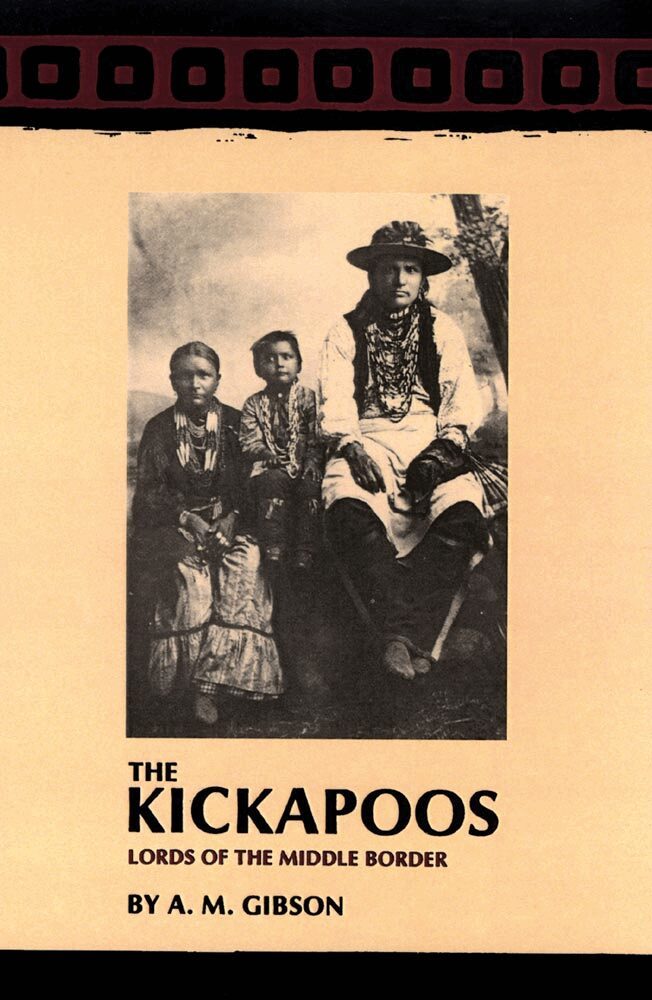
The Kickapoo Indians resisted outsiders' every attempt to settle their lands--until finally they were forced to remove west of the Mississippi River to the plains of the Southwest. There they continued to wage war and acted as traders for border captives and goods. In 1873 they reluctantly settled on a reservation in Indian Territory. There, corrupt politicians, land swindlers, gamblers, and whiskey peddlers preyed on the tribe. Not until the twentieth century did the Kickapoos received just treatment at the hands of the United States government.
241 kr
Skickas inom 10-15 vardagar
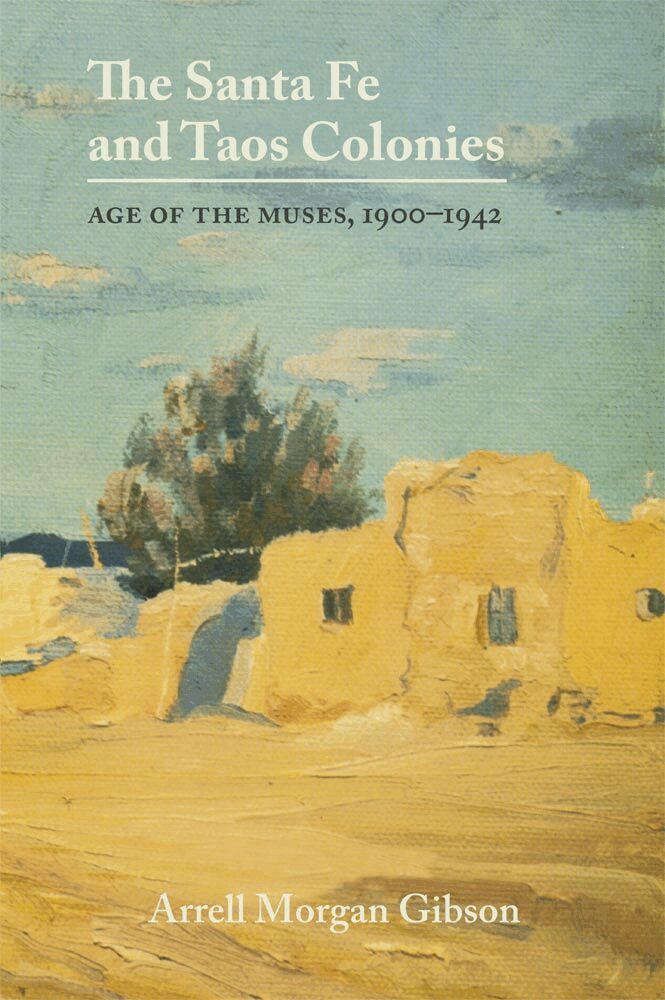
During the first half of this century, Santa Fe and Taos became havens for artistic émigrés fleeing America's machine-age culture. The elements of the Southwest scorned by an urban-industrial nation - awesome vistas, intense light, and isolation - drew such notables as D. H. Lawrence and Georgia O'Keefe.These aesthetes succeeded where speculators had failed - they made the Southwest attractive to the outside world. Their lives and works contradicted the conventional image of the Southwest as a cultural desert. They became citizens of their communities and precipitated a renaissance in Indian and Hispanic art. When federal policy forbade indigenous lifestyles, religion, and art in an attempt to Anglicize the Indians, the artists and writers of northern New Mexico not only challenged these policies but began to incorporate ""primitive"" elements into their own works and to encourage Indian artists.This is the story of the golden age of Santa Fe and Taos, from 1900 to 1942 - the Age of the Muses. It is the story of Mary Austin, known as ""God's motherin-law,"" and of Mabel Dodge Luhan, Taos ""salon-keeper"" who helped shape the colonies. And it is the story of the many artists - painters, writers, sculptors, architects, and musicians - that helped create the artistic aura that exists in northern New Mexico today.
268 kr
Skickas inom 10-15 vardagar
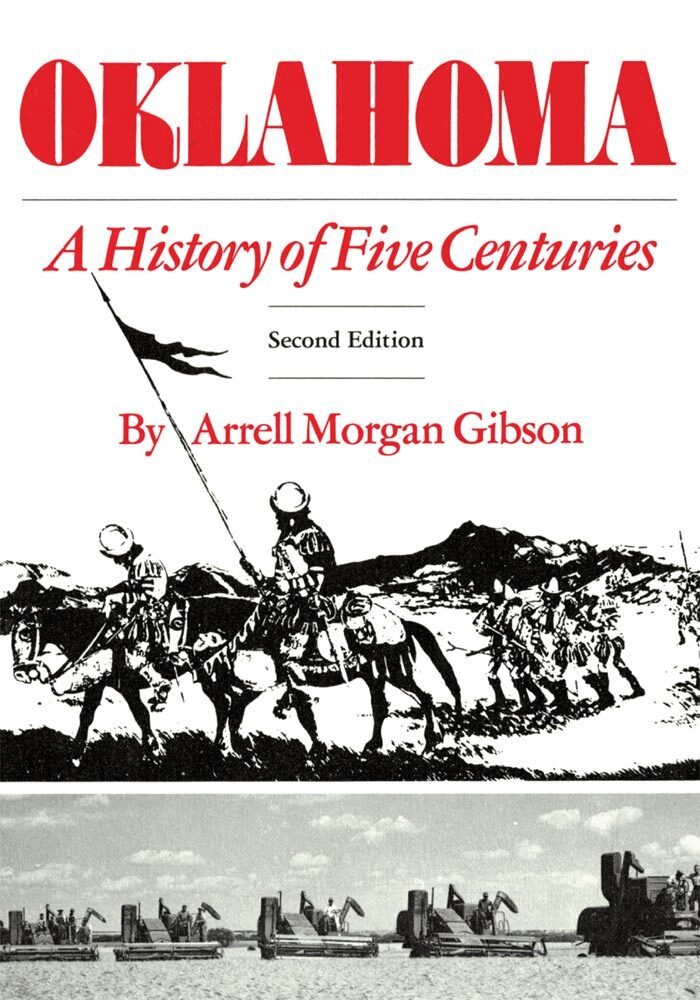
For anyone who wants to know more about the Sooner StateThe drama and excitement of the Oklahoma story unfold in this comprehensive history covering prehistory, Spanish and French exploration, the removal of Indian tribes to what the federal government called Indian Territory, and the modern period of state politics and economic development. Gibson informs his readers with refreshing candor: betrayal of the Indians, racism, and political corruption are told in their entirety.Later chapters tell of the vibrant modern period, when Oklahoma politics became more sophisticated, the state's economic base expanded as industry moved to the Sun Belt, and the humanities and the arts were advanced with increasing appreciation of the state's rich Indian heritage.Enlivened by numerous illustrations and maps, this volume is a valuable resource for teachers, students, historians, and anyone who wants to know more about the Sooner State.