Arskal Salim - Böcker
Visar alla böcker från författaren Arskal Salim. Handla med fri frakt och snabb leverans.
3 produkter
3 produkter
1 070 kr
Skickas inom 10-15 vardagar
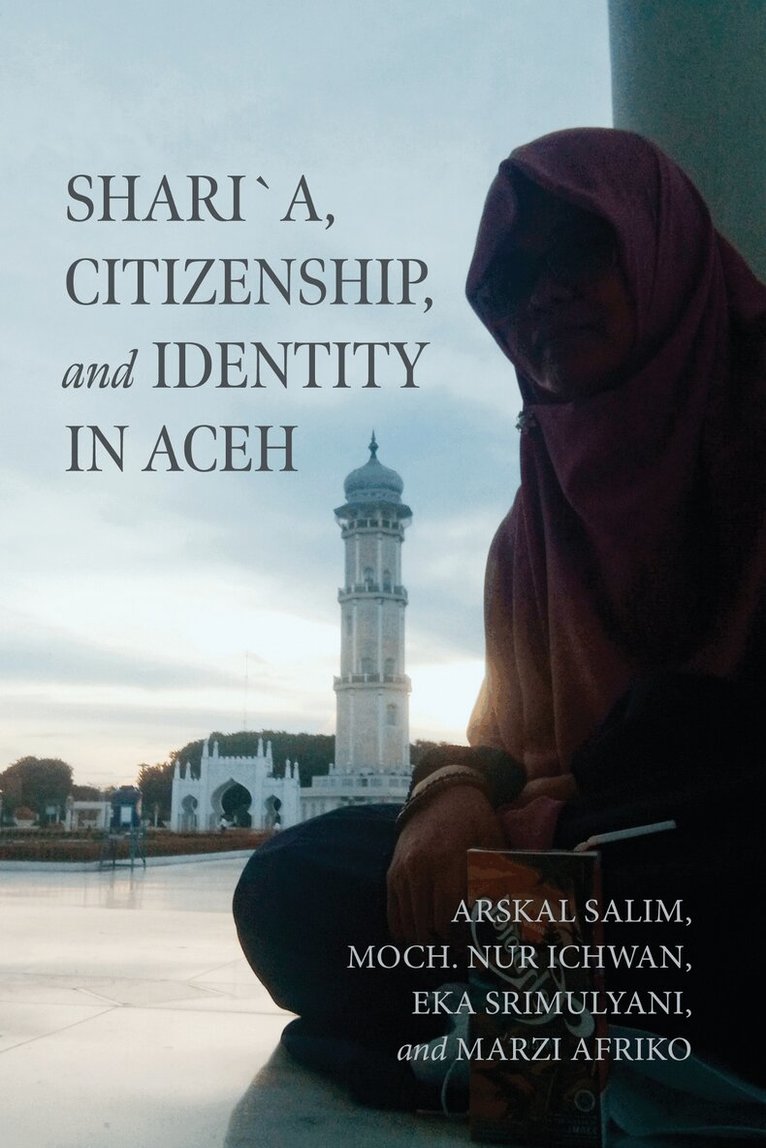
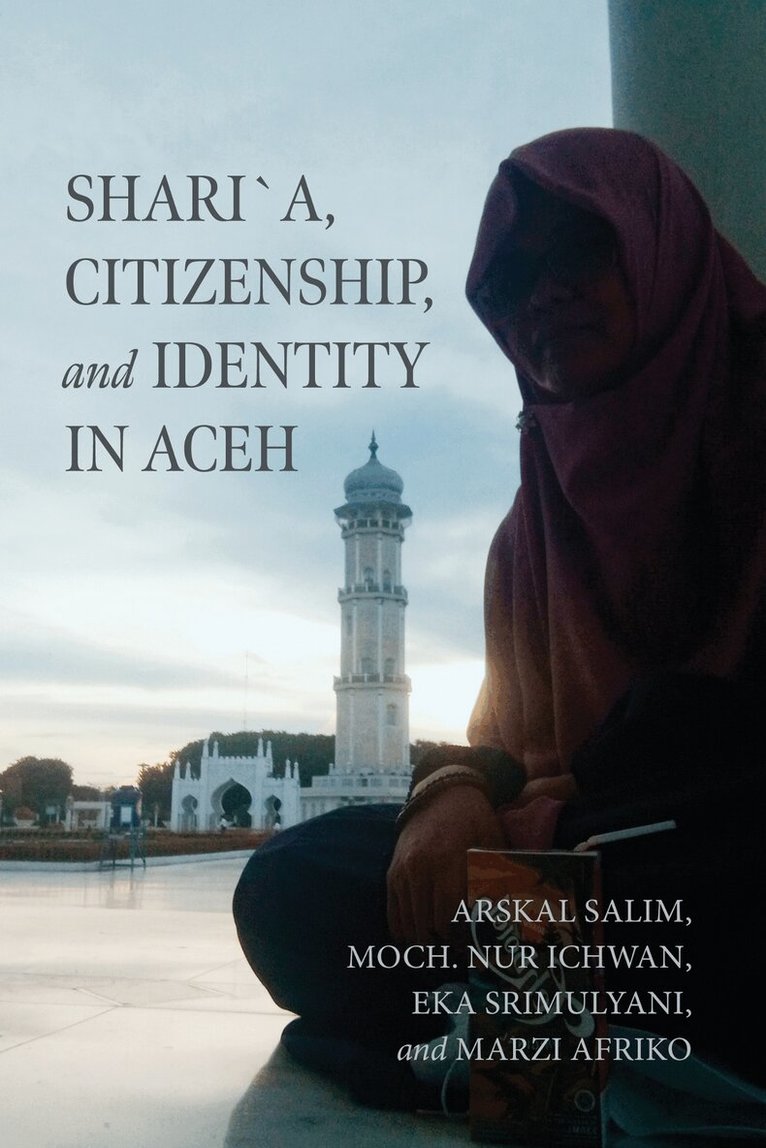
Shari`a, Citizenship, and identity in Aceh presents both an ethnographic and a sociohistorical account of identity making among both the Muslim majority population and different minority groups in Aceh, Indonesia.Diverging from previous studies on majority-minority group relations in a predominantly Muslim country that tend to engage solely with one group's experiences, Shari`a, Citizenship, and Identity in Aceh argues that the majority and minority groups in Aceh, Indonesia, have interactively and mutually created conceptions of identity and recognition that have significant implications on the experience of citizenship in the region. The authors provide not only a narrative of majority-minority group encounters in a variety of issues, but also a wide-ranging account of struggles from both the Muslim majority and non-Muslim minority groups for recognition of their own identity in the public space. To what extent do minority groups feel that they belong to Aceh's communal identity, which is mostly Islamic? And what kind of citizenship is in place when minorities feel marginalized living under Aceh's Islamic rules?Shari`a, Citizenship, and Identity in Aceh debunks the concept of citizenship by way of deploying the concept of the politics of recognition against the politics of the dominant culture theory. It looks further at how equal citizenship in a democratic political system has been negotiated and compromised, and how the politics of dominant culture has caused a sense of shared ownership to be largely deficient and vague in Aceh.
359 kr
Skickas
Shari`a, Citizenship, and identity in Aceh presents both an ethnographic and a sociohistorical account of identity making among both the Muslim majority population and different minority groups in Aceh, Indonesia.Diverging from previous studies on majority-minority group relations in a predominantly Muslim country that tend to engage solely with one group's experiences, Shari`a, Citizenship, and Identity in Aceh argues that the majority and minority groups in Aceh, Indonesia, have interactively and mutually created conceptions of identity and recognition that have significant implications on the experience of citizenship in the region. The authors provide not only a narrative of majority-minority group encounters in a variety of issues, but also a wide-ranging account of struggles from both the Muslim majority and non-Muslim minority groups for recognition of their own identity in the public space. To what extent do minority groups feel that they belong to Aceh's communal identity, which is mostly Islamic? And what kind of citizenship is in place when minorities feel marginalized living under Aceh's Islamic rules?Shari`a, Citizenship, and Identity in Aceh debunks the concept of citizenship by way of deploying the concept of the politics of recognition against the politics of the dominant culture theory. It looks further at how equal citizenship in a democratic political system has been negotiated and compromised, and how the politics of dominant culture has caused a sense of shared ownership to be largely deficient and vague in Aceh.
Shift in Zakat Practice in Indonesia
From Piety to an Islamic Socio-Political-Economic System
Häftad, Engelska, 2008
253 kr
Skickas inom 7-10 vardagar
Zakat, one of Islam's Five Pillars, is the practice of giving a fixed proportion of one's financial assets to those in need, thereby purifying both one's soul and one's remaining wealth. In Indonesia, since the coming of Islam, zakat has been a means of worship, and its collection has been voluntary and decentralized.Arskal Salim's study argues that in the post-New Order regime (1966-1998) zakat practice changed structurally and institutionally through the enactment of a law on zakat management, followed by the establishment of a national zakat agency. A cultural shift is now in progress with two possible outcomes: either zakat collection will become compulsory and centralized or it will become such an intricate part of taxation law that it loses its spiritual relevance.