Arthur M. Okun – författare
Visar alla böcker från författaren Arthur M. Okun. Handla med fri frakt och snabb leverans.
7 produkter
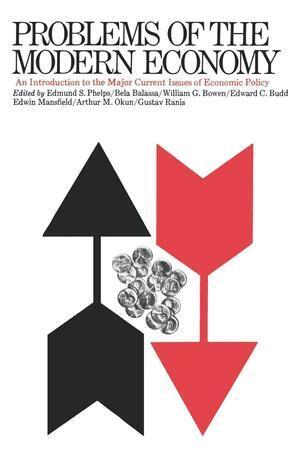
Problems of the Modern Economy
Av Bela A. Balassa, William G. Bowen m. fl.
Häftad, 1966
426 kr
Lägg i varukorg
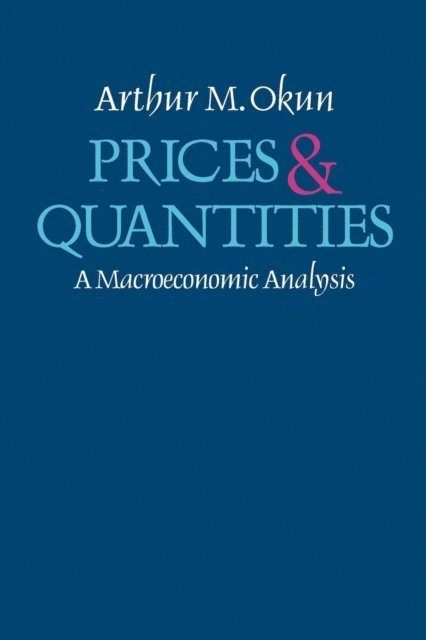
Prices and Quantities
A Macroeconomic Analysis
E-bok, 2011
409 kr
Lägg i varukorg
During the past decade Arthur M. Okun, like many economists, focused attention on finding ways to fight inflation without sacrificing goals of high employment and prosperity. In recent years the economy has been plagued by stagflationthe simultaneous persistence of high inflation and high …
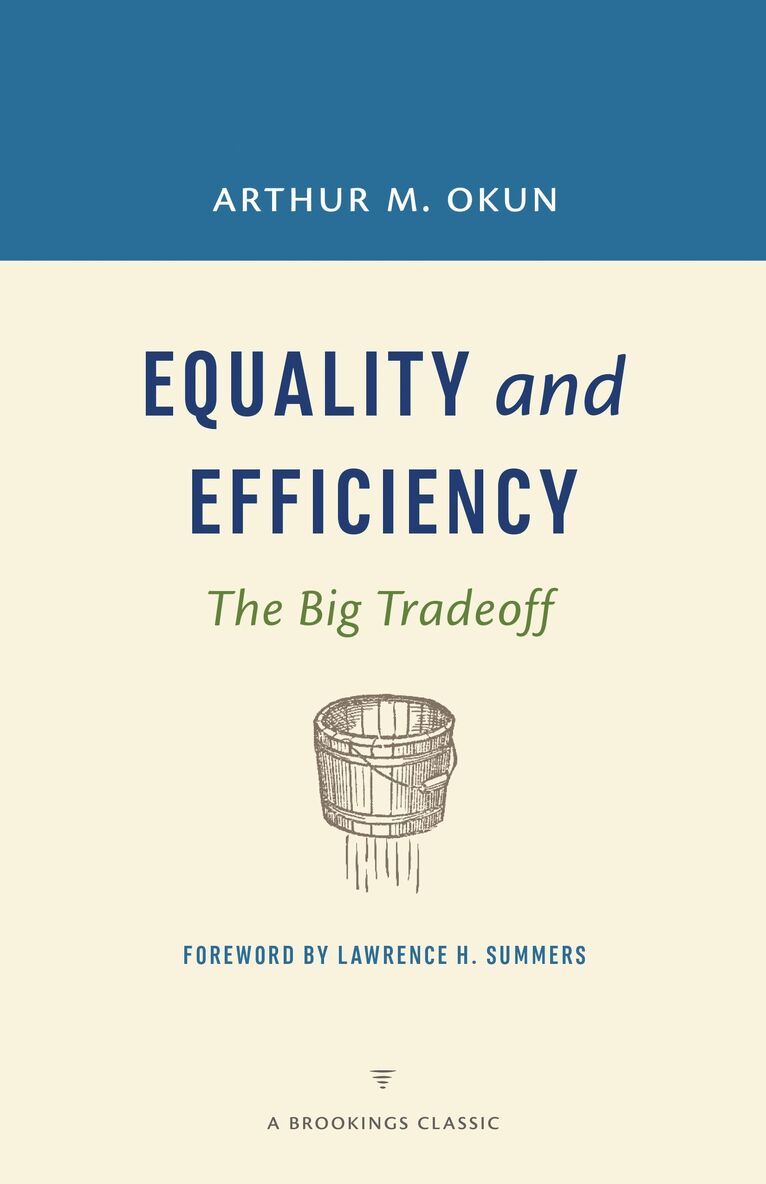
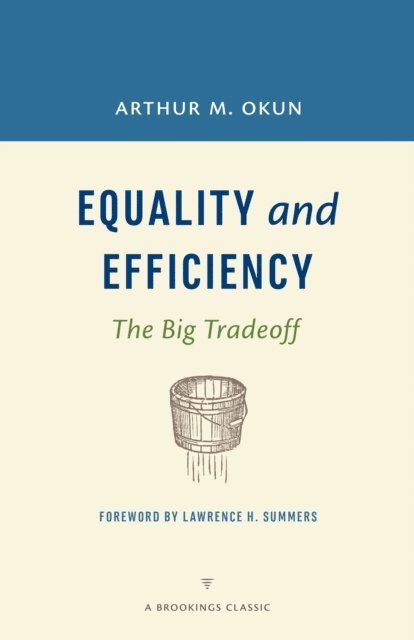
Equality and Efficiency REV
The Big Tradeoff
Häftad, 2015
276 kr
Lägg i varukorg
Originally published in 1975, Equality and Efficiency: The Big Tradeoff is a very personal work from one of the most important macroeconomists of the last hundred years. And this new edition includes ""Further Thoughts on Equality and Efficiency,"" a paper published by the author two years later.In …
Equality and Efficiency REV
The Big Tradeoff
E-bok, 2015
296 kr
Lägg i varukorg
Originally published in 1975, Equality and Efficiency: The Big Tradeoff is a very personal work from one of the most important macroeconomists of the last hundred years. And this new edition includes ""Further Thoughts on Equality and Efficiency,"" a paper published by the author two years later. …
Prices and Quantities
A Macroeconomic Analysis
Häftad, 1981
386 kr
Lägg i varukorg
During the past decade Arthur M. Okun, like many economists, focused attention on finding ways to fight inflation without sacrificing goals of high employment and prosperity. In recent years the economy has been plagued by stagflationthe simultaneous persistence of high inflation and high …
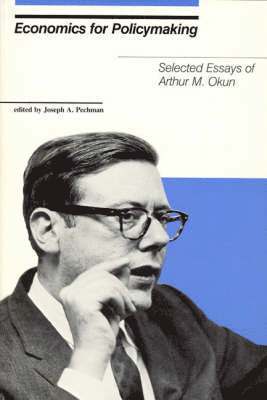
Economics for Policymaking
Selected Essays of Arthur M. Okun
Av Arthur M. Okun, Joseph A. Pechman
Häftad, 2004
676 kr
Tillfälligt slut