Arthur Remillard - Böcker
Visar alla böcker från författaren Arthur Remillard. Handla med fri frakt och snabb leverans.
4 produkter
4 produkter
1 322 kr
Skickas inom 7-10 vardagar
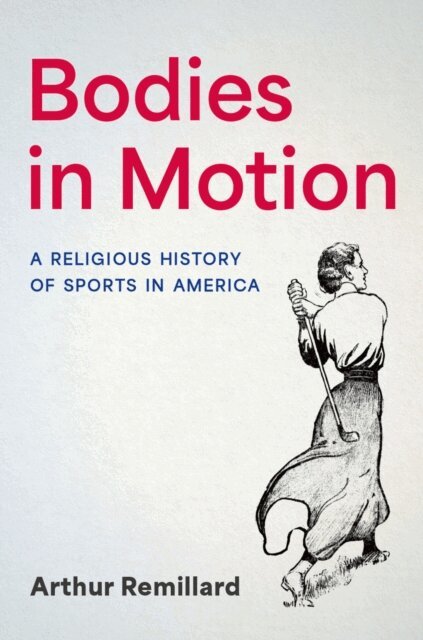
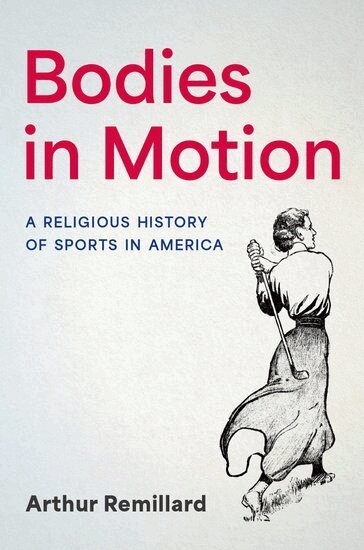
Are sports the new American religion? Arthur Remillard, a seasoned scholar of religion and sports, hears this question frequently. Often, it is prompted by the contrast between the waning of traditional religious institutions and the thriving, cash-rich world of sports. Stadiums bustle with boundless enthusiasm, exuberant rituals, and potent symbols. Churches no longer seem to.According to Remillard, however, this question reduces "religion" to only its institutional form, thereby overlooking the many unscripted ways that sports have assumed sacred significance throughout American history. Bodies in Motion shines a bright light on the ways that sports have allowed individuals and communities to develop, describe, and proclaim their most deeply held and strongly defended values and beliefs. From prizefighting and baseball to distance running and bowling, Remillard emphasizes that the fundamental element of sports is the human body in motion-the body that strives, struggles, and sweats on the field of play. From here, participants, observers, and organizers do the creative work of inscribing meaning onto these motions, of elevating them from the ordinary to the extraordinary. Along the way, these interpretations shape and are shaped by broader societal forces at play, including race, class, gender, ethnicity, and nationality.Engaging and thought-provoking, Bodies in Motion shows how sacred activities have been intricately entangled in athletic activities, expanding how we think about religion and its meaning and uses. Whether you're an avid sports fan, a reader of American history, or simply curious about the intersection of religion and sports, this book promises to show you new ways of understanding this fascinating subject.
237 kr
Skickas inom 5-8 vardagar
Are sports the new American religion? Arthur Remillard, a seasoned scholar of religion and sports, hears this question frequently. Often, it is prompted by the contrast between the waning of traditional religious institutions and the thriving, cash-rich world of sports. Stadiums bustle with boundless enthusiasm, exuberant rituals, and potent symbols. Churches no longer seem to.According to Remillard, however, this question reduces "religion" to only its institutional form, thereby overlooking the many unscripted ways that sports have assumed sacred significance throughout American history. Bodies in Motion shines a bright light on the ways that sports have allowed individuals and communities to develop, describe, and proclaim their most deeply held and strongly defended values and beliefs. From prizefighting and baseball to distance running and bowling, Remillard emphasizes that the fundamental element of sports is the human body in motion-the body that strives, struggles, and sweats on the field of play. From here, participants, observers, and organizers do the creative work of inscribing meaning onto these motions, of elevating them from the ordinary to the extraordinary. Along the way, these interpretations shape and are shaped by broader societal forces at play, including race, class, gender, ethnicity, and nationality.Engaging and thought-provoking, Bodies in Motion shows how sacred activities have been intricately entangled in athletic activities, expanding how we think about religion and its meaning and uses. Whether you're an avid sports fan, a reader of American history, or simply curious about the intersection of religion and sports, this book promises to show you new ways of understanding this fascinating subject.
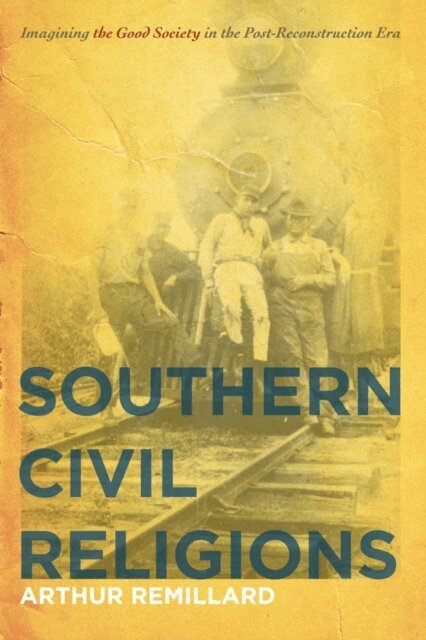
Southern Civil Religions
Imagining the Good Society in the Post-Reconstruction Era
Inbunden, Engelska, 2011
1 122 kr
Skickas inom 5-8 vardagar
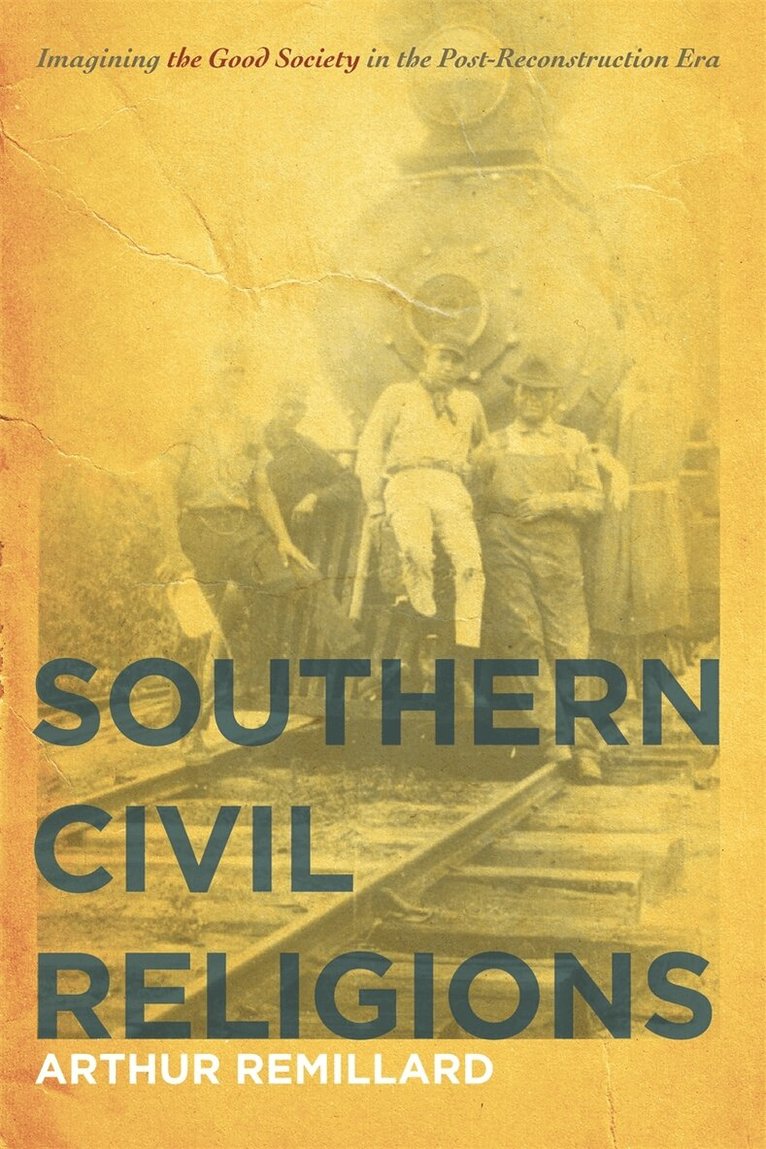
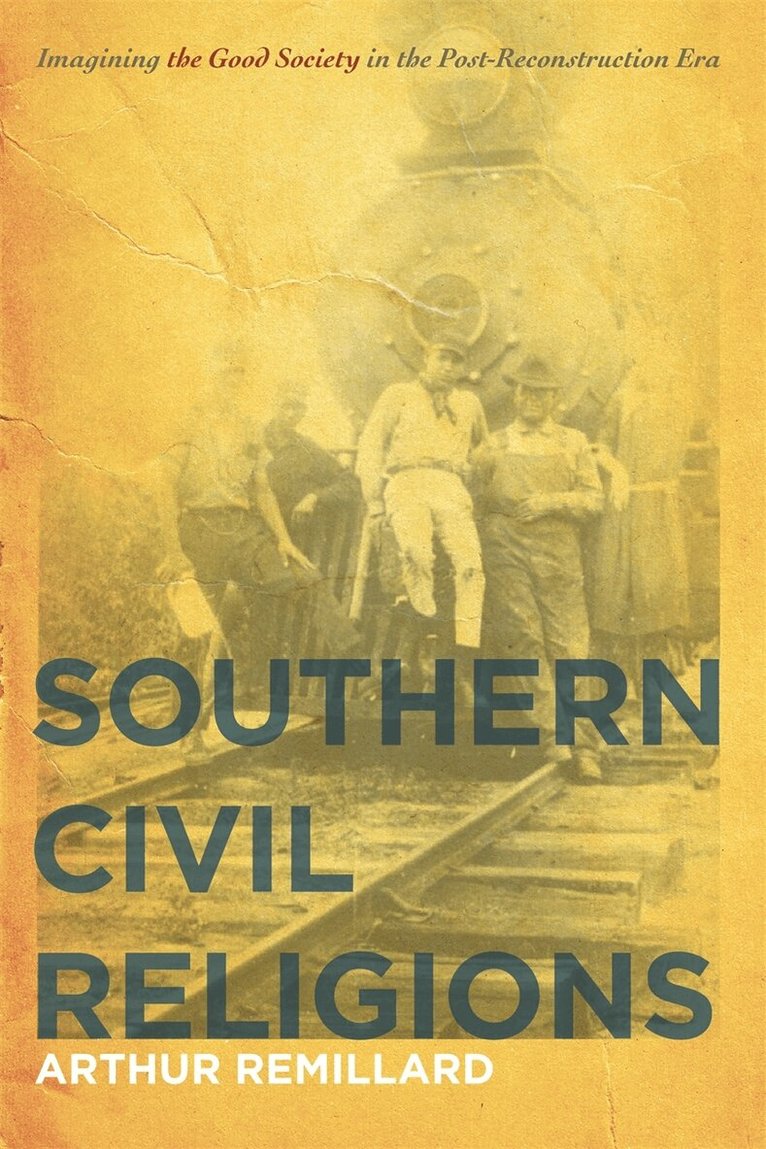
In the aftermath of the Civil War, the Lost Cause gave white southerners a new collective identity anchored in the stories, symbols, and rituals of the defeated Confederacy. Historians have used the idea of civil religion to explain how this powerful memory gave the white South a unique sense of national meaning, purpose, and destiny. The civil religious perspectives of everyone else, meanwhile, have gone unnoticed.Arthur Remillard fills this void by investigating the civil religious discourses of a wide array of people and groups—blacks and whites, men and women, northerners and southerners, Democrats and Republicans, as well as Catholics, Protestants, and Jews. Focusing on the Wiregrass Gulf South region—an area covering north Florida, southwest Georgia, and southeast Alabama—Remillard argues that the Lost Cause was but one civil religious topic among many. Even within the white majority, civil religious language influenced a range of issues, such as progress, race, gender, and religious tolerance. Moreover, minority groups developed sacred values and beliefs that competed for space in the civil religious landscape.
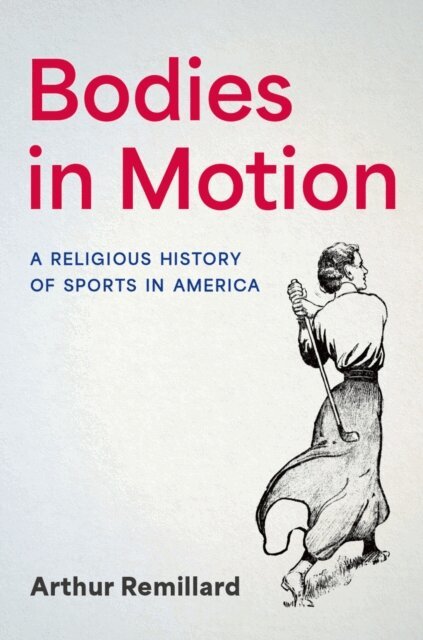
Southern Civil Religions
Imagining the Good Society in the Post-Reconstruction Era
Häftad, Engelska, 2011
441 kr
Skickas inom 5-8 vardagar
In the aftermath of the Civil War, the Lost Cause gave white southerners a new collective identity anchored in the stories, symbols, and rituals of the defeated Confederacy. Historians have used the idea of civil religion to explain how this powerful memory gave the white South a unique sense of national meaning, purpose, and destiny. The civil religious perspectives of everyone else, meanwhile, have gone unnoticed.Arthur Remillard fills this void by investigating the civil religious discourses of a wide array of people and groups—blacks and whites, men and women, northerners and southerners, Democrats and Republicans, as well as Catholics, Protestants, and Jews. Focusing on the Wiregrass Gulf South region—an area covering north Florida, southwest Georgia, and southeast Alabama—Remillard argues that the Lost Cause was but one civil religious topic among many. Even within the white majority, civil religious language influenced a range of issues, such as progress, race, gender, and religious tolerance. Moreover, minority groups developed sacred values and beliefs that competed for space in the civil religious landscape.