• Fri frakt över 249 kr
  • •
  • Snabba leveranser
  • •
  • Billiga böcker
Kundservice

Du är på sajten för privatpersoner.

Företag, bibliotek eller offentlig verksamhet?

Du handlar på classic.bokus.com, där alla dina funktioner finns intakta.
Till classic.bokus.com
Bokus logotyp. Gå till startsidan.
  • Erbjudanden
  • Nyheter
  • Student
  • Topplistor
  • Barn & ungdom
  • Bokus Play
  • E-böcker
  • Pocketböcker
  • Spel & pussel

10% rabatt på allt med kod: NYSTART10 →

Sidfot

Mina sidor

    Hjälp

    • Kundservice
    • Vanliga frågor och svar
    • Frakt och leverans
    • Retur vid ångerrätt
    • Reklamera vara
    • Betalning
    • Köpvillkor
    • Allmänna villkor
    • Information om webbplatsens tillgänglighet

    Om Bokus

    • Om oss
    • Pressrum
    • För studenter
    • För företag
    • För bibliotek och offentlig verksamhet
    • För leverantörer
    • Hållbarhet

    Populärt

    • Aktuella erbjudanden
    • Presentkort
    • Studentlitteratur
    • Nya böcker
    • Topplistor
    • Signerade böcker
    • Engelska böcker

    Inspiration

    • Boktips
    • BookTok
    • Populära bokserier
    • Barnbokskaraktärer
    • Populära författare
    Logotyp för Bokus
    Följ oss på Facebook (extern länk)Följ oss på Instagram (extern länk)Följ oss på YouTube (extern länk)Följ oss på TikTok (extern länk)
    bokus @ CookiesAnpassa cookiesIntegritetspolicyKöpvillkor
    Till Citymail hemsida (extern länk)Till Budbee hemsida (extern länk)Till Postnord hemsida (extern länk)Till Schenker hemsida (extern länk)Till Early Bird hemsida (extern länk)Till Walleys hemsida (extern länk)
    1. Historia och arkeologi
    2. Historia
    3. Historia: särskilda händelser och ämnen
    4. Socialhistoria och kulturhistoria

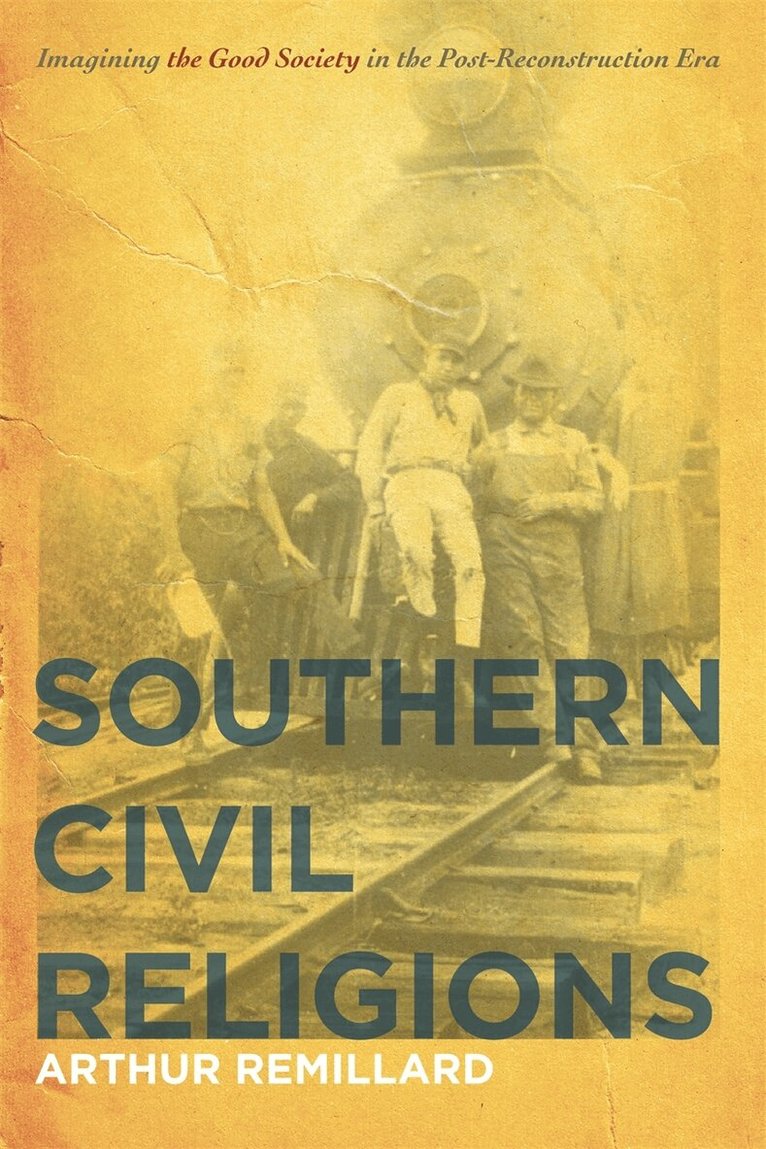
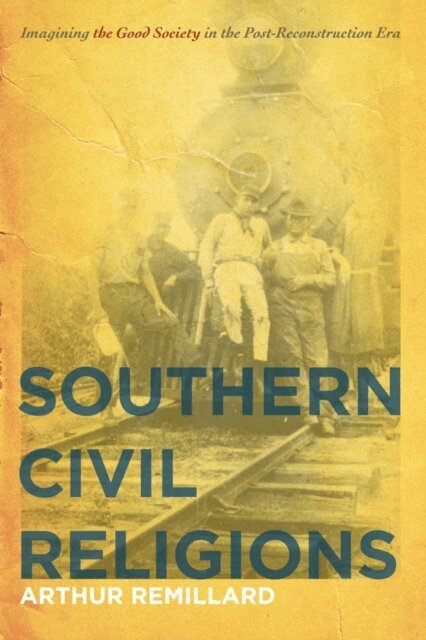
    Southern Civil Religions

    Imagining the Good Society in the Post-Reconstruction Era

    AvArthur Remillard

    Inbunden, Engelska, 2011

    Del i serien New Southern Studies

    1 143 kr

    Beställningsvara. Skickas inom 5-8 vardagar. Fri frakt över 249 kr.

    Fler format och utgåvor

    E-bok

    489 kr

    Häftad

    449 kr

    E-bok

    488 kr

    Beskrivning

    In the aftermath of the Civil War, the Lost Cause gave white southerners a new collective identity anchored in the stories, symbols, and rituals of the defeated Confederacy. Historians have used the idea of civil religion to explain how this powerful memory gave the white South a unique sense of national meaning, purpose, and destiny. The civil religious perspectives of everyone else, meanwhile, have gone unnoticed.Arthur Remillard fills this void by investigating the civil religious dis­courses of a wide array of people and groups—blacks and whites, men and women, northerners and southerners, Democrats and Republicans, as well as Catholics, Protestants, and Jews. Focusing on the Wiregrass Gulf South region—an area covering north Florida, southwest Georgia, and southeast Alabama—Remillard argues that the Lost Cause was but one civil religious topic among many. Even within the white majority, civil religious language influenced a range of issues, such as progress, race, gender, and religious tolerance. Moreover, minority groups developed sacred values and beliefs that competed for space in the civil religious landscape.

    Produktinformation

    • Utgivningsdatum:2011-12-01
    • Mått:152 x 229 x 18 mm
    • Vikt:522 g
    • Format:Inbunden
    • Språk:Engelska
    • Serie:New Southern Studies
    • Antal sidor:248
    • Förlag:University of Georgia Press
    • ISBN:9780820336855

    Utforska kategorier

    • Socialhistoria och kulturhistoria inom Historia och arkeologi
    • Religion: allmänt inom Filosofi och religion

    Mer om författaren

    ARTHUR REMILLARD is an assistant professor of religious studies at Saint Francis University. He has served as the managing editor and book review editor for the Journal of Southern Religion.

    Recensioner i media

    By focusing on a diverse set of characters, in a relatively understudied sub-region, through the lens of people talking about a 'good society,' and using a number of vivid examples, this book makes a significant contribution to post-Civil War southern history.