Asher D. Biemann - Böcker
Visar alla böcker från författaren Asher D. Biemann. Handla med fri frakt och snabb leverans.
5 produkter
5 produkter
849 kr
Skickas inom 7-10 vardagar
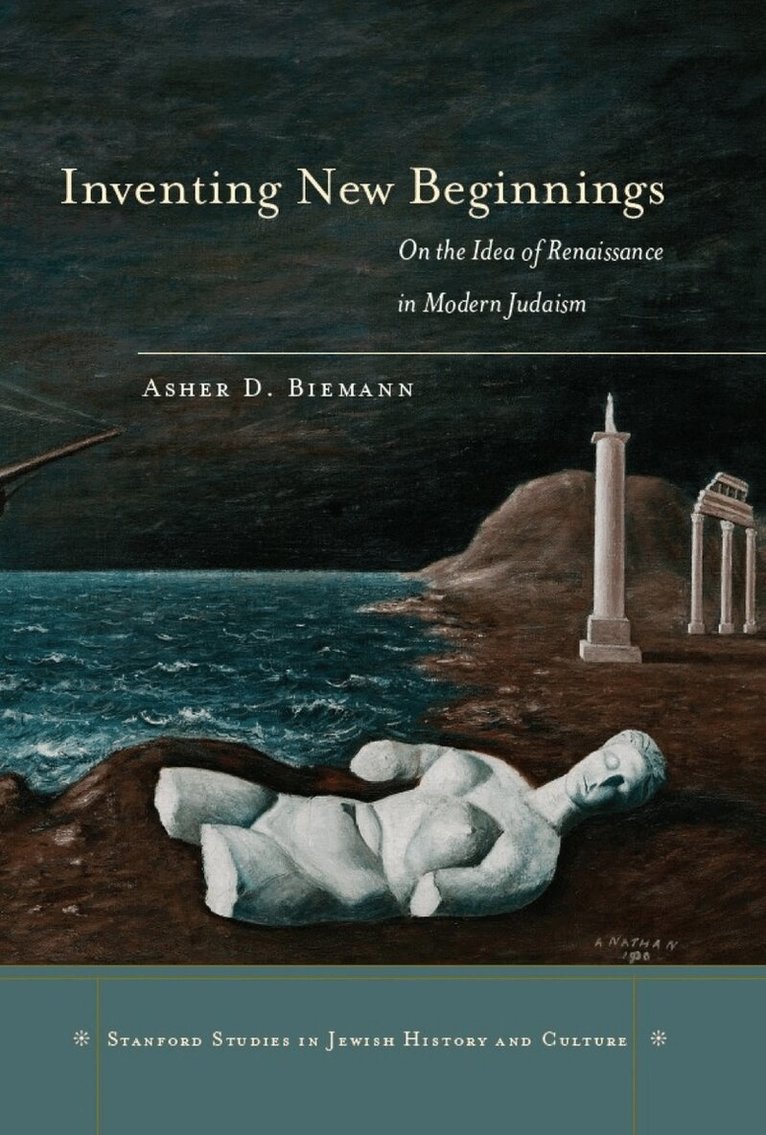
Inventing New Beginnings is the first book-length study to examine the conceptual underpinnings of the "Jewish Renaissance," or "return" to Judaism, that captured much of German-speaking Jewry between 1890 and 1938. The book addresses two very fundamental, yet hitherto strangely understated, questions: What did the term "renaissance" actually mean to the intellectuals and ideologues of the "Jewish Renaissance," and how did this understanding relate to wider currents in European intellectual and cultural history of the nineteenth and early twentieth centuries? It also addresses the larger question of how we can contemplate "renaissance" as a mode of thought that is conditioned by the consciousness and experience of modernity and that extends to our present time.
983 kr
Skickas inom 7-10 vardagar
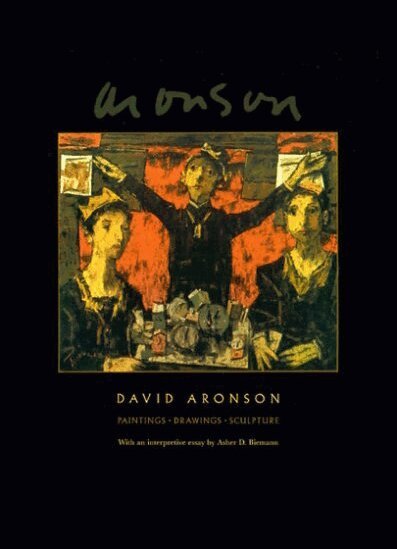
As an immigrant artist of Jewish background, who borrowed freely from Christology, Jewish, mystical, and modernist motifs, David Aronson has been an equally acclaimed controversial figure in the Boston Expressionist school and beyond. Defying all clear categorization, his highly evocative art moves precariously between the realms of the religious the secular, between Judaism and humanism, tradition and modernity. This book includes rich reproductions of Aronson's works done in encaustic, pastel, coal and bronze. It also contains Aronson's 1967 lecture ""Real and Unreal: The Double Nature of Art,"" which offers a unique testimony of the intellectual background of his creative oeuvre. An interpretive essay by Asher Biemann of the University of Virginia places Aronsons work and biography in an historical, cultural, and intellectual context and comments on specific aspects of his art. Provocative and thoroughly documented, this volume will be of interest to scholars of history, Judaism, and religion, as well as to a general audience.
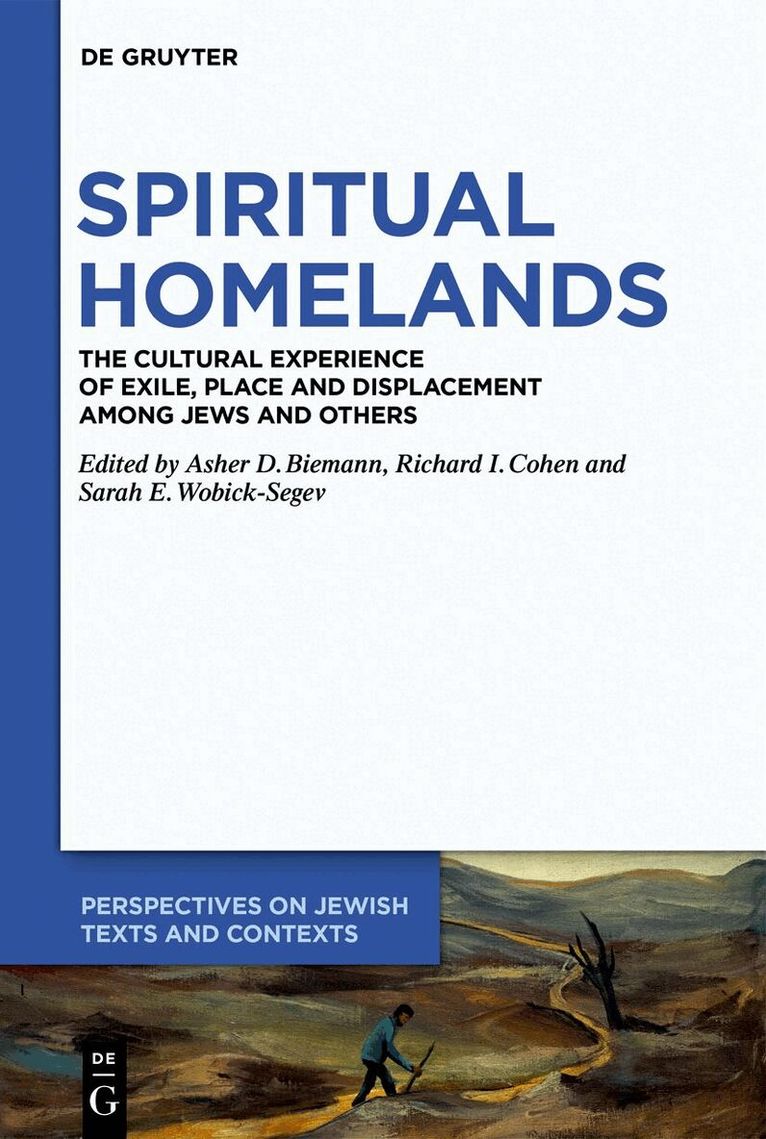
Spiritual Homelands
The Cultural Experience of Exile, Place and Displacement among Jews and Others
Inbunden, Engelska, 2019
1 959 kr
Skickas inom 5-8 vardagar
Homeland, Exile, Imagined Homelands are features of the modern experience and relate to the cultural and historical dilemmas of loss, nostalgia, utopia, travel, longing, and are central for Jews and others. This book is an exploration into a world of boundary crossings and of desired places and alternate identities, into a world of adopted kin and invented allegiances.
Spiritual Homelands
The Cultural Experience of Exile, Place and Displacement among Jews and Others
Häftad, Engelska, 2022
328 kr
Skickas inom 5-8 vardagar
1 455 kr
Kommande
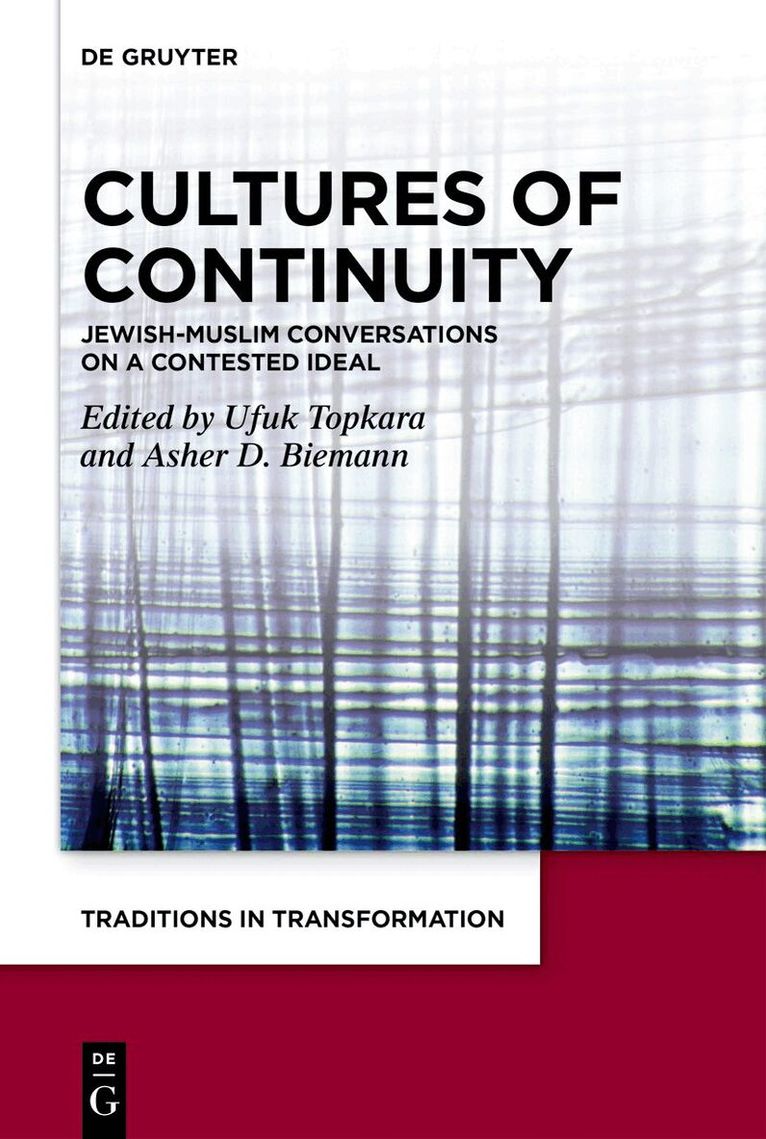
“The thread of historical continuity,” Hannah Arendt once remarked, “was the first substitute for tradition." To the historian, the assumed continuity of historical events became an Ersatzreligion of sorts, a substitute religion that rejected not the ideas of tradition and transmission as such but, rather, their unquestioned authority. Yet, while seemingly secular and rooted in culture, the idea, or ideal, of continuity is propagated also by traditional religious groups and forces. It appears as much as a resistance to cultural discontinuities as it functions as a critique of modernity itself. Continuity, therefore, has remained a contested concept not only among modern thinkers, but also with the post-modern turn; here, assumed historical linearities have been brought into question and deconstructed with force. We are rightly concerned about hegemonic continuities and about continuity for its own sake. Why, if at all, should continuity matter? Karl Löwith understood continuity not as an erasure of difference and plurality, but instead as a conscious effort to build invisible bridges in time. “Conscious historical continuity,” he writes, “constitutes tradition and frees us from it.” Is there a legitimate place for continuity, understood in this way, and thus for cultures of continuity, in a world where change and rupture have assumed their own kind of normativity? Can conscious continuities offer helpful insights into enduring debates on pluralistic societies, collective identity, and cultural resilience?