Ashley A. Dumas – författare
Visar alla böcker från författaren Ashley A. Dumas. Handla med fri frakt och snabb leverans.
5 produkter
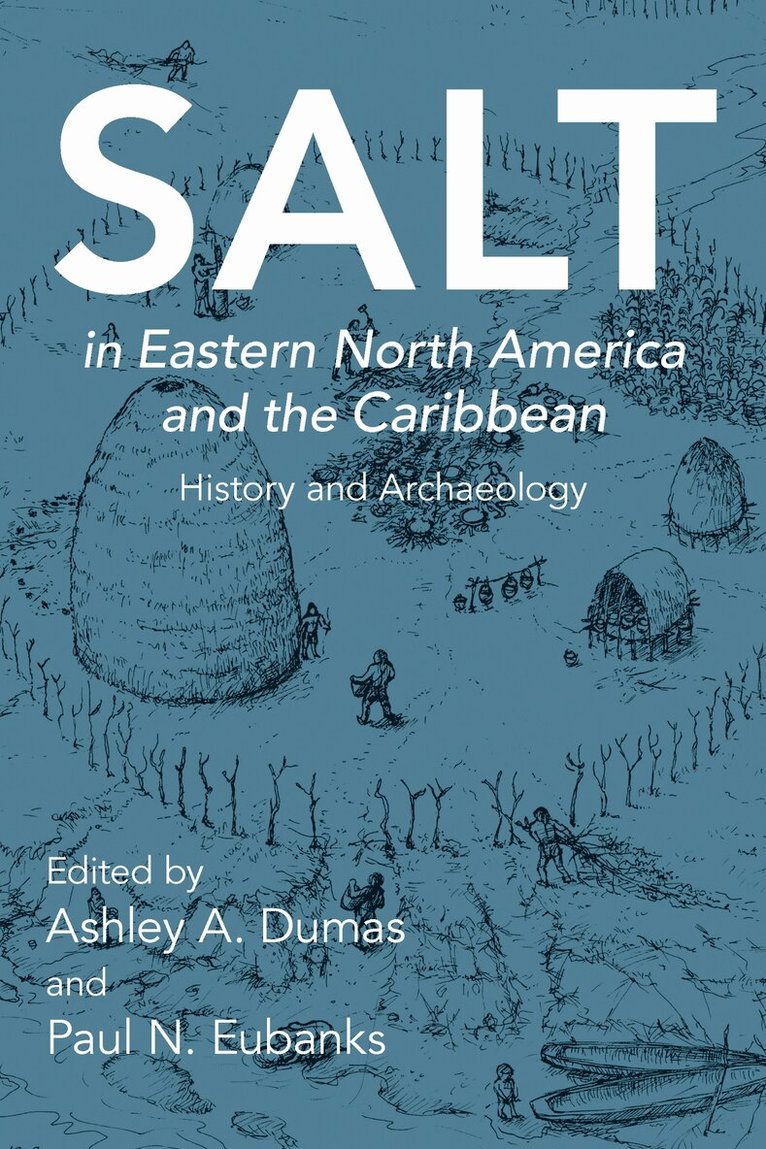
Salt in Eastern North America and the Caribbean
History and Archaeology
Av Ashley A. Dumas, Paul N. Eubanks
Inbunden, 2021
814 kr
Lägg i varukorg
Case studies examining the archaeological record of an overlooked mineralSalt, once a highly prized trade commodity essential for human survival, is often overlooked in research because it is invisible in the archaeological record. Salt in Eastern North America and the Caribbean: History and …
Salt in Eastern North America and the Caribbean
History and Archaeology
Av Paul N. Eubanks, Ashley A. Dumas
E-bok, 2021
1365 kr
Lägg i varukorg
Case studies examining the archaeological record of an overlooked mineral Salt, once a highly prized trade commodity essential for human survival, is often overlooked in research because it is invisible in the archaeological record. Salt in Eastern North America and the Caribbean: History and …
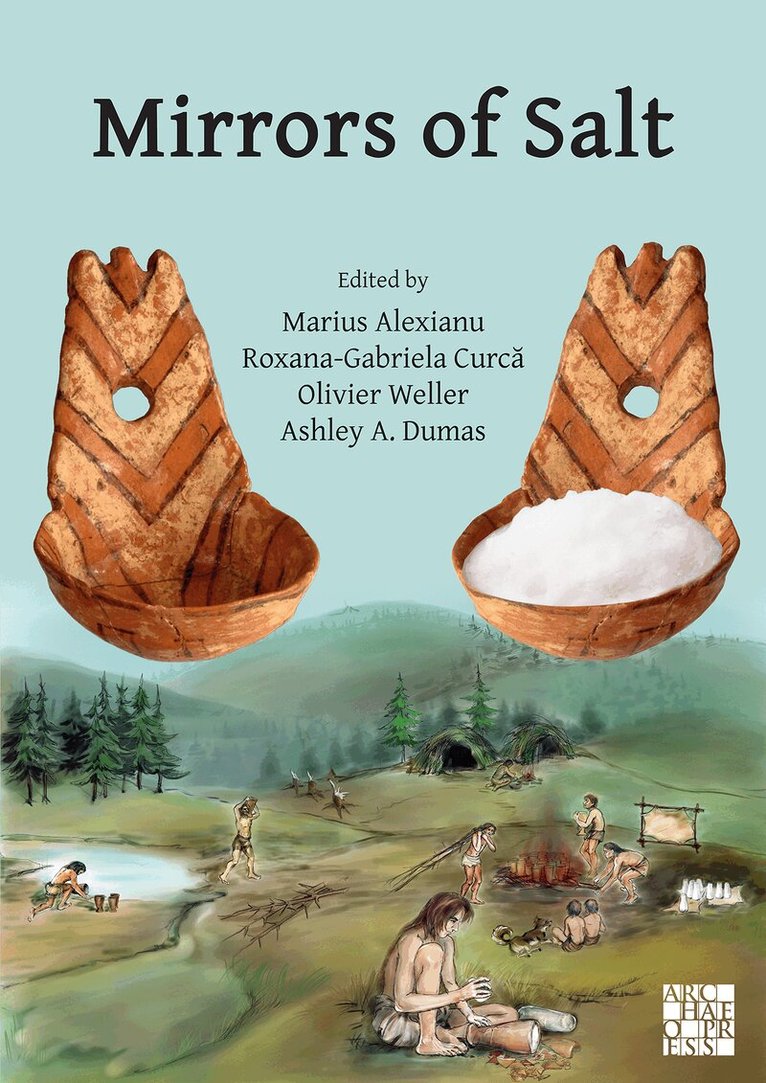
Mirrors of Salt
Proceedings of the First International Congress on the Anthropology of Salt: 20-24 August 2015, 'Al. I. Cuza' University, Iasi, Romania
Av Marius Alexianu, Roxana-Gabriela Curcă m. fl.
Häftad, 2023
1109 kr
Lägg i varukorg
Mirrors of Salt publishes the proceedings of the First International Congress on the Anthropology of Salt, which took place at the Alexandru Ioan Cuza University in Iasi (Romania). The impact of salt on the development of human communities, from the Neolithic to the present, has generated a huge …
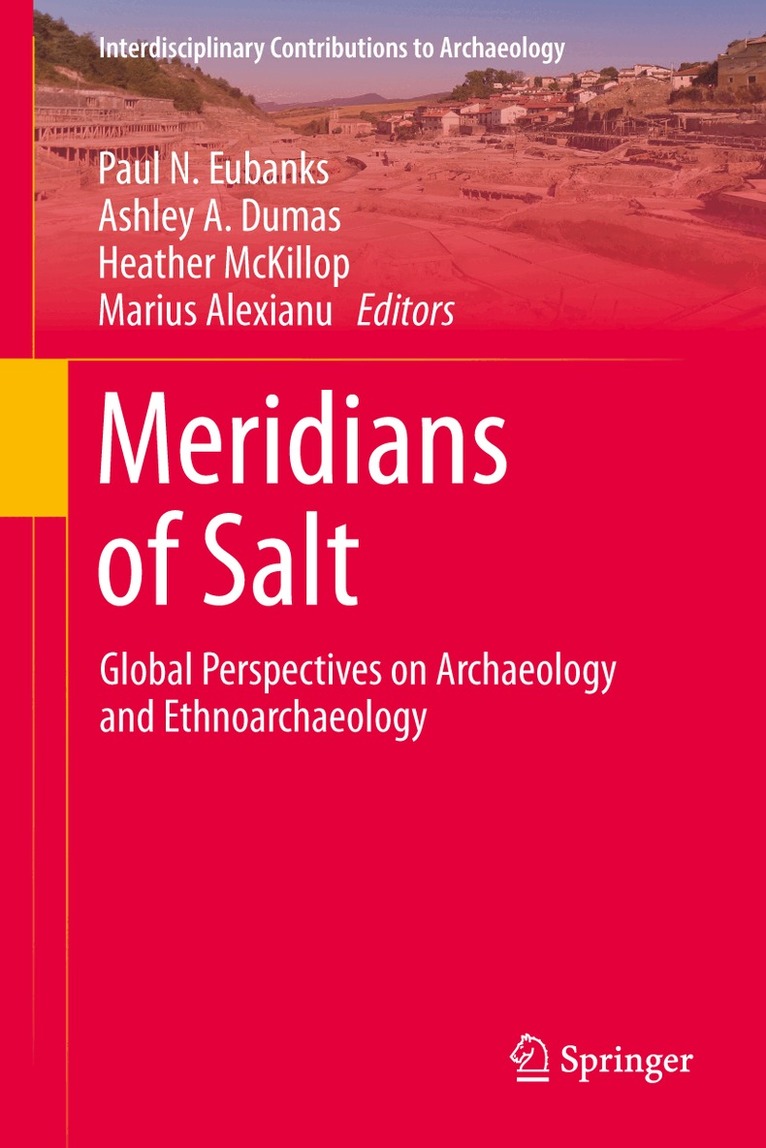
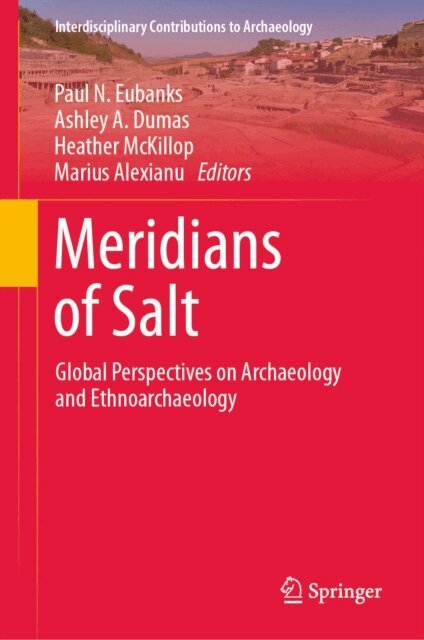
Meridians of Salt
Global Perspectives on Archaeology and Ethnoarchaeology
Av Paul N. Eubanks, Ashley A. Dumas m. fl.
Inbunden, 2025
1467 kr
Lägg i varukorg
This book explores the relationship between salt (sodium chloride) and the development of human societies from a cross-cultural and global perspective. Although it is not possible to discuss the importance of salt to all ancient and modern societies, the geographically and temporally diverse …
Meridians of Salt
Global Perspectives on Archaeology and Ethnoarchaeology
Av Marius Alexianu, Heather McKillop m. fl.
E-bok, 2025
1798 kr
Lägg i varukorg
This book explores the relationship between salt (sodium chloride) and the development of human societies from a cross-cultural and global perspective. Although it is not possible to discuss the importance of salt to all ancient and modern societies, the geographically and temporally diverse …