Paul N. Eubanks – författare
Visar alla böcker från författaren Paul N. Eubanks. Handla med fri frakt och snabb leverans.
4 produkter
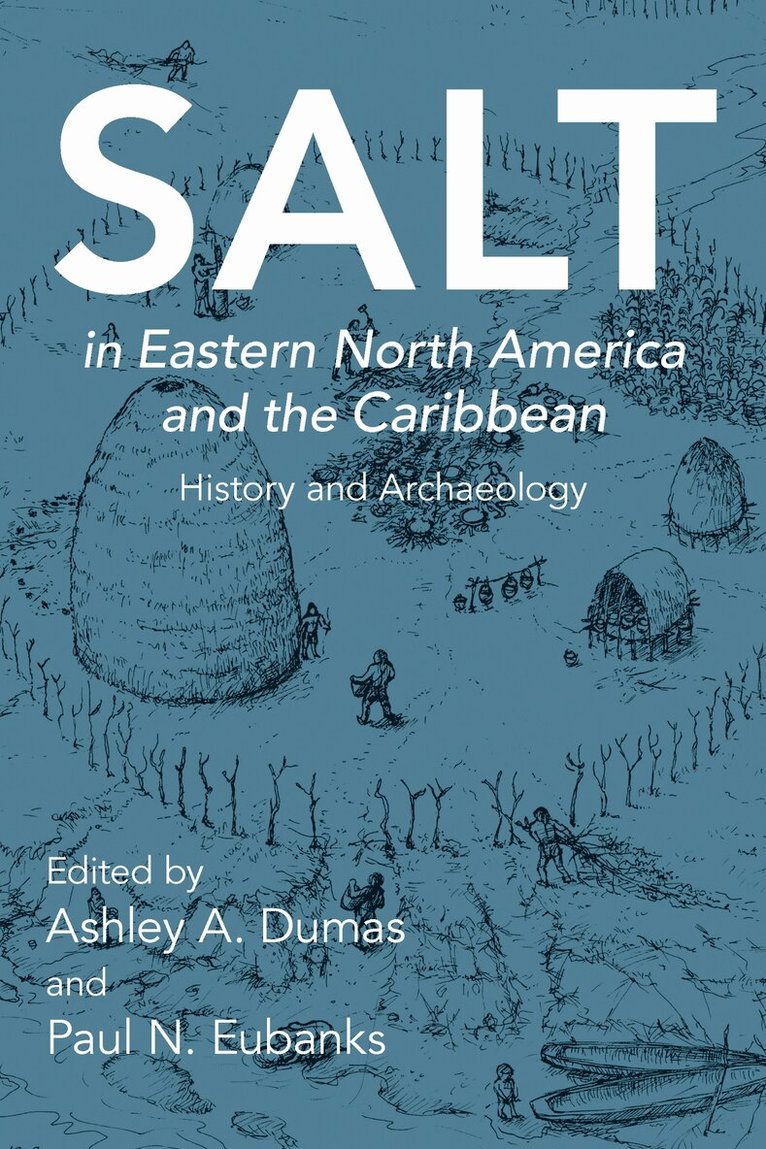
Salt in Eastern North America and the Caribbean
History and Archaeology
Av Ashley A. Dumas, Paul N. Eubanks
Inbunden, 2021
814 kr
Lägg i varukorg
Case studies examining the archaeological record of an overlooked mineralSalt, once a highly prized trade commodity essential for human survival, is often overlooked in research because it is invisible in the archaeological record. Salt in Eastern North America and the Caribbean: History and …
Salt in Eastern North America and the Caribbean
History and Archaeology
Av Paul N. Eubanks, Ashley A. Dumas
E-bok, 2021
1365 kr
Lägg i varukorg
Case studies examining the archaeological record of an overlooked mineral Salt, once a highly prized trade commodity essential for human survival, is often overlooked in research because it is invisible in the archaeological record. Salt in Eastern North America and the Caribbean: History and …
Meridians of Salt
Global Perspectives on Archaeology and Ethnoarchaeology
Av Paul N. Eubanks, Ashley A. Dumas m. fl.
Inbunden, 2025
1467 kr
Lägg i varukorg
This book explores the relationship between salt (sodium chloride) and the development of human societies from a cross-cultural and global perspective. Although it is not possible to discuss the importance of salt to all ancient and modern societies, the geographically and temporally diverse …
Meridians of Salt
Global Perspectives on Archaeology and Ethnoarchaeology
Av Marius Alexianu, Heather McKillop m. fl.
E-bok, 2025
1798 kr
Lägg i varukorg
This book explores the relationship between salt (sodium chloride) and the development of human societies from a cross-cultural and global perspective. Although it is not possible to discuss the importance of salt to all ancient and modern societies, the geographically and temporally diverse …