Heather McKillop – författare
Visar alla böcker från författaren Heather McKillop. Handla med fri frakt och snabb leverans.
9 produkter
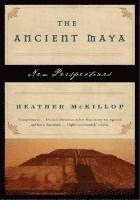
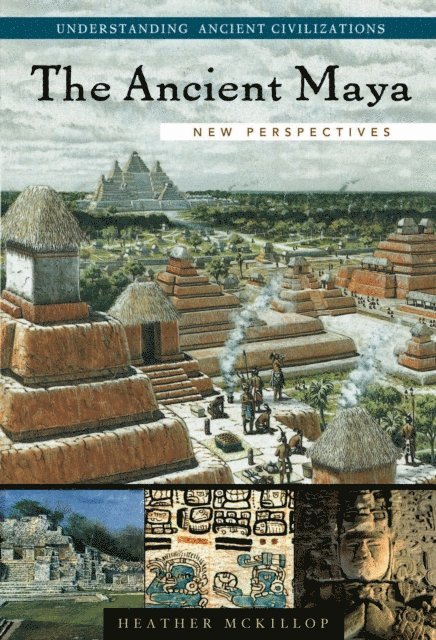
Ancient Maya
New Perspectives
Häftad, 2006
500 kr
Lägg i varukorg
Temples lost in the rainforest. Strange inscriptions and ritual bloodletting. Such are the images popularly associated with the ancient Maya of Central America. But who really were the people of this lost civilization? How and why did their culture achieve regional dominance? Could such pressing …
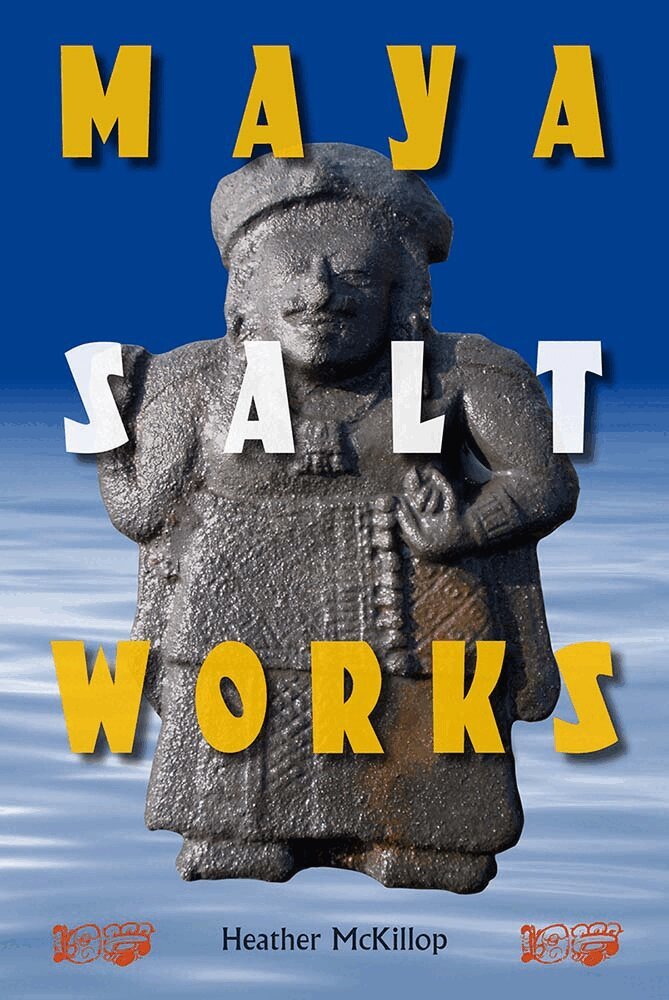
Maya Salt Works
Inbunden, 2019
1110 kr
Lägg i varukorg
In Maya Salt Works, Heather McKillop details her archaeological team’s groundbreaking discovery of a unique and massive salt production complex submerged in a lagoon in southern Belize. Exploring the organization of production and trade at the Paynes Creek Salt Works, McKillop offers a fascinating …
Maya Salt Works
E-bok, 2019
1779 kr
Lägg i varukorg
In Maya Salt Works , Heather McKillop details her archaeological team’s groundbreaking discovery of a unique and massive salt production complex submerged in a lagoon in southern Belize. Exploring the organization of production and trade at the Paynes Creek Salt Works, McKillop offers a fascinating …
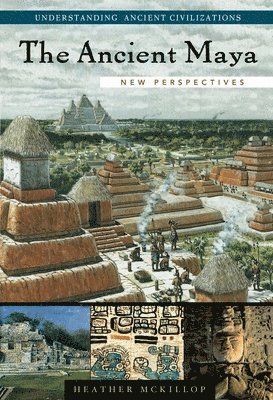
Ancient Maya
New Perspectives
Inbunden, 2004
1023 kr
Lägg i varukorg
Thanks to powerful innovations in archaeology and other types of historical research, we now have a picture of everyday life in the Mayan empire that turns the long-accepted conventional wisdom on its head.Ranging from the end of the Ice Age to the flourishing of Mayan culture in the first …
Ancient Maya
New Perspectives
E-bok, 2004
1053 kr
Lägg i varukorg
Thanks to powerful innovations in archaeology and other types of historical research, we now have a picture of everyday life in the Mayan empire that turns the long-accepted conventional wisdom on its head. Ranging from the end of the Ice Age to the flourishing of Mayan culture in the first …
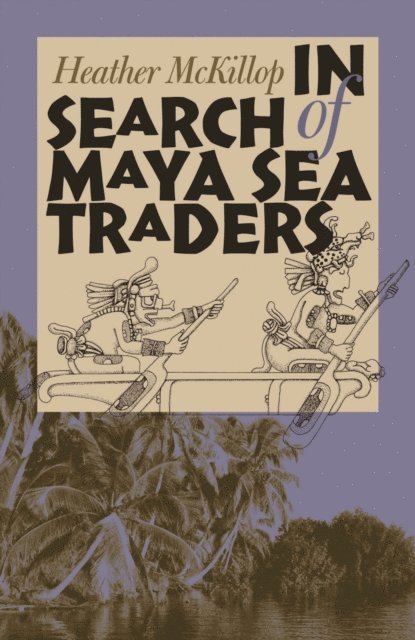
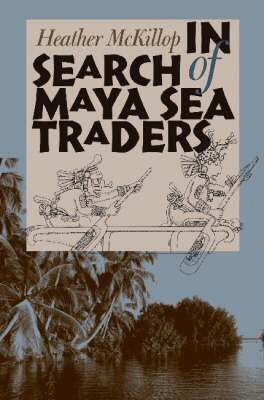
In Search of Maya Sea Traders
E-bok, 2004
172 kr
Lägg i varukorg
Stone temples rising above the rainforest canopy and elaborate hieroglyphs carved onto stone monuments give silent testimony to the high culture of the Maya ancestors of the indigenous peoples of Central America. They have inspired generations of archaeologists, professional and avocational, to …
Meridians of Salt
Global Perspectives on Archaeology and Ethnoarchaeology
Av Paul N. Eubanks, Ashley A. Dumas m. fl.
Inbunden, 2025
1467 kr
Lägg i varukorg
This book explores the relationship between salt (sodium chloride) and the development of human societies from a cross-cultural and global perspective. Although it is not possible to discuss the importance of salt to all ancient and modern societies, the geographically and temporally diverse …
Meridians of Salt
Global Perspectives on Archaeology and Ethnoarchaeology
Av Marius Alexianu, Heather McKillop m. fl.
E-bok, 2025
1798 kr
Lägg i varukorg
This book explores the relationship between salt (sodium chloride) and the development of human societies from a cross-cultural and global perspective. Although it is not possible to discuss the importance of salt to all ancient and modern societies, the geographically and temporally diverse …
In Search of Maya Sea Traders
Inbunden, 2004
524 kr
Tillfälligt slut
Stone temples rising above the rainforest canopy and elaborate hieroglyphs carved onto stone monuments give silent testimony to the high culture of the Maya ancestors of the indigenous peoples of Central America. They have inspired generations of archaeologists, professional and avocational, to …