Ashley Nellis – författare
Visar alla böcker från författaren Ashley Nellis. Handla med fri frakt och snabb leverans.
4 produkter
4 produkter
330 kr
Skickas inom 10-15 vardagar
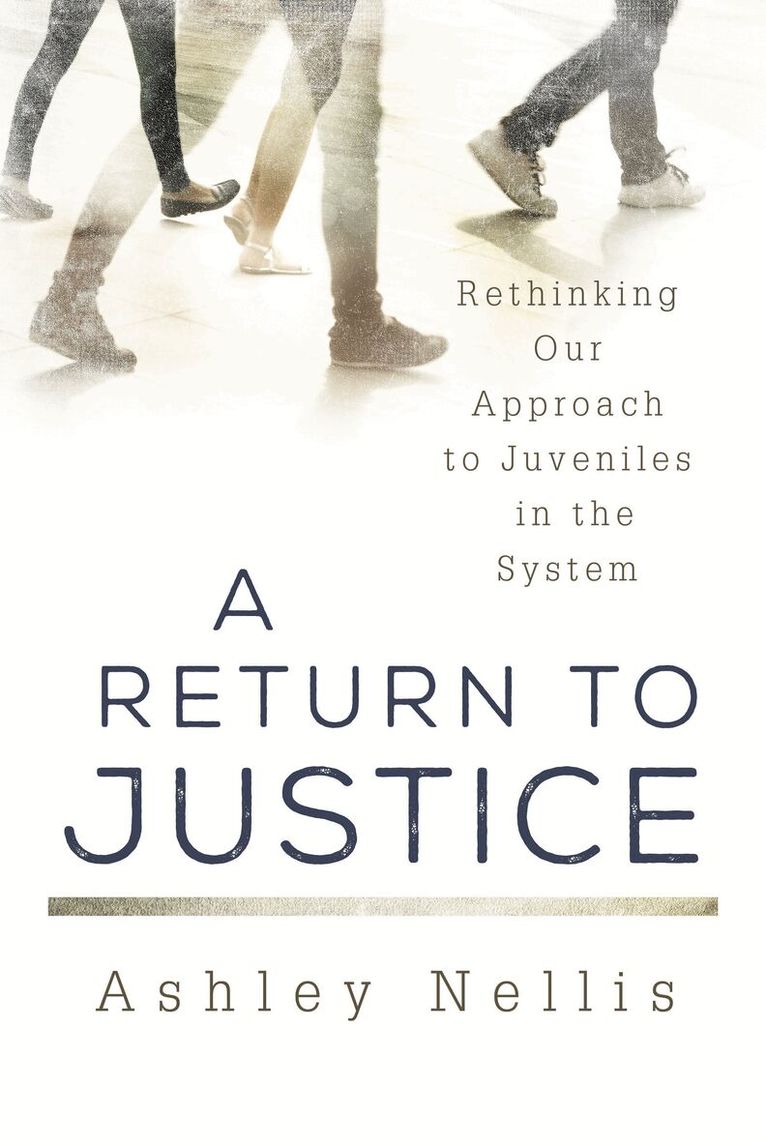
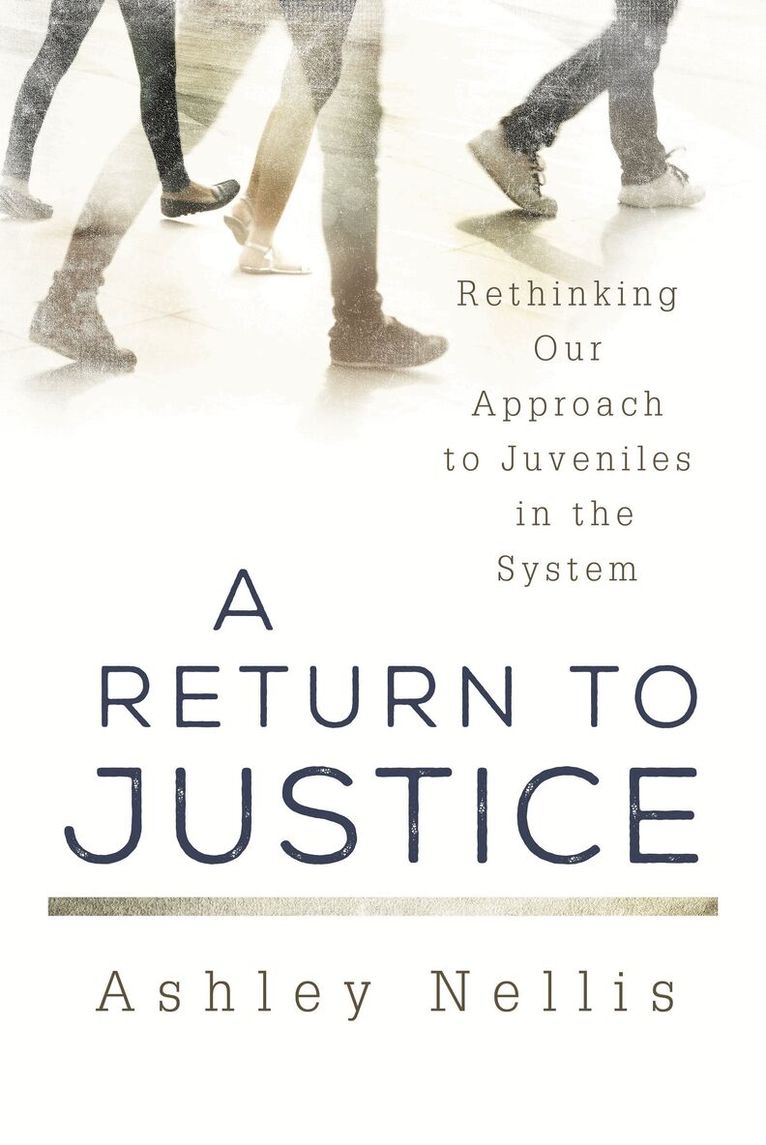
Juveniles who commit crimes often find themselves in court systems that do not account for their young age, but it wasn’t always this way. The original aim of a separate juvenile justice system was to treat young offenders as the children they were, considering their unique child status and amenability for reform. Now, after years punishing young offenders as if they were adults, slowly the justice system is making changes that would allow the original vision for juvenile justice to finally materialize.In its original design, the founders focused on treating youth offenders separately from adults and with a different approach. The hallmarks of this approach appreciated the fact that youth cannot fully understand the consequences of their actions and are therefore worthy of reduced culpability. The original design for youth justice prioritized brief and confidential contact with the juvenile justice system, so as to avoid the stigma that would otherwise mar a youth’s chances for success upon release. Rehabilitation was seen as the priority, and efforts to redirect wayward youth were to be implemented when possible and appropriate. The original tenets of the juvenile justice system were slowly dismantled and replaced with a system more like the adult criminal justice system, one which takes no account of age. In recent years, the tide has turned again. The number of incarcerated youth has been cut in half nationally. In addition, juvenile justice practices are increasingly guided by scholarship in adolescent development that confirms important differences between youth and adults. And, states and localities are choosing to invest in evidence based approaches to juvenile crime prevention and intervention rather than in facilities to lock up errant youth. This book assesses the strategies and policies that have produced these important shifts in direction. Important contributing factors include the declining incidence of youth-committed crime, advances in adolescent brain science, nationwide budgetary concerns, focused advocacy with policymakers and practitioners, and successful public education campaigns that address extreme sanctions for youth such as solitary confinement and life sentences without the possibility of parole. Yet more needs to be done. The U.S. Supreme Court has recently voiced its unfaltering conclusion that children are different from adults in a series of landmark cases. The question now is how to take advantage of the opportunity for juvenile justice reform of the kind that would reorient the juvenile justice system to its original intent both in policy and practice, and would return to a system that treats children as children. Using case examples throughout, Nellis offers a compelling history and shows how we might continue on the road to reform.
Handbook on Collaborating Across Differences in Sentencing and Corrections
Process and Outcomes
Inbunden, Engelska, 2026
3 261 kr
Kommande
This volume offers a collection of chapters exploring a range of research collaborations within the field of sentencing and corrections, focusing on both process and results. Chapters cover partnerships between people and organizations with different trainings, backgrounds, and/or purposes, such as academics in different fields, practitioners, policymakers, and those with and without lived experience in the justice system, with mental health issues, and/or with substance use disorders. The range of sentencing and corrections agencies includes courts, diversion programs or alternatives to incarceration, community supervision departments, and correctional institutions.Contributions provide valuable insights into the development of such partnerships, highlighting effective strategies, identifying key factors that contribute to successful collaborations, and addressing challenges alongside practical solutions. The sections are organized to focus on critical aspects of collaboration, including the processes of working together in the field, advancing partnerships, achieving desired outcomes, and bridging the gap between academic research and its application by policymakers, practitioners, and the broader public.The volume shines a light on the importance and impact of collaborating across differences in sentencing and corrections and advances best practices for achieving successful partnerships. This is Volume 11 of The ASC Division on Corrections and Sentencing Handbook Series. The handbooks provide in-depth coverage of seminal and topical issues around sentencing and corrections for scholars, students, practitioners, and policymakers.
516 kr
Skickas inom 10-15 vardagar
Juveniles who commit crimes often find themselves in court systems that do not account for their young age, but it wasn’t always this way. The original aim of a separate juvenile justice system was to treat young offenders as the children they were, considering their unique child status and amenability for reform. Now, after years punishing young offenders as if they were adults, slowly the justice system is making changes that would allow the original vision for juvenile justice to finally materialize.In its original design, the founders focused on treating youth offenders separately from adults and with a different approach. The hallmarks of this approach appreciated the fact that youth cannot fully understand the consequences of their actions and are therefore worthy of reduced culpability. The original design for youth justice prioritized brief and confidential contact with the juvenile justice system, so as to avoid the stigma that would otherwise mar a youth’s chances for success upon release. Rehabilitation was seen as the priority, and efforts to redirect wayward youth were to be implemented when possible and appropriate. The original tenets of the juvenile justice system were slowly dismantled and replaced with a system more like the adult criminal justice system, one which takes no account of age. In recent years, the tide has turned again. The number of incarcerated youth has been cut in half nationally. In addition, juvenile justice practices are increasingly guided by scholarship in adolescent development that confirms important differences between youth and adults. And, states and localities are choosing to invest in evidence based approaches to juvenile crime prevention and intervention rather than in facilities to lock up errant youth. This book assesses the strategies and policies that have produced these important shifts in direction. Important contributing factors include the declining incidence of youth-committed crime, advances in adolescent brain science, nationwide budgetary concerns, focused advocacy with policymakers and practitioners, and successful public education campaigns that address extreme sanctions for youth such as solitary confinement and life sentences without the possibility of parole. Yet more needs to be done. The U.S. Supreme Court has recently voiced its unfaltering conclusion that children are different from adults in a series of landmark cases. The question now is how to take advantage of the opportunity for juvenile justice reform of the kind that would reorient the juvenile justice system to its original intent both in policy and practice, and would return to a system that treats children as children. Using case examples throughout, Nellis offers a compelling history and shows how we might continue on the road to reform.
223 kr
Tillfälligt slut
In a forceful and necessary argument Marc Mauer and Ashley Nellis of The Sentencing Project argue that there is no practical or moral justification for a sentence longer than twenty years. In fact, harsher sentences have been shown to have little effect on crime rates. Featuring moving profiles of half a dozen people currently serving life sentences written by former 'lifer' and award-winning writer Kerry Myers, falsely convicted of murder and released after serving twenty-seven years of his life sentence, this book offers a much-needed road map to a more humane criminal justice system.