Astrid Noren-Nilsson - Böcker
Visar alla böcker från författaren Astrid Noren-Nilsson. Handla med fri frakt och snabb leverans.
10 produkter
10 produkter
367 kr
Skickas inom 10-15 vardagar
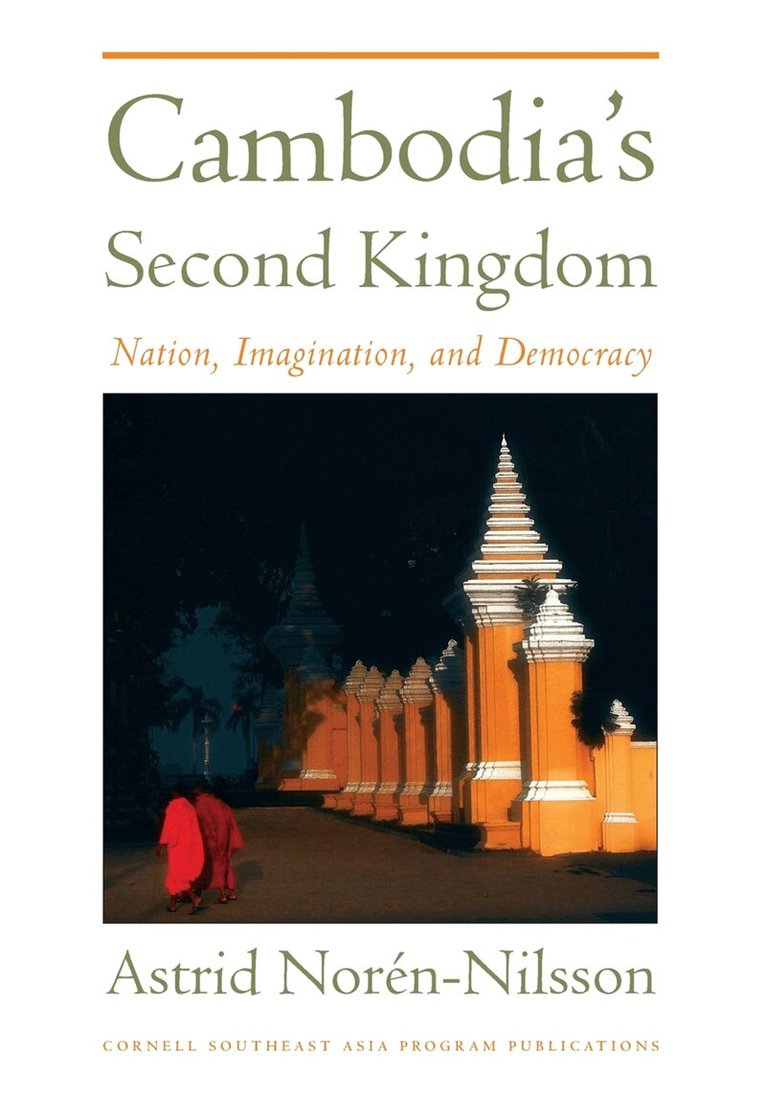
Cambodia's Second Kingdom is an exploration of the role of nationalist imaginings, discourses, and narratives in Cambodia since the 1993 reintroduction of a multiparty democratic system. Competing nationalistic imaginings are shown to be a more prominent part of party political contestation in the Kingdom of Cambodia than typically believed. For political parties, nationalistic imaginings became the basis for strategies to attract popular support, electoral victories, and moral legitimacy. Astrid Norén-Nilsson uses uncommon sources, such as interviews with key contemporary political actors, to analyze Cambodia's postconflict reconstruction politics. This book exposes how nationalist imaginings, typically understood to be associated with political opposition, have been central to the reworking of political identities and legitimacy bids across the political spectrum. Norén-Nilsson examines the entanglement of notions of democracy and national identity and traces out a tension between domestic elite imaginings and the liberal democratic framework in which they operate
1 518 kr
Skickas inom 10-15 vardagar
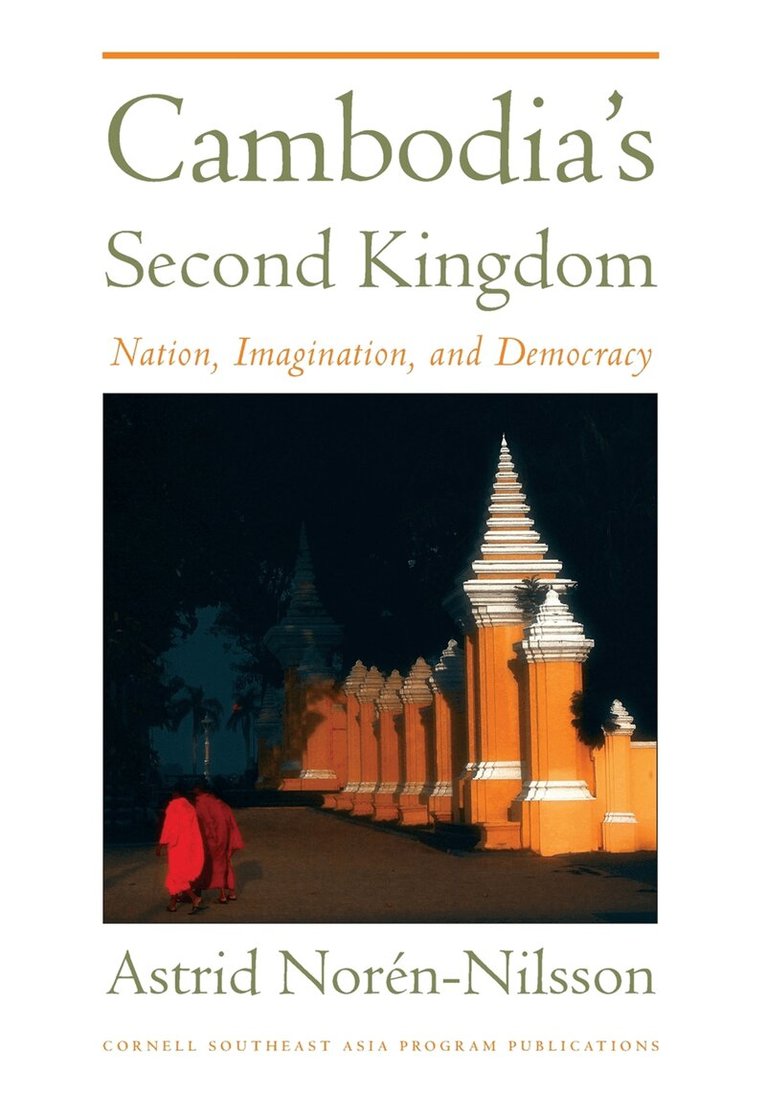
Cambodia's Second Kingdom is an exploration of the role of nationalist imaginings, discourses, and narratives in Cambodia since the 1993 reintroduction of a multiparty democratic system. Competing nationalistic imaginings are shown to be a more prominent part of party political contestation in the Kingdom of Cambodia than typically believed. For political parties, nationalistic imaginings became the basis for strategies to attract popular support, electoral victories, and moral legitimacy. Astrid Norén-Nilsson uses uncommon sources, such as interviews with key contemporary political actors, to analyze Cambodia's postconflict reconstruction politics. This book exposes how nationalist imaginings, typically understood to be associated with political opposition, have been central to the reworking of political identities and legitimacy bids across the political spectrum. Norén-Nilsson examines the entanglement of notions of democracy and national identity and traces out a tension between domestic elite imaginings and the liberal democratic framework in which they operate
95 kr
There are few better examples of analysis – the critical thinking skill of understanding how an argument is built – than Robert Dahl’s Democracy and its Critics. In this work, the American political theorist closely analyzes the democratic political system and then evaluates whether the arguments that are in favor of it are, in fact, rigorous. ¶Dahl sets out to describe democracy’s merits and problems, asking if it really is the worthwhile political system we believe it to be. Knowing that the idea of democracy is now almost universally popular, his detailed analysis leads him to look at a number of regimes that claim to be democratic but do not, in truth, practice democracy. But Dahl is not only interested in uncovering uncomfortable truths. He goes further and creates a set of standards by which we can all decide whether a country really is democratic. Dahl’s analysis of the evidence leads him to conclude that the following criteria must be met for a regime to be considered truly democratic: elected officials control policy-making; there are free and fair elections of officials; everyone must have a right to vote; everyone has the right to run for office; there is freedom of speech; alternative information is available; and people can form free, independent political groups.
Analysis of Robert A. Dahl's Who Governs? Democracy and Power in an American City
Häftad, Engelska, 2017
95 kr
Skickas inom 10-15 vardagar
American political theorist Robert Dahl’s 1961 work of political theory exhibits deep levels of creative thinking. When Dahl wrote, the American system of liberal democracy was generally considered to be shaped by a small group of powerful individuals who dominate because they are wealthy and influential. But by connecting the evidence in a new way in Who Governs? Dahl argued convincingly against this view.Dahl suggested that power is actually distributed among a number of competing groups, and that each of those groups seeks to influence decisions. He puts forward a definition of political power as the ability to make others do what you want them to, concluding that – while most people do not actively participate in politics and so do not exert a direct influence – power is still fragmented, and citizens do indirectly shape decision-making.Dahl’s novel explanation of the existing evidence emerged from a study of three areas of policy-making in the city of New Haven: political nominations, urban redevelopment, and public education. His research revealed that different people wielded power in each area, and that only the mayor, whose power is checked by those who vote for him, was powerful in all three. These new connections allowed Dahl to arrive at fresh conclusions and convincingly demonstrated that the US operates a pluralist system in which power is divided between different interest groups.
278 kr
Skickas inom 10-15 vardagar
There are few better examples of analysis – the critical thinking skill of understanding how an argument is built – than Robert Dahl’s Democracy and its Critics. In this work, the American political theorist closely analyzes the democratic political system and then evaluates whether the arguments that are in favor of it are, in fact, rigorous. ¶Dahl sets out to describe democracy’s merits and problems, asking if it really is the worthwhile political system we believe it to be. Knowing that the idea of democracy is now almost universally popular, his detailed analysis leads him to look at a number of regimes that claim to be democratic but do not, in truth, practice democracy. But Dahl is not only interested in uncovering uncomfortable truths. He goes further and creates a set of standards by which we can all decide whether a country really is democratic. Dahl’s analysis of the evidence leads him to conclude that the following criteria must be met for a regime to be considered truly democratic: elected officials control policy-making; there are free and fair elections of officials; everyone must have a right to vote; everyone has the right to run for office; there is freedom of speech; alternative information is available; and people can form free, independent political groups.
Analysis of Robert A. Dahl's Who Governs? Democracy and Power in an American City
Inbunden, Engelska, 2017
278 kr
Skickas inom 10-15 vardagar
American political theorist Robert Dahl’s 1961 work of political theory exhibits deep levels of creative thinking. When Dahl wrote, the American system of liberal democracy was generally considered to be shaped by a small group of powerful individuals who dominate because they are wealthy and influential. But by connecting the evidence in a new way in Who Governs? Dahl argued convincingly against this view.Dahl suggested that power is actually distributed among a number of competing groups, and that each of those groups seeks to influence decisions. He puts forward a definition of political power as the ability to make others do what you want them to, concluding that – while most people do not actively participate in politics and so do not exert a direct influence – power is still fragmented, and citizens do indirectly shape decision-making.Dahl’s novel explanation of the existing evidence emerged from a study of three areas of policy-making in the city of New Haven: political nominations, urban redevelopment, and public education. His research revealed that different people wielded power in each area, and that only the mayor, whose power is checked by those who vote for him, was powerful in all three. These new connections allowed Dahl to arrive at fresh conclusions and convincingly demonstrated that the US operates a pluralist system in which power is divided between different interest groups.
954 kr
Skickas inom 7-10 vardagar
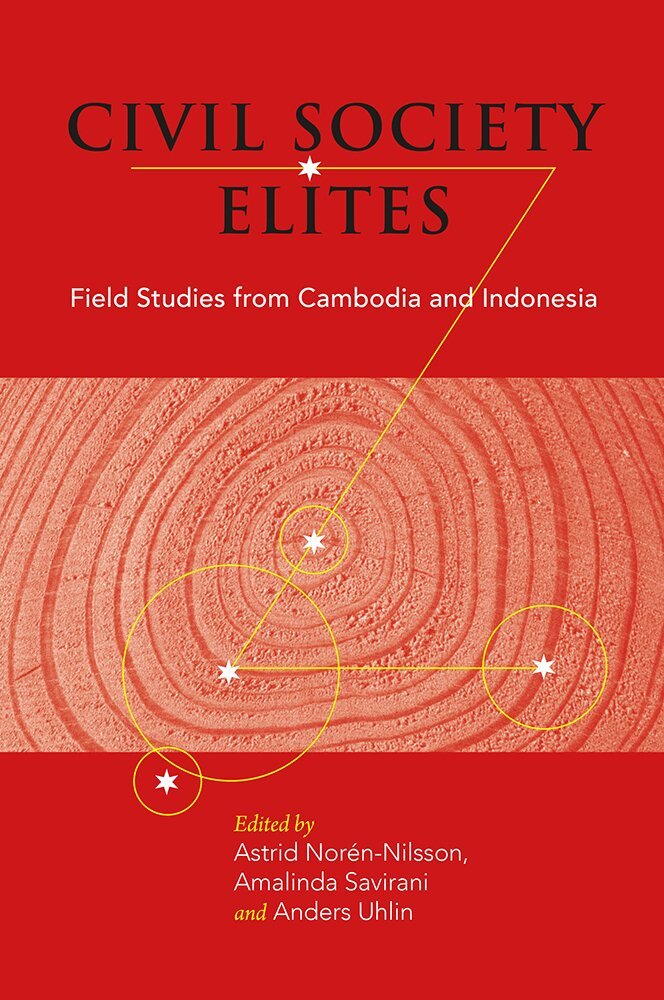
This innovative volume is the first systematic study of civil society elites in Southeast Asia (and indeed anywhere in the world). Spanning two previously separate areas of research – civil society and elites – it sheds new light on power inequalities within and beyond civil society, identifies different types of elite formation and elite interaction within and beyond civil society, and traces interactions and integration with elite groups from party politics, the state, and the business sector. This tightly edited volume, produced by a research team ranging from senior scholars to promising younger academics, analyses how such processes are influenced by reliance on foreign funding and explores how they play out in two settings – where the political space for civil society is generally shrinking (Cambodia) and where it is relatively expanding (Indonesia). However, the volume offers more than a rethinking of civil society in Cambodia and Indonesia; it looks beyond. It thus challenges a view of civil society entities as relatively isolated from the state and from political and economic society, revealing power relations that link them. Suggesting a new direction for civil society research, the book will be of great interest to the many researchers working on civil society, elites and contemporary Southeast Asian politics as well as those engaged in other areas of society in Cambodia and Indonesia. Policymakers, donors and not least civil society activists themselves will find the volume highly relevant to their work
296 kr
Skickas inom 7-10 vardagar
This innovative volume is the first systematic study of civil society elites in Southeast Asia (and indeed anywhere in the world). Spanning two previously separate areas of research – civil society and elites – it sheds new light on power inequalities within and beyond civil society, identifies different types of elite formation and elite interaction within and beyond civil society, and traces interactions and integration with elite groups from party politics, the state, and the business sector. This tightly edited volume, produced by a research team ranging from senior scholars to promising younger academics, analyses how such processes are influenced by reliance on foreign funding and explores how they play out in two settings – where the political space for civil society is generally shrinking (Cambodia) and where it is relatively expanding (Indonesia). However, the volume offers more than a rethinking of civil society in Cambodia and Indonesia; it looks beyond. It thus challenges a view of civil society entities as relatively isolated from the state and from political and economic society, revealing power relations that link them. Suggesting a new direction for civil society research, the book will be of great interest to the many researchers working on civil society, elites and contemporary Southeast Asian politics as well as those engaged in other areas of society in Cambodia and Indonesia. Policymakers, donors and not least civil society activists themselves will find the volume highly relevant to their work.
535 kr
Skickas inom 10-15 vardagar
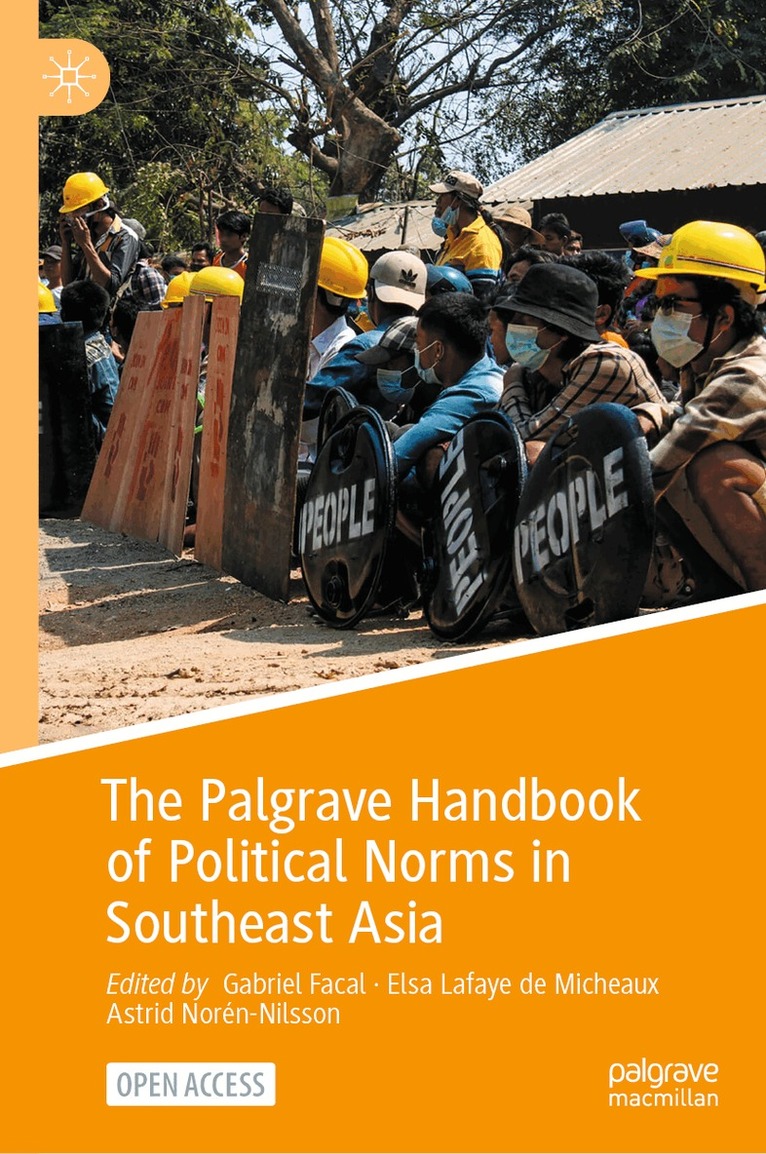
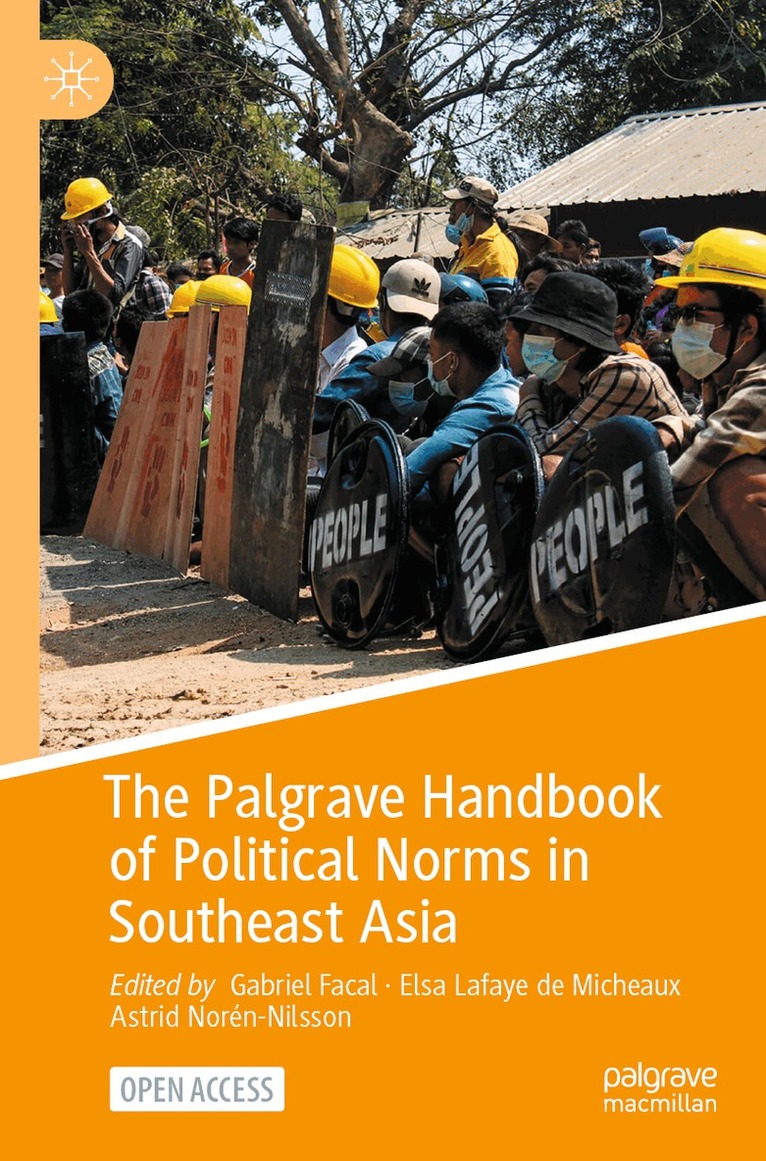
This open access handbook aims to constitute a reference point on political norm dynamics in Southeast Asia, by bringing together the array of normative repertoires that frame the possibilities for citizens to participate in, set agendas for, make decisions in, and contest, not only electoral and institutional politics but also informal and imaginary political spaces. It sheds light on intersecting political and social transformations and their consequences from the vantage point of political norms. While chapters lay out and analyse how political norms across Southeast Asia have been shaped in successive historical phases, the core of the handbook addresses current dynamics involved in defining and transforming political norms.
430 kr
Skickas inom 7-10 vardagar
This open access handbook aims to constitute a reference point on political norm dynamics in Southeast Asia, by bringing together the array of normative repertoires that frame the possibilities for citizens to participate in, set agendas for, make decisions in, and contest, not only electoral and institutional politics but also informal and imaginary political spaces. It sheds light on intersecting political and social transformations and their consequences from the vantage point of political norms. While chapters lay out and analyse how political norms across Southeast Asia have been shaped in successive historical phases, the core of the handbook addresses current dynamics involved in defining and transforming political norms.