Astrid Van Oyen – författare
Visar alla böcker från författaren Astrid Van Oyen. Handla med fri frakt och snabb leverans.
9 produkter
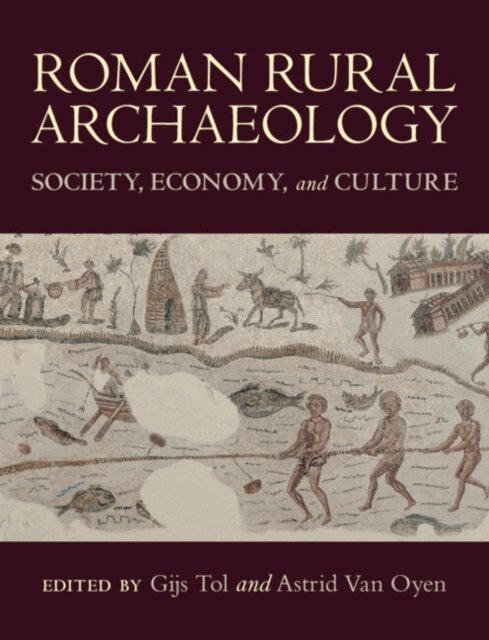
Roman Rural Archaeology
Society, Economy, and Culture
Av Astrid Van Oyen, Gijs Willem Tol
E-bok, 2026
2463 kr
Lägg i varukorg
Roman Rural Archaeology
Society, Economy, and Culture
Av Astrid Van Oyen, Gijs Willem Tol
E-bok, 2026
2518 kr
Lägg i varukorg
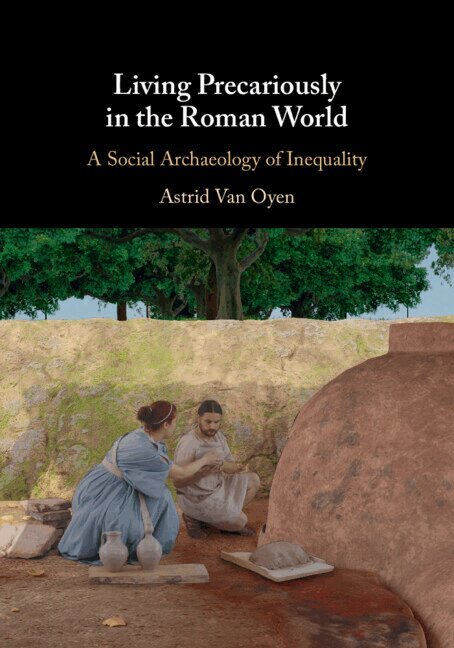
Living Precariously in the Roman World
A Social Archaeology of Inequality
Häftad, 2026
464 kr
Lägg i varukorg
Literary and archaeological evidence suggests that the Roman world was profoundly unequal. What did this mean in material terms for people at the bottom of the social hierarchy? Astrid Van Oyen here investigates the lived experiences of non-elite people in the Roman world through qualitative …
Living Precariously in the Roman World
A Social Archaeology of Inequality
E-bok, 2026
537 kr
Lägg i varukorg
Living Precariously in the Roman World
A Social Archaeology of Inequality
Inbunden, 2026
1362 kr
Lägg i varukorg
Literary and archaeological evidence suggests that the Roman world was profoundly unequal. What did this mean in material terms for people at the bottom of the social hierarchy? Astrid Van Oyen here investigates the lived experiences of non-elite people in the Roman world through qualitative …
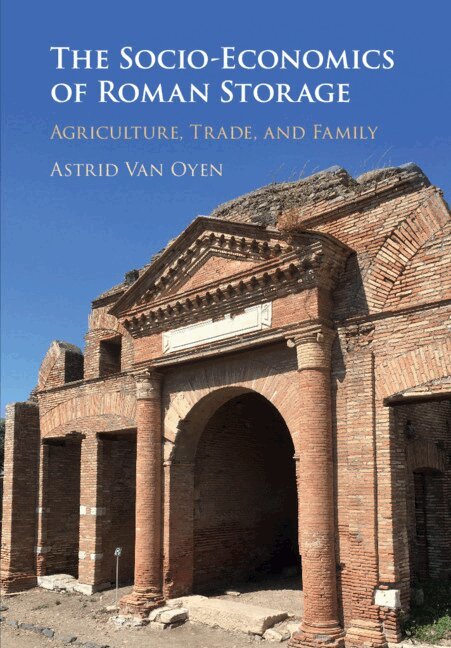
The Socio-Economics of Roman Storage
Agriculture, Trade, and Family
Inbunden, 2020
1445 kr
Lägg i varukorg
In a pre-industrial world, storage could make or break farmers and empires alike. How did it shape the Roman empire? The Socio-Economics of Roman Storage cuts across the scales of farmer and state to trace the practical and moral reverberations of storage from villas in Italy to silos in Gaul, and …
Socio-Economics of Roman Storage
Agriculture, Trade, and Family
E-bok, 2020
1729 kr
Lägg i varukorg
In a pre-industrial world, storage could make or break farmers and empires alike. How did it shape the Roman empire? The Socio-Economics of Roman Storage cuts across the scales of farmer and state to trace the practical and moral reverberations of storage from villas in Italy to silos in Gaul, and …
Socio-Economics of Roman Storage
Agriculture, Trade, and Family
E-bok, 2020
1729 kr
Lägg i varukorg
In a pre-industrial world, storage could make or break farmers and empires alike. How did it shape the Roman empire? The Socio-Economics of Roman Storage cuts across the scales of farmer and state to trace the practical and moral reverberations of storage from villas in Italy to silos in Gaul, and …
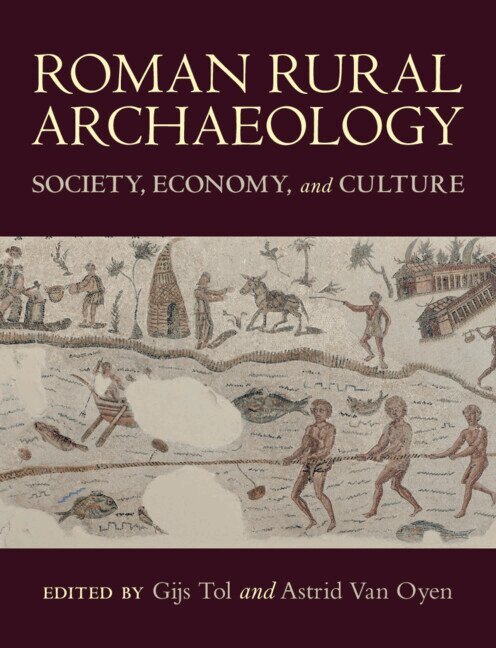
Roman Rural Archaeology
Society, Economy, and Culture
Av Gijs Willem Tol, Astrid Van Oyen
Inbunden, 2026
2210 kr
Lägg i varukorg
The Roman world was a rural world. Most of the Roman population lived in the countryside and had their immediate rural surroundings as their social and economic frame of reference. For much of the Roman period, rural property provided the basis for political power and urban development, and it was …