Asuman Lätzer-Lasar – författare
Visar alla böcker från författaren Asuman Lätzer-Lasar. Handla med fri frakt och snabb leverans.
3 produkter
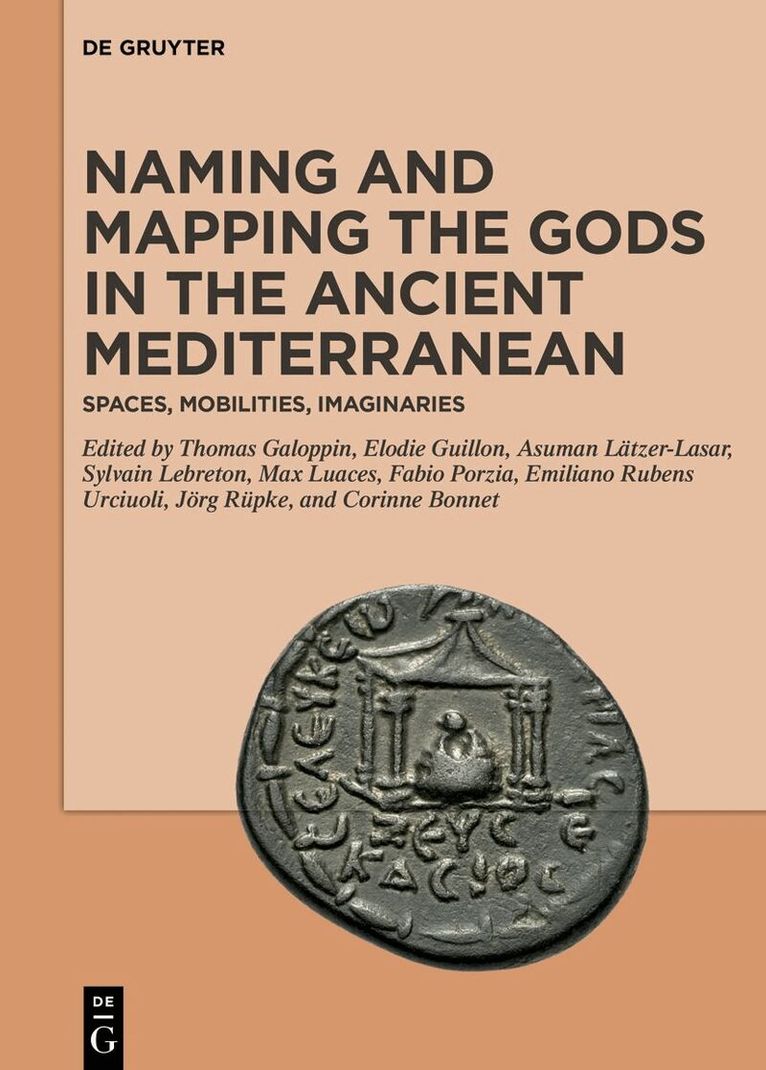
Naming and Mapping the Gods in the Ancient Mediterranean
Spaces, Mobilities, Imaginaries
Av Thomas Galoppin, Elodie Guillon m. fl.
Inbunden, 2022
2959 kr
Lägg i varukorg
Ancient religions are definitely complex systems of gods, which resist our understanding. Divine names provide fundamental keys to gain access to the multiples ways gods were conceived, characterized, and organized. Among the names given to the gods many of them refer to spaces: cities, landscapes, …
Urban Religion in Late Antiquity
Av Asuman Lätzer-Lasar, Emiliano Rubens Urciuoli
Inbunden, 2020
1424 kr
Lägg i varukorg
Urban Religion is an emerging research field cutting across various social science disciplines, all of them dealing with “lived religion” in contemporary and (mainly) global cities. It describes the reciprocal formation and mutual influence of religion and urbanity in both their material and …
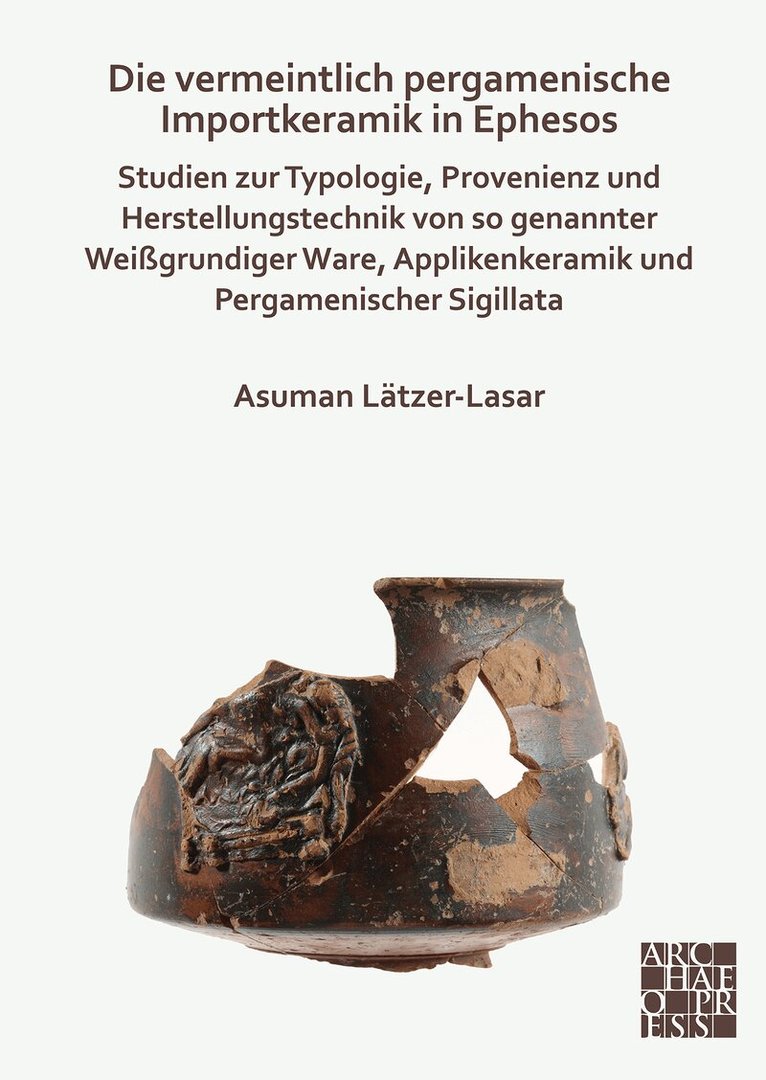
vermeintlich pergamenische Importkeramik in Ephesos
Studien zur Typologie, Provenienz und Herstellungstechnik von so genannter Weißgrundiger Ware, Applikenkeramik und Pergamenischer Sigillata
Häftad, 2020
763 kr
Tillfälligt slut
Die vermeintlich pergamenische Importkeramik in Ephesos is the first comparative study of three ceramic ware groups, namely Appliqué Ware, White-grounded ware and Pergamene Sigillata, which appear in Ephesos (on the Aegean coast of modern day Turkey) but, until now, were considered to be products …