Athanassios Vergados – författare
Visar alla böcker från författaren Athanassios Vergados. Handla med fri frakt och snabb leverans.
12 produkter
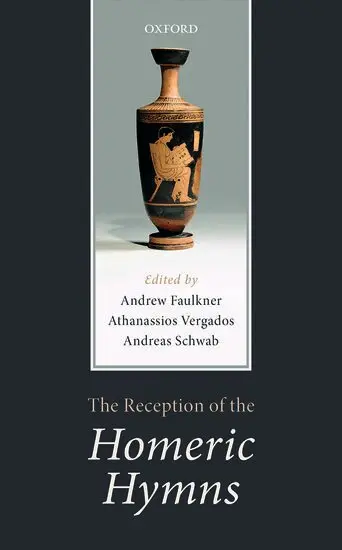
Reception of the Homeric Hymns
Av Andreas Schwab, Athanassios Vergados m. fl.
E-bok, 2016
1476 kr
Lägg i varukorg
The Reception of the Homeric Hymns is a collection of original essays exploring the reception of the Homeric Hymns and other early hexameter poems in the literature and scholarship of the first century BC and beyond. Although much work has been done on the Hymns over the past few decades, and …
Reception of the Homeric Hymns
Av Andreas Schwab, Athanassios Vergados m. fl.
E-bok, 2016
1476 kr
Lägg i varukorg
The Reception of the Homeric Hymns is a collection of original essays exploring the reception of the Homeric Hymns and other early hexameter poems in the literature and scholarship of the first century BC and beyond. Although much work has been done on the Hymns over the past few decades, and …
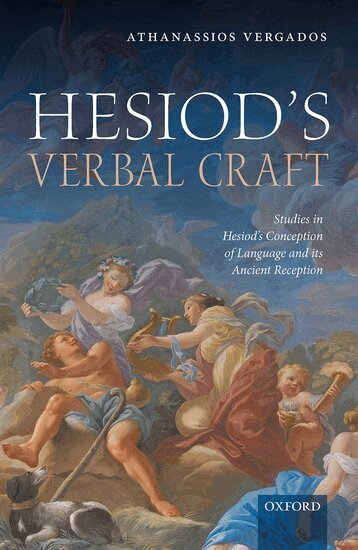
Hesiod's Verbal Craft
Studies in Hesiod's Conception of Language and its Ancient Reception
E-bok, 2020
1729 kr
Lägg i varukorg
This novel, ground-breaking study aims to define Hesiod''s place in early Greek intellectual history by exploring his conception of language and the ways in which it represents reality. Divided into three parts, it addresses a network of issues related to etymology, word-play, and semantics, and …
Hesiod's Verbal Craft
Studies in Hesiod's Conception of Language and its Ancient Reception
E-bok, 2020
1729 kr
Lägg i varukorg
This novel, ground-breaking study aims to define Hesiod''s place in early Greek intellectual history by exploring his conception of language and the ways in which it represents reality. Divided into three parts, it addresses a network of issues related to etymology, word-play, and semantics, and …
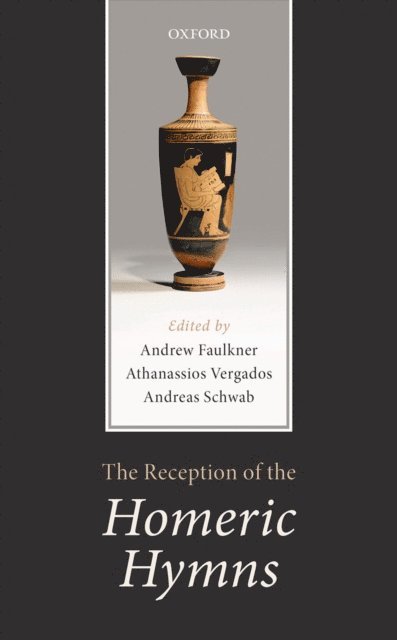
The Reception of the Homeric Hymns
Av Andrew Faulkner, Athanassios Vergados m. fl.
Inbunden, 2016
1812 kr
Lägg i varukorg
The Reception of the Homeric Hymns is a collection of original essays exploring the reception of the Homeric Hymns and other early hexameter poems in the literature and scholarship of the first century BC and beyond. Although much work has been done on the Hymns over the past few decades, and …
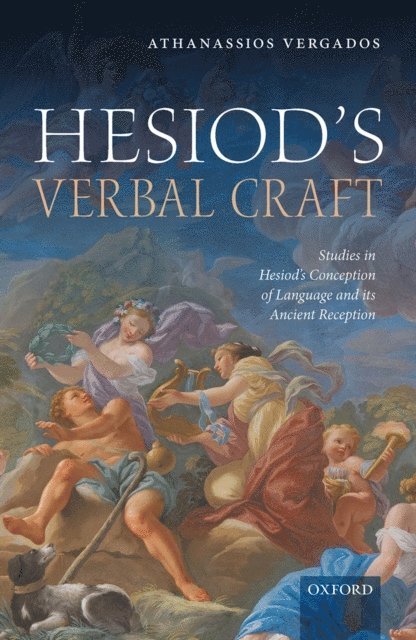
Hesiod's Verbal Craft
Studies in Hesiod's Conception of Language and its Ancient Reception
Inbunden, 2020
1935 kr
Lägg i varukorg
This novel, ground-breaking study aims to define Hesiod's place in early Greek intellectual history by exploring his conception of language and the ways in which it represents reality. Divided into three parts, it addresses a network of issues related to etymology, word-play, and semantics, and …
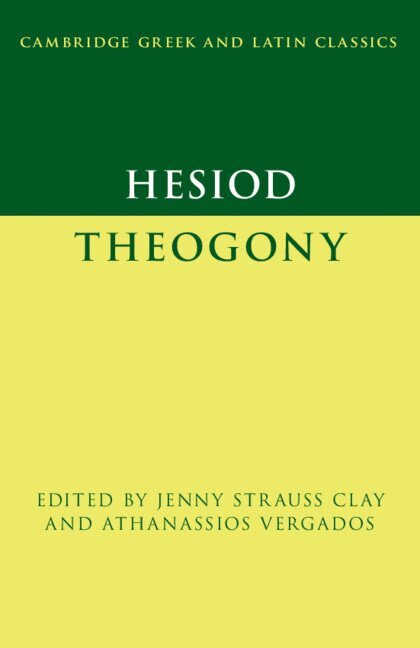
Hesiod: Theogony
Av Jenny Strauss Clay, Athanassios Vergados
Inbunden, 2025
1667 kr
Lägg i varukorg
Hesiod was and is regarded as one of the founding figures of Greek literature and culture, alongside Homer, and his Theogony is the first extant attempt to give an account of the whole, of the gods and of the cosmos, how it came to be, from what, and how it achieved its present state. Strong …
Hesiod: Theogony
Av Jenny Strauss Clay, Athanassios Vergados
Häftad, 2025
482 kr
Lägg i varukorg
Hesiod was and is regarded as one of the founding figures of Greek literature and culture, alongside Homer, and his Theogony is the first extant attempt to give an account of the whole, of the gods and of the cosmos, how it came to be, from what, and how it achieved its present state. Strong …
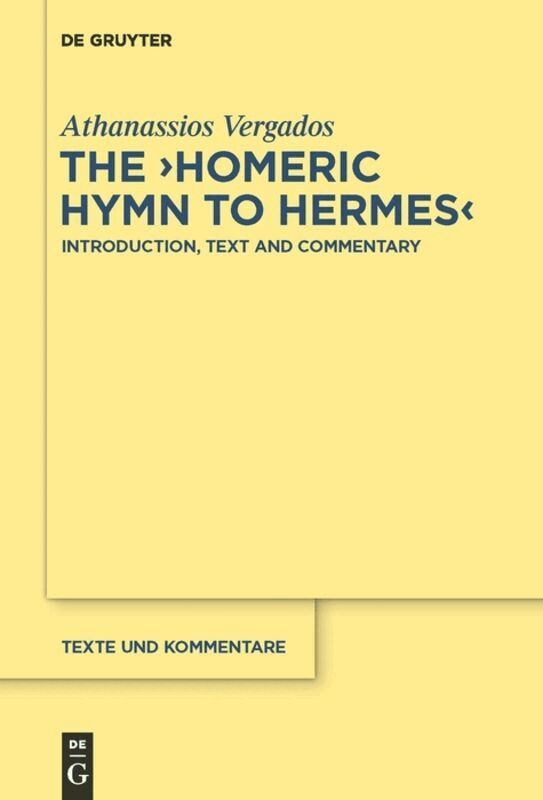
"Homeric Hymn to Hermes"
Introduction, Text and Commentary
Inbunden, 2012
2934 kr
Lägg i varukorg
The Hymn to Hermes, while surely the most amusing of the so-called Homeric Hymns, also presents an array of challenging problems. In just 580 lines, the newborn god invents the lyre and sings a hymn to himself, travels from Cyllene to Pieria to steal Apollo’s cattle, organizes a feast at the river …
"e;Homeric Hymn to Hermes"e;
Introduction, Text and Commentary
E-bok, 2012
2975 kr
Lägg i varukorg
The Hymn to Hermes, while surely the most amusing of the so-called Homeric Hymns, also presents an array of challenging problems. In just 580 lines, the newborn god invents the lyre and sings a hymn to himself, travels from Cyllene to Pieria to steal Apollo’s cattle, organizes a feast at the river …
Studies in Early Greek Theology
Av Jenny Strauss Clay, Athanassios Vergados
Inbunden, 2026
1898 kr
Lägg i varukorg
Dieser Band versammelt fünfundzwanzig Aufsätze von Jenny Strauss Clay, in denen sie untersucht, wie die archaischen Griechen das Göttliche und den Ort des Menschen in der postprometheischen Welt dachten. Zusammen mit Strauss Clays Monographien haben diese Aufsätze in den letzten Jahrzehnten unser …