
Atiyab Sultan – författare
Visar alla böcker från författaren . Handla med fri frakt och snabb leverans.
3 produkter
3 produkter
E-bok
PDF, Engelska, 20221 336 kr
Läs direkt efter köp
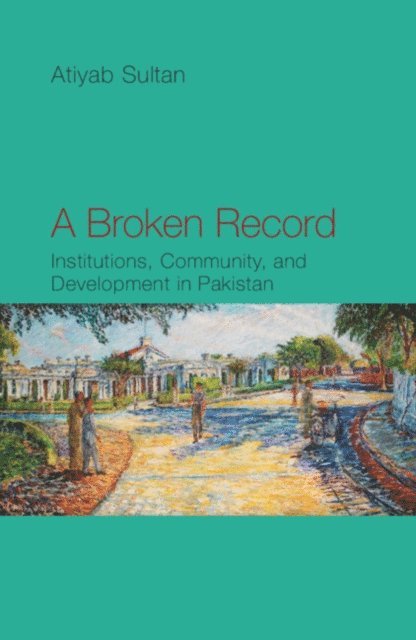
This book examines economic reform in the Punjab in the period 1900-47 in an attempt to historicise theories of institutional change and community development. It advances the economic history of the region by analysing microeconomic reform in the province. A close examination of programmes of rural reconstruction in colonial Punjab reveals stark parallels with more contemporary prescriptions of development economics. Simultaneously, a study of the trajectory of legislative change sheds light on the institutional legacies of colonial rule. It engages deeply with the theoretical scholarship on development and rural uplift that emerges in this period and develops an intellectual genealogy that links colonialism to development studies. It questions the continued valorisation of the ''community'' despite a lack of supportive evidence and argues that one reason for the continued popularity of ideas of community development and institutional malaise is that both absolve the status quo from blame.
Inbunden, Engelska, 2022
961 kr
Skickas
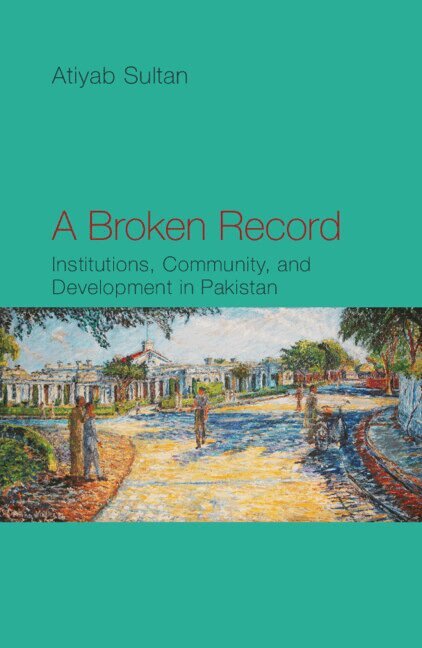
This book examines economic reform in the Punjab in the period 1900-47 in an attempt to historicise theories of institutional change and community development. It advances the economic history of the region by analysing microeconomic reform in the province. A close examination of programmes of rural reconstruction in colonial Punjab reveals stark parallels with more contemporary prescriptions of development economics. Simultaneously, a study of the trajectory of legislative change sheds light on the institutional legacies of colonial rule. It engages deeply with the theoretical scholarship on development and rural uplift that emerges in this period and develops an intellectual genealogy that links colonialism to development studies. It questions the continued valorisation of the 'community' despite a lack of supportive evidence and argues that one reason for the continued popularity of ideas of community development and institutional malaise is that both absolve the status quo from blame.
- Nyhet
Inbunden, Engelska, 2026
361 kr
Skickas inom 3-6 vardagar
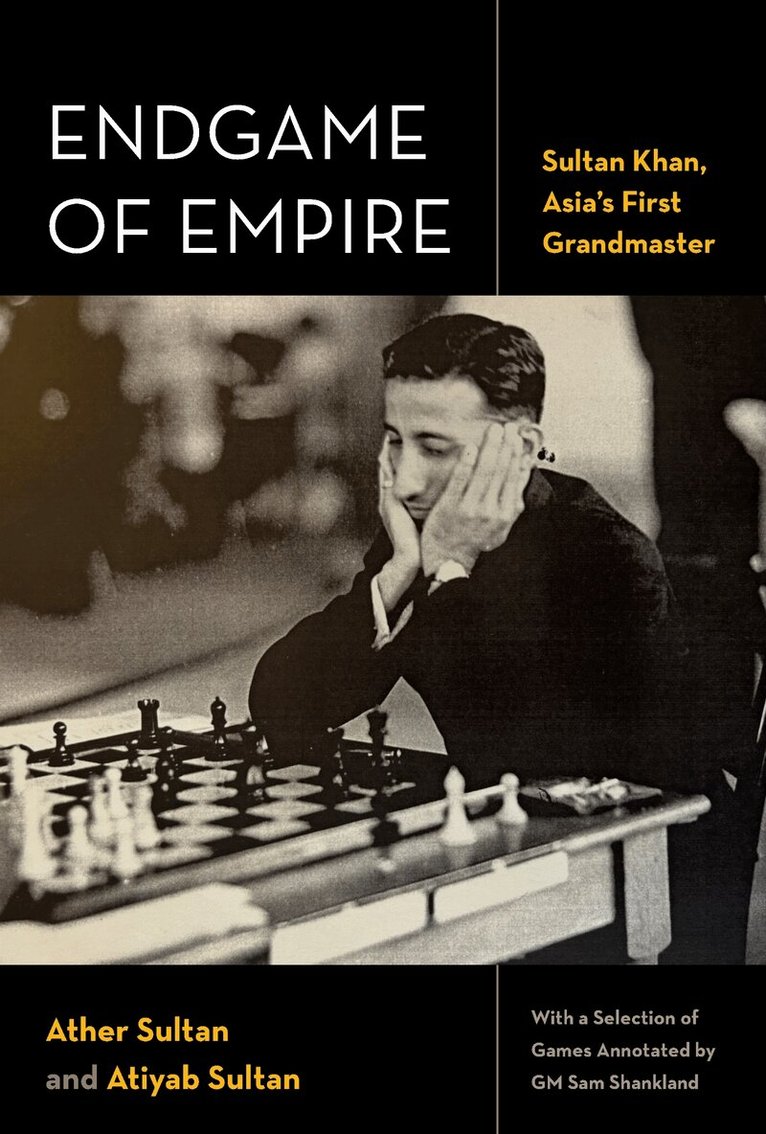
The definitive biography of a South Asian genius who conquered the international chess world on the eve of decolonizationIn the late 1920s and ’30s, the international chess scene was rocked by the success of Sultan Khan, a self-taught prodigy from colonial Punjab. In a brief international career, Khan stunned the chess elite by repeatedly defeating the world’s best players and winning the British Chess Championship three times. Despite his dazzling creativity and peerless endgame technique, Khan’s legacy has long been marginalized or inaccurately portrayed. Written by Khan’s son and granddaughter, Endgame of Empire offers a comprehensive biography of this trailblazing genius who became the first Asian and first person of color to rise to the top of international chess.From its origins in South Asia, chess had developed into an emblem of European culture. With Khan’s arrival to reclaim the game, it became a catalyst for the many ways in which individuals, ideologies, and empires clashed in the interwar period. Endgame of Empire offers a vivid portrait of Khan as he navigated challenges on and off the chessboard. His rise was meteoric, but also fraught with prejudice and ultimately cut short by the political realities of his time. Set in the broader context of race, empire, and decolonization, the book celebrates Khan’s genius as a strategist while also uncovering the difficult circumstances under which he conquered international chess. It also provides the first extended accounts of Khan’s life in colonial India before his chess career and his life after professional chess in the Pakistan whose arrival he had long desired.In an appendix, former US Chess Champion Sam Shankland walks the reader through six of Khan’s finest victories. This instructive commentary provides both an account of Khan’s style and a lesson for beginning and experienced chess players alike in the strategic ideas at which Khan was ahead of his time.At a moment of emergent nationalism in South Asia, Khan’s unassuming brilliance on the chessboard came to represent something greater: a graceful assertion of equality and a prelude to independence. Blending intimate family recollections, archival discoveries, and sharp historical analysis, Endgame of Empire reclaims a legacy long overshadowed by race, empire, and myth and offers a playbook in holding one’s own through adversity.