Audrey Horning – författare
Visar alla böcker från författaren Audrey Horning. Handla med fri frakt och snabb leverans.
6 produkter
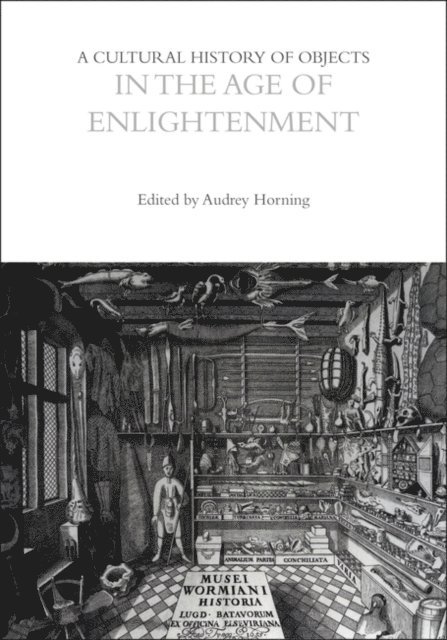
Cultural History of Objects in the Age of Enlightenment
E-bok, 2022
434 kr
Lägg i varukorg
A Cultural History of Objects in the Age of Enlightenment covers the period 1600 to 1760, a time marked by the movement of people, ideas and goods. The objects explored in this volume –from scientific instrumentation and Baroque paintings to slave ships and shackles –encapsulate the contradictory …
Cultural History of Objects in the Age of Enlightenment
E-bok, 2022
434 kr
Lägg i varukorg
A Cultural History of Objects in the Age of Enlightenment covers the period 1600 to 1760, a time marked by the movement of people, ideas and goods. The objects explored in this volume –from scientific instrumentation and Baroque paintings to slave ships and shackles –encapsulate the contradictory …
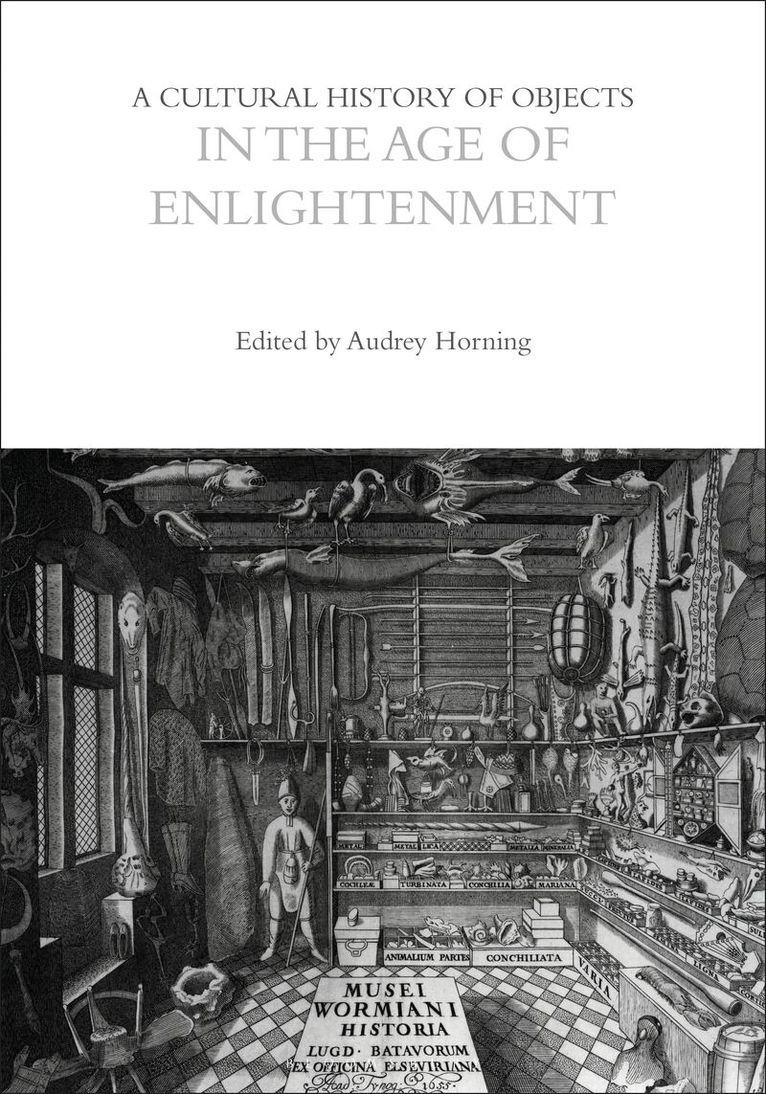
Cultural History of Objects in the Age of Enlightenment
Häftad, 2024
385 kr
Lägg i varukorg
A Cultural History of Objects in the Age of Enlightenment covers the period 1600 to 1760, a time marked by the movement of people, ideas and goods. The objects explored in this volume –from scientific instrumentation and Baroque paintings to slave ships and shackles –encapsulate the contradictory …
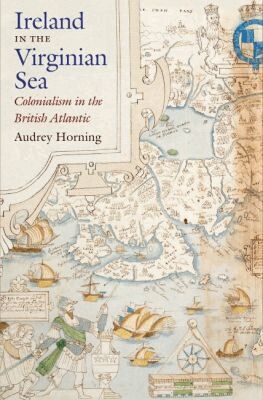
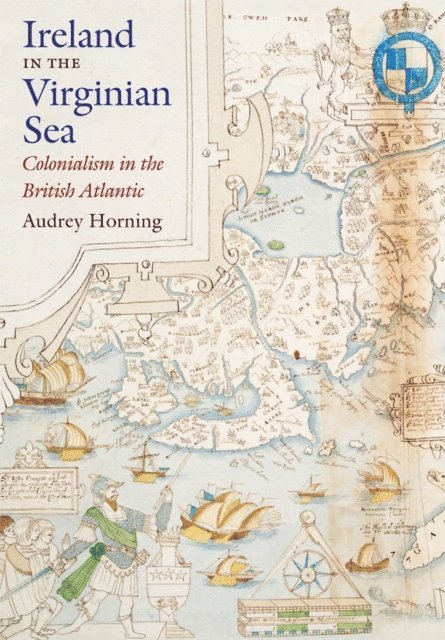
Ireland in the Virginian Sea
Colonialism in the British Atlantic
Häftad, 2017
460 kr
Lägg i varukorg
In the late sixteenth century, the English started expanding westward, establishing control over parts of neighboring Ireland as well as exploring and later colonizing distant North America. Audrey Horning deftly examines the relationship between British colonization efforts in both locales, …
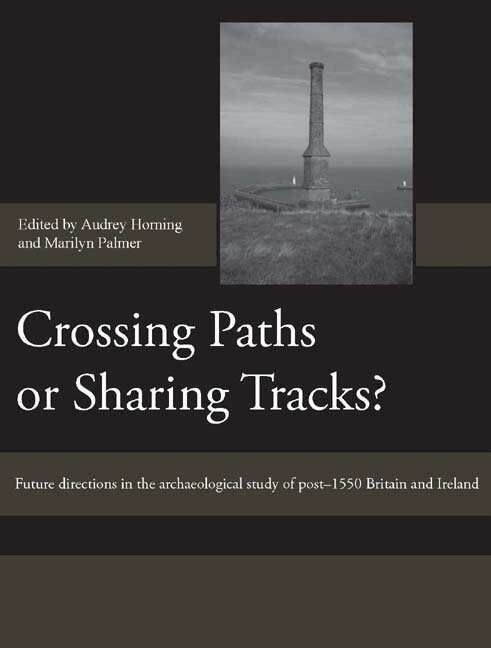
Crossing Paths or Sharing Tracks?
Future directions in the archaeological study of post-1550 Britain and Ireland
Av Audrey Horning, Marilyn Palmer
Inbunden, 2009
883 kr
Lägg i varukorg
Brings together over thirty of the leading scholars in Post Medieval archaeology and examines how this relatively new discipline has developed and where it is going.The impetus for this volume lies in the expansion of interest in Post Medieval archaeology in university, commercial, and voluntary …
Ireland in the Virginian Sea
Colonialism in the British Atlantic
E-bok, 2013
286 kr
Lägg i varukorg
In the late sixteenth century, the English started expanding westward, establishing control over parts of neighboring Ireland as well as exploring and later colonizing distant North America. Audrey Horning deftly examines the relationship between British colonization efforts in both locales, …