
Aurora Morcillo - Böcker
Visar alla böcker från författaren Aurora Morcillo. Handla med fri frakt och snabb leverans.
3 produkter
3 produkter
515 kr
Skickas inom 10-15 vardagar
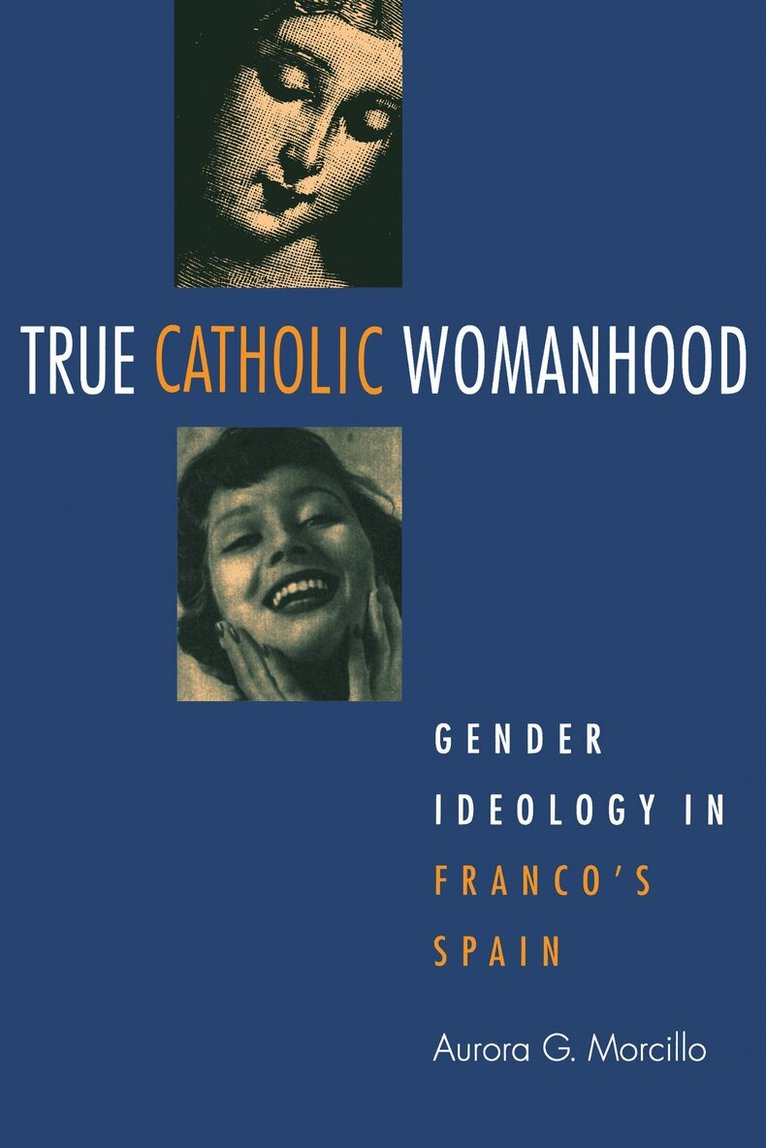
Women faced conflicting demands under Francisco Franco's program of National Catholicism, finding themselves at the center of the regime's efforts to preserve tradition while promoting modernization. Even as state-sponsored economic development created a modern consumer society, church-influenced laws and institutions dictated female domesticity and upheld feminine ideals of asexuality, self-denial, and limited educational development.Imaginatively using diverse sources—including interviews, magazine advertisements, and university archives—Morcillo addresses the tension between expectations for the traditional woman, whose primary value to the state was reproductive, and those for the modern consumer-housewife ideal that emerged in the 1950s and 1960s. She pays particular attention to women's experiences in higher education and in the "Women's Section" of the Falange. Her highly textured history of major women's organizations from the 1940s through the 1960s demonstrates that women successfully negotiated these contradictory demands while creating a vibrant and meaningful public space for social activism. At the same time, their spiritual devotion protected Spanish women from state retribution in their search for "true Catholic womanhood."True Catholic Womanhood adds new insights into the gender dynamics of authoritarian states, providing a unique window through which to view the process of modernization and the transition toward democracy. It is essential reading for everyone interested in modern Spain, Catholicism, European women's history, and authoritarian social politics.
248 kr
Skickas inom 10-15 vardagar
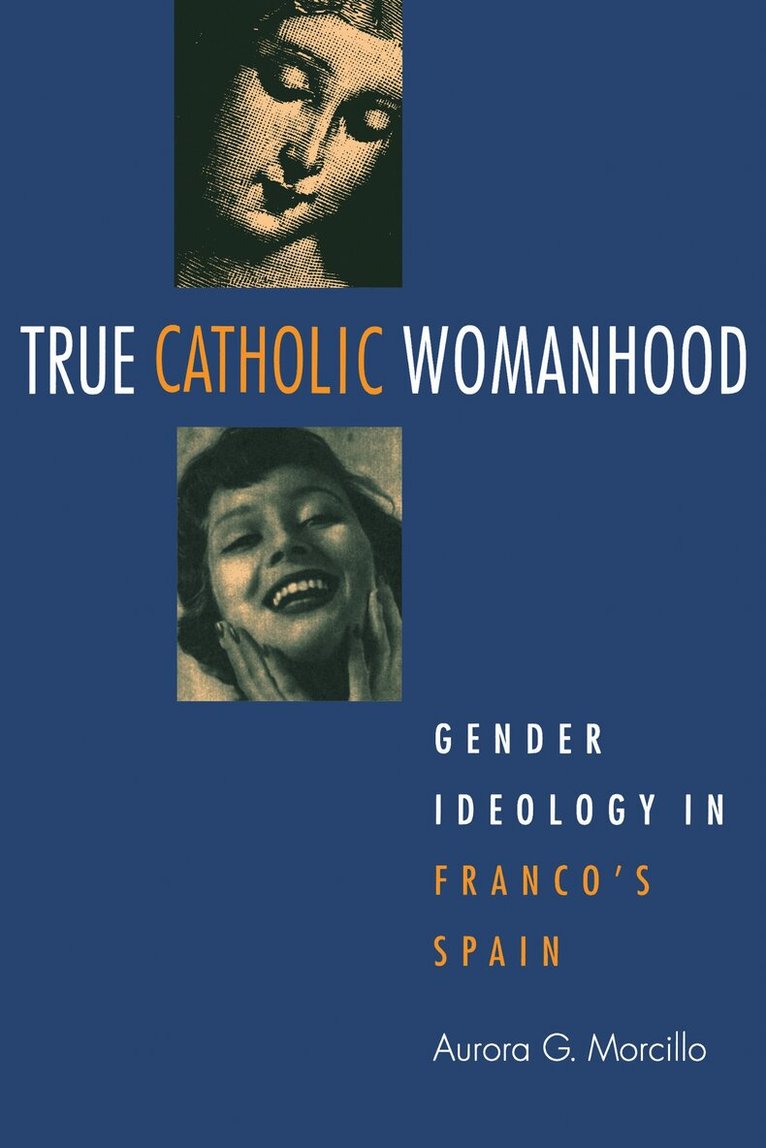
Women faced conflicting demands under Francisco Franco's program of National Catholicism, finding themselves at the center of the regime's efforts to preserve tradition while promoting modernization. Even as state-sponsored economic development created a modern consumer society, church-influenced laws and institutions dictated female domesticity and upheld feminine ideals of asexuality, self-denial, and limited educational development.Imaginatively using diverse sources—including interviews, magazine advertisements, and university archives—Morcillo addresses the tension between expectations for the traditional woman, whose primary value to the state was reproductive, and those for the modern consumer-housewife ideal that emerged in the 1950s and 1960s. She pays particular attention to women's experiences in higher education and in the "Women's Section" of the Falange. Her highly textured history of major women's organizations from the 1940s through the 1960s demonstrates that women successfully negotiated these contradictory demands while creating a vibrant and meaningful public space for social activism. At the same time, their spiritual devotion protected Spanish women from state retribution in their search for "true Catholic womanhood."True Catholic Womanhood adds new insights into the gender dynamics of authoritarian states, providing a unique window through which to view the process of modernization and the transition toward democracy. It is essential reading for everyone interested in modern Spain, Catholicism, European women's history, and authoritarian social politics.
Del 93 - History of Warfare
Memory and Cultural History of the Spanish Civil War
Realms of Oblivion
Inbunden, Engelska, 2013
3 971 kr
Skickas inom 5-8 vardagar
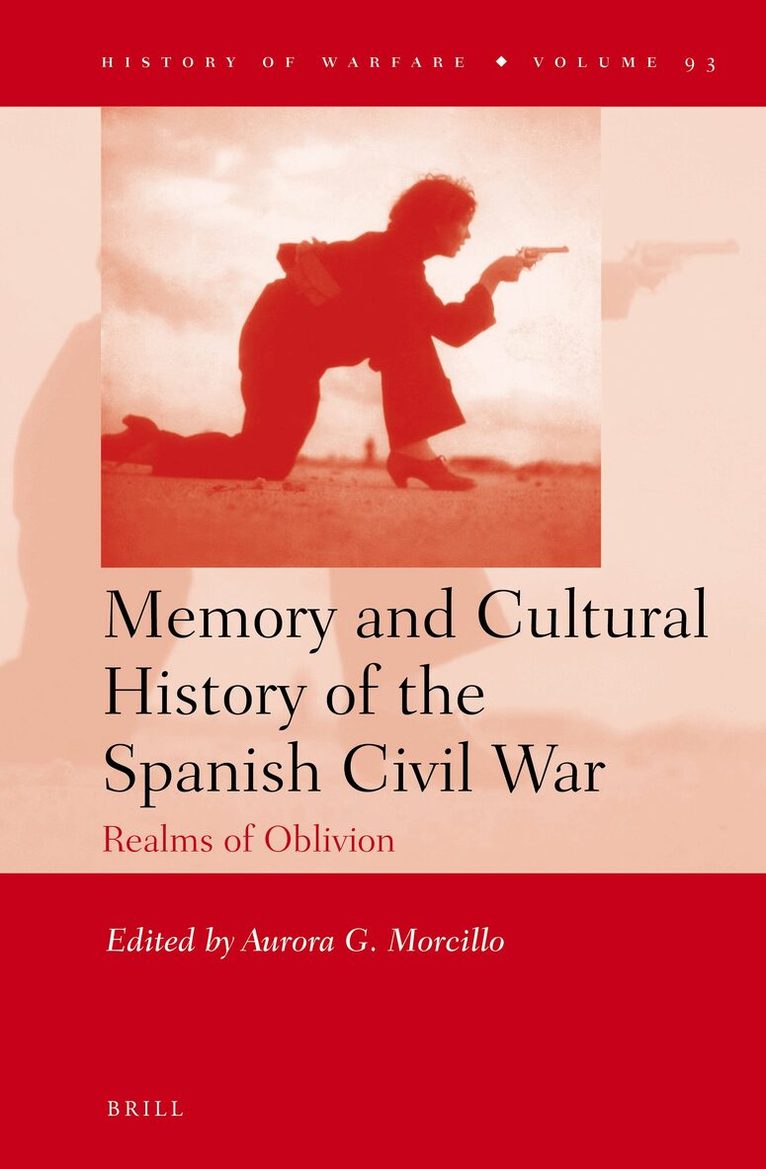
The authors in this anthology explore how we are to rethink political and social narratives of the Spanish Civil War at the turn of the twenty-first century. The questions addressed here are based on a solid intellectual conviction of all the contributors to resist facile arguments both on the Right and the Left, concerning the historical and collective memory of the Spanish Civil War and the dictatorship in the milieu of post-transition to democracy. Central to a true democratic historical narrative is the commitment to listening to the other experiences and the willingness to rethink our present(s) in light of our past(s). The volume is divided in six parts: I. Institutional Realms of Memory; II. Past Imperfect: Gender Archetypes in Retrospect; III. The Many Languages of Domesticity; IV. Realms of Oblivion: Hunger, Repression, and Violence; V. Strangers to Ourselves: Autobiographical Testimonies; and VI. The Orient Within: Myths of Hispano-Arabic Identity.Contributors are Antonio Cazorla-Sánchez, Álex Bueno, Fernando Martínez López, Miguel Gómez Oliver, Mary Ann Dellinger, Geoffrey Jensen, Paula A. de la Cruz-Fernández, María del Mar Logroño Narbona, M. Cinta Ramblado Minero, Deirdre Finnerty, Victoria L. Enders, Pilar Domínguez Prats, Sofia Rodríguez López, Óscar Rodríguez Barreira, Nerea Aresti, and Miren Llona.Listed by Choice magazine as one of the Outstanding Academic Titles of 2014