
Australian National University) Jalland, Pat (Professor of History in the Research School of Social Sciences, Professor of History in the Research School of Social Sciences – författare
Visar alla böcker från författaren Australian National University) Jalland, Pat (Professor of History in the Research School of Social Sciences, Professor of History in the Research School of Social Sciences. Handla med fri frakt och snabb leverans.
2 produkter
2 produkter
832 kr
Skickas inom 7-10 vardagar
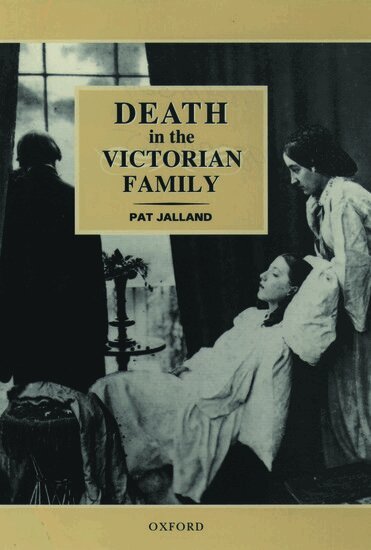
This engrossing book explores family experiences of dying, death, grieving, and mourning between 1830 and 1920. Victorian letters and diaries reveal a deep preoccupation with death because of a shorter life expectancy, a high death rate for infants and children, and a dominant Christian culture. Using the private correspondence, diaries, and death memorials of fifty-five middle and upper-class British families, Pat Jalland shows us how dying, death, and grieving were experienced by Victorian families and how the manner and rituals of death and mourning varied with age, gender, disease, religious belief, family size and class. She examines deathbed scenes, good and bad deaths, funerals and cremations, widowhood, and the roles of religion and medicine.Chapters on the deaths of children and old people demonstrate the importance of the stages of the life-cycle, as well as the failure of many actual deathbeds to achieve the Christian ideal of the good death. The consolations of Christian faith and private memory, and the transformation in the ideas and beliefs about heaven, hell, and immortality are analysed. The rise and decline of Evangelicalism, the influence of unbelief and secularism, falling mortality, and the trauma of the Great War are all key motors of change in this period.This fascinating study of death and bereavement in the past helps us to understand the present, especially in the context of the modern tendency to avoid the subject of dying, and to minimize the public expression of grief. In their practical and compassionate treatment of death, the Victorians have much to teach us today.
1 007 kr
Skickas inom 7-10 vardagar
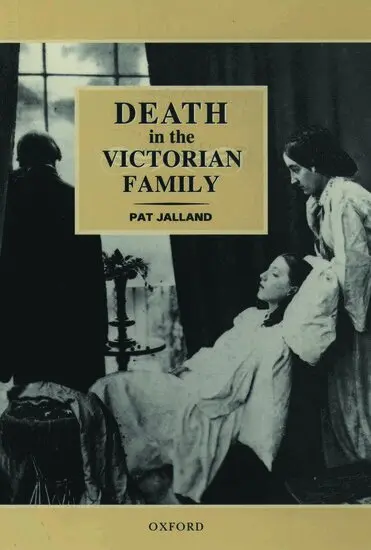
This enthralling book explores the experience of dying, death, grieving, and mourning in the years between 1830-1920. Victorian letters and diaries reveal a deep preoccupation with death because of a shorter life expectancy, a high death rate for infants and children, and a dominant Christian culture. Drawing upon the private correspondence, diaries and death memorial of fifty-five middle and upper class families, Pat Jalland shows us how dying, death and grieving were experience by Victorian families, and how the manner and rituals of death and mourning varied with age, gender, disease, religious belief, family size and class. She examines deathbed scenes, good and bad deaths, funerals and cremations, mourning rituals, widowhood, and the roles of religion and medicine.