Pat Jalland - Böcker
Visar alla böcker från författaren Pat Jalland. Handla med fri frakt och snabb leverans.
7 produkter
7 produkter
837 kr
Skickas inom 7-10 vardagar
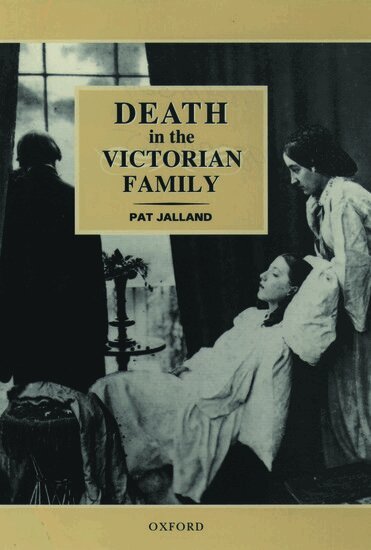
This engrossing book explores family experiences of dying, death, grieving, and mourning between 1830 and 1920. Victorian letters and diaries reveal a deep preoccupation with death because of a shorter life expectancy, a high death rate for infants and children, and a dominant Christian culture. Using the private correspondence, diaries, and death memorials of fifty-five middle and upper-class British families, Pat Jalland shows us how dying, death, and grieving were experienced by Victorian families and how the manner and rituals of death and mourning varied with age, gender, disease, religious belief, family size and class. She examines deathbed scenes, good and bad deaths, funerals and cremations, widowhood, and the roles of religion and medicine.Chapters on the deaths of children and old people demonstrate the importance of the stages of the life-cycle, as well as the failure of many actual deathbeds to achieve the Christian ideal of the good death. The consolations of Christian faith and private memory, and the transformation in the ideas and beliefs about heaven, hell, and immortality are analysed. The rise and decline of Evangelicalism, the influence of unbelief and secularism, falling mortality, and the trauma of the Great War are all key motors of change in this period.This fascinating study of death and bereavement in the past helps us to understand the present, especially in the context of the modern tendency to avoid the subject of dying, and to minimize the public expression of grief. In their practical and compassionate treatment of death, the Victorians have much to teach us today.
1 012 kr
Skickas inom 7-10 vardagar
This enthralling book explores the experience of dying, death, grieving, and mourning in the years between 1830-1920. Victorian letters and diaries reveal a deep preoccupation with death because of a shorter life expectancy, a high death rate for infants and children, and a dominant Christian culture. Drawing upon the private correspondence, diaries and death memorial of fifty-five middle and upper class families, Pat Jalland shows us how dying, death and grieving were experience by Victorian families, and how the manner and rituals of death and mourning varied with age, gender, disease, religious belief, family size and class. She examines deathbed scenes, good and bad deaths, funerals and cremations, mourning rituals, widowhood, and the roles of religion and medicine.
2 438 kr
Skickas inom 5-8 vardagar
This illuminating study taps a rich source of women's correspondence and diaries to build a convincing picture of their influence in Victorian and Edwardian politics, as the wives, sisters, mothers, and daughters of men in power.
1 594 kr
Skickas inom 5-8 vardagar
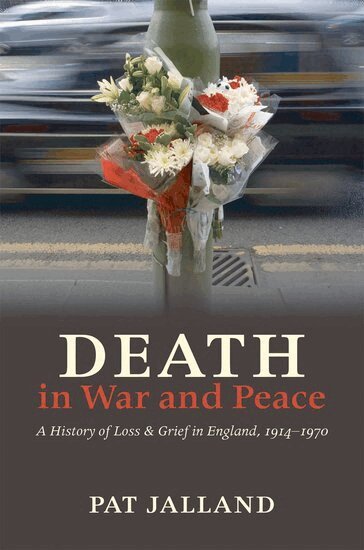
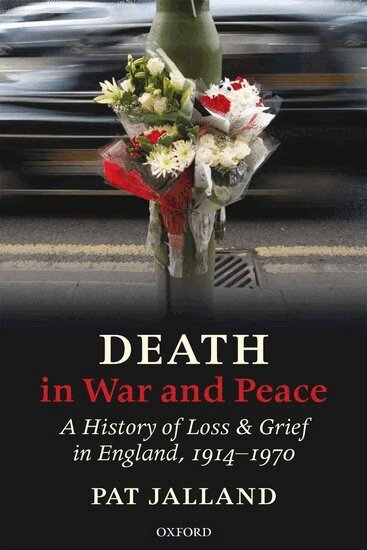
Death in War and Peace is the first detailed historical study of experience of death, grief, and mourning in England in the fifty years after 1914. In it Professor Jalland explores the complex shift from a culture where death was accepted and grief was openly expressed before 1914, to one of avoidance and silence by the 1940s and thereafter.The two world wars had a profound and cumulative impact on the prolonged process of change in attitudes to death in England. The inter-war generation grew up in a bleak atmosphere of mass mourning for the dead soldiers of the Great War, and the Second World War created an even deeper break with the past, as a pervasive model of silence about death and suppressed grieving became entrenched in the nation's psyche.Stories drawn from letters and diaries show us how death and loss were experienced by individuals and families in England from 1914; and how the attitudes, responses, and rituals of death and grieving varied with gender, religion, class, and region. The growing medicalization and hospitalization of death from the 1950s further reinforced the growing culture of silence about death, as it moved from the care of the family to that of hospitals, doctors, and undertakers.These silences about death still linger today, despite a further cultural shift since the 1970s towards greater emotional expressiveness. This fascinating study of death and bereavement helps us to understand the present as well as the past.
734 kr
Skickas inom 7-10 vardagar
Death in War and Peace is the first detailed historical study of the experience of death, grief, and mourning in England in the fifty years after 1914. In it Professor Jalland explores the complex shift from a culture where death was accepted and grief was openly expressed before 1914, to one of avoidance and silence by the 1940s and thereafter. The two world wars had a profound and cumulative impact on the prolonged process of change in attitudes to death in England. The inter-war generation grew up in a bleak atmosphere of mass mourning for the dead soldiers of the Great War, and the Second World War created an even deeper break with the past as a pervasive model of silence about death and suppressed grieving became entrenched in the nation's psyche. Stories drawn from letters and diaries show us how death and loss were experienced by individuals and families in England from 1914; and how the attitudes, responses, and rituals of death and grieving varied with gender, religion, class, and region. The growing medicalization and hospitalization of death from the 1950s further reinforced the growing culture of silence about death, as it moved from the care of the family to that of hospitals, doctors, and undertakers. These silences about death still linger today, despite a further cultural shift since the 1970s towards greater emotional expressiveness. This fascinating study of death and bereavement helps us to understand the present as well as the past.
386 kr
Skickas inom 7-10 vardagar
Body and Mind pays tribute to one of Australia's most outstanding and influential historians, F. B. (Barry) Smith. Barry has made pioneering contributions to the political, social and cultural histories of Britain and Australia, and these essays range across the fields he made his own, especially the interconnected histories of medicine (body) and ideas (mind). The editors bring together several generations of Barry's admirers, colleagues, friends and pupils, including Joanna Bourke writing on war and industrial trauma, Peter Edwards on the Agent Orange controversy, Pat Jalland on death in the London Blitz and Phillipa Mein Smith on the idea of Australasia. ""Body and Mind"" is a salute to the inestimable work, and the life and times of F. B. Smith.
375 kr
Skickas inom 7-10 vardagar
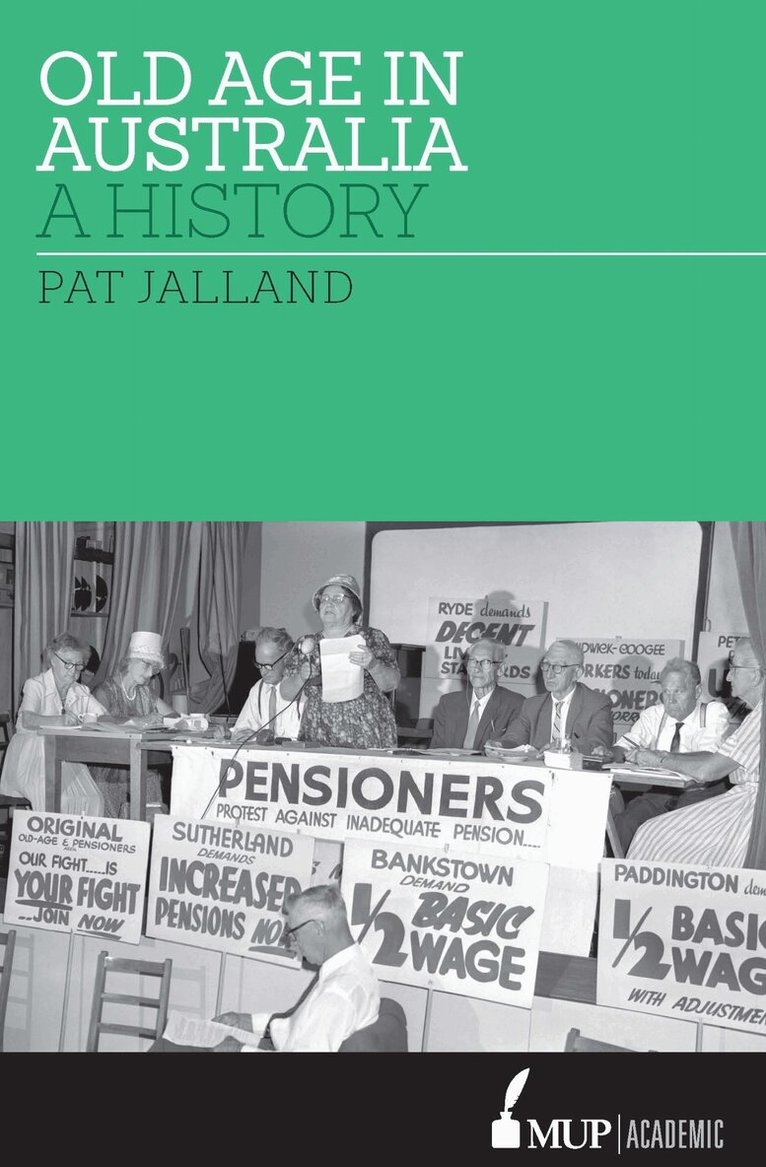
The Australian population is rapidly getting older, demanding important policy and service decisions. This groundbreaking book is the first to explore a 100-year history of older people in Australia from 1880 to 1980. Over that period the aged suffered as 'forgotten people' until 1945, when there was the promise of a new deal for the elderly. Major themes examined include family histories of aged care, poverty, social and medical policy, gender, the impact of wars and economic depression, housing, nursing homes and the retirement debates.Old Age in Australia provides essential historical context for current discussions about the implications of ageing in Australia.