Avi Santo - Böcker
Visar alla böcker från författaren Avi Santo. Handla med fri frakt och snabb leverans.
5 produkter
5 produkter
271 kr
Skickas inom 11-20 vardagar
Originating as a radio series in 1933, the Lone Ranger is a cross-media star who has appeared in comic strips, comic books, adult and juvenile novels, feature films and serials, clothing, games, toys, home furnishings, and many other consumer products. In his prime, he rivaled Mickey Mouse as one of the most successfully licensed and merchandised children’s properties in the United States, while in more recent decades, the Lone Ranger has struggled to resonate with consumers, leading to efforts to rebrand the property. The Lone Ranger’s eighty-year history as a lifestyle brand thus offers a perfect case study of how the fields of licensing, merchandizing, and brand management have operated within shifting industrial and sociohistorical conditions that continue to redefine how the business of entertainment functions.Deciphering how iconic characters gain and retain their status as cultural commodities, Selling the Silver Bullet focuses on the work done by peripheral consumer product and licensing divisions in selectively extending the characters’ reach and in cultivating investment in these characters among potential stakeholders. Tracing the Lone Ranger’s decades-long career as intellectual property allows Avi Santo to analyze the mechanisms that drive contemporary character licensing and entertainment brand management practices, while at the same time situating the licensing field’s development within particular sociohistorical and industrial contexts. He also offers a nuanced assessment of the ways that character licensing firms and consumer product divisions have responded to changing cultural and economic conditions over the past eighty years, which will alter perceptions about the creative and managerial authority these ancillary units wield.
411 kr
Skickas inom 7-10 vardagar
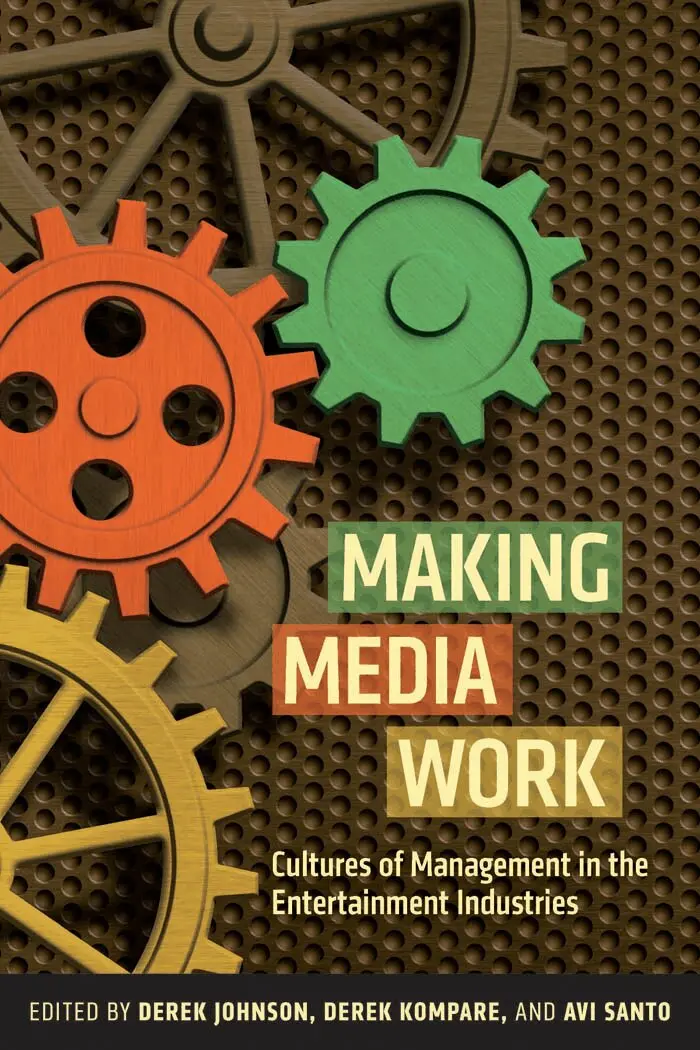
The management and labor culture of the entertainment industry. In popular culture, management in the media industry isfrequently understood as the work of network executives, studio developers, andmarket researchers—"the suits"—who oppose the more productive forces ofcreative talent and subject that labor to the inefficiencies and risk aversionof bureaucratic hierarchies. However, such portrayals belie the realityof how media management operates as a culture of shifting discourses,dispositions, and tactics that create meaning, generate value, and shape mediawork throughout each moment of production and consumption.Making Media Work aims to provide a deeper and more nuanced understanding ofmanagement within the entertainment industries. Drawing from work in criticalsociology and cultural studies, the collection theorizes management as apervasive, yet flexible set of principlesdrawn upon by a wide range ofpractitioners—artists, talent scouts, performers, directors, show runners, andmore—in their ongoing efforts to articulate relationships and bridgepotentially discordant forces within the media industries. The contributorsinterrogate managerial labor and identity, shine a light on how managementunderstands its roles within cultural and creative contexts, and reconfigurethe complex relationship between labor and managerial authority as productiverather than solely prohibitive. Engaging with primary evidence gathered throughinterviews, archives, and trade materials, the essays offer tremendous insightinto how management is understood and performed within media industry contexts.The volume as a whole traces the changing roles of management both historicallyand in the contemporary moment within US and international contexts, and acrossa range of media forms, from film and television to video games and socialmedia.
977 kr
Skickas inom 10-15 vardagar
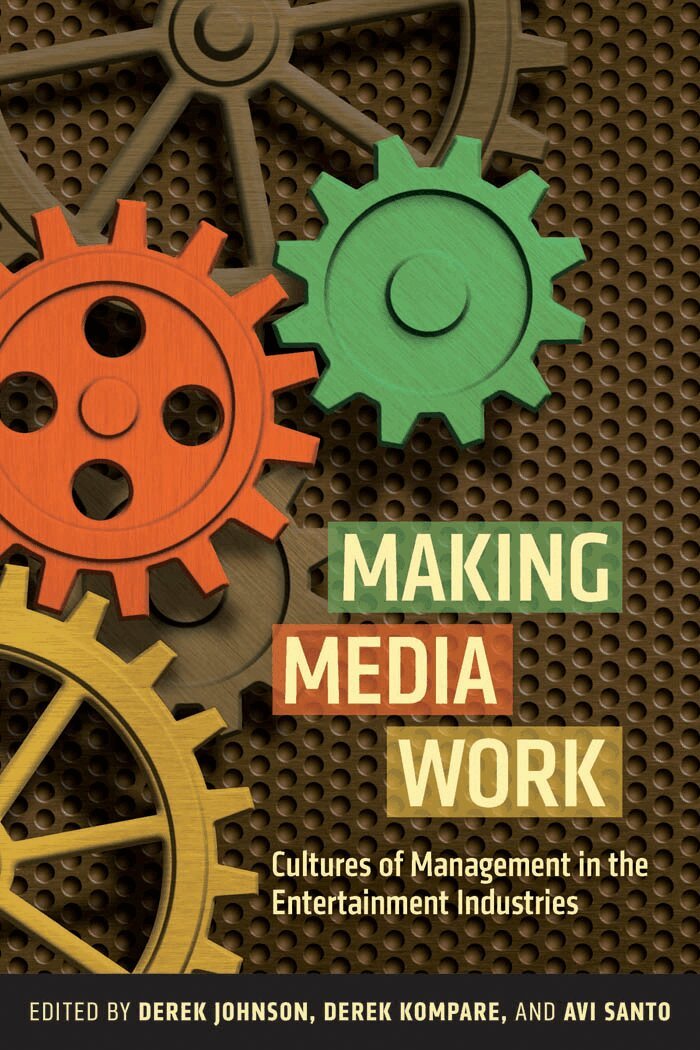
The management and labor culture of the entertainment industry. In popular culture, management in the media industry isfrequently understood as the work of network executives, studio developers, andmarket researchers—"the suits"—who oppose the more productive forces ofcreative talent and subject that labor to the inefficiencies and risk aversionof bureaucratic hierarchies. However, such portrayals belie the realityof how media management operates as a culture of shifting discourses,dispositions, and tactics that create meaning, generate value, and shape mediawork throughout each moment of production and consumption.Making Media Work aims to provide a deeper and more nuanced understanding ofmanagement within the entertainment industries. Drawing from work in criticalsociology and cultural studies, the collection theorizes management as apervasive, yet flexible set of principlesdrawn upon by a wide range ofpractitioners—artists, talent scouts, performers, directors, show runners, andmore—in their ongoing efforts to articulate relationships and bridgepotentially discordant forces within the media industries. The contributorsinterrogate managerial labor and identity, shine a light on how managementunderstands its roles within cultural and creative contexts, and reconfigurethe complex relationship between labor and managerial authority as productiverather than solely prohibitive. Engaging with primary evidence gathered throughinterviews, archives, and trade materials, the essays offer tremendous insightinto how management is understood and performed within media industry contexts.The volume as a whole traces the changing roles of management both historicallyand in the contemporary moment within US and international contexts, and acrossa range of media forms, from film and television to video games and socialmedia.
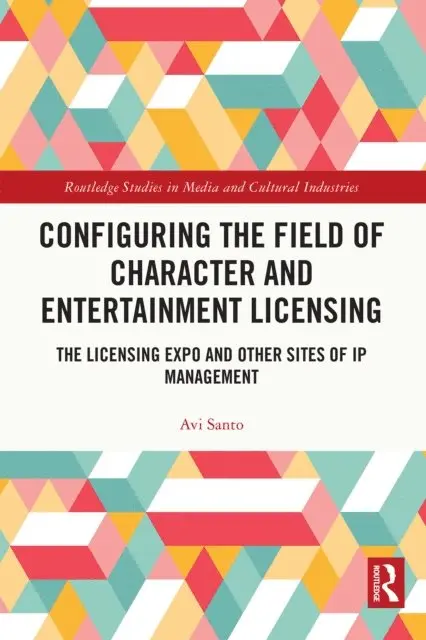
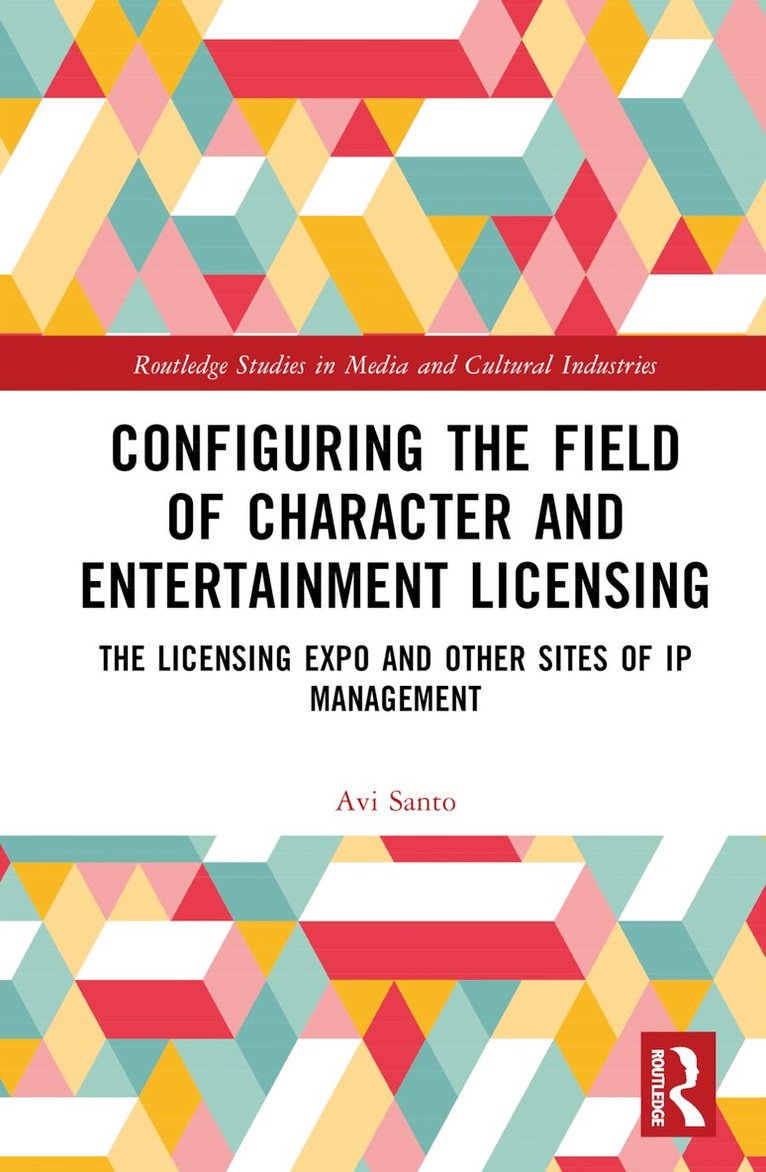
Configuring the Field of Character and Entertainment Licensing
The Licensing Expo and Other Sites of IP Management
Inbunden, Engelska, 2022
1 958 kr
Skickas inom 10-15 vardagar
This book examines the creative impact of licensing on the entertainment industry, how licensing practitioners’ occupational disposition is formed, and the role licensing professionals play in managing the circulation of intellectual property.Offering a study of the spatial logics and fantasies employed by the licensing field via its annual trade show, the Licensing Expo, this volume investigates how space and place are instrumental in both fortifying and exposing the political-economic, infrastructural, as well as ideological structures that constrain and enable participation in the licensing field. Further supplemented by participant observation and interviews with 23 industry professionals, the book explores how the licensing field understands its increasingly central role in the entertainment industry’s operations, and how it responds to changes in retail environments, digital platforms, and international markets, phenomena which have required a recalibration of the field’s occupational identity.An exploration of an understudied aspect of the entertainment industry, this book will primarily appeal to scholars within media studies, and those studying media industries, media franchises, and media work cultures. It will also be of interest to people studying consumer culture, brand culture, advertising, organizational communication, as well as fan cultures.
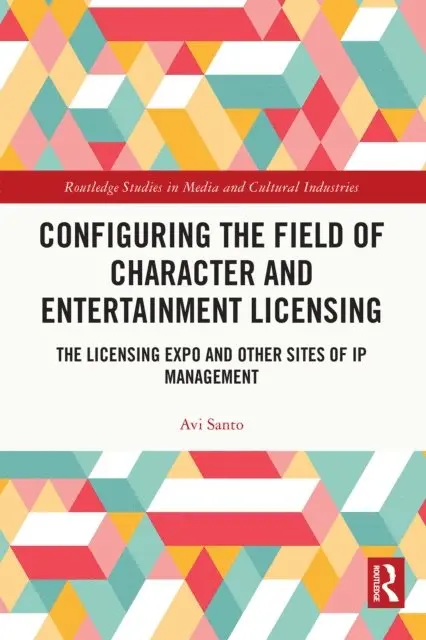
Configuring the Field of Character and Entertainment Licensing
The Licensing Expo and Other Sites of IP Management
Häftad, Engelska, 2024
562 kr
Skickas inom 10-15 vardagar
This book examines the creative impact of licensing on the entertainment industry, how licensing practitioners’ occupational disposition is formed, and the role licensing professionals play in managing the circulation of intellectual property.Offering a study of the spatial logics and fantasies employed by the licensing field via its annual trade show, the Licensing Expo, this volume investigates how space and place are instrumental in both fortifying and exposing the political-economic, infrastructural, as well as ideological structures that constrain and enable participation in the licensing field. Further supplemented by participant observation and interviews with 23 industry professionals, the book explores how the licensing field understands its increasingly central role in the entertainment industry’s operations, and how it responds to changes in retail environments, digital platforms, and international markets, phenomena which have required a recalibration of the field’s occupational identity.An exploration of an understudied aspect of the entertainment industry, this book will primarily appeal to scholars within media studies, and those studying media industries, media franchises, and media work cultures. It will also be of interest to people studying consumer culture, brand culture, advertising, organizational communication, as well as fan cultures.