Avraham Faust – författare
Visar alla böcker från författaren Avraham Faust. Handla med fri frakt och snabb leverans.
15 produkter
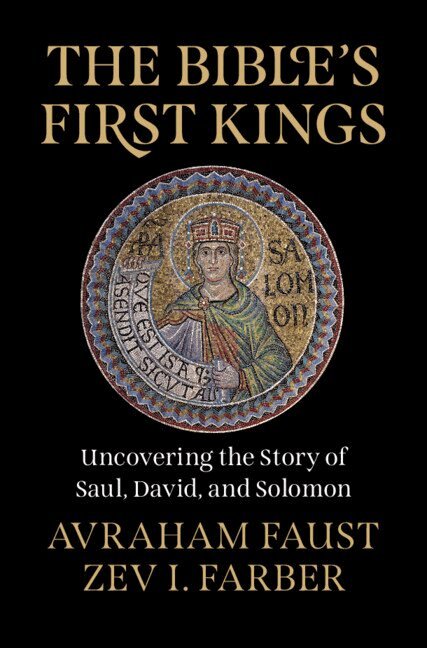
The Bible's First Kings
Uncovering the Story of Saul, David, and Solomon
Av Avraham Faust, Zev I. Farber
Inbunden, 2025
542 kr
Lägg i varukorg
Saul, David, and Solomon are dominant figures in the Hebrew Bible, rulers of an expanding Israelite polity before it dissolved into two separate kingdoms. Saul's paranoid jealousy, David's killing the Philistine champion Goliath with a slingshot, and Solomon's meeting the Queen of Sheba are …
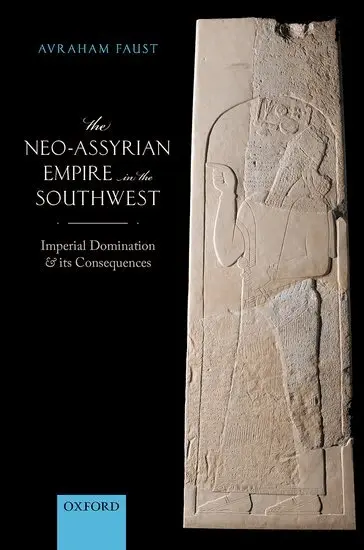
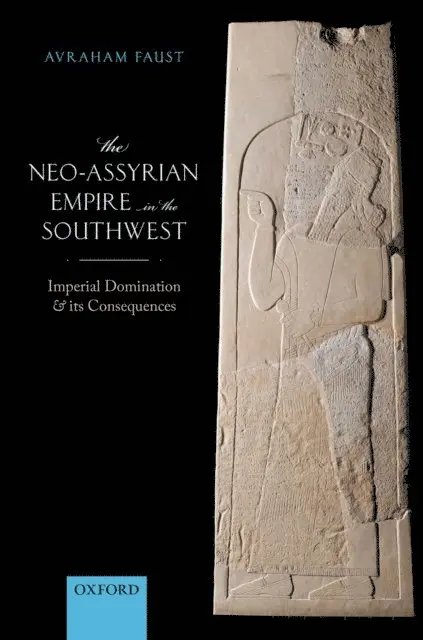
The Neo-Assyrian Empire in the Southwest
Imperial Domination and its Consequences
Inbunden, 2021
1880 kr
Lägg i varukorg
The Neo-Assyrian empire -- the first large empire of the ancient world -- has attracted a great deal of public attention ever since the spectacular discoveries of its impressive remains in the 19th century. The southwestern part of this empire, located in the lands of the Bible, is archaeologically …
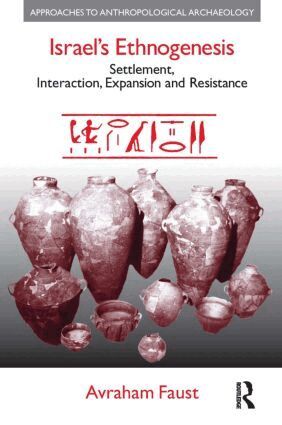
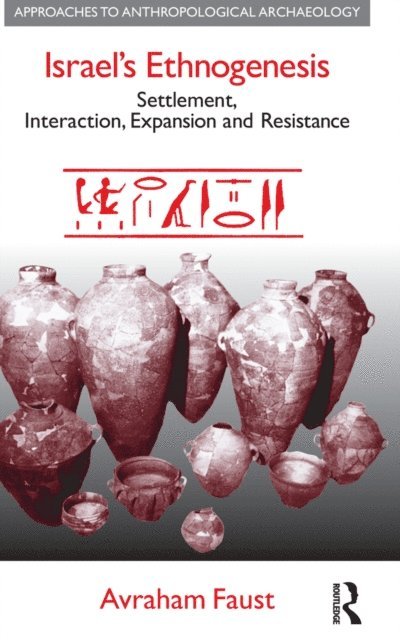
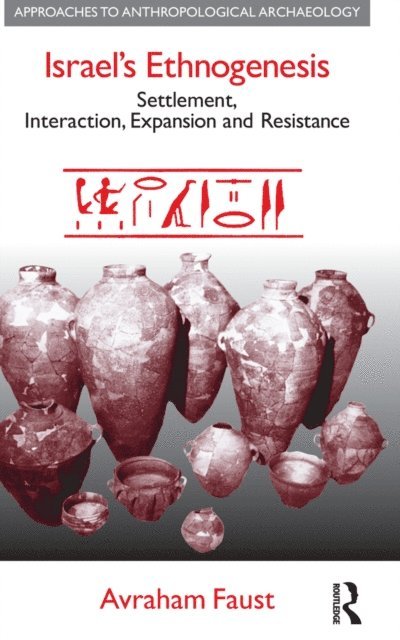
Israel's Ethnogenesis
Settlement, Interaction, Expansion and Resistance
Inbunden, 2006
2190 kr
Lägg i varukorg
Winner (for best semi-popular book) of the 2008 Irene Levi-Sala Prize for publications on the archaeology of Israel. The emergence of Israel in Canaan is a central topic in biblical/Syro-Palestinian archaeology. However, the archaeology of ancient Israel has rarely been subject to in-depth …
Israel's Ethnogenesis
Settlement, Interaction, Expansion and Resistance
Häftad, 2008
665 kr
Lägg i varukorg
Winner (for best semi-popular book) of the 2008 Irene Levi-Sala Prize for publications on the archaeology of Israel. The emergence of Israel in Canaan is a central topic in biblical/Syro-Palestinian archaeology. However, the archaeology of ancient Israel has rarely been subject to in-depth …
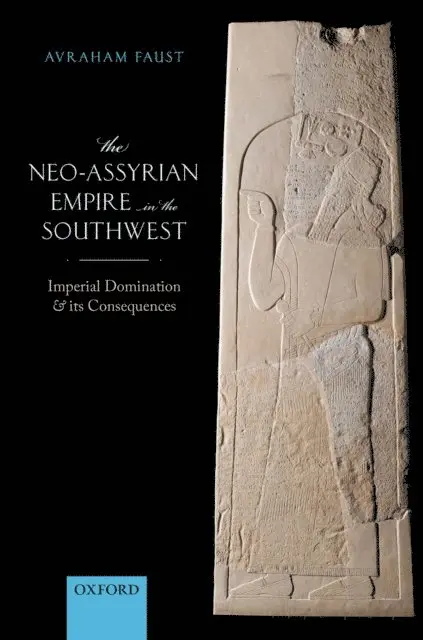
Neo-Assyrian Empire in the Southwest
Imperial Domination and its Consequences
E-bok, 2021
1680 kr
Lägg i varukorg
The Neo-Assyrian empire -- the first large empire of the ancient world -- has attracted a great deal of public attention ever since the spectacular discoveries of its impressive remains in the 19th century. The southwestern part of this empire, located in the lands of the Bible, is archaeologically …
Neo-Assyrian Empire in the Southwest
Imperial Domination and its Consequences
E-bok, 2021
1680 kr
Lägg i varukorg
The Neo-Assyrian empire -- the first large empire of the ancient world -- has attracted a great deal of public attention ever since the spectacular discoveries of its impressive remains in the 19th century. The southwestern part of this empire, located in the lands of the Bible, is archaeologically …
Bible's First Kings
Uncovering the Story of Saul, David, and Solomon
Av Zev I. Farber, Avraham Faust
E-bok, 2025
571 kr
Lägg i varukorg
Bible's First Kings
Uncovering the Story of Saul, David, and Solomon
Av Zev I. Farber, Avraham Faust
E-bok, 2025
553 kr
Lägg i varukorg
Israel's Ethnogenesis
Settlement, Interaction, Expansion and Resistance
E-bok, 2016
768 kr
Lägg i varukorg
Winner (for best semi-popular book) of the 2008 Irene Levi-Sala Prize for publications on the archaeology of Israel. The emergence of Israel in Canaan is a central topic in biblical/Syro-Palestinian archaeology. However, the archaeology of ancient Israel has rarely been subject to in-depth …
Israel's Ethnogenesis
Settlement, Interaction, Expansion and Resistance
E-bok, 2016
768 kr
Lägg i varukorg
Winner (for best semi-popular book) of the 2008 Irene Levi-Sala Prize for publications on the archaeology of Israel. The emergence of Israel in Canaan is a central topic in biblical/Syro-Palestinian archaeology. However, the archaeology of ancient Israel has rarely been subject to in-depth …
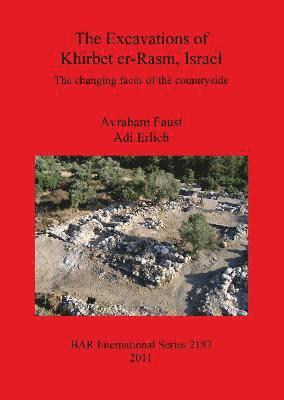
Excavations of Khirbet er-Rasm Israel
The changing faces of the countryside
Häftad, 2011
1173 kr
Lägg i varukorg
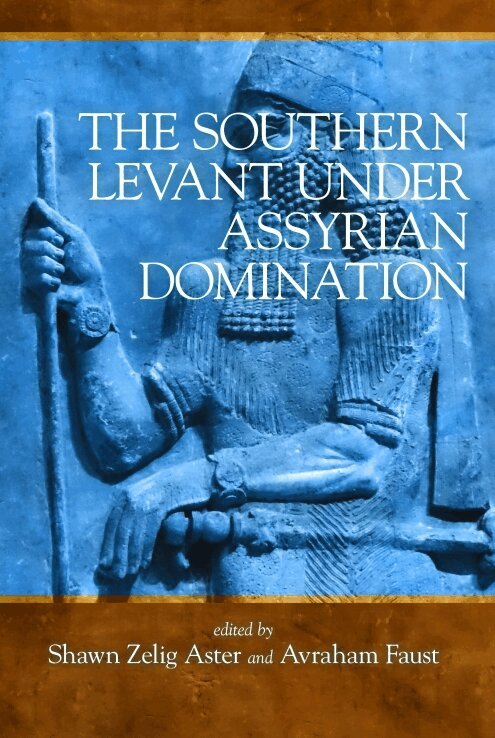
Southern Levant under Assyrian Domination
Av Shawn Zelig Aster, Avraham Faust
Inbunden, 2018
711 kr
Lägg i varukorg
With its unique geographic diversity and abundant archaeological and textual data, the southern Levant is an excellent “laboratory” for studying how Assyrian domination operated. This collection of essays explains how Neo-Assyrian rule influenced the demographics, economy, and culture of the …
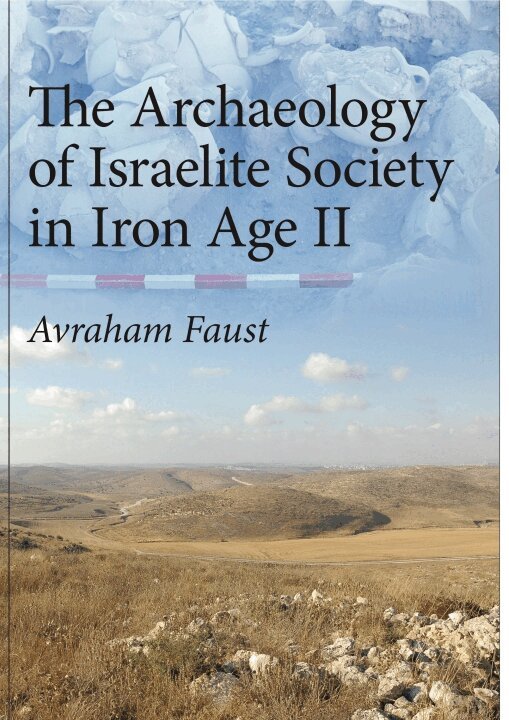
Archaeology of Israelite Society in Iron Age II
Inbunden, 2012
631 kr
Tillfälligt slut
Referring to several important introductory books written about the archaeology of the land of Israel, William Dever once stated: “However adequate these may be as introductions to the basic data, none makes any attempt to organize the data in terms of social structure. . . . This is a serious …