Aya Homei – författare
Visar alla böcker från författaren Aya Homei. Handla med fri frakt och snabb leverans.
10 produkter
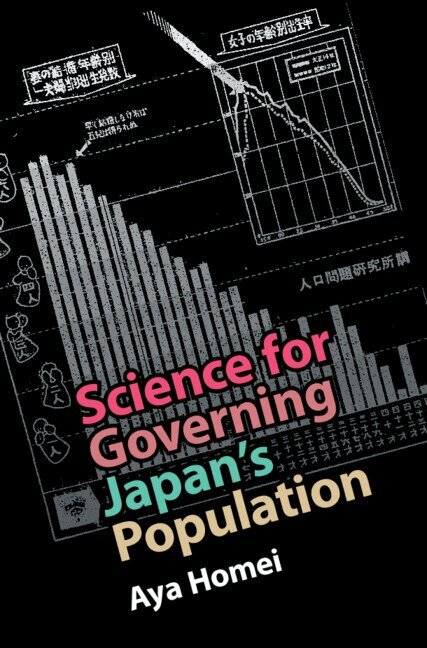
Science for Governing Japan's Population
Av Aya Homei
Inbunden, 2022
1322 kr
Lägg i varukorg
Twenty-first-century Japan is known for the world's most aged population. Faced with this challenge, Japan has been a pioneer in using science to find ways of managing a declining birth rate. Science for Governing Japan's Population considers the question of why these population phenomena have been …
Science for Governing Japan's Population
Av Aya Homei
Häftad, 2025
504 kr
Lägg i varukorg
Twenty-first-century Japan is known for the world's most aged population. Faced with this challenge, Japan has been a pioneer in using science to find ways of managing a declining birth rate. Science for Governing Japan's Population considers the question of why these population phenomena have been …
Science for Governing Japan's Population
Av Aya Homei
E-bok, 2022
489 kr
Lägg i varukorg
Twenty-first-century Japan is known for the world''s most aged population. Faced with this challenge, Japan has been a pioneer in using science to find ways of managing a declining birth rate. Science for Governing Japan''s Population considers the question of why these population phenomena have …
Science for Governing Japan's Population
Av Aya Homei
E-bok, 2022
489 kr
Lägg i varukorg
Twenty-first-century Japan is known for the world''s most aged population. Faced with this challenge, Japan has been a pioneer in using science to find ways of managing a declining birth rate. Science for Governing Japan''s Population considers the question of why these population phenomena have …
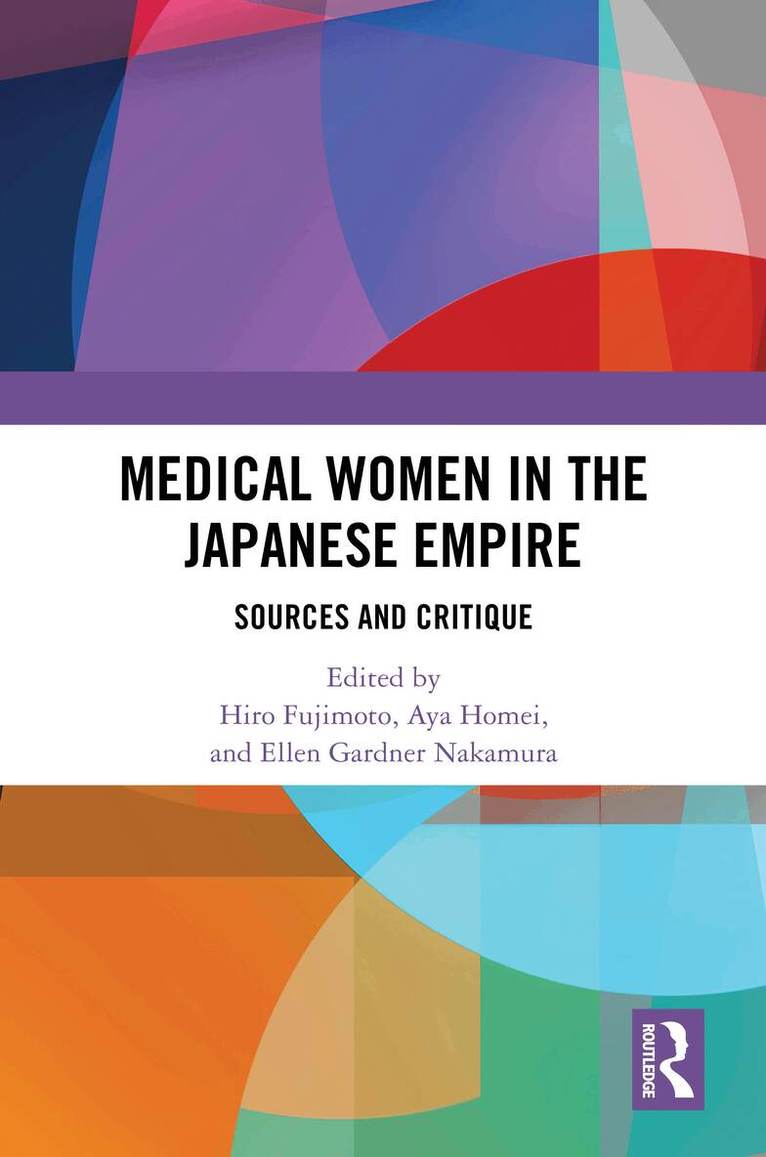
Medical Women in the Japanese Empire
Sources and Critique
Av Hiro Fujimoto, Aya Homei m. fl.
Inbunden, 2025
2578 kr
Lägg i varukorg
Fujimoto, Homei, and Nakamura bring together the perspectives of women engaging in professional medical work across the expanse of the modern Japanese Empire (1868–1945). Through translations of primary source documents in three East Asian languages, this collection provides a window into the …
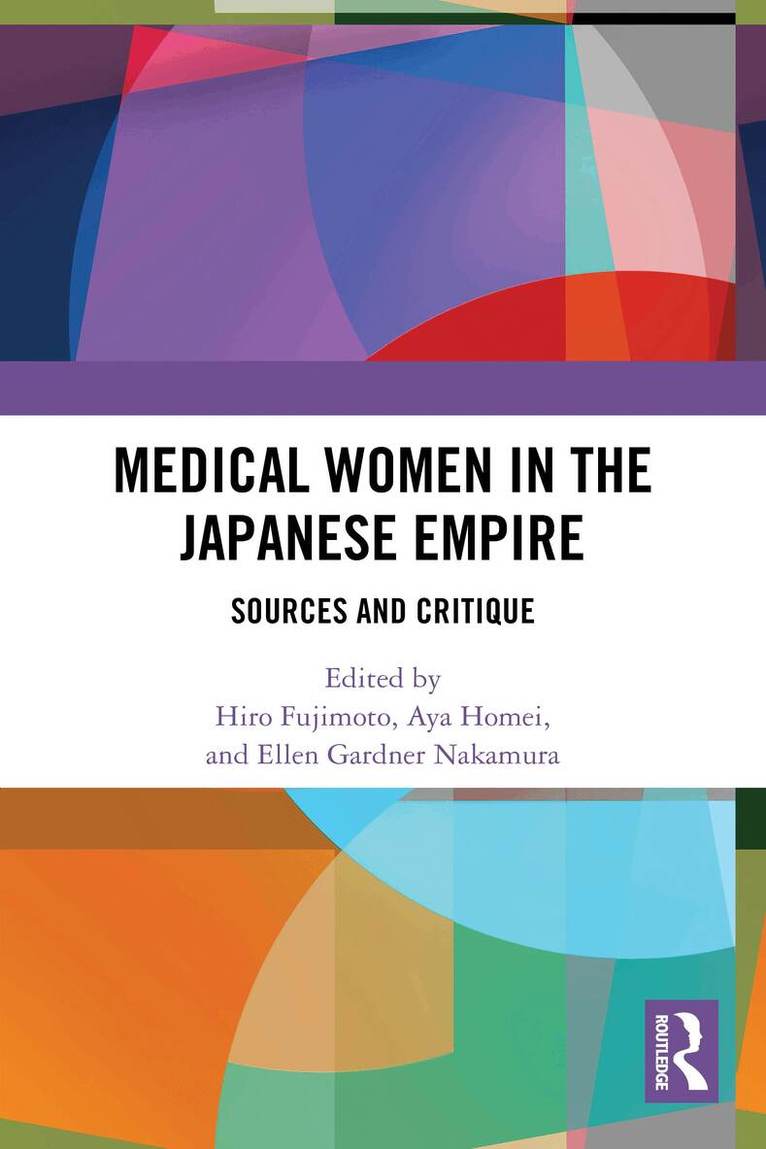
Medical Women in the Japanese Empire
Sources and Critique
Av Hiro Fujimoto, Aya Homei m. fl.
Häftad, 2026
725 kr
Lägg i varukorg
Fujimoto, Homei, and Nakamura bring together the perspectives of women engaging in professional medical work across the expanse of the modern Japanese Empire (1868–1945). Through translations of primary source documents in three East Asian languages, this collection provides a window into the …
Medical Women in the Japanese Empire
Sources and Critique
Av Ellen Gardner Nakamura, Aya Homei m. fl.
E-bok, 2025
813 kr
Lägg i varukorg
Fujimoto, Homei, and Nakamura bring together the perspectives of women engaging in professional medical work across the expanse of the modern Japanese Empire (1868–1945). Through translations of primary source documents in three East Asian languages, this collection provides a window into the …
Medical Women in the Japanese Empire
Sources and Critique
Av Ellen Gardner Nakamura, Aya Homei m. fl.
E-bok, 2025
813 kr
Lägg i varukorg
Fujimoto, Homei, and Nakamura bring together the perspectives of women engaging in professional medical work across the expanse of the modern Japanese Empire (1868–1945). Through translations of primary source documents in three East Asian languages, this collection provides a window into the …
Populating the 1980s
Revisiting a Global Decade
Av Aprajita Sarcar, Aya Homei m. fl.
Inbunden, 2027
1014 kr
Kommande
The 1980s was a critical decade in world history. With the Cold War global order at its height, the decade witnessed new modes of population governance across the political spectrum, from China’s One Child Policy to Reagan’s Global Gag Rule, alongside fast-evolving reproductive technologies. …
Populating the 1980s
Revisiting a Global Decade
Av Aprajita Sarcar, Aya Homei m. fl.
Häftad, 2027
347 kr
Kommande
The 1980s was a critical decade in world history. With the Cold War global order at its height, the decade witnessed new modes of population governance across the political spectrum, from China’s One Child Policy to Reagan’s Global Gag Rule, alongside fast-evolving reproductive technologies. …