Ayesha S. Chaudhry – författare
Visar alla böcker från författaren Ayesha S. Chaudhry. Handla med fri frakt och snabb leverans.
7 produkter
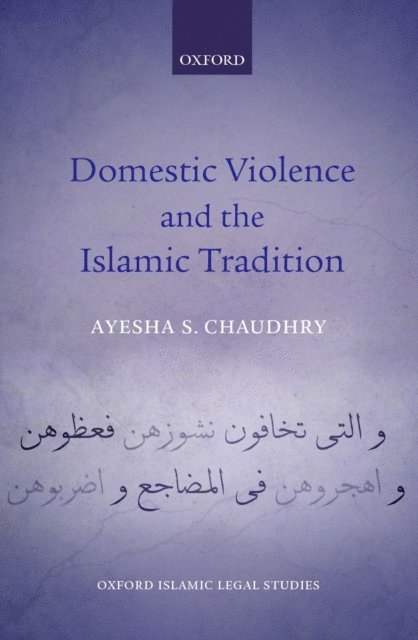
Domestic Violence and the Islamic Tradition
E-bok, 2013
495 kr
Lägg i varukorg
Modern scholars of most major religious traditions, who seek gender egalitarian interpretations of their scriptural texts, confront a common dilemma: how can they produce interpretations that are at once egalitarian and authoritative, within traditions that are deeply patriarchal? This book …
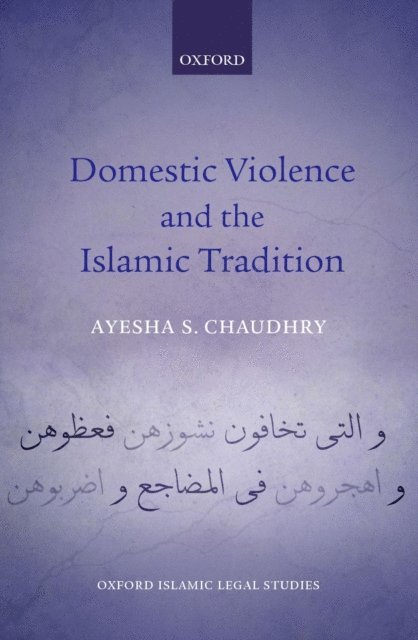
Domestic Violence and the Islamic Tradition
E-bok, 2013
495 kr
Lägg i varukorg
Modern scholars of most major religious traditions, who seek gender egalitarian interpretations of their scriptural texts, confront a common dilemma: how can they produce interpretations that are at once egalitarian and authoritative, within traditions that are deeply patriarchal? This book …
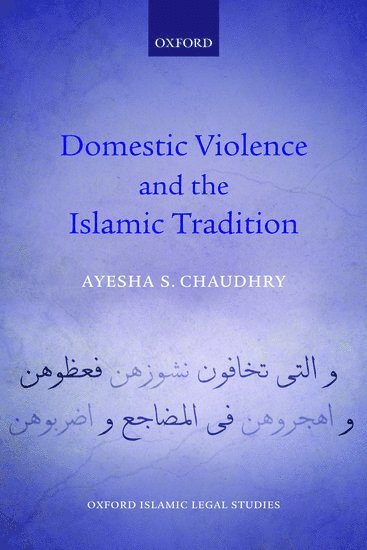
Domestic Violence and the Islamic Tradition
Häftad, 2015
563 kr
Lägg i varukorg
How do modern Muslims' attitudes to marital violence and patriarchy relate to the Islamic tradition? In recent years, discussion regarding the interpretation of the Qur'an has become highly controversial. Especially contentious is passage 4:34, which covers the legitimacy of marital violence and …
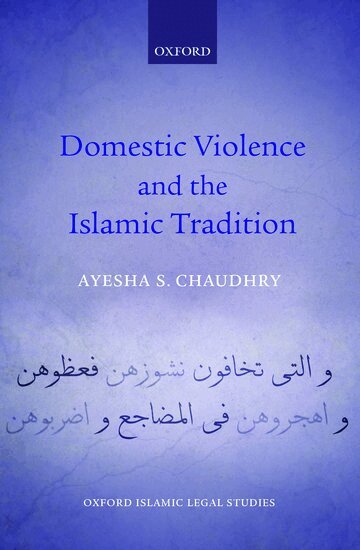
Domestic Violence and the Islamic Tradition
Inbunden, 2013
1419 kr
Lägg i varukorg
Modern scholars of most major religious traditions, who seek gender egalitarian interpretations of their scriptural texts, confront a common dilemma: how can they produce interpretations that are at once egalitarian and authoritative, within traditions that are deeply patriarchal? This book …
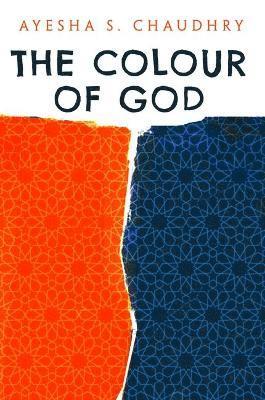
The Colour of God
Häftad, 2021
153 kr
Lägg i varukorg
"At the age of twenty-three, Ayesha removed her face veil to begin her studies in New York City. Braiding together Western, South Asian and Qur'anic storytelling styles, the author illuminates what it means to exist in a world that demands something different from each of her identities. With …
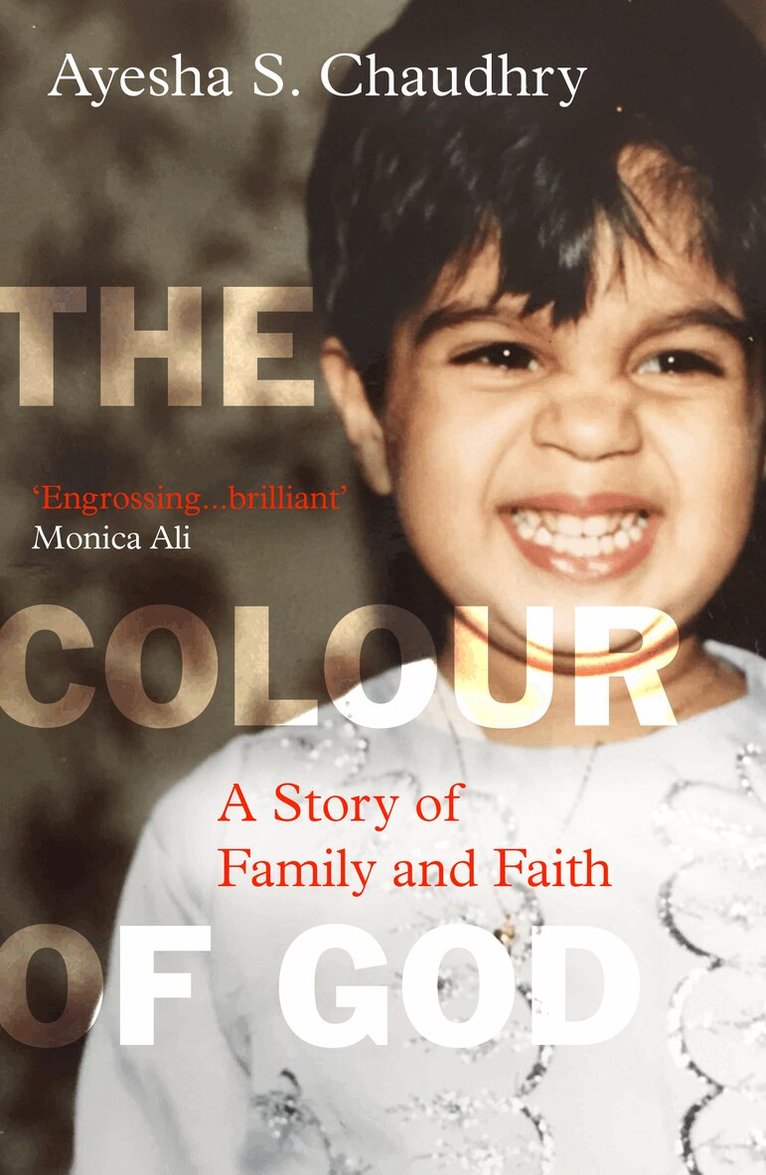
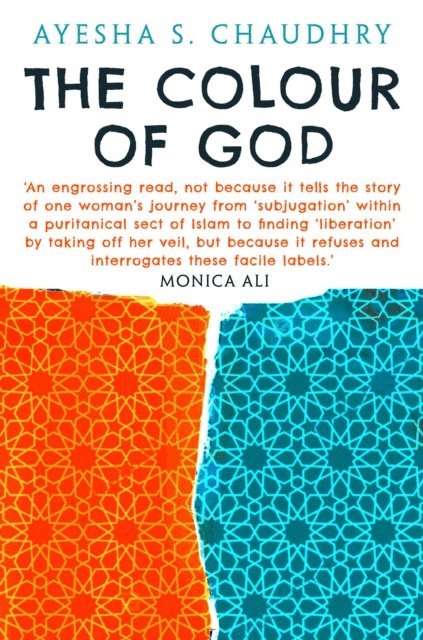
Colour of God
A Story of Family and Faith
Häftad, 2022
138 kr
Lägg i varukorg
Shortlisted for the William Saroyan International Prize 2022‘Engrossing...brilliant’ Monica Ali‘Heartbreaking and really funny’ Ross Gay‘This book fell into my heart’ Sabrina Mahfouz‘The kind of authentic voice that is rarely heard’ Saima MirAyesha tells the story of growing up in a fundamentalist …
Colour of God
A Story of Family and Faith
E-bok, 2021
133 kr
Lägg i varukorg
Shortlisted for the William Saroyan International Prize 2022 ‘Engrossing...brilliant’ Monica Ali ‘Heartbreaking and really funny’ Ross Gay ‘This book fell into my heart’ Sabrina Mahfouz ‘The kind of authentic voice that is rarely heard’ Saima Mir Ayesha tells the story of growing up in a …