B. Hoyle – författare
Visar alla böcker från författaren B. Hoyle. Handla med fri frakt och snabb leverans.
6 produkter
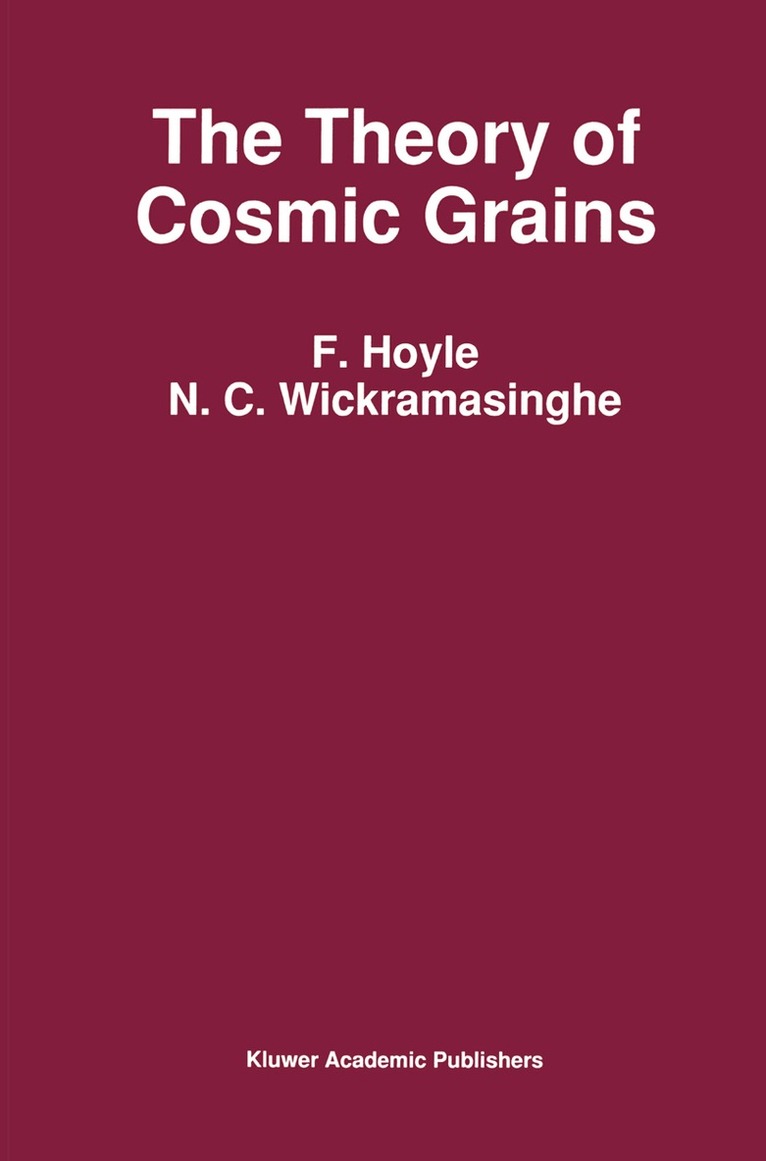
Theory of Cosmic Grains
Av N.C. Wickramasinghe, B. Hoyle
Inbunden, 1991
1641 kr
Lägg i varukorg
Light scattering and absorption by small homogeneous particles can be worked-out exactly for spheres and infinite cylinders. Homogeneous particles of irregular shapes, when averaged with respect to rotation, have effects that can in general be well-approximated by reference to results for these two …
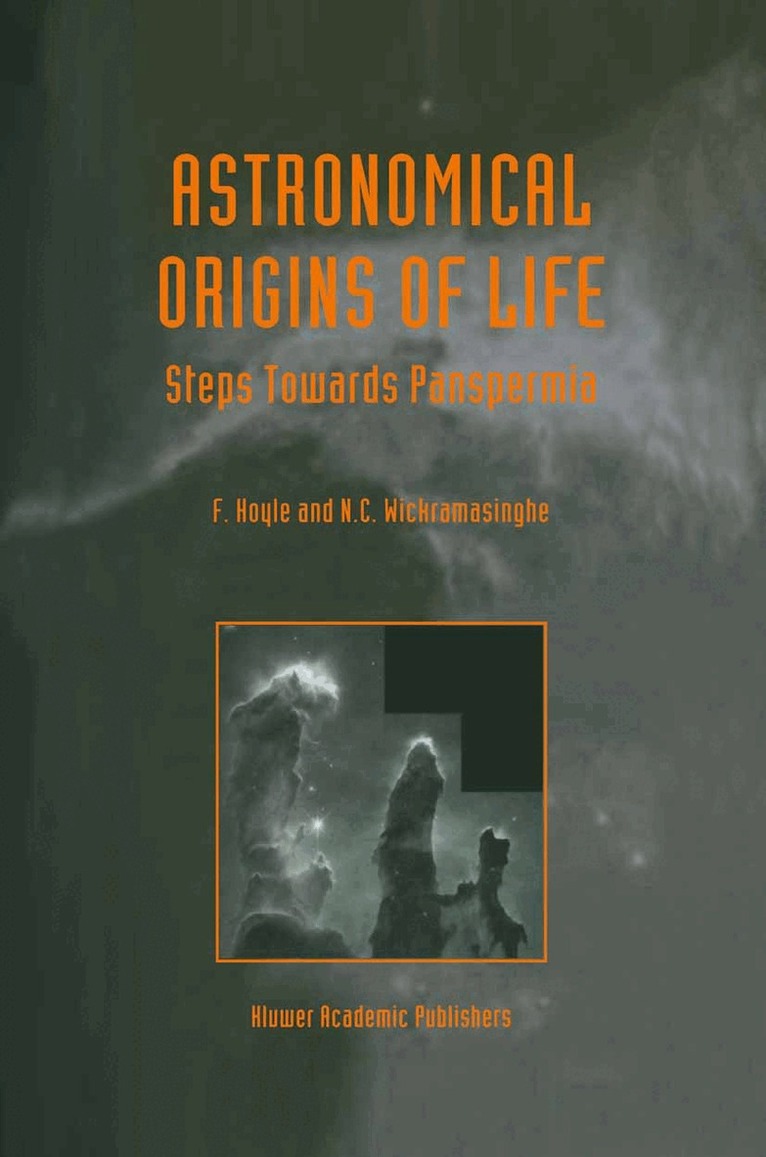
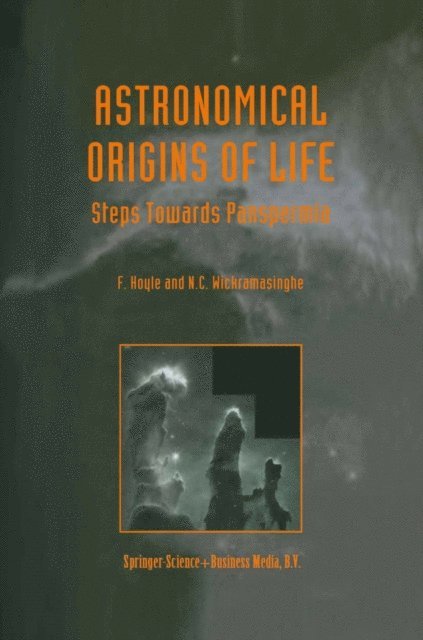
Astronomical Origins of Life
Steps Towards Panspermia
Av B. Hoyle, N.C. Wickramasinghe
Inbunden, 2000
1641 kr
Lägg i varukorg
Living material contains about twenty different sorts of atom combined into a set of relatively simple molecules. Astrobiologists tend to believe that abiotic mater ial will give rise to life in any place where these molecules exist in appreciable abundances and where physical conditions …
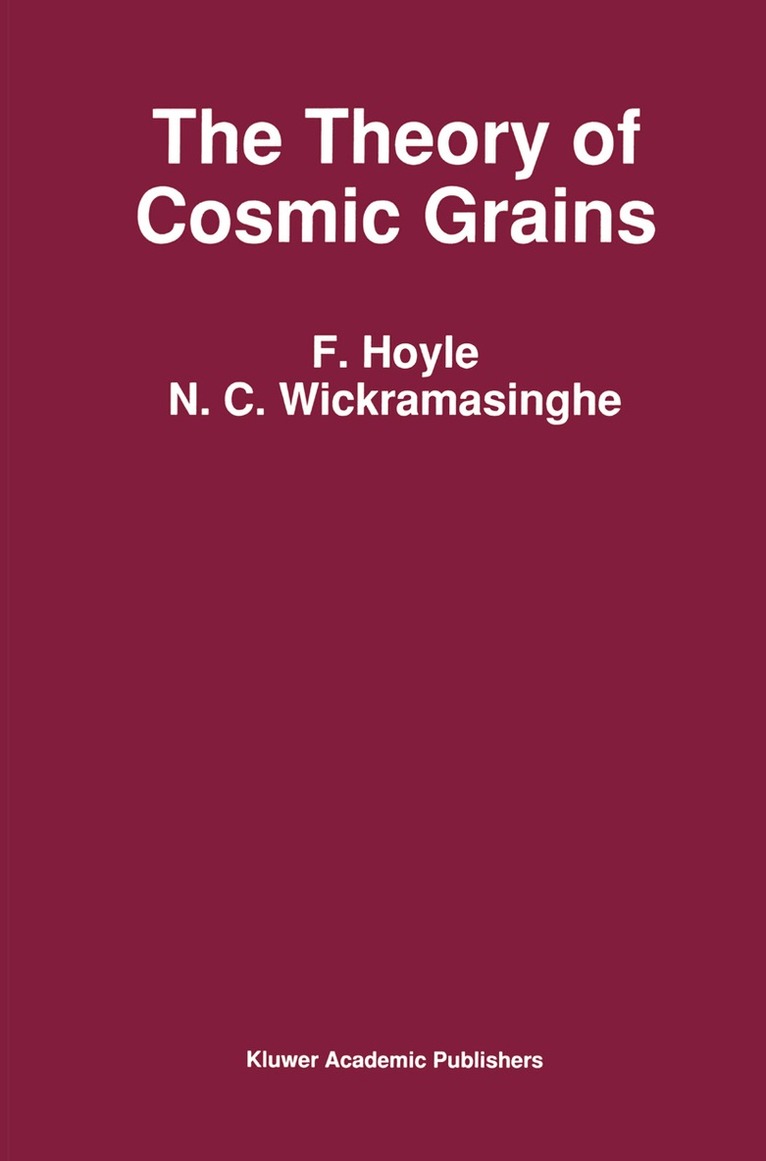
Theory of Cosmic Grains
Av N.C. Wickramasinghe, B. Hoyle
Häftad, 2012
1641 kr
Lägg i varukorg
Light scattering and absorption by small homogeneous particles can be worked-out exactly for spheres and infinite cylinders. Homogeneous particles of irregular shapes, when averaged with respect to rotation, have effects that can in general be well-approximated by reference to results for these two …
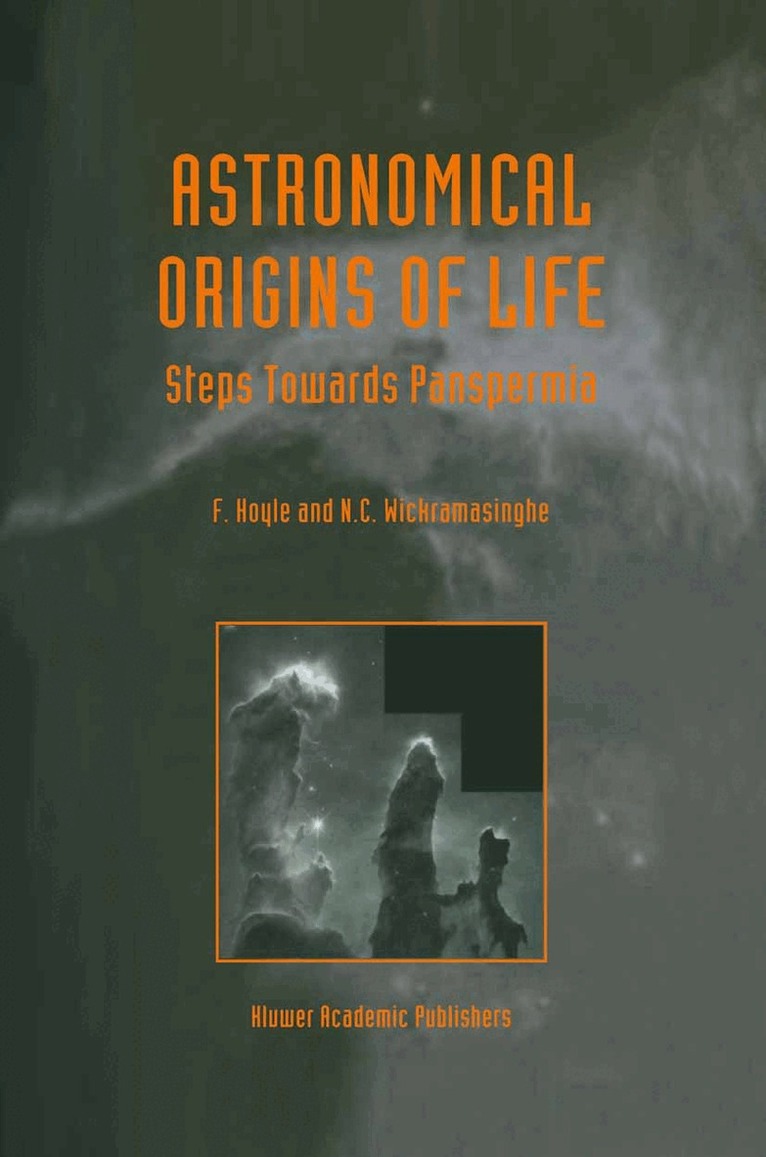
Astronomical Origins of Life
Steps Towards Panspermia
Av B. Hoyle, N.C. Wickramasinghe m. fl.
Häftad, 2012
1641 kr
Lägg i varukorg
Living material contains about twenty different sorts of atom combined into a set of relatively simple molecules. Astrobiologists tend to believe that abiotic mater ial will give rise to life in any place where these molecules exist in appreciable abundances and where physical conditions …
Theory of Cosmic Grains
Av B. Hoyle, N.C. Wickramasinghe
E-bok, 2012
2111 kr
Lägg i varukorg
Light scattering and absorption by small homogeneous particles can be worked-out exactly for spheres and infinite cylinders. Homogeneous particles of irregular shapes, when averaged with respect to rotation, have effects that can in general be well-approximated by reference to results for these two …
Astronomical Origins of Life
Steps Towards Panspermia
Av N.C. Wickramasinghe, B. Hoyle
E-bok, 2012
2111 kr
Lägg i varukorg
Living material contains about twenty different sorts of atom combined into a set of relatively simple molecules. Astrobiologists tend to believe that abiotic mater ial will give rise to life in any place where these molecules exist in appreciable abundances and where physical conditions …