B. J. Sokol - Böcker
Visar alla böcker från författaren B. J. Sokol. Handla med fri frakt och snabb leverans.
10 produkter
10 produkter
1 086 kr
Skickas inom 5-8 vardagar
This encyclopedia-style dicitonary explores early modern social life, legal thought, and the interactions within Shakespearean drama.
644 kr
Skickas inom 7-10 vardagar
This interdisciplinary study combines legal, historical and literary approaches to the practice and theory of marriage in Shakespeare's time. It uses the history of English law and the history of the contexts of law to study a wide range of Shakespeare's plays and poems. The authors approach the legal history of marriage as part of cultural history. The household was viewed as the basic unit of Elizabethan society, but many aspects of marriage were controversial, and the law relating to marriage was uncertain and confusing, leading to bitter disagreements over the proper modes for marriage choice and conduct. The authors point out numerous instances within Shakespeare's plays of the conflict over status, gender relations, property, religious belief and individual autonomy versus community control. By achieving a better understanding of these issues, the book illuminates both Shakespeare's work and his age.
629 kr
Skickas inom 7-10 vardagar
Shakespeare's remarkable ability to detect and express important new currents and moods in his culture often led him to dramatise human interactions based on the presence or absence of tolerance. Differences of religion, gender, nationality and what is now called 'race' are important in most of Shakespeare's plays, and varied ways of bridging these differences by means of sympathy and understanding are often depicted. The full development of a tolerant society is still incomplete, and this study demonstrates how the perceptions Shakespeare showed in relation to its earlier development are still instructive and valuable today. Many recent studies of Shakespeare's work have focused on reflections of the oppression or containment of minority, deviant or non-dominant groups or outlooks. This book reverses that trend and examines how Shakespeare was fascinated by the desires that underlie tolerance, including religion, race and sexuality, through close analysis of many Shakespearian plays, passages and themes.
1 371 kr
Skickas inom 7-10 vardagar
This interdisciplinary study combines legal, historical and literary approaches to the practice and theory of marriage in Shakespeare's time. It uses the history of English law and the history of the contexts of law to study a wide range of Shakespeare's plays and poems. The authors approach the legal history of marriage as part of cultural history. The household was viewed as the basic unit of Elizabethan society, but many aspects of marriage were controversial, and the law relating to marriage was uncertain and confusing, leading to bitter disagreements over the proper modes for marriage choice and conduct. The authors point out numerous instances within Shakespeare's plays of the conflict over status, gender relations, property, religious belief and individual autonomy versus community control. By achieving a better understanding of these issues, the book illuminates both Shakespeare's work and his age.
1 371 kr
Skickas inom 7-10 vardagar
Shakespeare's remarkable ability to detect and express important new currents and moods in his culture often led him to dramatise human interactions based on the presence or absence of tolerance. Differences of religion, gender, nationality and what is now called 'race' are important in most of Shakespeare's plays, and varied ways of bridging these differences by means of sympathy and understanding are often depicted. The full development of a tolerant society is still incomplete, and this study demonstrates how the perceptions Shakespeare showed in relation to its earlier development are still instructive and valuable today. Many recent studies of Shakespeare's work have focused on reflections of the oppression or containment of minority, deviant or non-dominant groups or outlooks. This book reverses that trend and examines how Shakespeare was fascinated by the desires that underlie tolerance, including religion, race and sexuality, through close analysis of many Shakespearian plays, passages and themes.
1 698 kr
Skickas inom 10-15 vardagar
Shakespeare's Legal Language: A Dictionary is a comprehensive reference guide to Shakespeare's legal references. An A-Z of over 100 entries explores early modern social life, legal thought, and the interaction of these within Shakespearean drama. The law is a central theme in many of Shakespeare's plays and every play in the canon makes reference to legality or justice. Indeed, Shakespeare displays considerable interest in the capacity of legal language to convey matters of social, moral and intellectual substance and the use of legal langauge throughout his work shows he was clearly familiar with legal terminology. Shakespeare's Legal Language is an ideal guide to Shakespeare's legal references for students of Shakespeare at every level. Professor B.J. Sokol is at Goldsmiths College, University of London and Dr. Mary Sokol is honorary research fellow at University College London.
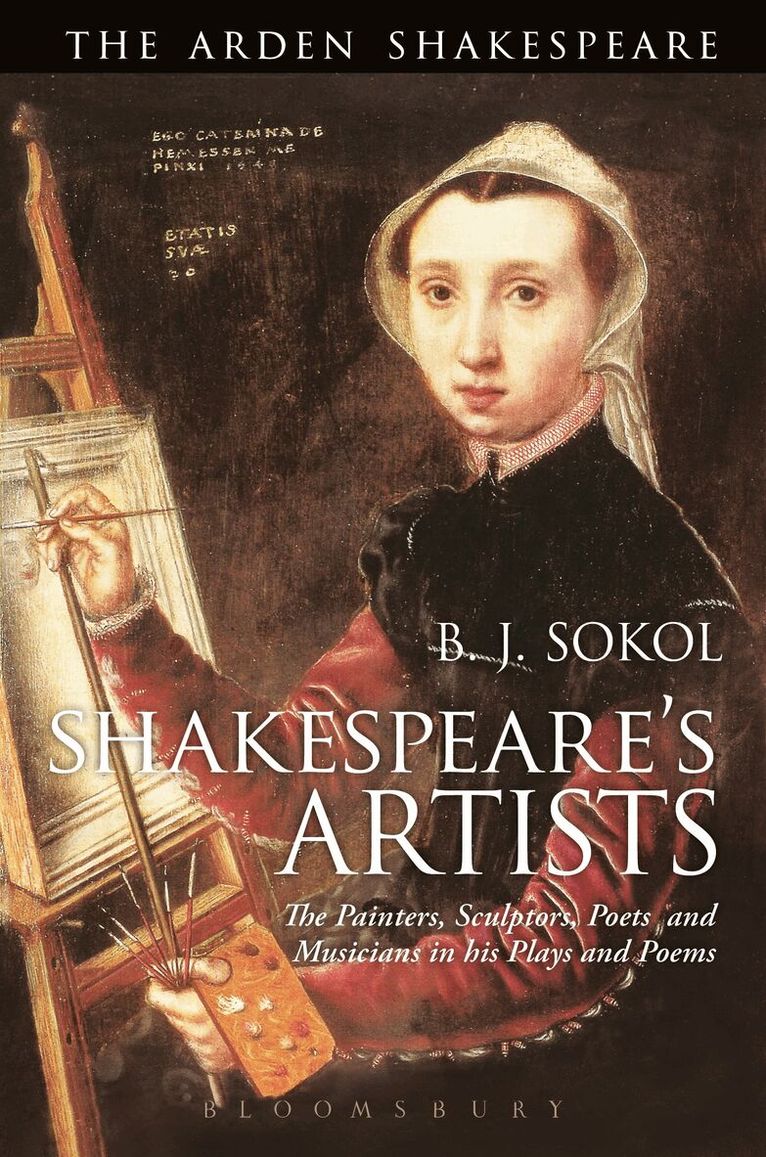
Shakespeare's Artists
The Painters, Sculptors, Poets and Musicians in his Plays and Poems
Inbunden, Engelska, 2018
1 698 kr
Skickas inom 10-15 vardagar
This study of the many poets, musicians and visual artists portrayed or described in Shakespeare’s plays and poems reveals a fascination with art and its makers that continued to influence Shakespeare’s work throughout his career. It also uncovers unexpected aspects of an enthusiastic Elizabethan consumption of artworks, an enthusiasm that had significant bearing on the quite new profession that Shakespeare himself followed. A high valuation placed on art and artists, and at the same time certain fears of these and fears for these, made for a very complex reception of the figure of the artist, and Shakespeare’s treatments were equal to that complexity.
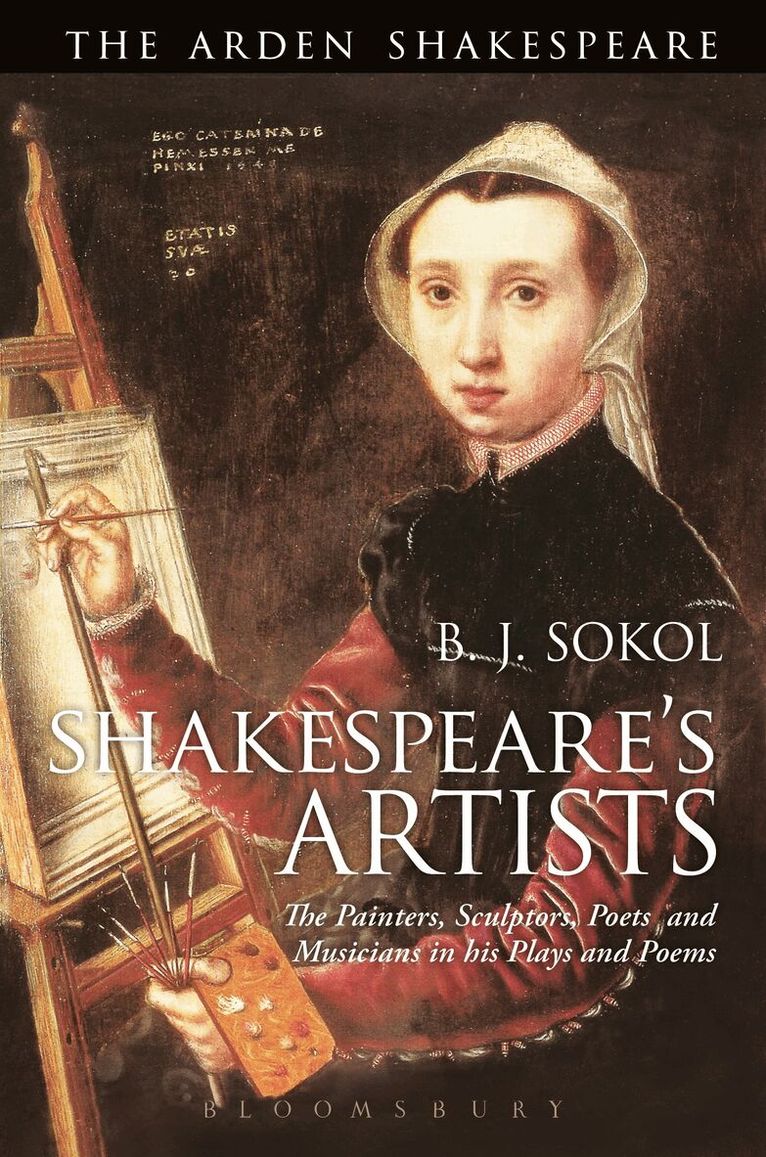
Shakespeare's Artists
The Painters, Sculptors, Poets and Musicians in his Plays and Poems
Häftad, Engelska, 2019
546 kr
Skickas inom 10-15 vardagar
This study of the many poets, musicians and visual artists portrayed or described in Shakespeare’s plays and poems reveals a fascination with art and its makers that continued to influence Shakespeare’s work throughout his career. It also uncovers unexpected aspects of an enthusiastic Elizabethan consumption of artworks, an enthusiasm that had significant bearing on the quite new profession that Shakespeare himself followed. A high valuation placed on art and artists, and at the same time certain fears of these and fears for these, made for a very complex reception of the figure of the artist, and Shakespeare’s treatments were equal to that complexity.
1 391 kr
Skickas inom 10-15 vardagar
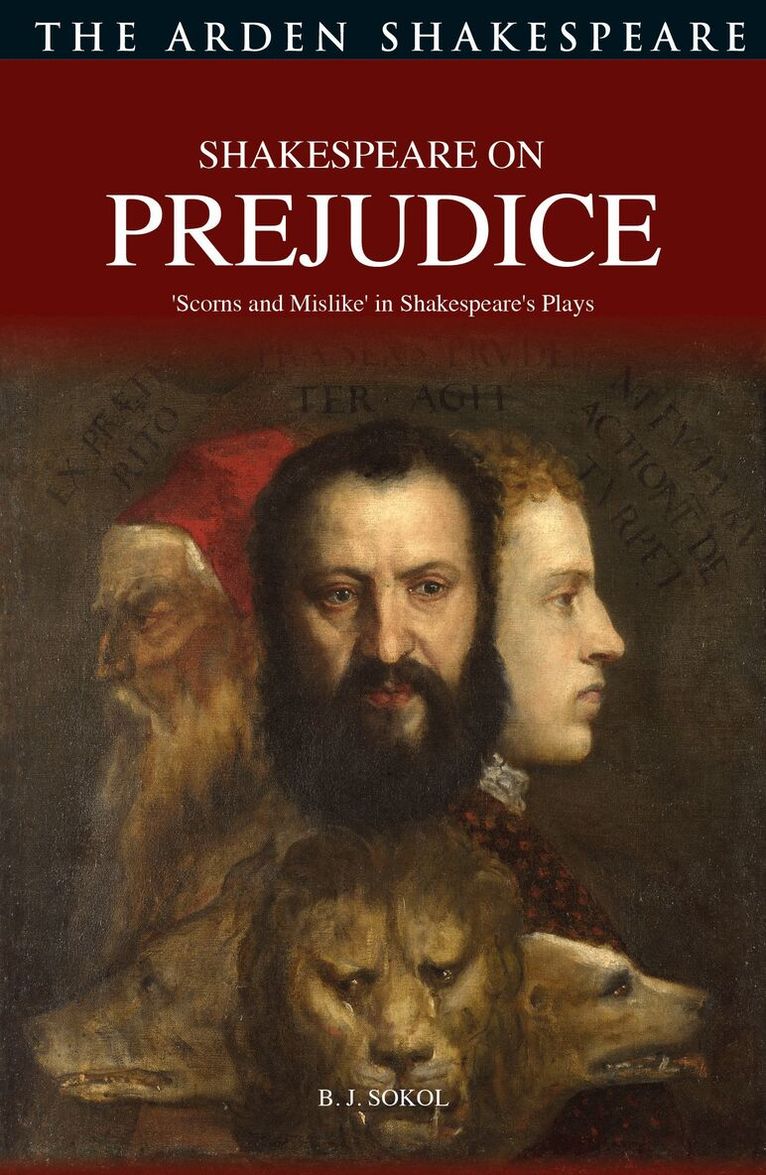
How are unwarranted dislikes and prejudices portrayed in the works of Shakespeare and to what extent does Shakespeare differ from his contemporaries in their portrayal? What can we learn about Shakespeare's times and our own through a close reading of prejudice depicted in his plays?In this study, B. J. Sokol examines what King Edward in Henry VI Part III calls 'your scorns and mislike' (4.1.23) – the unfounded prejudices depicted in Shakespeare's works and targeted at five distinct areas: education, the arts, peace, 'strangers' or outsiders and sexual love. Through a close reading of his plays, comparison with the works of other Elizabethan writers and a consideration of Shakespeare's social environment, this study provides a detailed appreciation of Shakespeare's dramatic method and his insights into the psychological motivations behind the prejudices portrayed.Presenting Shakespeare's prejudice against education, Sokol examines numerous representations of pupils, teachers and schooling, focusing on anti-educational prejudices in The Merry Wives of Windsor and in King Henry VI Part 2. The distaste of characters for art is considered alongside Shakespeare's repeated depiction of the destructive downgrading of the arts that erupts during political upheavals, while prejudice against peaceful living is traced in Shakespeare's various portrayals of 'honour'-driven feuding, such as in Romeo and Juliet, and in warrior characters such as Coriolanus. Prejudice against strangers as depicted in plays including Titus Andronicus, Othello and The Merchant of Venice is contrasted with that of plays by his contemporaries, including Christopher Marlowe's The Jew of Malta. A final chapter examines prejudice against sex and the representation of many male and female characters who evade the erotic, subordinate the erotic to power seeking, or regard their own or others' erotic attachments with revulsion.
469 kr
Skickas inom 10-15 vardagar
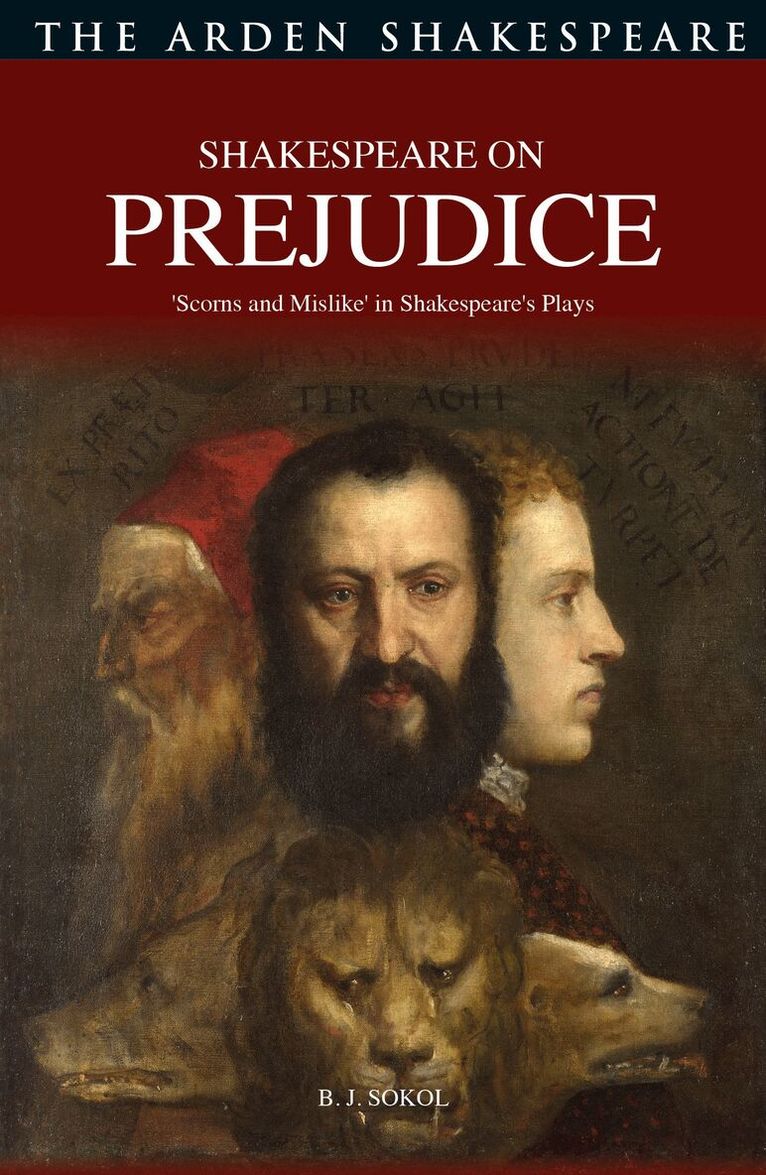
How are unwarranted dislikes and prejudices portrayed in the works of Shakespeare and to what extent does Shakespeare differ from his contemporaries in their portrayal? What can we learn about Shakespeare's times and our own through a close reading of prejudice depicted in his plays?In this study, B. J. Sokol examines what King Edward in Henry VI Part III calls 'your scorns and mislike' (4.1.23) – the unfounded prejudices depicted in Shakespeare's works and targeted at five distinct areas: education, the arts, peace, 'strangers' or outsiders and sexual love. Through a close reading of his plays, comparison with the works of other Elizabethan writers and a consideration of Shakespeare's social environment, this study provides a detailed appreciation of Shakespeare's dramatic method and his insights into the psychological motivations behind the prejudices portrayed.Presenting Shakespeare's prejudice against education, Sokol examines numerous representations of pupils, teachers and schooling, focusing on anti-educational prejudices in The Merry Wives of Windsor and in King Henry VI Part 2. The distaste of characters for art is considered alongside Shakespeare's repeated depiction of the destructive downgrading of the arts that erupts during political upheavals, while prejudice against peaceful living is traced in Shakespeare's various portrayals of 'honour'-driven feuding, such as in Romeo and Juliet, and in warrior characters such as Coriolanus. Prejudice against strangers as depicted in plays including Titus Andronicus, Othello and The Merchant of Venice is contrasted with that of plays by his contemporaries, including Christopher Marlowe's The Jew of Malta. A final chapter examines prejudice against sex and the representation of many male and female characters who evade the erotic, subordinate the erotic to power seeking, or regard their own or others' erotic attachments with revulsion.