Bahru Zewde - Böcker
Visar alla böcker från författaren Bahru Zewde. Handla med fri frakt och snabb leverans.
7 produkter
7 produkter
402 kr
Skickas inom 10-15 vardagar
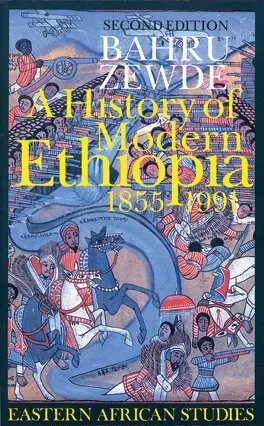
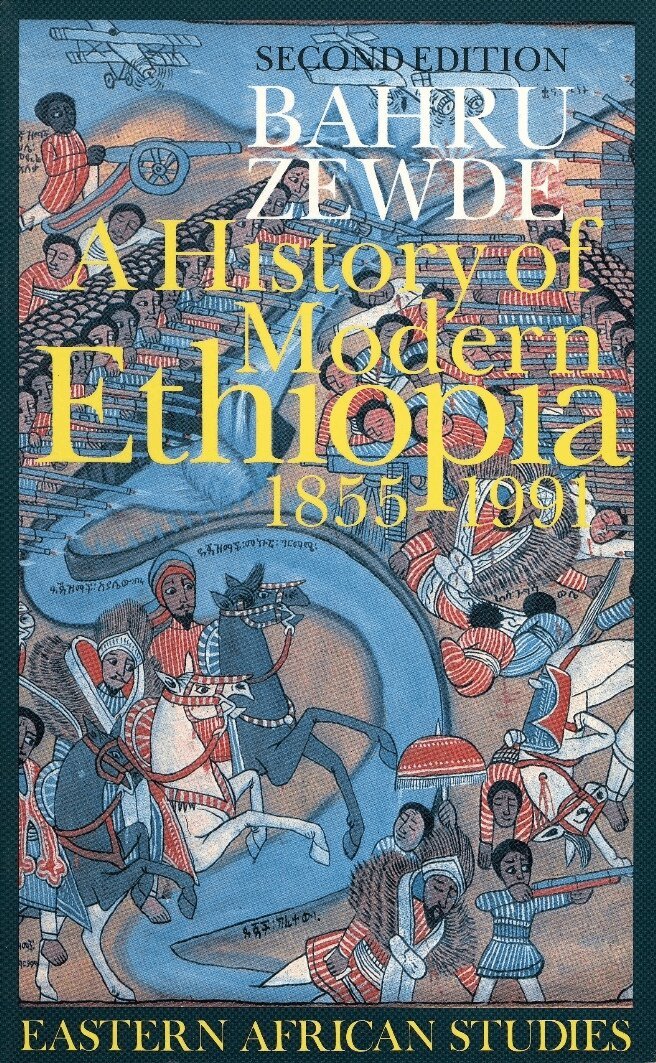
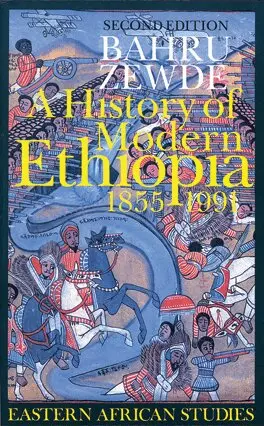
Bounded by Sudan to the west and north, Kenya to the south, Somalia to the southeast, and Eritrea and Djibouti to the northeast, Ethiopia is a pivotal country in the geopolitics of the region. Yet it is important to understand this ancient and often splintered country in its own right.In A History of Modern Ethiopia, Bahru Zewde, one of Ethiopia's leading historians, provides a compact and comprehensive history of his country, particularly the last two centuries. Of importance to historians, political scientists, journalists, and Africanists alike, Bahru's A History of Modern Ethiopia, now with additional material taking it up to the last decade, will be the preeminent overview of present-day Ethiopia.
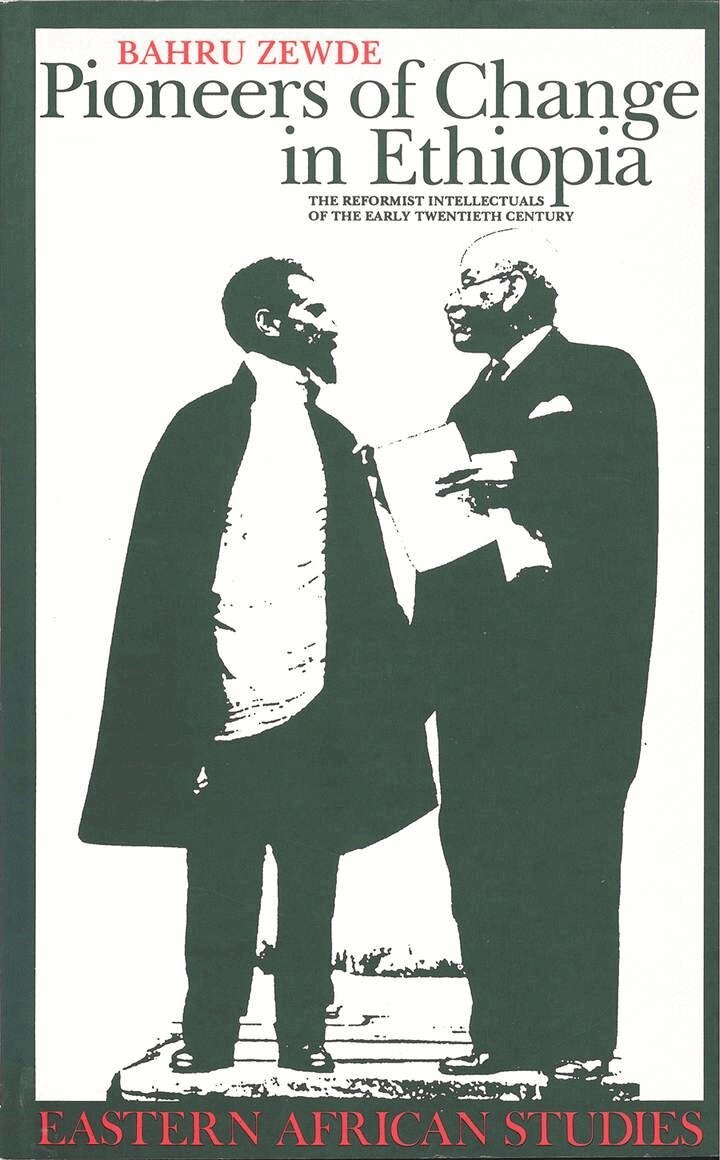
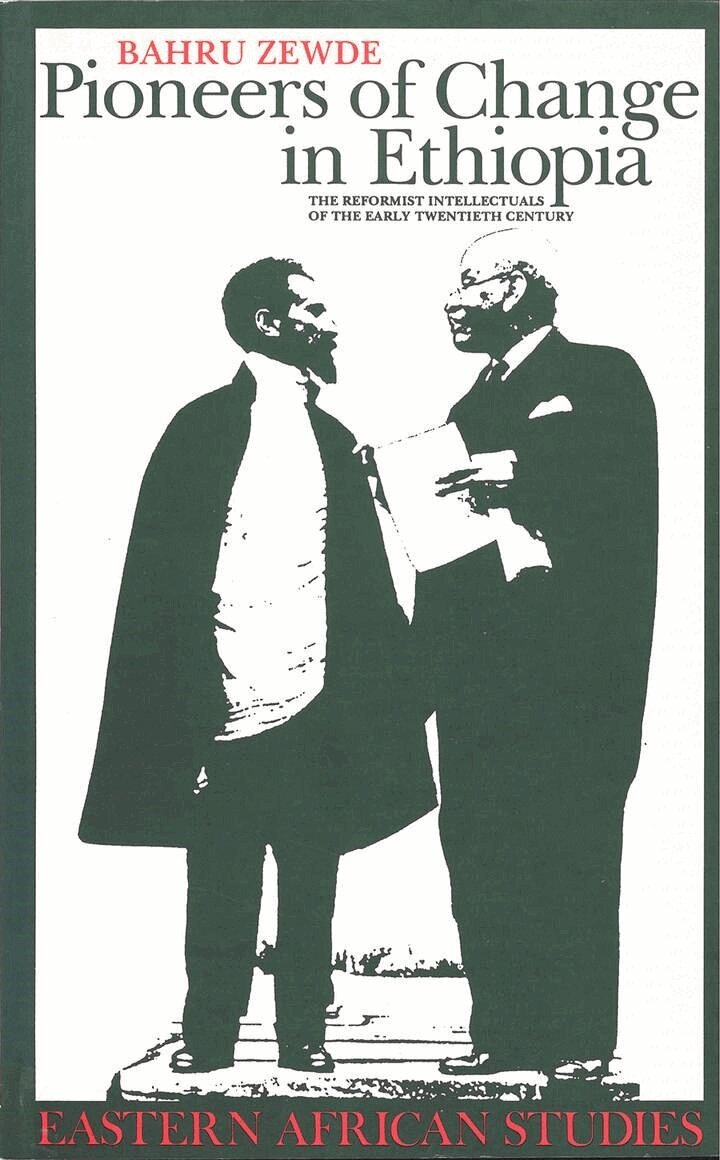
Pioneers of Change in Ethiopia
The Reformist Intellectuals of the Early Twentieth Century
Häftad, Engelska, 2002
609 kr
Skickas inom 3-6 vardagar
In this exciting new study, Bahru Zewde, one of the foremost historians of modern Ethiopia, has constructed a collective biography of a remarkable group of men and women in a formative period of their country's history. Ethiopia's political independence at the end of the nineteenth century put this new African state in a position to determine its own levels of engagement with the West. Ethiopians went to study in universities around the world. They returned with the skills of their education acquired in Europe and America, and at home began to lay the foundations of a new literature and political philosophy. Pioneers of Change in Ethiopia describes the role of these men and women of ideas in the social and political transformation of the young nation and later in the administration of Haile Selassie.
349 kr
Skickas inom 10-15 vardagar
Updated and revised edition.Bahru Zewde has updated the first edition, adding a new chapter and taking the history through to 1991.'The new chapter enhances the value of the book as the best historical introduction to modern Ethiopia. The account of the Revolution, contained in 41 pages, is nuanced and worthy of attention in its own right... In short, the updating of an already indispensable book.' - Donald Crummey in JOURNAL OF MODERN AFRICAN STUDIESNorthAmerica: Ohio U Press; Ethiopia: Addis Ababa U Press
732 kr
Skickas inom 5-8 vardagar
Del 16 - Eastern Africa Series
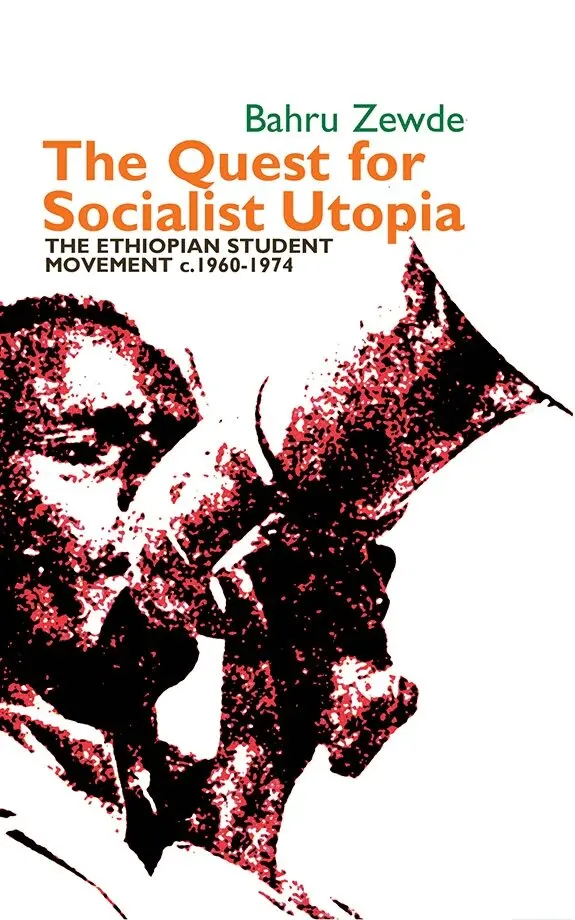
Quest for Socialist Utopia
The Ethiopian Student Movement, c. 1960-1974
Inbunden, Engelska, 2014
1 160 kr
Skickas inom 7-10 vardagar
A lively historical account of the rise of Ethiopia's student movement by one of those involved, its role in overthrowing the imperial regime, and its impact on the shaping of the country's future.In the second half of the 1960s and the early 1970s, the Ethiopian student movement emerged from rather innocuous beginnings to become the major opposition force against the imperial regime in Ethiopia, contributing perhaps more than any other factor to the eruption of the 1974 revolution, a revolution that brought about not only the end of the long reign of Emperor Haile Sellassie, but also a dynasty of exceptional longevity. The student movement would beof fundamental importance in the shaping of the future Ethiopia, instrumental in both its political and social development.Bahru Zewde, himself one of the students involved in the uprising, draws on interviews with former student leaders and activists, as well as documentary sources, to describe the steady radicalisation of the movement, characterised particularly after 1965 by annual demonstrations against the regime and culminating in the ascendancy of Marxism-Leninism by the early 1970s. Almost in tandem with the global student movement, the year 1969 marked the climax of student opposition to the imperial regime, both at home and abroad. It was also in that year that students broached what came to be famously known as the "national question", ultimately resulting in the adoption in 1971of the Leninist/Stalinist principle of self-determination up to and including secession. On the eve of the revolution, the student movement abroad split into two rival factions; a split that was ultimately to lead to the liquidation of both and the consolidation of military dictatorship as well as the emergence of the ethno-nationalist agenda as the only viable alternative to the military regime.Bahru Zewde is Emeritus Professor of History at Addis Ababa University and Vice President of the Ethiopian Academy of Sciences. He has authored many books and articles, notably A History of Modern Ethiopia, 1855-1974 and Pioneers of Change in Ethiopia: The Reformist Intellectuals of the Early Twentieth Century.Finalist for the Bethwell A. Ogot Book Prize to the author of the best book on East African Studies, 2015.Ethiopia: Addis Ababa University Press (paperback)
Del 16 - Eastern Africa Series
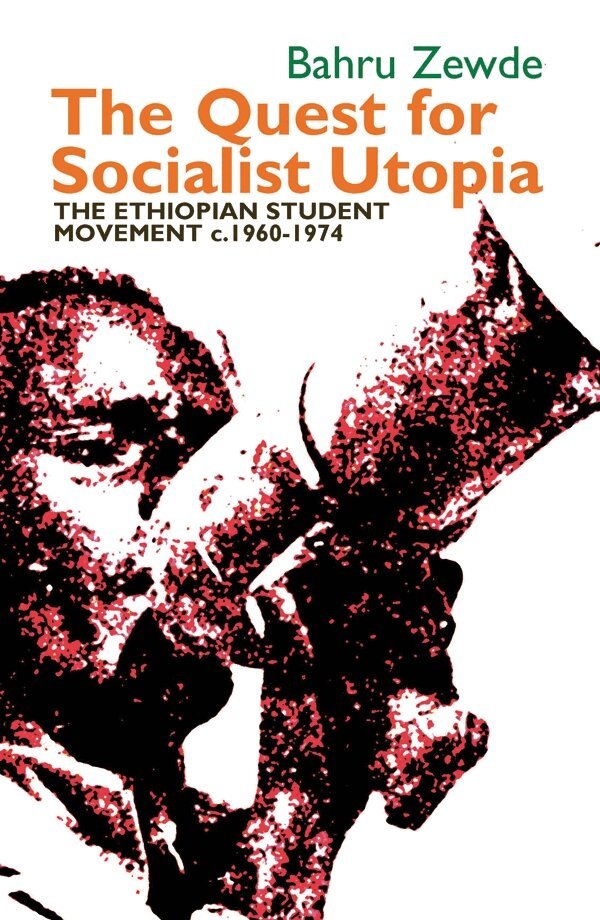
Quest for Socialist Utopia
The Ethiopian Student Movement, c. 1960-1974
Häftad, Engelska, 2017
335 kr
Skickas inom 7-10 vardagar
A lively historical account of the rise of Ethiopia's student movement by one of those involved, its role in overthrowing the imperial regime, and its impact on the shaping of the country's future.Finalist for the Bethwell A. Ogot Book Prize to the author of the best book on East African Studies, 2015.In the second half of the 1960s and the early 1970s, the Ethiopian student movement became the major oppositionforce against the imperial regime in Ethiopia, ultimately playing a fundamental role in the shaping of the country's future political and social development. Bahru Zewde, one of the students involved in the uprising, draws on interviews with former student leaders and activists, as well as documentary sources, to describe the steady radicalisation of the movement, characterised particularly after 1965 by annual demonstrations against the regime and culminating in the ascendancy of Marxism-Leninism by the early 1970s. In 1969, the students broached what came to be famously known as the "national question", ultimately resulting in the adoption of the Leninist/Stalinist principle of self-determination up to and including secession. On the eve of the revolution, the student movement abroad split into two rival factions - a split that would ultimately lead to the liquidation of both and the consolidation of military dictatorship.Bahru Zewde is Emeritus Professor of History at Addis Ababa University and founding Fellow and Vice President of the Ethiopian Academy of Sciences. He has authored many books and articles, notably A History of Modern Ethiopia, 1855-1974 and Pioneers of Change in Ethiopia: The Reformist Intellectuals of the Early Twentieth Century.Ethiopia: Addis Ababa University Press
1 200 kr
Skickas inom 5-8 vardagar