Barbara Berglund - Böcker
Visar alla böcker från författaren Barbara Berglund. Handla med fri frakt och snabb leverans.
2 produkter
2 produkter
401 kr
Skickas inom 7-10 vardagar
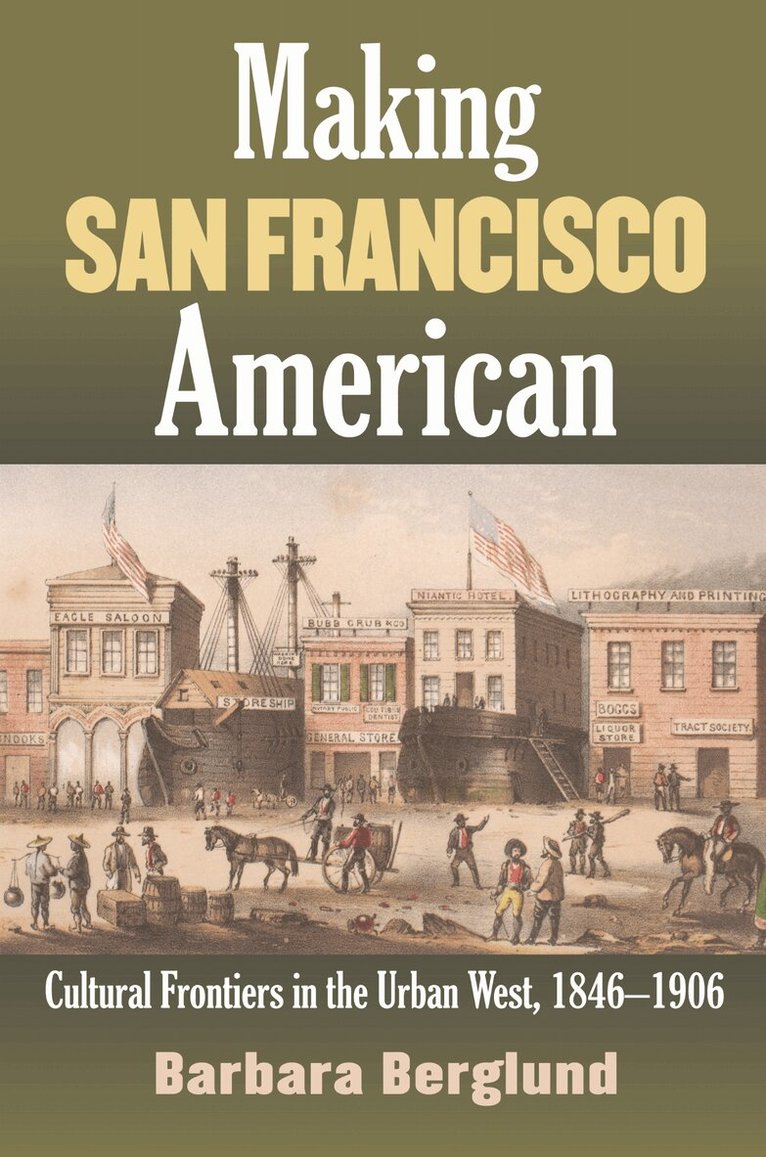
The San Francisco that rose from the ashes of the 1906 earthquake and fire was a city of rigid social stratification—a city determined to contain its diverse and disorderly rough-and-tumble past some sixty years after its acquisition by the United States. Barbara Berglund vividly describes San Francisco’s rapid evolution from Mexican outpost to crown jewel of America’s western empire, taking readers back to an earlier and more chaotic time when class definitions and social conventions were much more fluid. Berglund argues that the city’s rapid rise from a multicultural boomtown to a racially and socially stratified metropolis reflected the careful efforts of a nascent elite to order its inhabitants through political and cultural means. Berglund analyzes the cultural spaces that showcased the contests that would determine the social order and who defined it. The book’s central chapters provide snapshots of the micro-workings of power on five key cultural frontiers: restaurants, hotels, and boardinghouses; places of amusement, ranging from the brothels of the Barbary Coast to the Pacific Museum of Anatomy and Science; Chinatown’s tourist terrain; the Mechanics’ Institute’s annual fairs; and the 1894 California Midwinter International Exposition—the first such expo held west of Chicago and an image-building opportunity for the city’s elites. By focusing on the role of cultural frontiers in the urban west, Berglund offers a new take on western history that explores the role of market-driven cultural institutions, demonstrating that the market was as important as the state in structuring power relationships in nineteenth-century imperial America. She shows that control over meanings ascribed to race, class, and gender—especially those generated in the city’s cultural spaces—was critical to the incorporation of San Francisco into the fabric of the American nation.
653 kr
Skickas inom 5-8 vardagar
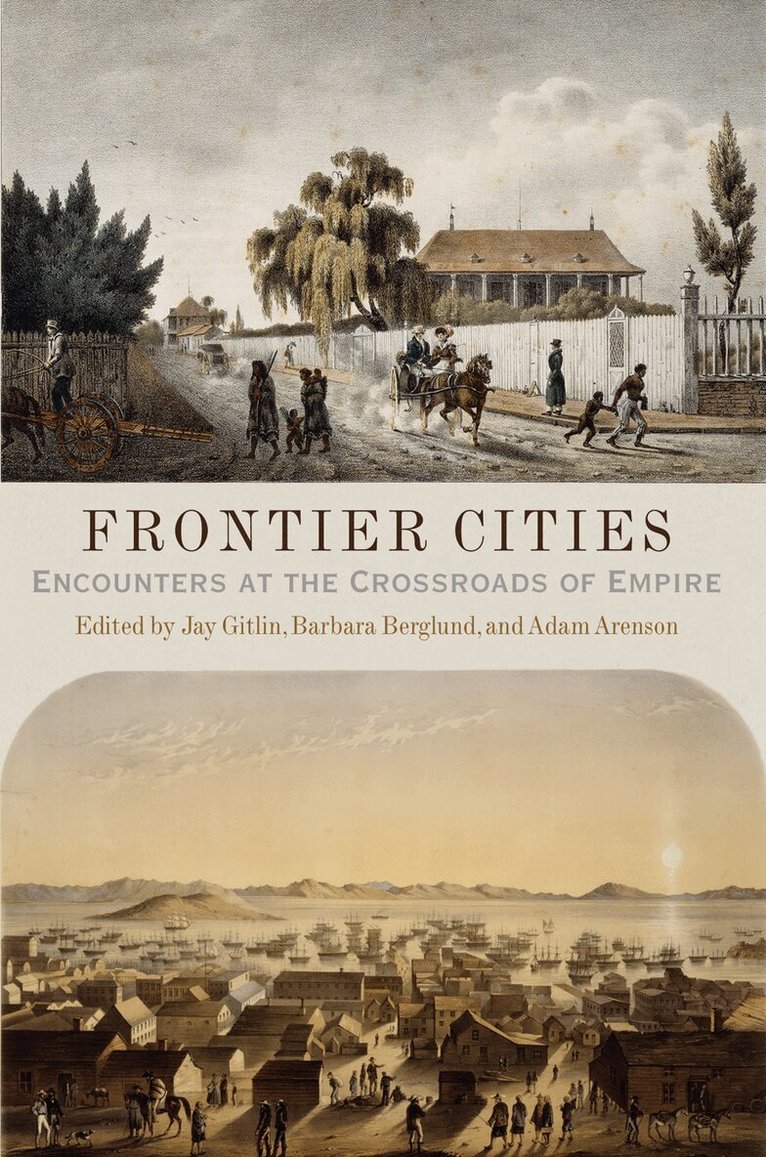
Macau, New Orleans, St. Louis, Pittsburgh, and San Francisco. All of these metropolitan centers were once frontier cities, urban areas irrevocably shaped by cross-cultural borderland beginnings. Spanning a wide range of periods and locations, and including stories of eighteenth-century Detroit, nineteenth-century Seattle, and twentieth-century Los Angeles, Frontier Cities recovers the history of these urban places and shows how, from the start, natives and newcomers alike shared streets, buildings, and interwoven lives. Not only do frontier cities embody the earliest matrix of the American urban experience; they also testify to the intersections of colonial, urban, western, and global history.The twelve essays in this collection paint compelling portraits of frontier cities and their inhabitants: the French traders who bypassed imperial regulations by throwing casks of brandy over the wall to Indian customers in eighteenth-century Montreal; Isaac Friedlander, San Francisco's "Grain King"; and Adrien de Pauger, who designed the Vieux CarrÉ in New Orleans. Exploring the economic and political networks, imperial ambitions, and personal intimacies of frontier city development, this collection demonstrates that these cities followed no mythic line of settlement, nor did they move lockstep through a certain pace or pattern of evolution. An introduction puts the collection in historical context, and the epilogue ponders the future of frontier cities in the midst of contemporary globalization. With innovative concepts and a rich selection of maps and images, Frontier Cities imparts a crucial untold chapter in the construction of urban history and place.